

It seems that tennis will soon become the most popular sport in Ukraine: thanks to the bright victories of our athletes, Roland Garros – one of the most prestigious tournaments in the world – was watched by almost the entire country. We tell you how we remembered the French Open and why it became historic for Ukrainians in 2026.
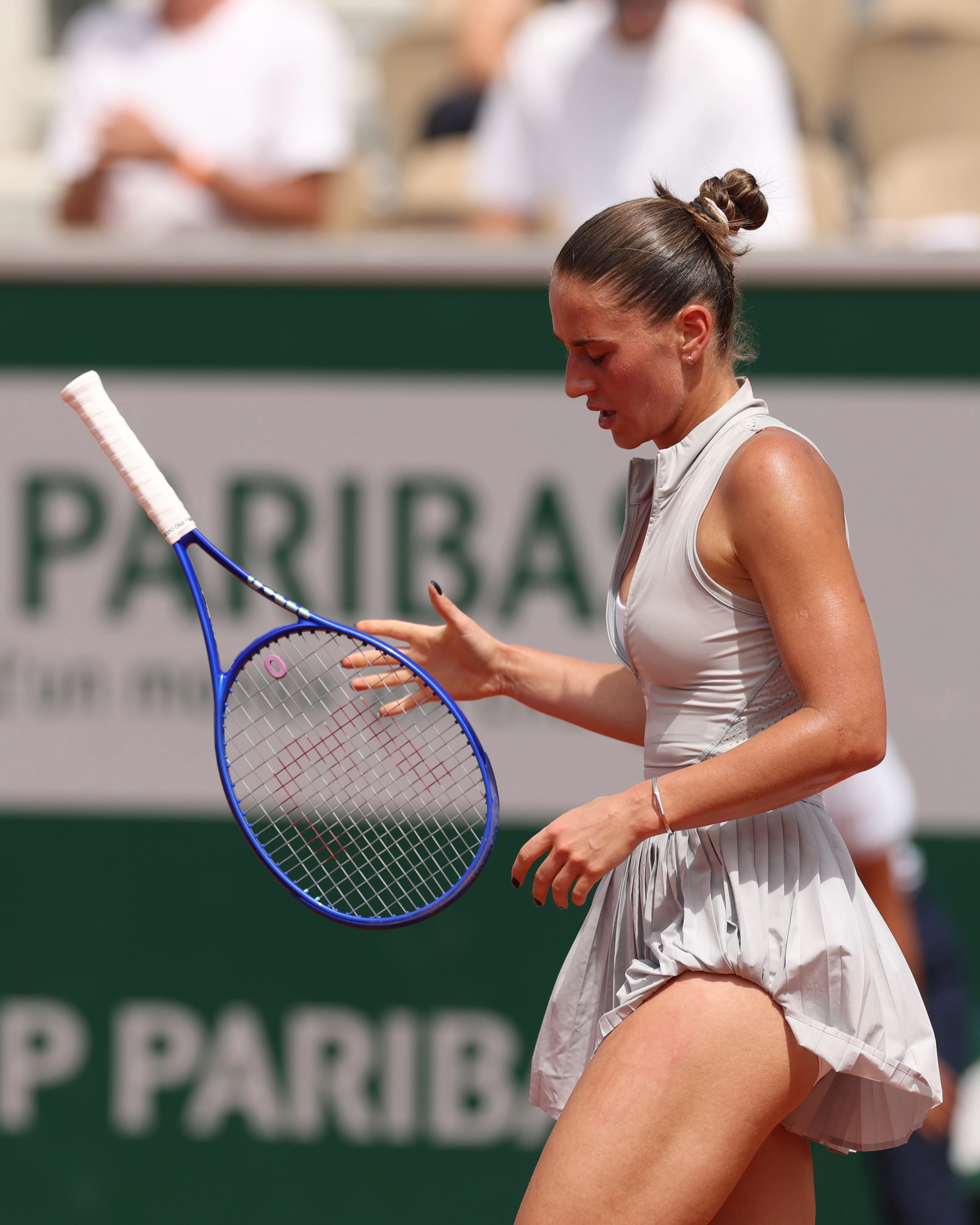 Marta Kostyuk is the first Ukrainian semi-finalist at Rolland Garros
Advertising.
Ukrainian triumph
This year's Roland Garros has officially become the most successful and high-profile clay court major for Ukrainian tennis in history. Our girls didn't just come to win – they rewrote records almost after every round. First, Ukraine repeated its national maximum for Grand Slam tournaments – seven tennis players in the main draw: Svitolina, Kostyuk, Yastremska, Starodubtseva, Oliynykova, Kalinina and Snigur. For the first time in the history of Ukrainian tennis, four athletes made it to the third round of Roland Garros, and Yulia Starodubtseva defeated the second racket of the world Elena Rybakina on the way – this victory became a real sensation of the first week of the championship.
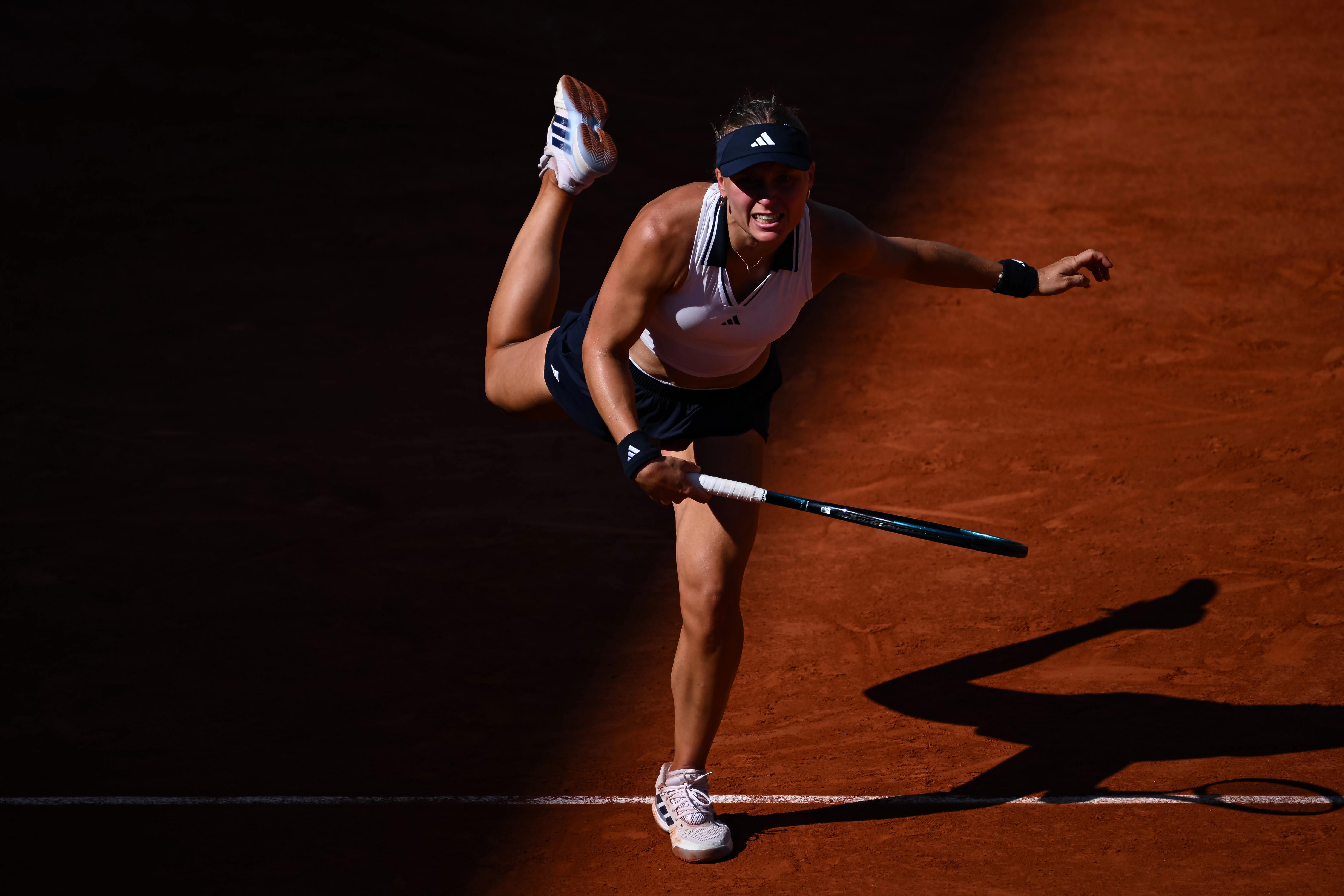 Yulia Starodubtseva
The most striking and unprecedented moment of the tournament was the progress of two Ukrainian women to the quarterfinals and their face-to-face meeting. Elina Svitolina and Marta Kostyuk met in the quarterfinals of Roland Garros. This guaranteed Ukraine a place in the semifinals of a Grand Slam, and the match itself became the first Ukrainian derby in history at such a late stage of a Grand Slam tournament. Marta Kostyuk won this duel – this was her first personal semifinal at the RG and the first for all women's tennis in the country.
Heat in the big city
The weather at Roland Garros 2026 has become one of the main and most discussed topics of the tournament: Paris has been hit by an unprecedented heat wave, which has caught players, organizers, and court surfaces by surprise. The tournament, which is usually associated with the changeable Parisian spring, coolness, and prolonged rain, has this time turned into a real test of endurance. From the very first days of the tournament, the thermometers in Boulogne-Billancourt have risen rapidly, staying steadily at 32–33 °C, and on some days the heat reached an extreme 35 °C in the shade.
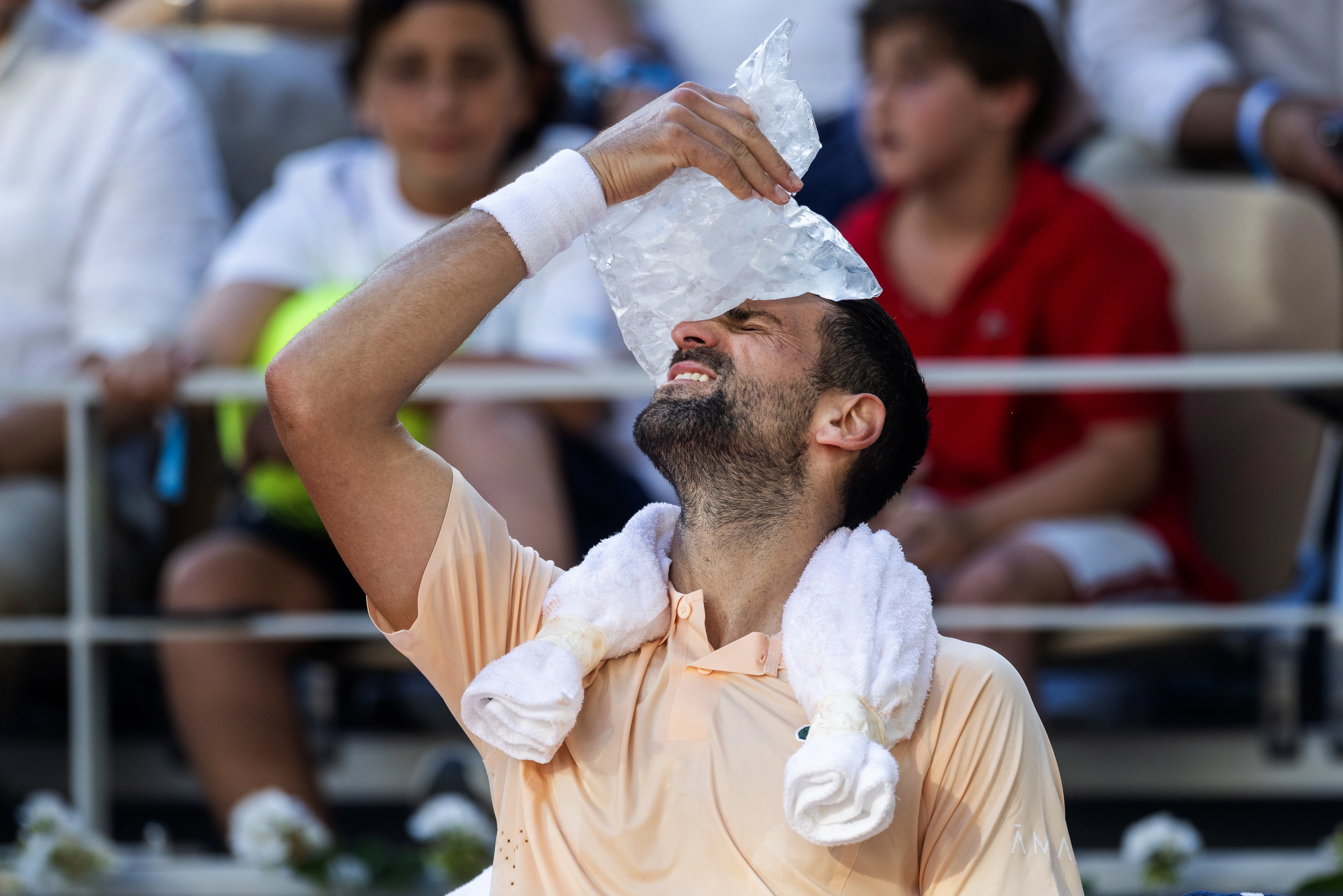 Novak Djokovic
The hot weather radically changed the properties of the ground. Moisture evaporated instantly, which made the balls fly much faster, and the bounce became extremely high. Playing on the hot court required a huge expenditure of energy. Players complained of sudden “lapses” of concentration. The main sensation, which is largely attributed to the difficult weather conditions and a recent illness, was the departure of the first racket of the world Yannick Sinner in the second round: the Italian could barely move around the court under the scorching sun in a match against Juan Manuel Serundolo. Canadian Gabriel Diallo was forced to withdraw from the match due to heat stroke.
Fonseca fever
“Fonseca Fever” is the name given to the wave of tennis popularity in Brazil caused by 19-year-old Brazilian tennis player Joao Fonseca. Thousands of fans come to his matches around the world and put on a real show. Paris was no exception. Brazilian fans in yellow and green T-shirts actually turned the usually restrained Parisian courts into a branch of the football “Maracana”. Fonseca sensationally defeated Novak Djokovic, one of the main contenders for victory in the tournament, and later advanced to the quarterfinals of Roland-Garros.
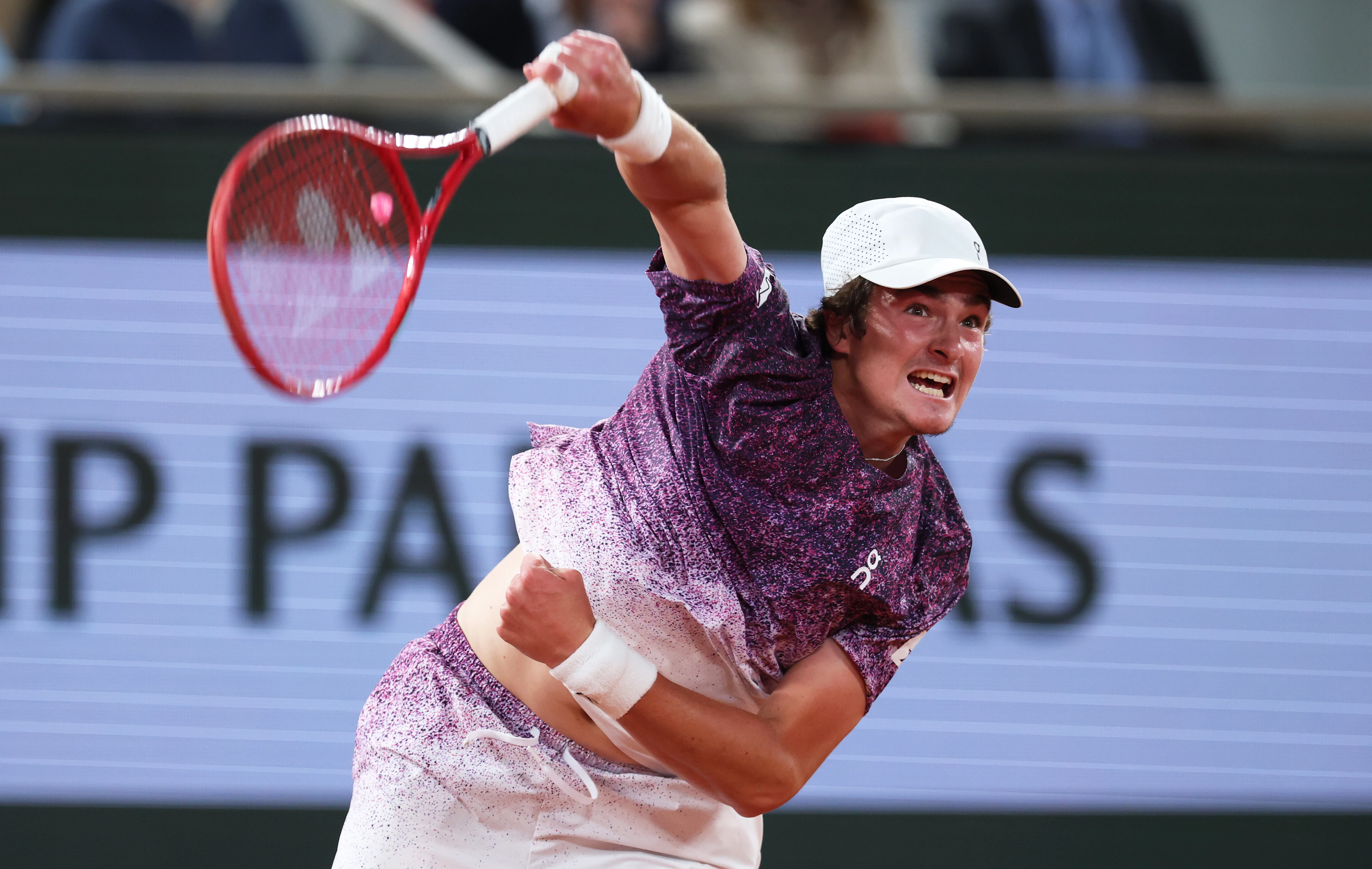 Joan Fonseca
The support of the fans played a big role here. The signature chant of “João Fon-se-ca!” in the rhythm of the drum battle thundered without ceasing. The Brazilians did not fall silent even during the protracted rallies, which is why the judges on the tower had to constantly call the stands to order. The presence of Gustavo “Gugi” Kuerten in the stands, a three-time Roland-Garros champion and the main icon of Brazilian tennis, added special symbolism to this fan frenzy. Seeing their idol on the big screen, the Brazilian stands exploded with new force, giving two generations of their tennis stars a standing ovation.
Maya the Bee
Polish tennis player Maja Chwalinska became the heroine of one of the most amazing fairy tales of the tournament and one of the main sensations of Roland-Garros 2026. Arriving in Paris as the 114th racket of the world, she qualified and sensationally made her way to the final of the women's tournament. The nickname “Maja the Bee” was attached to her not only because of the obvious coincidence with the name of the famous animated heroine, but also due to her playing style and life story. In modern women's tennis, dominated by tall athletes with powerful strokes and aggressive play on the back line, Chwalinska stands out noticeably. She frankly says that she cannot compete with her rivals in the power of strokes, so she is forced to win with cunning. As befits a true bee, her rise in 2026 is the result of titanic work.
On her way to the Roland-Garros final, she won 9 matches in a row (including qualifying), dropping only one set. Off the court, the story of “Maya the Bee” is even more inspiring. In 2021, due to psychological pressure, injuries and exhaustion, she was forced to suspend her career, publicly admitting that she was struggling with severe depression. Tennis had become emotionally toxic for her, and her self-worth depended entirely on the numbers on the scoreboard. She went through a long rehabilitation process, completely rebuilt her attitude towards life and sport, and returned to prove that tennis can be played with a smile and pleasure.