

Plants, both for medicinal purposes and for making aromatic tea, can be harvested from spring to late fall. However, certain plants are best harvested in spring, when they contain more nutrients. Traditionally, spring harvesting involves the buds and bark of trees and shrubs, young leaves and first blossoms, and, for some plants, even the roots.
This article provides recommendations for harvesting medicinal plants in May in central Russia. Personally, I've been harvesting them during this period in the Moscow region for several years now. Other regions may have slightly different harvest times, but it's easy to navigate if you know the basic rules for harvesting medicinal plants.
Buds are collected only before they open, when they are still swollen. In May, the time for collecting birch buds has passed, but unopened buds can still be found in forest ravines where the snow melts late. However, this is the perfect time to collect spruce, cedar, and pine buds. Coniferous buds are used to prepare medicinal remedies (infusions and decoctions) for urolithiasis, pulmonary and acute respiratory infections, sore throats, and more. In folk medicine, they have long been used as an effective expectorant for chronic bronchitis, as well as for gargles and compresses.
Spring is the best time to collect bark, which is cut during the period of active sap flow. In temperate climates, oak, viburnum, and brittle buckthorn (alder) are most often harvested. The bark is cut from branches or thin young trunks. Infusions and decoctions of oak bark are used as an astringent, anti-inflammatory, and antimicrobial agent for gastrointestinal ailments, inflammation of the mucous membranes, spleen and liver diseases, skin conditions, eczema and frostbite, and gynecological diseases. In the past, oak bark infusions were taken to treat mushroom and various poisonous plant poisoning.
Viburnum bark is used to make preparations that act as hemostatic, astringent, sedative, mild diuretic, and hypnotic agents. They are also used for hemorrhoids and gynecological conditions. Freshly dried buckthorn bark is used sparingly in the treatment of skin conditions. The bark contains toxic substances that oxidize after about a year of storage or when heated for at least an hour at approximately 100 degrees Celsius. In the second year, buckthorn bark is used to prepare a laxative for constipation, as well as to treat wounds, eczema, ulcers, and boils.
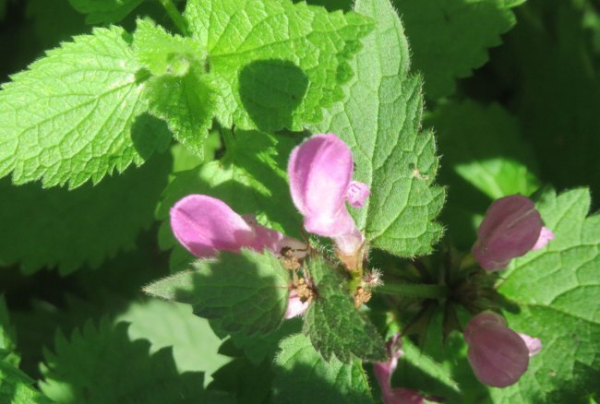
In May, the leaves of individual plants are harvested, usually before flowering. In the temperate zone, young leaves of birch, currant, marsh rosemary, nettle, European asarum, lingonberry, and primrose are harvested during this period.
Birch leaves are used to prepare infusions, tinctures and decoctions, which are used as a diuretic, choleretic and expectorant, for diseases of the kidneys, bladder, gastrointestinal tract, for vitamin deficiency, atherosclerosis, gout, climacteric neuroses, for removing toxins and various harmful substances from the body.
Blackcurrant leaves are traditionally used to brew aromatic tea. Decoctions and infusions are also used as a mild laxative and diaphoretic, for skin conditions and metabolic disorders, and to remove excess purine and uric acids from the body.
Marsh wild rosemary should be handled with caution, as the plant is poisonous. However, in folk medicine, it is used to prepare cough suppressants, expectorants, diuretics, disinfectants, and antibacterial agents. Caution is also advised when using wild rosemary leaves, which can cause severe vomiting. In villages, it was traditionally used to treat alcoholism. It is also used to treat cardiovascular, gastrointestinal, liver, and bladder conditions, as well as bronchitis. It is also used as an anti-inflammatory and sedative.
Nettle has already been mentioned many times.