

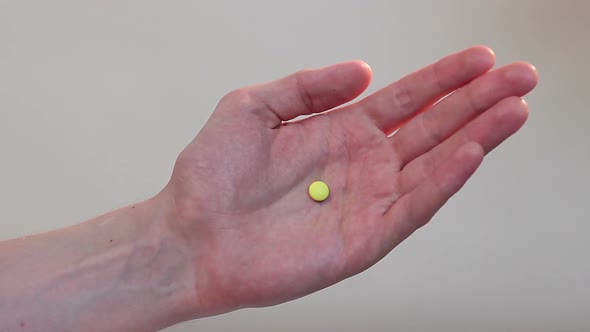
Happiness is too subtle and fickle a feeling to fit into a capsule. Everyone seeks it in their own way: in closeness, in activities, in the quiet joys that make the day lively. But sometimes the zest for life disappears—as if someone turned down the volume on the world. Colors fade, sounds become empty, all good things fall away. What to do?
It's not laziness or weakness of character, but a malfunction in the brain—depression, a mood disorder. Then pills are needed. Pharmacology works differently. Medications don't create happiness. They only restore the ability to feel it, should it arise.
Antidepressants, mood stabilizers, and anxiolytics are not joy generators. Their purpose is different: to regulate the functioning of neurotransmitters (serotonin, dopamine, norepinephrine) so that the brain can respond to life again.
What they actually do:
- They reduce pathological anxiety when a person cannot sleep or constantly replays “bad” thoughts.
- They soften the feeling of hopelessness, removing that very “stone on the soul.”
- They restore energy for basic activities: getting out of bed, preparing food, going outside.
- They stabilize the background noise to prevent mood swings. It's like tuning a piano: medications don't create the music, but they allow the instrument to sound properly again.
What they don't do:
- They don’t give happiness “from above”.
- They do not solve life's problems – loneliness, conflict, poverty.
- They do not change a person's personality.
Therefore, the expectation that life will “shine” after the first pill is doomed to disappointment.
Many people are afraid of antidepressants because of stories about “zombies” or “addiction.”
In reality:
- They are not addictive in the traditional sense (like drugs). There is a withdrawal syndrome, but it's manageable.
- Emotions don't disappear; they become accessible. Sometimes the excessive “sharpness” disappears, but with it comes the ability to enjoy the simple.
- Side effects are possible, but they are usually temporary: drowsiness, changes in appetite.
Proper selection is key. It's often joked ironically, “Life is good when the antidepressants are chosen correctly.” And there's truth to that. Every body reacts differently. One medication works for one person, another for another. The process isn't instantaneous; sometimes finding the right one can take months. Trusting your doctor and being patient are key.
Psychotherapy is nearby . Medications restore a zest for life, but you have to learn to “eat” this life yourself. This is where psychotherapy comes in. It helps restructure your thinking, find support, and change habitual reactions. And only through the combination of medications and meaningful self-improvement does the chance arise of not just surviving, but truly living.
People love to joke: “Happiness is a well-chosen antidepressant.” The joke betrays a weariness with talk of willpower. In reality, the phrase underscores an important point: depression isn't a weakness, but a biochemical process that can and should be treated. Antidepressants won't teach you joy, they won't teach you how to solve problems, and they won't turn life into a celebration.
But they can restore a person’s ability to feel a taste for life:
- laughter will no longer sound false;
- food will taste good again;
- books will become interesting;
- and the future will seem less scary.
Not a miracle or magic, but a tool. Like glasses for the nearsighted or insulin for a diabetic. With their help, what would otherwise be impossible becomes possible.
Happiness still springs from simple things. But to notice them, you must first emerge from the darkness.