

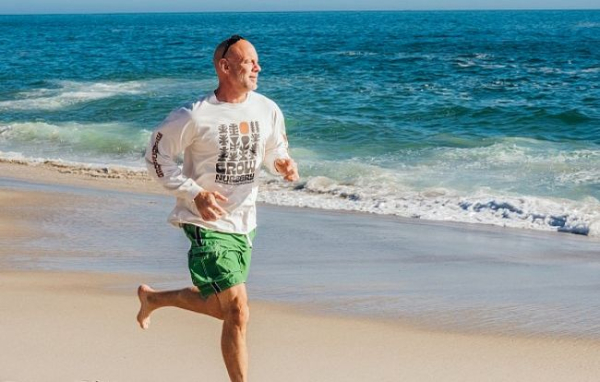
There's a common misconception that running is a sport for the young, and that those who haven't done it in their 20s and 30s shouldn't even start. In fact, you can start running at any age. But to benefit your health rather than harm it, you need to follow a few simple guidelines.
Consult your doctor. After 40, many people have chronic illnesses that impact their physical activity. Make sure running isn't contraindicated for you, and ask about any restrictions on the type and duration of exercise.
Don't try to set records during your first few workouts. Based on your physical condition, gradually increase the intensity. For example, you could start with 15-20 minutes of jogging and then adjust your training accordingly. Track your progress and keep a training diary. Increase your distance or running time by no more than 10% per week.
Recover well. Monitor your body's condition after training, set aside at least two days a week for rest, and avoid exercising if the activity causes pain.
Combine physical activity. Alternating running with strength training, stretching, and flexibility exercises will greatly enhance your health benefits. This will not only increase your endurance but also slow down or temporarily halt age-related muscle loss.
If possible, use cycling and swimming as alternatives to running. The more varied the exercise, the better.
After a run, you can stretch—your muscles and ligaments will be warmed up, making the exercises much more effective than under normal conditions. Don't forget to cool down—don't stop right away; it's better to walk briskly for a few minutes and do some stretching exercises to gradually ease off the intensity.
Watch your diet; combined with physical activity, this produces excellent results, helping you lose weight and improve your overall health. Watch videos from professional trainers to learn running technique. And remember, there's no one-size-fits-all solution.
Adapt the technique to your build and physical characteristics—you should feel comfortable, that's the main rule.
Pay attention to your equipment selection. Footwear is especially important! It's best to buy special running shoes that fit you perfectly. They not only make running more comfortable but also reduce the strain on your joints, which is crucial.
Remember, you can start running at any age; the key is to approach training responsibly and not overexert yourself. Progress will follow, and consistency is more important than distance or running time.