

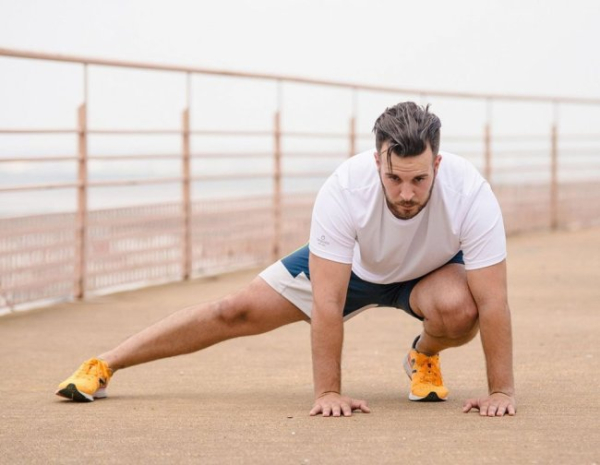
The most effective way to lose weight is to exercise regularly. Regular and consistent exercise is key; intense workouts 2-3 times a month won't do any good, only harm. To lose weight, you need to exercise 2-3-4 times a week for 60-40-30 minutes, respectively.
Join a sports club (bodybuilding, gym, swimming, cycling, running—whatever you prefer). Working out under the guidance of an experienced trainer, you'll noticeably lose weight in a couple of months, shed excess pounds, strengthen your muscles, and feel much better. Remember: to achieve results, it's important to keep up with your workouts.
If you can't sign up for a class, don't despair – you can achieve excellent results by training on your own. Numerous weight-loss exercise routines have been developed, designed for those who haven't worked out in a while, those who are already fit, and those who are short on time. But first, here are the basic rules to follow during training (we're not talking about professional athletes here – they train according to completely different rules).
When to study?
If you're a morning person, the best time to workout is in the morning, between breakfast and lunch; for a night owl, it's in the late afternoon, between lunch and dinner. You should start your workout at least two hours after eating and finish at least an hour before your next meal. If you can only work out in the evening, after work, you can do the following: have a light snack (light, easily digestible food, nothing fatty, meaty, etc.) an hour to an hour before your workout; have a light dinner 30 minutes to an hour after your workout. Finish your late workout at least two, preferably three, hours before bedtime.
How long should I study?
Beginners can limit themselves to two 30-minute workouts per week. There's no point in doing less—you won't lose weight or build muscle. After a while, add a third workout per week, then gradually increase the duration, bringing it up to 40-50 minutes, or even up to an hour. Then, you can add a fourth workout per week. The time between workouts should be roughly equal (for example, Monday-Thursday or Wednesday-Sunday for two workouts per week, Tuesday-Thursday-Saturday for three workouts). Working out two days in a row and then taking five days off will yield little benefit.
How to do it?
Every workout should begin with a 7-10-minute warm-up, during which the muscles, heart, and lungs are “worked in,” preparing for serious exertion. Then comes the main part, during which the muscles really develop and fat is burned. The workout should end with stretching exercises for at least 5 minutes.
Determine your personal fat-burning heart rate using the formula: 220 minus your age, multiplied by 0.7 (upper limit); 220 minus your age, multiplied by 0.6 (lower limit). Conduct the bulk of your workout with your heart rate within these limits – this will ensure effective weight loss and prevent overtraining.
Alternate strength training with endurance training (brisk walking, running, cycling, skiing). If your primary goal is weight loss, the ratio of endurance to strength training should be 2:1 or even 3:1. Two or three aerobic endurance workouts should be done, followed by one strength workout. If your primary goal is to strengthen your muscles, develop a beautiful figure, and improve your posture, the ratio should be the opposite. A 1:1 ratio will yield the most balanced results—both weight loss and beautiful muscles.
Regular massage sessions can help improve the effectiveness of your workouts and relieve fatigue afterward. Set realistic goals, don't overexert yourself, don't try to outperform more trained athletes, but enjoy your workouts—and the results will come: you'll lose weight and improve your health.