

In ancient times, it was believed that “a beloved body should be large.” Poets and artists celebrated plus-size people, as plus-size women acquired the status of beauties, and men – strong and brave warriors. Nowadays, notions of beauty have changed radically. A body covered in fat is considered unkempt, and most importantly, everyone understands that excess weight leads to serious health problems.
Excess weight is a metabolic disorder that triggers diseases that become chronic with age. People who are obese are often at risk of developing diabetes, heart disease, and gastrointestinal problems. Doctors note that in most cases, obesity is genetically determined: if your parents were overweight, you should take care of your own body image from a young age.
People often experience rapid weight gain due to adrenal disease and endocrine system disorders. Obesity can also sometimes arise as a complication following severe influenza, stress, or malignant tumors. Excess weight can be a threat to women during menstrual or hormonal cycle irregularities, and to both sexes during age-related changes.
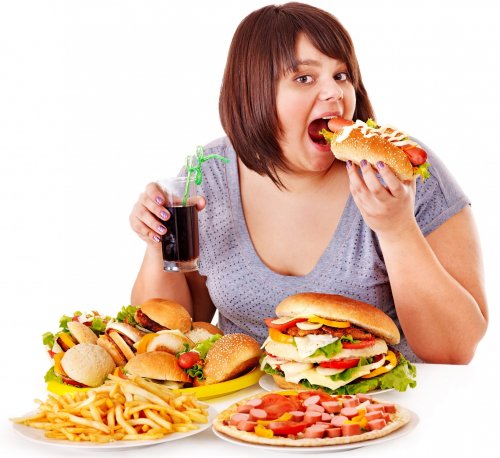
In the United States, 50% of the population suffers from dietary obesity, a result of consuming large quantities of high-calorie foods. Americans have fast food, which they're reluctant to give up, to thank for their ruined figures. Our compatriots don't often visit McDonald's or pizza places, but our traditional cuisine isn't conducive to a slim figure either.
Pork entrees, cutlets, dumplings with sour cream, and other high-calorie dishes that abound in our daily diets are actually not good for anyone. Furthermore, the need to save money forces us to overindulge in pasta and potatoes, which also add extra pounds. Those who enjoy spicy foods, ketchup, mayonnaise, and animal fats (cheese, sour cream, balyk, lard) are at risk of developing this unpleasant disease. Carbonated drinks, beer, ice cream, and various Snickers bars are considered real carbohydrate bombs.
Interestingly, men and women gain weight differently. Male obesity is called “apple-shaped” because most of the fat is deposited in the abdomen (mirror obesity). Women's figures are more pear-shaped, as excess weight accumulates on the hips.
It's important to remember that obesity is a disease, so it's important to see a doctor promptly. If excess weight is caused by other conditions, addressing the underlying cause is sufficient. In all other cases, proper nutrition and a healthy lifestyle are essential. Endocrinologists note that diets don't require starvation or abstaining from familiar foods. A person should eat what they want, and the key is to eat little and often.
Most calories should be consumed in the first half of the day, so don't skip a nutritious breakfast. At lunch, reduce your portion size. Dinner is best eaten before 6 p.m. If you have to eat later, focus on vegetables, protein, and plant-based foods. Ideally, eat five small meals a day instead of three.
A sedentary lifestyle plays a significant role in the obesity problem. It's beneficial to move more: walk, avoid elevators… And for those who work in an office, doctors recommend taking a five-minute break every hour to stretch.
But don't get carried away; remember to lose weight “sensibly”—no more than 1-2 kg per month. Drastic weight loss won't produce the desired results, as fat cells begin to starve and, like a sponge, absorb nutrients. Once your weight returns to normal, don't relax—for those prone to obesity, dieting should become a lifestyle.
Obesity often develops in childhood. Babies born weighing over 4 kg (9 lbs) are immediately registered. An overweight child is at risk of developing diabetes. Pediatricians say a baby can be chubby until they start walking. After that, don't be too happy about chubby cheeks.
From the first months of a baby's life, parents should strictly adhere to a feeding schedule: avoid overfeeding the baby with breast milk or formula, or overindulging in other high-calorie foods. Even a small child who is overweight should be placed on a diet: instead of bread and dairy products, feed them more soups, vegetables, and fruits. Candies, cakes, and other sweets should be eliminated from the child's diet altogether.
A baby's health depends on the family's eating habits. The whole family should transition to healthy, low-calorie foods.