

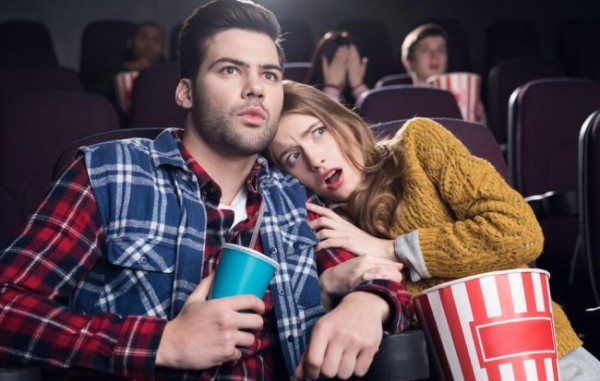
Literally from the moment they hit cinema screens, horror films immediately captured the hearts of audiences. Even those who claimed they didn't enjoy trembling in fear while staring at the white screen of a television screen actually had no idea: many of the films they adored were, in fact, “horror films.”
However, the pleasure derived from a “negative” emotion caused those same human nature researchers to shrug their shoulders in confusion. The fact defied common sense.
However, more detailed subsequent experiments on the influence of films on people only confirmed the opinion of the majority of experts: being afraid is not only pleasant, but also useful.
It's no secret: “Horror rooms” have always been popular. The advent of electroencephalography has made it possible to study how brain activity changes after visiting them.
It turned out:
- anxiety level – decreased;
- fatigue – almost disappeared;
- mood – improved significantly.
Moreover, the more frightened you are while riding the ride, the more wonderful you feel after emerging from the “dark tent” back into the bright light of day.
Overall, the devices found that brain activity decreases under the influence of fear and the brain calms down.
The results of the experiments allowed the scientists to draw unexpected and far-reaching conclusions: the effect of fear is very similar to that of various types of meditation.
So, is a visitor, wildly laughing and squealing with emotion, undergoing a thrilling quest in a real-life setting, actually engaged in the same process as a Hindu, sitting with a somber face in the lotus position? Science says yes. Both extreme sports enthusiasts are exploring their inner worlds. It's just that the former chose a path where the adrenaline levels in their bloodstream rise and the risk of ending up in a hospital bed is significantly higher than for the more sensible fellow, who chose to navigate the “silence, absolute emptiness, and solitude” of yoga.
Psychologists most likely suspect that the strange fascination with scary movies, reading gothic fiction, and riding terrifying roller coasters stems from the impossibility of completely fooling the brain of someone wandering through a haunted labyrinth. Visitors to the “nightmare fairground” ultimately realize that horror films are merely an illusion and pose no real threat to their life or health. It is precisely this fact, apparently, that lends the charm of the “scare” experience to both the organizers and consumers of the “virtual product.”
Moreover, experts believe that sharing emotions significantly strengthens social bonds. This means that a Sunday trip to see a horror movie or a ride-share experience in a Japanese technological marvel strengthens family ties, makes family ties closer, and relationships between “people with the same last name” become warmer.
It's likely that rationally thinking business leaders wouldn't shy away from holding similar events in their companies—to improve the team climate and bring employees together, since nothing unites people like a shared experience of horror.
Of course, before taking the “nightmare pill,” you should visit your therapist: get examined and get the go-ahead for an adrenaline rush. To prevent a sudden, even planned, scare from resulting in a sharp deterioration in your health. And only then…
Be afraid to your heart's content!