

On February 12, Wuthering Heights will be released in Ukrainian cinemas, arguably the most anticipated film of the year. It is undoubtedly a bold and modern reimagining of one of the most famous love stories in literary history, starring Margot Robbie and Jacob Elordi.
British Vogue film reviewer Radhika Seth was one of the first to watch Wuthering Heights and tells us why this crazy and beautiful film is worth watching.
For the past year and a half, the world has been literally holding its breath, discussing and arguing about director Emerald Fennell's Wuthering Heights. And now, after an endless marathon of premieres, interviews, and “method dressing” by actors Margot Robbie and Jacob Elordi, the film is finally being released. After all this hype, the logical question arises: can it live up to the hype? And the best part is, yes, it can. No matter how you feel about this big, bold, and controversial melodramatic film, it is at least as ambitious as its advertising campaign.
The film opens with rapid breathing, which sounds almost obscene, but in reality it is suffocation. Young Katie Earnshaw (Charlotte Mellington) and her slightly older housekeeper, Nellie (Vi Nguyen), watch a public execution: a man gasps for air. A mocking crowd surrounds him, screaming. It all feels more like a twisted fairy tale than a historical drama. It was this scene that shocked the audience during test screenings and becomes a kind of litmus test: if you get it, you will find a lot of pleasure ahead; if not, the next two hours may seem like a test.
Fans of Emily Bronte's Wuthering Heights should leave their expectations at the door. This is a very loose interpretation of the classic: the structure has been changed, important characters have disappeared or been transformed, and the author is quite bold with the central relationship between Katie and Heathcliff. Fennell doesn't hide it – she says that she made the film based on her memories of teenage reading rather than the text of the novel. But if you accept these rules of the game – you are in for a fascinating journey.
After a dizzying introduction, Katie and Nellie run home past a bloody river to their gloomy, almost otherworldly estate. There, Heathcliff (Owen Cooper) appears – a boy whom Katie's father brings into the house. He quickly drives a wedge between the girls: Katie is fascinated by her new friend. They grow up together, almost like brother and sister, and then suddenly turn into Margot Robbie and Jacob Elordi.
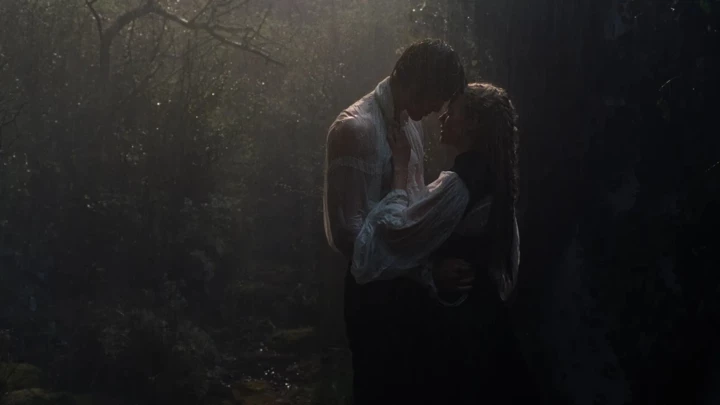
The situation is complicated by the arrival of wealthy neighbors – Edgar Linton (Shazad Latif) and Isabella (Alison Oliver). Blinded by their brilliance, Katie enters their world, only to return with new manners and pretensions that irritate Heathcliff. There is a primal, almost spontaneous connection between them, but at the same time Katie understands that in order to secure her future, she will have to make a different choice.
Then comes separation, Heathcliff's return, already wealthy, and a new outburst of feelings, which ultimately leads both to self-destruction.
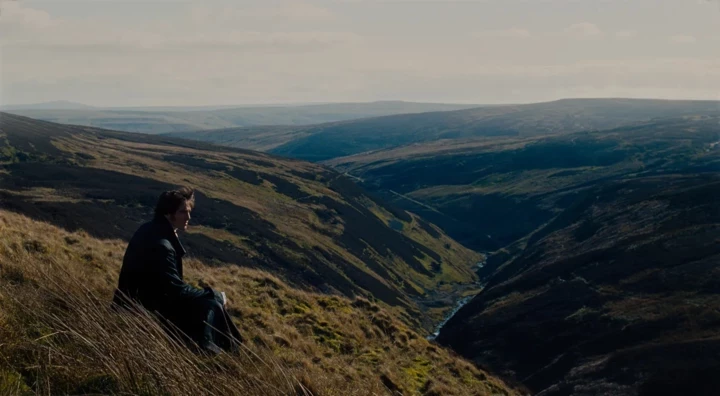
The first hour and a half of the film teeters on a tonal edge: at times painfully funny, at times an almost pantomime spectacle of grotesqueness. Robbie brilliantly plays the frivolous, vain, impulsive Katie without a shred of self-reflection. Elordi, despite the casting controversy, gives Heathcliff a quiet, vulnerable humanity.
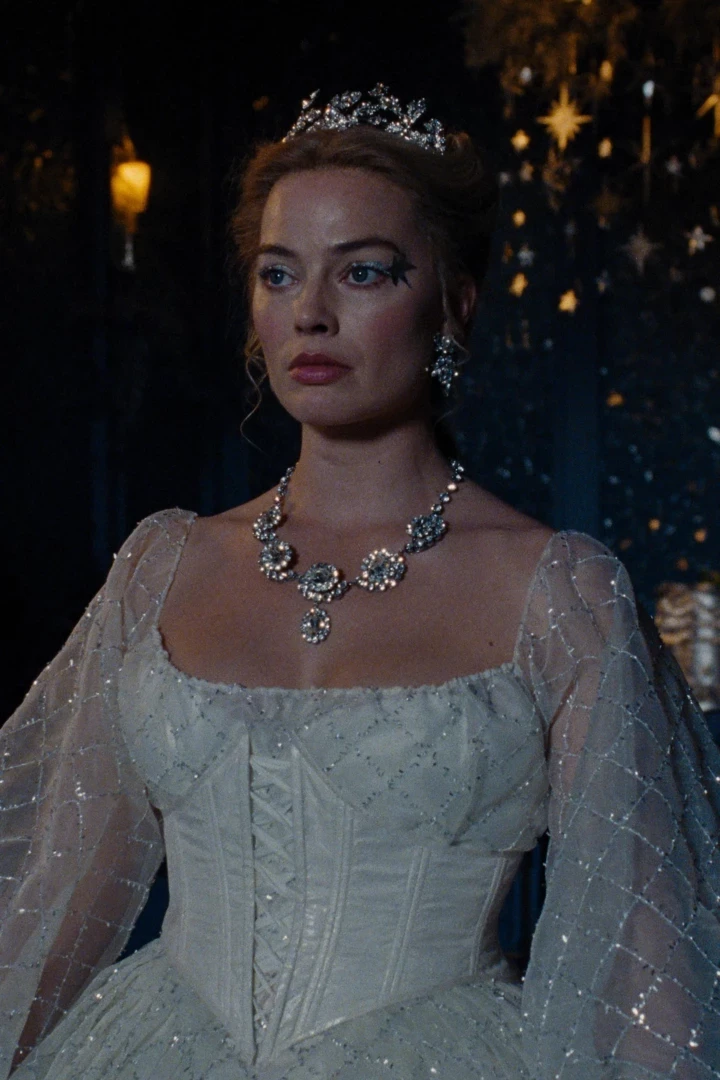
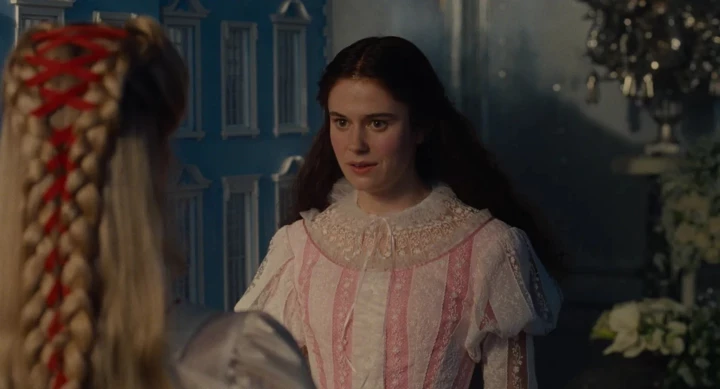
There are other bright roles: the grotesquely disgusting Mr. Earnshaw, the eccentric and touching Isabella. And the Thrushcross Grange estate is a real feast for the eyes: a luxurious, disturbing, almost surreal space, thought out down to the smallest detail.
Advertising.
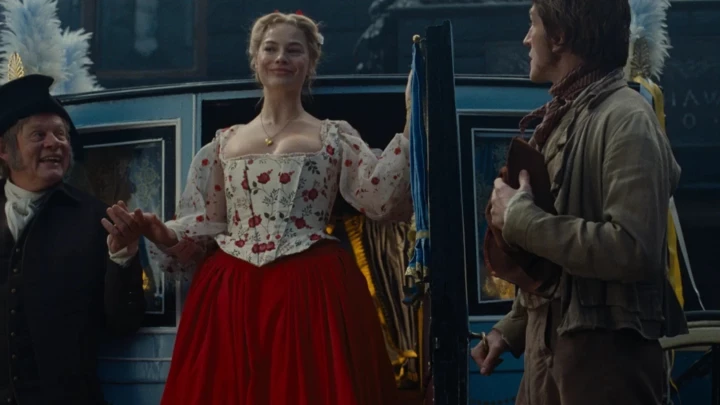
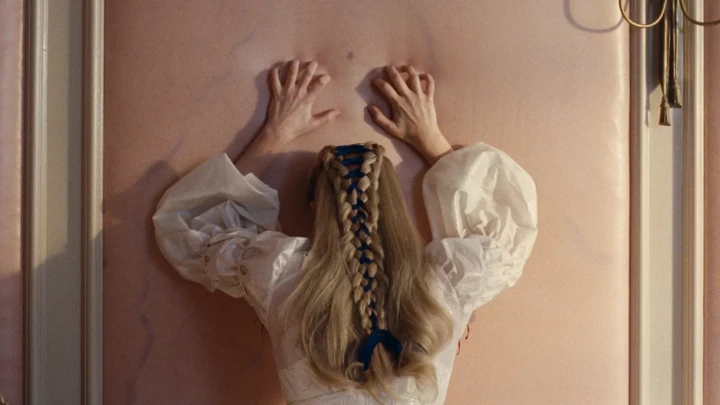
The costumes are another story: extravagant, bizarre, but extremely sophisticated. Add to this the luxurious cinematography, the jewelry, the makeup, the Charli XCX tracks, and the theatrical, almost artificial atmosphere of the sets, and you have a real visual firework. Somewhere in the middle, I was ready to call the film a masterpiece.
But the finale, unfortunately, does not quite hold the given height. After a long wait, the climax is perceived as somewhat more restrained than the tension of the previous scenes promises, and the intimate episodes are less provocative. The pace slows down, the grotesque gives way to tearful tragedy. For some, this will be an emotional boost, for others – a sign of stretching and a certain looseness of the rhythm.
In the end, “Wuthering Heights” is a controversial thing. A film that will provoke both a barrage of criticism and sincere admiration. At the same time, it is a movie that will remain in the memory for a long time – with its excess, audacity, scale and scope of fantasy. It is worth watching it on the biggest screen and in the company of friends – so that you can argue about what you saw for hours afterwards.