

While the world is discussing Ryan Murphy's series “American Love Story” about the romance between John F. Kennedy Jr. and Carolyn Bessette, the #booklover publishing house is publishing the book “DON'T ASK. The Kennedy Clan and the Women They Destroyed”, which became a New York Times bestseller in 2024 and stories from which are partially reflected in the series. We tell you the most interesting things about this high-profile book.
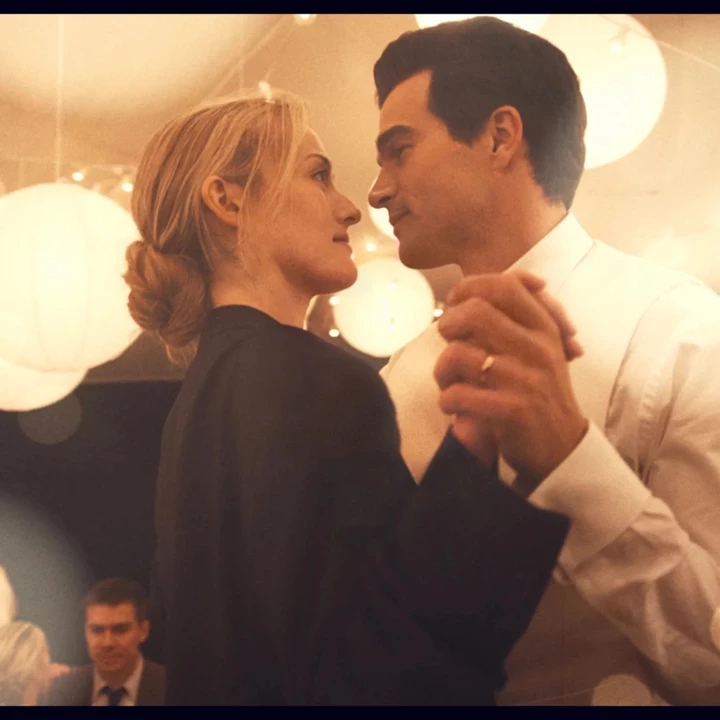
Kennedy, Monroe, Bessette: what hides behind the facade of the American dream?
Maureen Callaghan, an American journalist and author of several New York Times bestsellers, is known for her ability to shed light on the embarrassing secrets of the United States' past. Her book “Ask Not: The Kennedys and the Women They Destroyed”, which appeared on shelves in 2024, became a sensation and soon topped the ratings of the most popular publications. Previously, Callaghan conducted a fascinating investigation into serial killers (“American predator”), but now she directs her “sharp and energetic prose”, as the New York Times writes, to one of the most influential dynasties in the world, reviewing its legacy. The Ukrainian translation of the publication is being prepared by the publishing house #knygolav.
Advertising.
The author writes that there were many men among the Kennedys who could be called “predators” because of their actions towards women. However, for the general public, such accusations are still half-hidden behind the facade of the American dream, the embodiment of which is the legacy of President John F. Kennedy and the liberal “Camelot” – his administration.
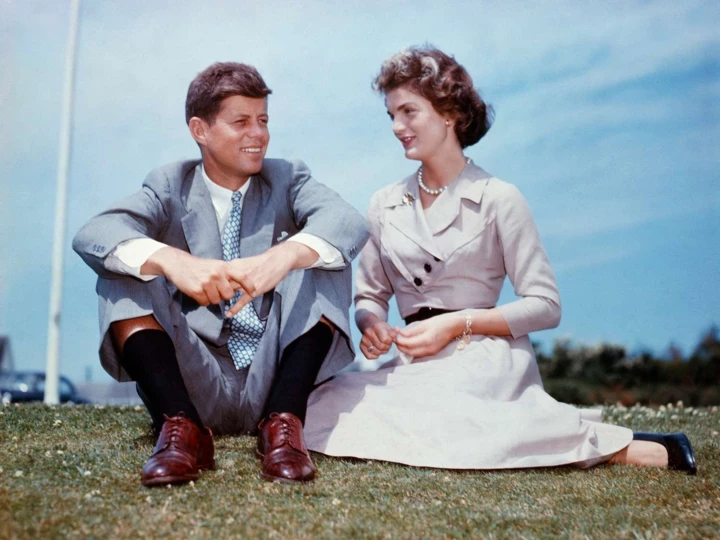
Callaghan's book is not only a skillfully written biography, but also an attempt to restore justice. The author shifts the focus from the political achievements of the Kennedy men to the fate of women sacrificed to the clan's ambitions. Among them are Jacqueline Kennedy, Marilyn Monroe, Carolyn Bessette and many others. “The story of how the Kennedy generation abused the women around them with impunity is a timely reminder of the dangers posed by damaged men who crave power,” The Guardian writes in its review.
Behind the walls of Camelot
Callaghan's sources reveal the gap between the Kennedys' public image and their secret lives. She emphasizes that the American nation has long admired progressive “martyr heroes,” ignoring the “predatory” tendencies of John, his brothers, and his descendants. While the press was reproducing pictures of the ideal presidential couple of the president and Jacqueline, parties with Monroe, or the star couple of John Jr. and Carolyn Bessette, a tragedy was unfolding behind closed doors that could destroy more than one life.
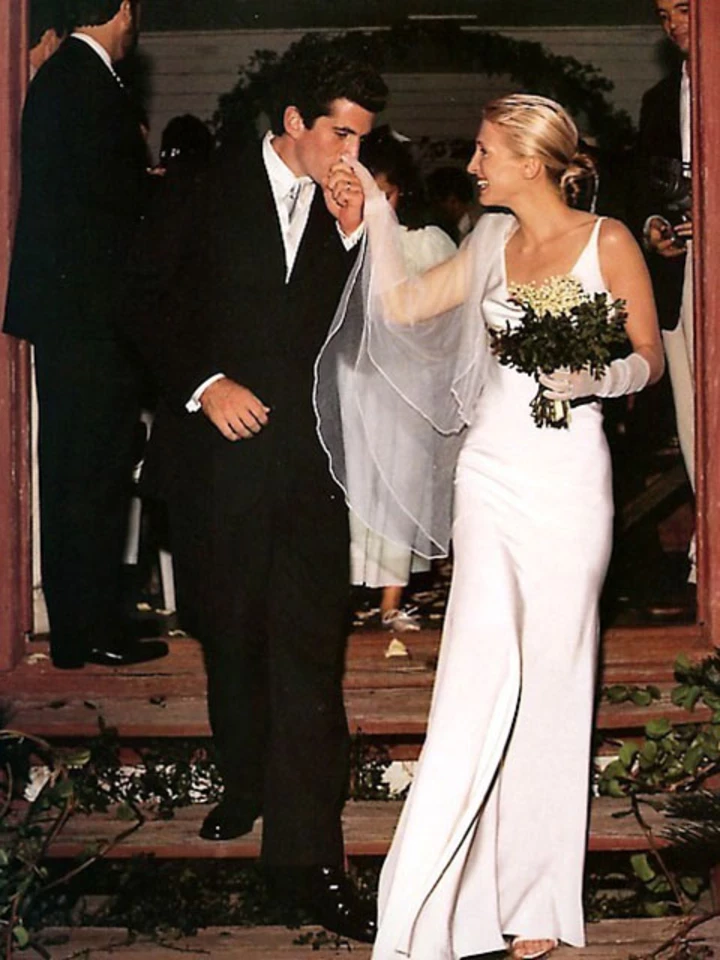
Thus, the author describes the relationship between the thirty-fifth president and Marilyn Monroe as full of tension and psychological pressure. Despite this, the image of the “Kennedy seducer” who managed to attract the attention of the leading actress of the time was entrenched in popular culture for many years.
In the book, the author also touches on the relationship between Carolyn Bessett and John Jr., to which Ryan Murphy's series is dedicated. “American Love Story” depicts not only the passionate development of feelings, but also how Carolyn and her entourage understand that her decision to be with Kennedy Jr. leads to radical changes in her life, because the woman is no longer her own. Meanwhile, in the book, Mulligan writes that the relationship between Carolyn Bessett and John Jr. cannot be considered comfortable either, primarily due to the pressure of journalists and public opinion about what a “Kennedy companion” should be like. It is also worth paying attention to their tragic ending – Carolyn Bessett and her husband died in a plane crash, when John Jr. himself was at the controls, who was often attributed to careless and risky behavior.
The enduring legend of Kennedy
In the book, Callaghan emphasizes that, thanks to the skillful construction of public perception, violence, betrayal, and even death were perceived as a kind of “curse” that haunted the liberal and “virtuous” Kennedys.
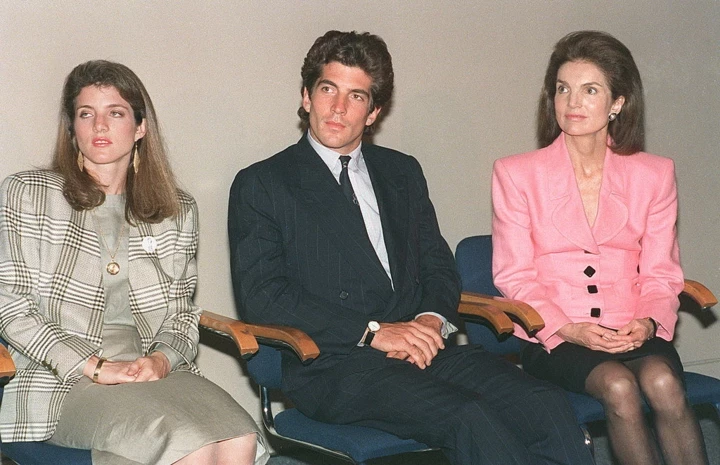
“A carefully constructed facade” is what Callaghan calls the public image that has been maintained for years by the efforts of the media and political elites who felt a keen sentimental attachment to John's legacy. The romanticized myth of “Camelot” and “innocent America” created immunity to the truth, and the tragedies of the Kennedy women were systematically turned into reality shows.

Callaghan's book received rave reviews from critics, who called it “a timely reminder of the dangers of power” and the main must-read of the year. Hidden within its pages are darker stories – about the cruel Joseph Kennedy, whose own daughter became a victim, about the suicide of the wife of the current US Secretary of Health, Robert Kennedy Jr. In this way, the author first of all gives them back their voices, returns subjectivity to women, whom history is used to seeing as “appendages” to political greatness.