

Taras Hryhorovych Shevchenko is an outstanding Ukrainian poet, prose writer, playwright, artist, political and public figure. He was a man of universal talents and interests, he brilliantly operated with words and a brush. His poetic lines are forever engraved in the hearts of Ukrainians. But do we know much about Shevchenko the artist? He was one of the founders of critical realism and the first outstanding master of etching in domestic art. He perfectly mastered all the means of graphic representation known at that time.
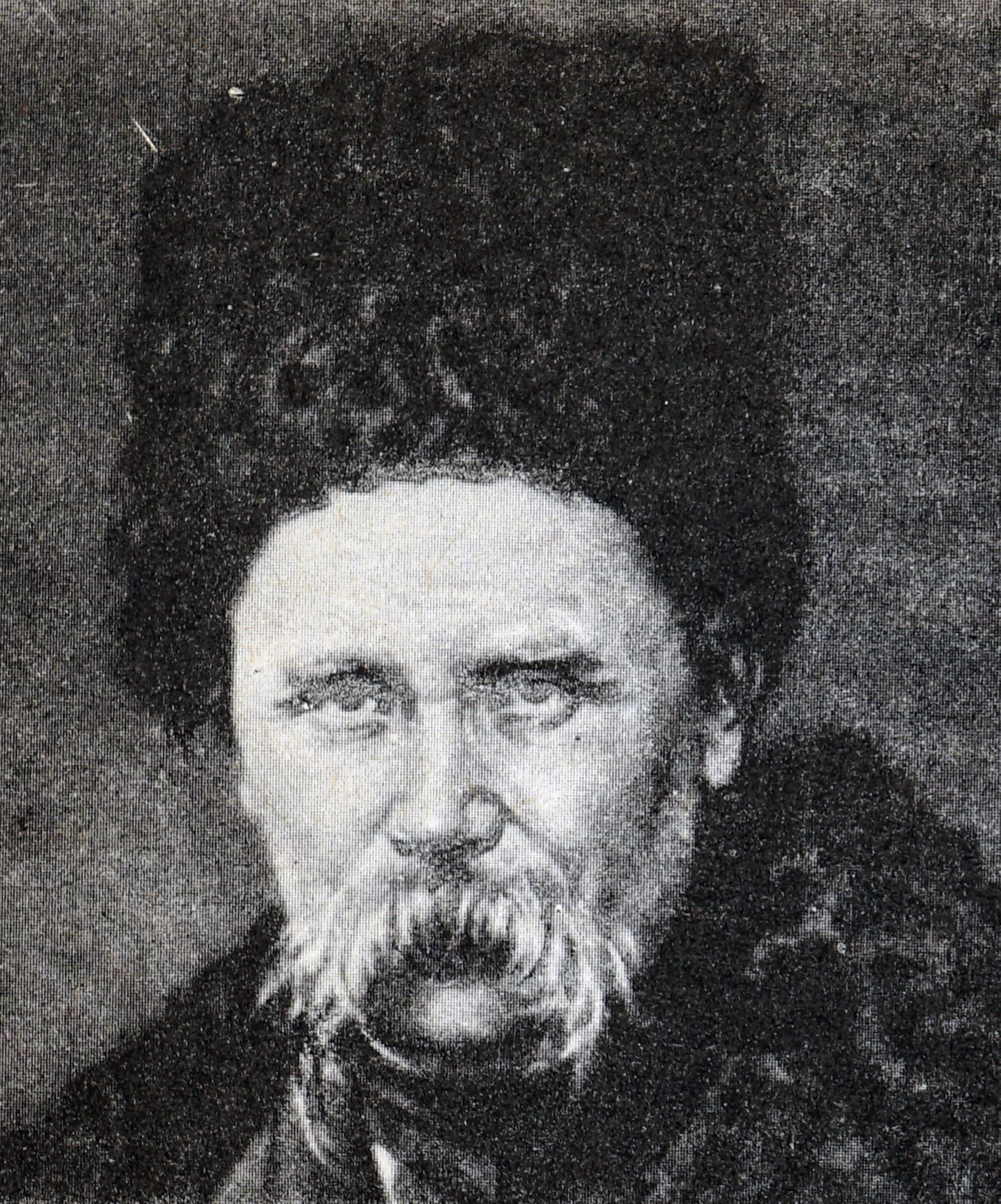 Taras Hryhorovych Shevchenko
Advertising.
EARLY PERIOD
Gifted by nature, Taras fell in love with drawing early. From an early age, chalk and charcoal were a great joy for the boy. He used them to draw walls, benches in the house and outside, at home and on vacation… He depicted birds, animals, and people. The talent of the artist manifested itself in Shevchenko much earlier than the talent of the poet. If the first literary attempts date back to 1836–1837, then the earliest drawing that has come down to us is “The Bust of a Woman”, dated 1830. This youthful work marked the beginning of the outstanding artist's career. Taras began to master the tools of art from the village clerks.
At the age of 14, he was taken as a “Cossack” to the court of the wealthy landowner Pavel Engelhardt, with whom the boy moved first to Vilnius, and then to St. Petersburg. In 1832, the landowner gave Shevchenko “to study” with the respected artist Vasily Shiryayev. And in 1838, through the efforts of Karl Bryullov, Alexei Venetsianov, Mikhail Velhorsky, Yevgeny Grebinka, Vasily Zhukovsky, Ivan Soshenka and other figures, the talented Shevchenko was redeemed from serfdom.
STUDYING AT THE ACADEMY OF ARTS
The release from serfdom gave the young artist the right to enter the Academy of Arts. Taras moved from class to class among the best students and became one of Bryullov's most beloved students. In painting, he made increasingly noticeable progress, honing his skill and style. During his studies at the Academy of Arts, he was awarded three silver and then gold medals for drawings from nature and paintings. One of the awarded paintings – “The Beggar Boy Giving Bread to a Dog” (1840) – has not survived to this day. The fate of another awarded painting called “The Gypsy Fortune Teller” (1841) is also unknown. Only a watercolor drawing under this title has survived to this day.
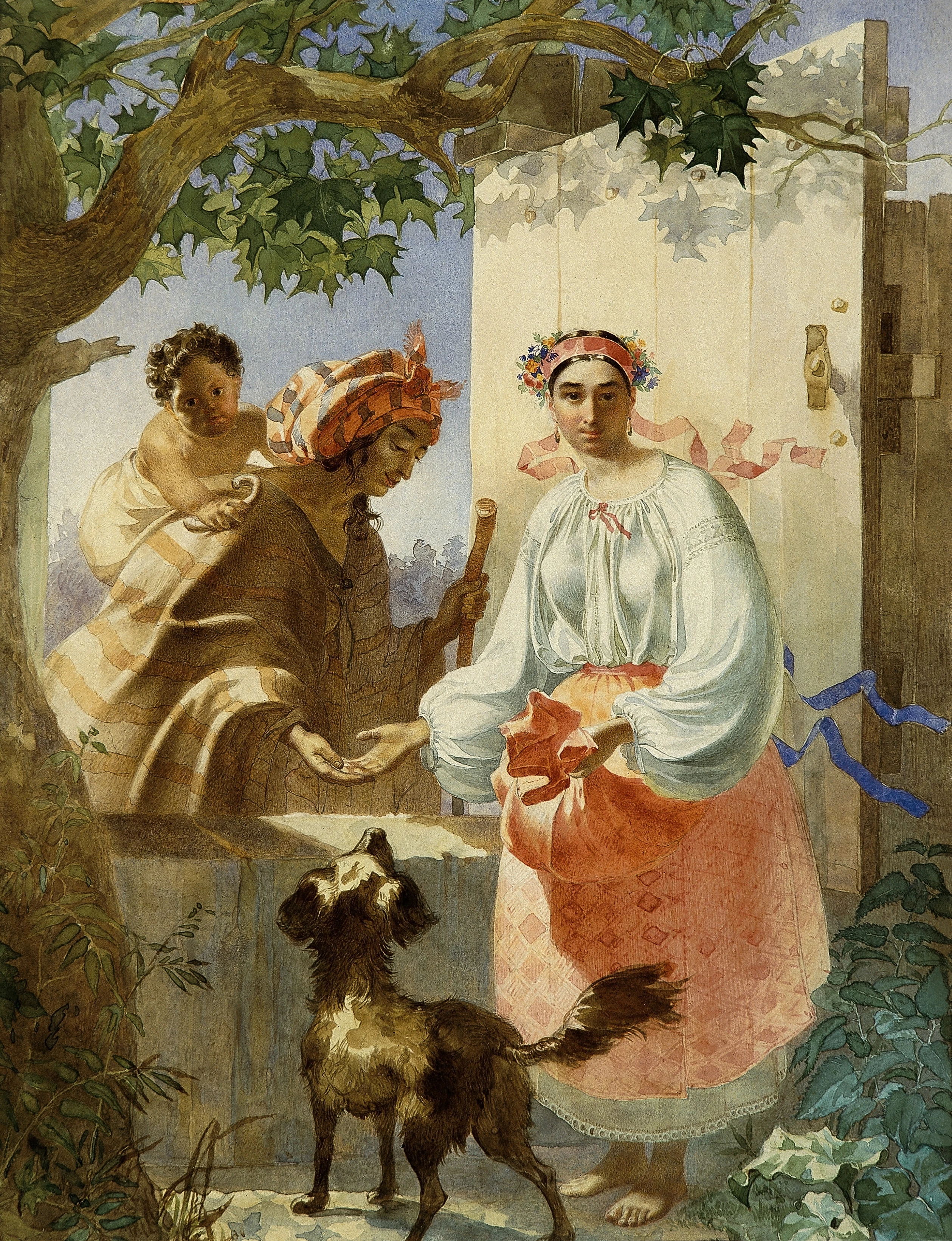 “Gypsy Fortune Teller”, 1841
Taras Shevchenko dreamed of visiting Italy to see the outstanding masterpieces of painting, sculpture, and architecture. But the Academy sent another student, and Shevchenko, of course, did not have his own funds for such a trip. His second cherished dream was to return to Ukraine forever.
“PICTURESQUE UKRAINE”
In 1843, Taras Grigorovich arrived in Ukraine. During his trip, his love for his native land prompted him to create a whole series called “Picturesque Ukraine” – an album of etchings depicting historical places, everyday life and the nature of the country. Etching is a type of engraving on metal that allows you to get prints from printing plates previously treated with acids. The artist planned to publish 12 prints, but due to lack of money he was unable to realize his plan. Returning to St. Petersburg, he completed his studies at the Academy of Arts and published at his own expense the dream album “Picturesque Ukraine”, which included six etchings. This album became the only artistic publication of Taras Shevchenko during his lifetime.
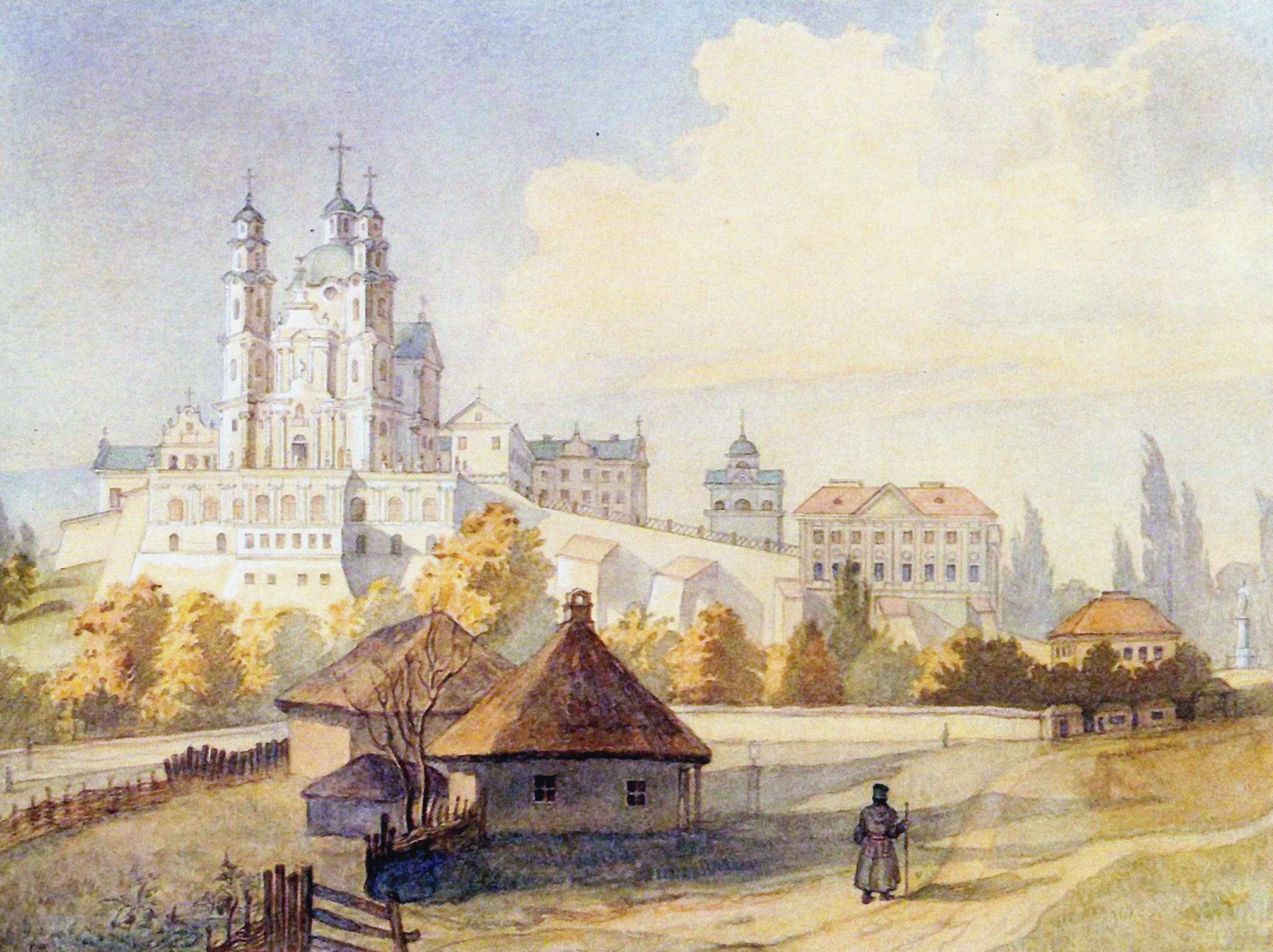 Pochaiv Lavra through the eyes of Taras Shevchenko
THE TALENT OF A PORTRAITIST
Portraits occupy a significant place in Shevchenko's work. He began working on them while still a serf. He continued his work in this field at the Academy. Soon he became one of the famous and popular portrait painters. The images he created are distinguished by their ease, naturalness, successful composition and freshness of colors, and an attempt to give a psychological characteristic to a person. The main attention is focused on the face and especially the eyes of the model.
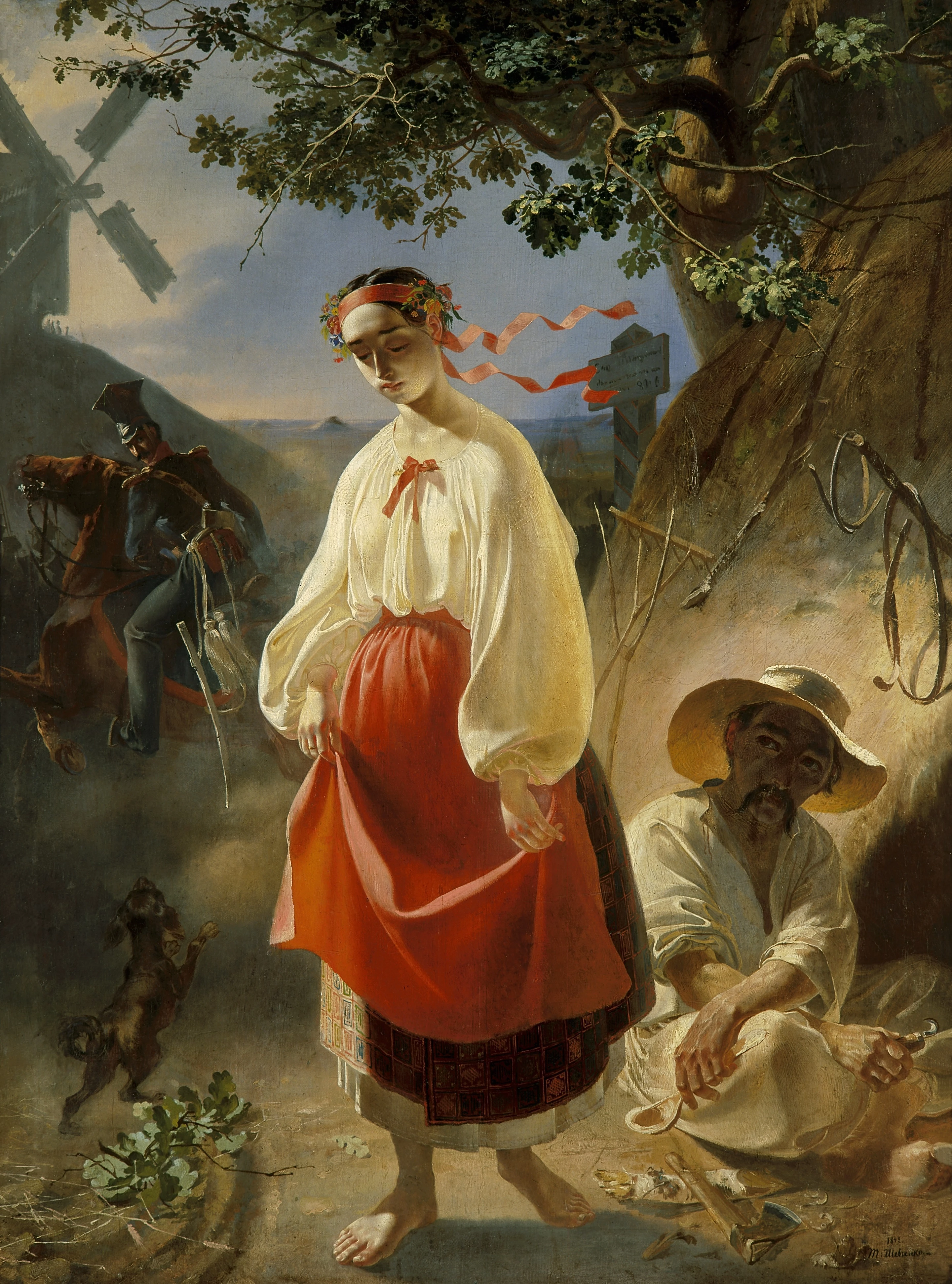 “Catherine”, 1842
Among the depicted are mostly people whom Kobzar knew personally. This explains the artist's sympathy and friendly attitude towards his characters. During his lifetime, Shevchenko created about 150 works in the portrait genre. The portraits of Majewska and Hanna Zakrevska (both – 1843) are interesting. They demonstrate the author's desire to convey the noble character traits and purity of a woman.
Portrait of Princess Keykuatova (1847) is considered by art historians to be the pinnacle of the artist's portrait painting, as he would stop working with oil paints due to exile. Shevchenko also loved to paint his own images – he created many self-portraits. The earliest of the currently known ones was created in 1840, when Taras was 26. And this is his first attempt to paint with oil paints.
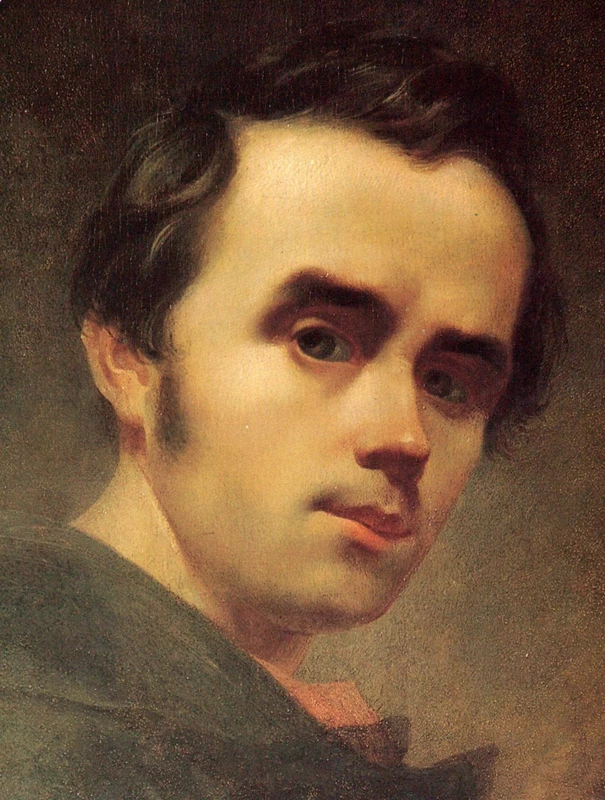 Portrait of Taras Shevchenko
THE LEGACY OF A GREAT ARTIST
Taras Shevchenko lived only 47 years, 25 of them in serfdom, 10 in prisons and exile. And the rest of his life he was constantly under the watchful eye of the gendarmes, struggling with poverty. However, he managed to leave behind a significant creative legacy.
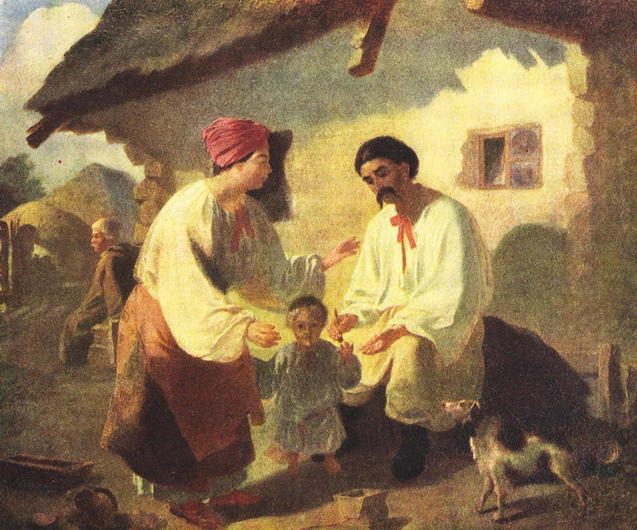 “Peasant Family”, 1843
To this day, 835 works by Taras Shevchenko have survived, and more than 278 have been lost and have not yet been found. The paintings and graphic works date from 1830–1861 and are geographically related to Ukraine, Kazakhstan, and Russia. By genre, they are portraits, compositional and mythological, historical and everyday themes, architectural landscapes, and views. They were executed in the technique of oil painting on canvas, as well as watercolor, sepia, ink, lead pencil, and etching on separate sheets of white, colored, and tinted paper of various sizes, as well as in five albums. Shevchenko's paintings are often compared to the works of Albrecht Dürer, Rembrandt, Orest Kiprensky, and Japanese engraving. Most of the paintings and drawings of the outstanding artist can be seen in the Taras Shevchenko National Museum.
Text: Oksana Bagriy