

 Share
Share
The 2026 Oscars will be held on March 15. The nominees, including many surprises, have already been announced. The favorites this year are the films “One Battle After Another” and “Sinners” – they won 13 and 16 nominations, respectively. The latter even got into the “Best Costumes” nomination, and who else will compete for the title of the most fashionable film of the year – we tell you further.
“Frankenstein”
For more than two decades, director Guillermo del Toro has been working on a film adaptation of Mary Shelley's iconic Gothic novel Frankenstein (1818), one of the most influential literary sources in the history of cinema. Del Toro freely adapts the original text, striving to create a dark tale with a deep moral undertone. And he entrusted the work on the costumes to the legendary Kate Gowley. Over the past 20 years, she has been involved in a number of high-profile projects, such as Guillermo del Toro's Pacific Rim and David Ayer's Suicide Squad.
Advertising.
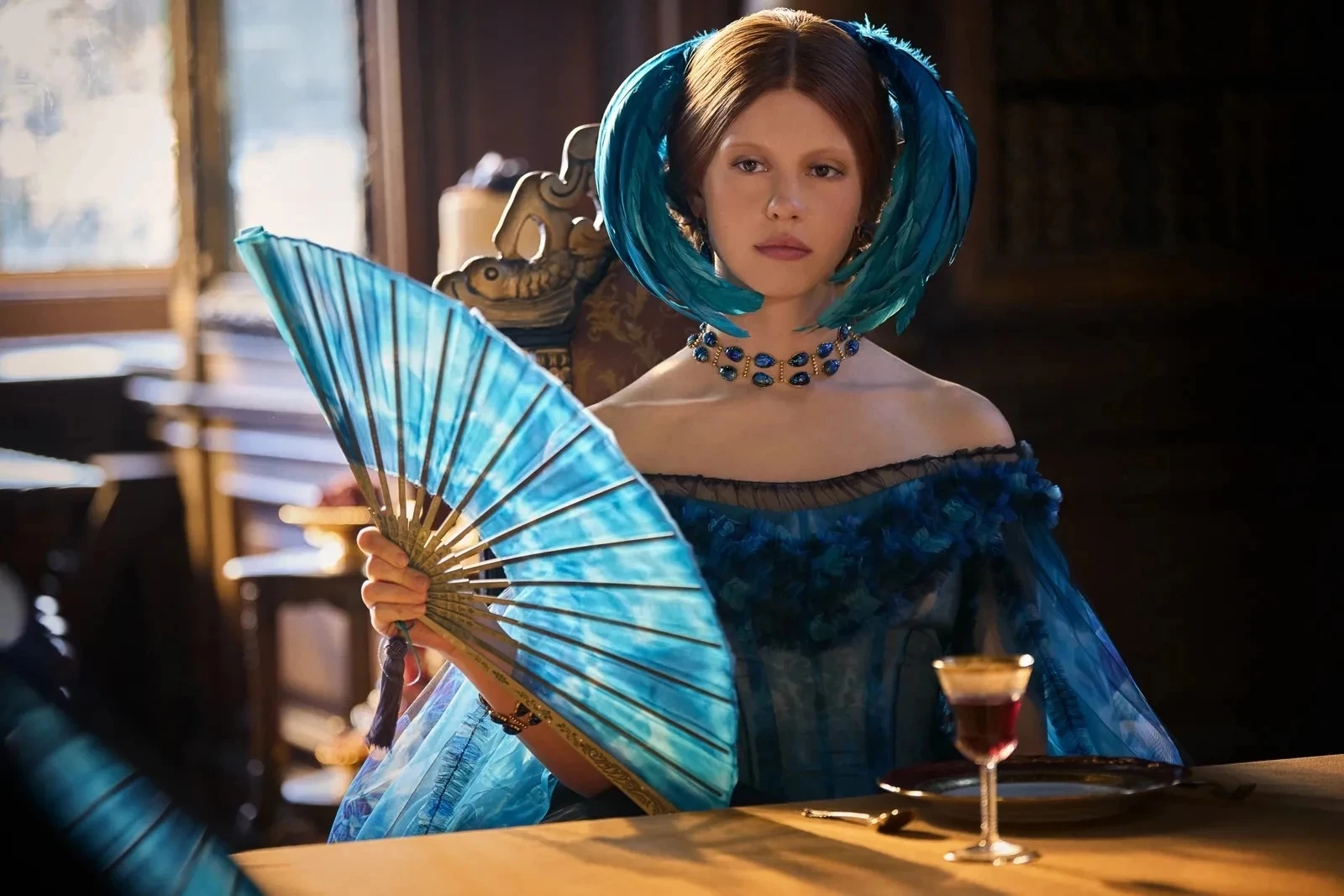
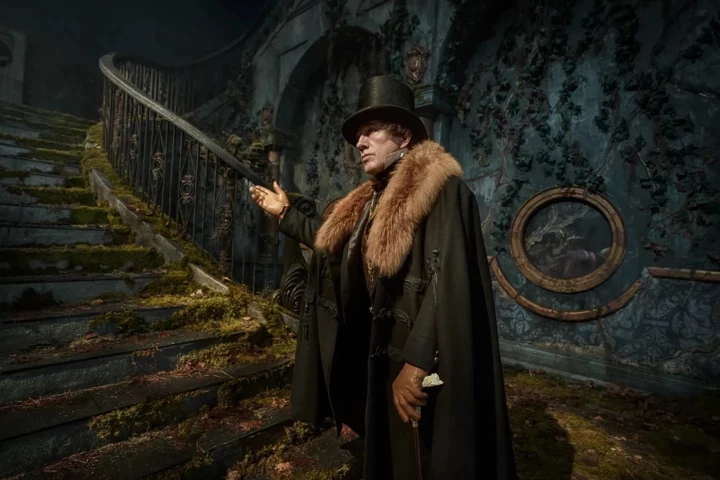
In this film, Hawley achieves the seemingly impossible: she dresses the reckless scientist Victor Frankenstein, played by Oscar Isaac, in sumptuous velvet coats and breathtaking jewelry. Mia Goth, as Elizabeth, the object of his passion, wears silk ball gowns with a solar system-patterned pattern; bright, opulent veils; feather hair ornaments resembling halos; fans framed in tulle; rare Tiffany & Co. archival jewelry; and appears in a layered, almost ethereal wedding dress. Read more in our in-depth feature on the creation of the costumes for “Frankenstein.”
“Hamnet”
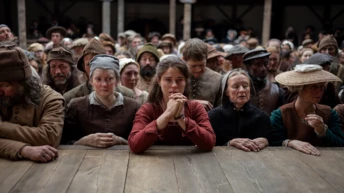
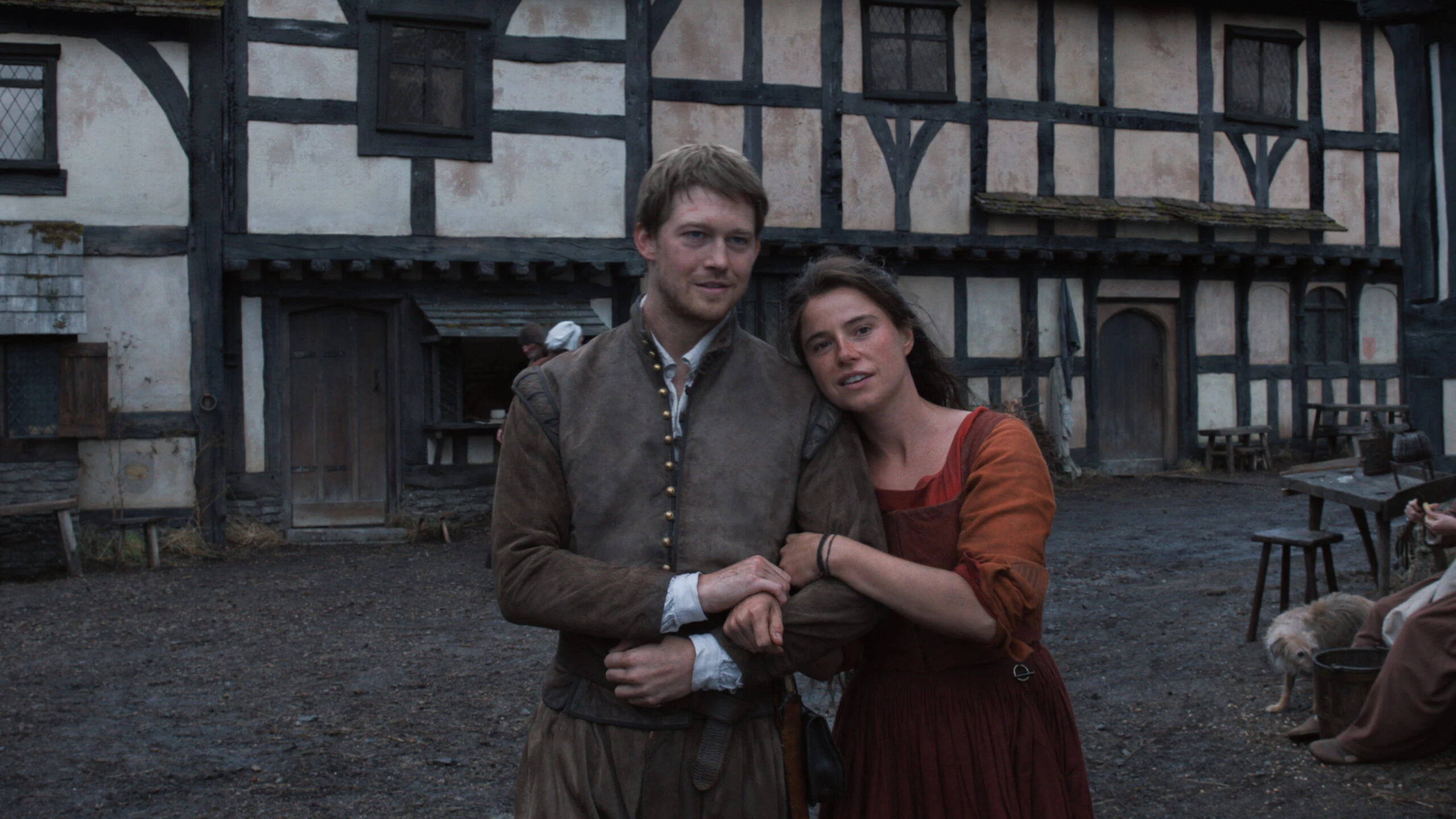
The film “Hamnet” is based on the novel by Irish author Maggie O'Farrell, which tells the story of William Shakespeare's relationship with his future wife Agnes, the birth of their son Hamnet in 1585, as well as the child's illness and sudden death at the age of 11. The film adaptation of the novel was directed by Chloe Zhao, an Oscar winner for the film “Land of Nomads”. Paul Mescal played the young Shakespeare, Irish actress Jessica Buckley played his wife Agnes, and the costumes for all of them were created by Malgosia Turzanska.
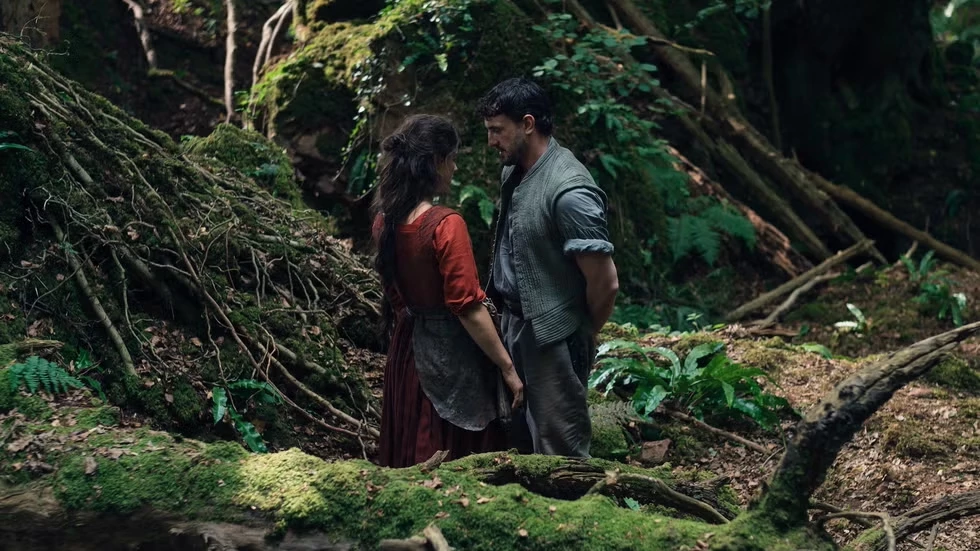
Malgosia Turzanska is known for her talent for bringing history to life with the help of costumes. The main thing is that she not only recreates the past, but also delicately interprets it, transforming centuries-old silhouettes and fabrics into images understandable to the modern eye. The same happened with “Hamnet” – the Elizabethan costumes here are almost “alive”. On the screen, the viewer sees not copies of 16th-century dresses, but outfits that live with the main characters, all their emotions and pain. The main source of information for Turzanska was paintings of that time, because working-class clothing could not physically be preserved over the centuries, unlike the costumes of aristocrats. Most often, she turned to the works of the Flemish artist Sebastian Vranks, who often depicted peasants doing everyday chores. It was there that Turzanska saw the play of colors, which she later recreated on the screen. For example, the main character Agnes's wardrobe is built on orange-red shades, which change to deep purples and prunes after the tragedy. This is how the costume designer emphasizes the changes in Agnes' psycho-emotional state, who appears in red again in the last scene – because life goes on despite everything.
“Marty Supreme. Genius of combinations”
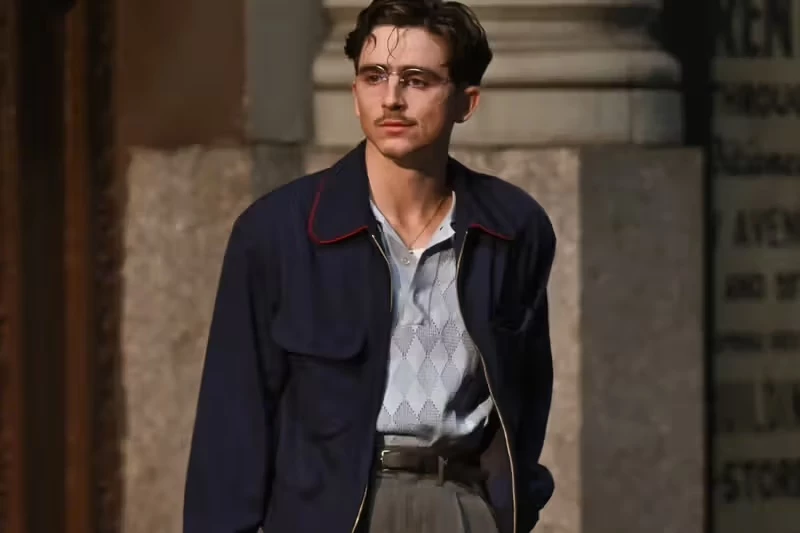
“Marty Supreme. The Genius of Combinations” is an adventurous comedy about Marty Mauser. This ambitious dreamer from New York seeks to turn table tennis from an inconspicuous hobby into his own path to fame. The image of Marty was brilliantly embodied by Timothée Chalamet. Costume designer Miyako Bellizzi thought big – just like the hero himself. To do this, she needed to answer the key question: who does Marty Mauser want to appear to the world?
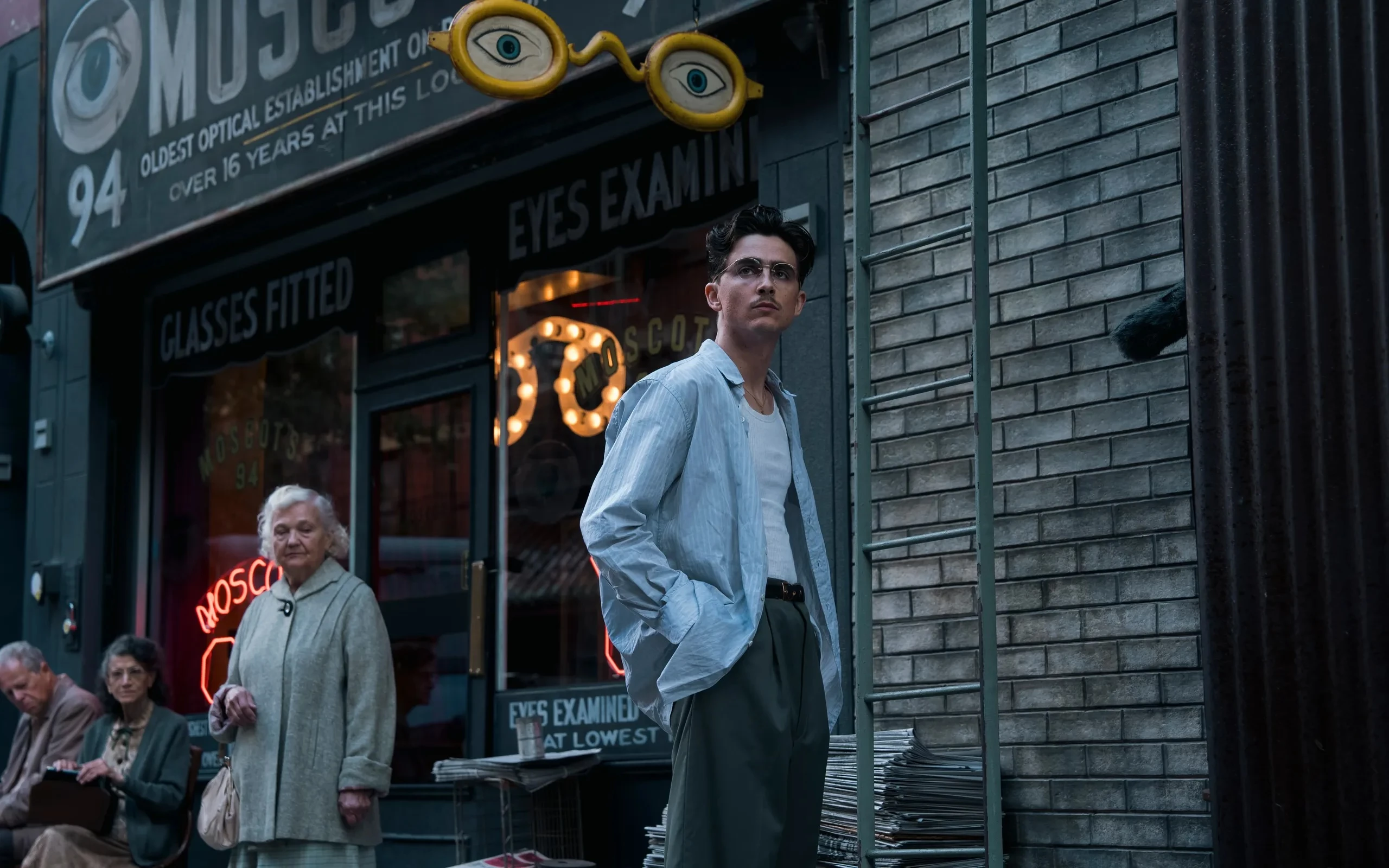
In this psychological story about a man who pursues greatness, relying on his dream, will and charisma, clothes become a full-fledged tool: they shape the image and embody the main character's principle – “fake it until you make it”. Marty's ambitions are grandiose. The first thing that hints at this is a gray suit in a transparent dry-cleaning bag. It is this item, according to Bellizzi, that most accurately reflects Marty's character: “The clothes are worn by the person he wants to be.” To recreate the “higher” world, which is personified by one of the main characters of the film – Kay (Gwyneth Paltrow), the team turned to early collections of Balenciaga and Dior – fashion houses founded at that time. Read more about the costumes from the film here.
“Sinners”
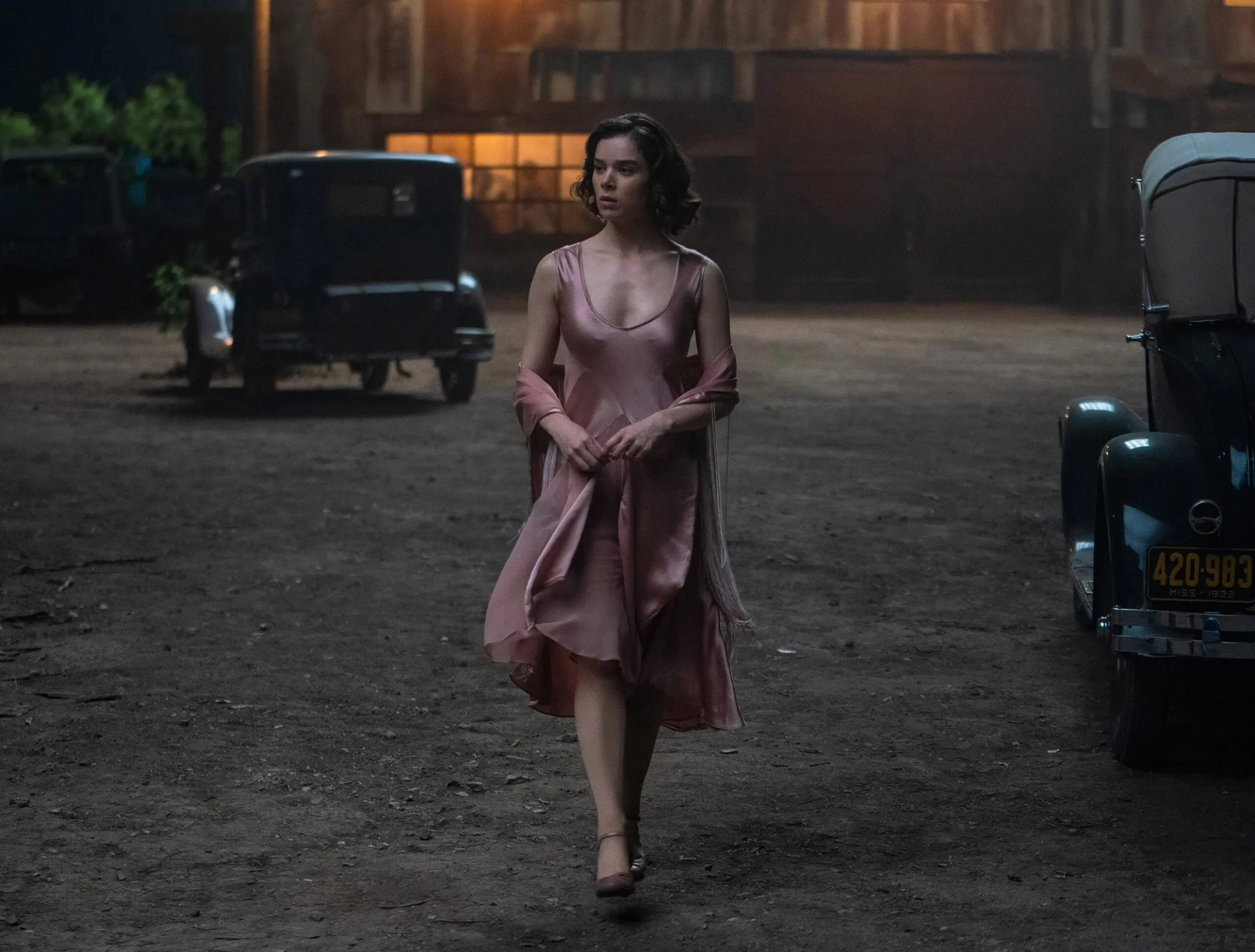
The horror film “The Sinners” became the most nominated Oscar in film history, receiving 16 nominations, including in the categories “Best Picture” and “Best Director”. Film critics also noted the visual component of the film – costume designer Ruth Carter will compete for her third statuette. She received her first two Oscars in 2019 and 2023 for her work on “Black Panther”.
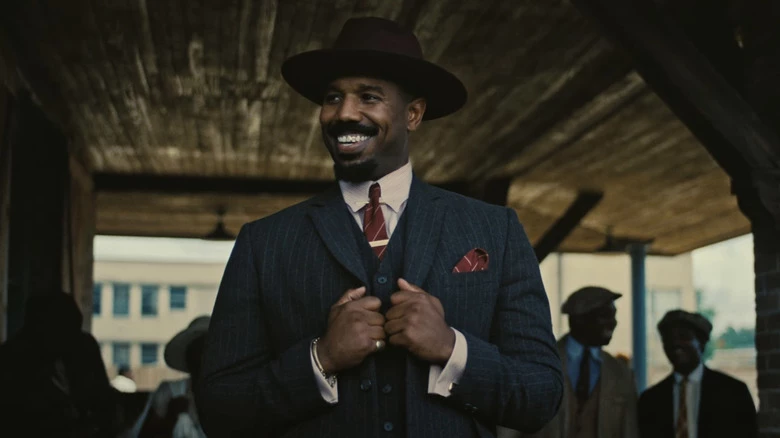
The film “Sinners” takes place in the 1930s in Mississippi, where brothers Smoke and Stack, who returned from World War I, dream of opening a blues bar. This is what Ruth Carter decided to focus on, rather than the horror genre. She was interested in the style of the southerners of that time, the blues culture and the connection of the main characters with their African past. The artist focused on paintings and photographs of the era; she was especially helped by the work of Eudora Welty, a writer and photographer who traveled the South and photographed the lives of ordinary people. It was this simplicity that Carter wanted to convey, adding character to it through her work with color. She also emphasizes that accuracy in detail was extremely important to her, so even in evening scenes the characters look sweaty – because in these places the heat does not go away even after sunset.
“Avatar: Fire and Ashes”
The visual part is crucial to the Avatar universe – costume designer Deborah Lynn Scott was given a wide scope for creativity, because in the third part of the story about the inhabitants of Pandora, many new characters appear.

Each one has its own character and experience. For example, the wind merchants, for whom the artist chose woven textures. The idea was that as eternal travelers, they fly very high, and it is cold there, so the clothes should protect them. This is how the image of each new character was built. An additional complexity of working on this project was that first the team led by Scott created images for real people, and only then transferred these solutions to the technical team to digitize her ideas.