

On the eve of the release of the second part of the story “The Devil Wears Prada”, editor-in-chief of vogue.ua Violetta Fedorova recalls how twenty years ago this film influenced her professional path.
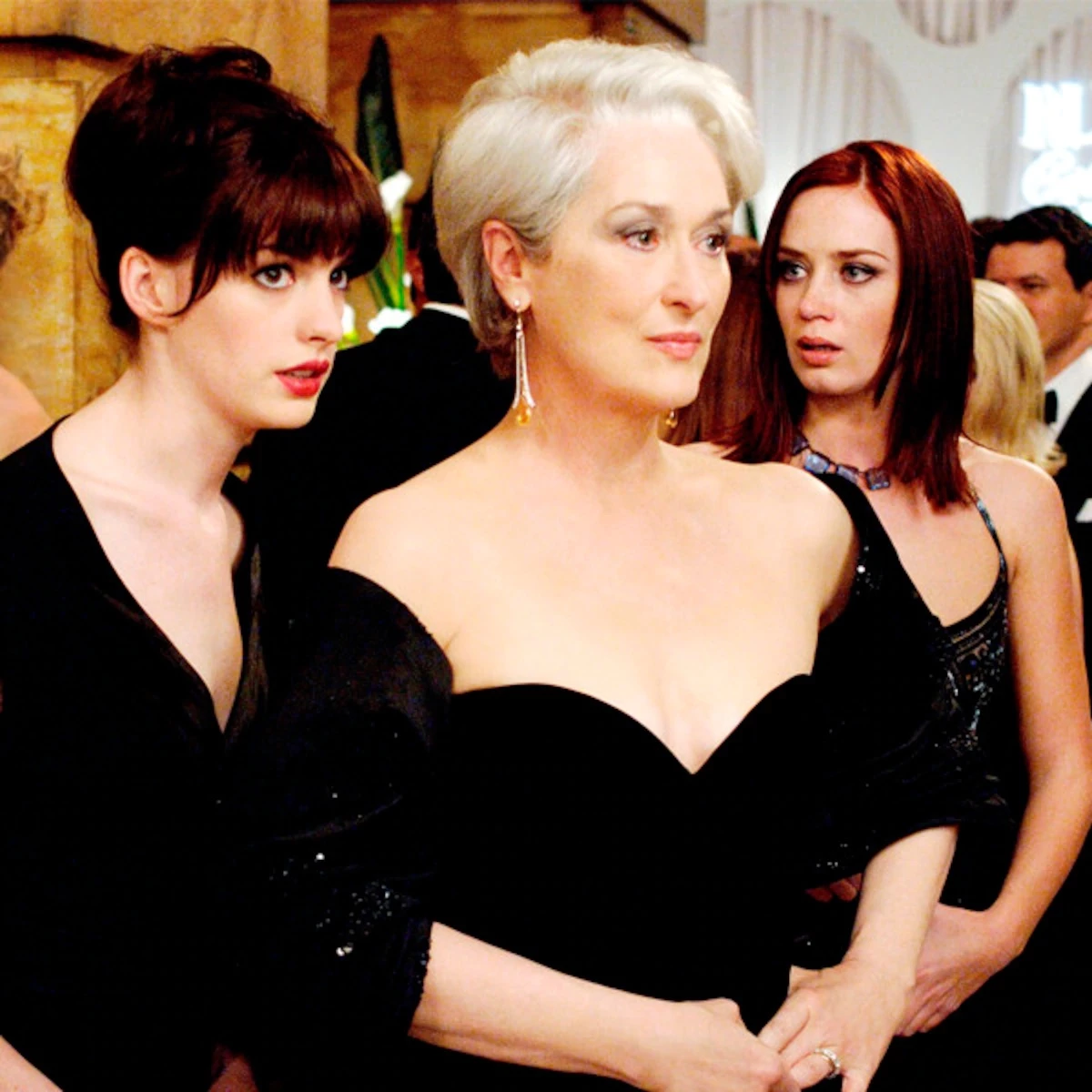 “The Devil Wears Prada”, 2006
October 2006. I am a second-year student at the Faculty of Economics, going through a breakup with my first love and not knowing what to do with my life. One day, after classes at the university, my friends invite me to relax – to go to the cinema and watch the new film “The Devil Wears Prada”, starring my beloved Anne Hathaway. I have adored this actress since the days of “The Princess Diaries”, and I often kept her photos – a brown-eyed brunette with snow-white skin – as beauty references.
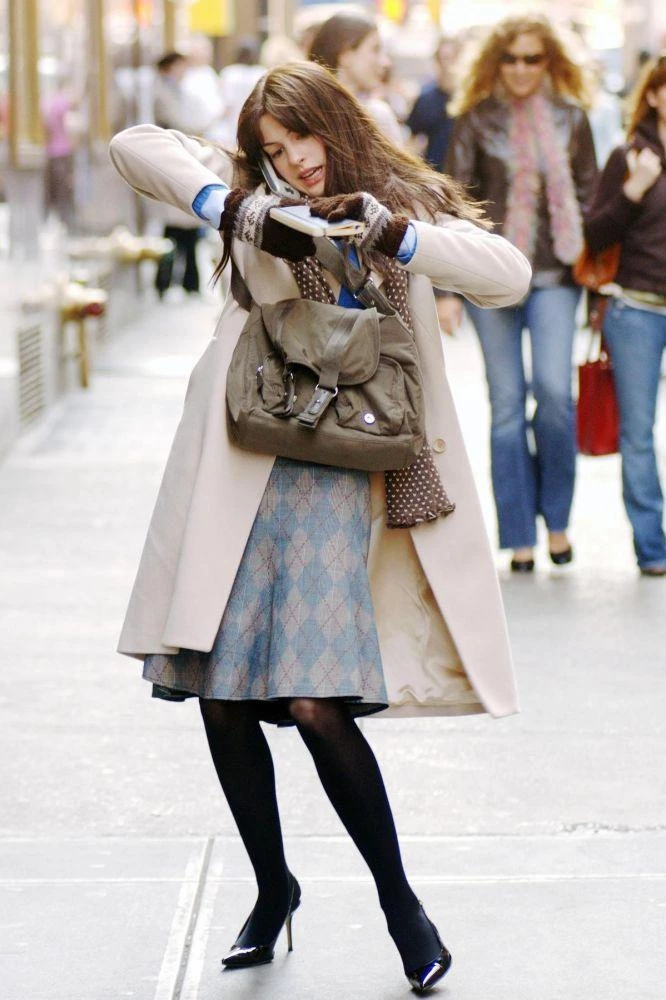
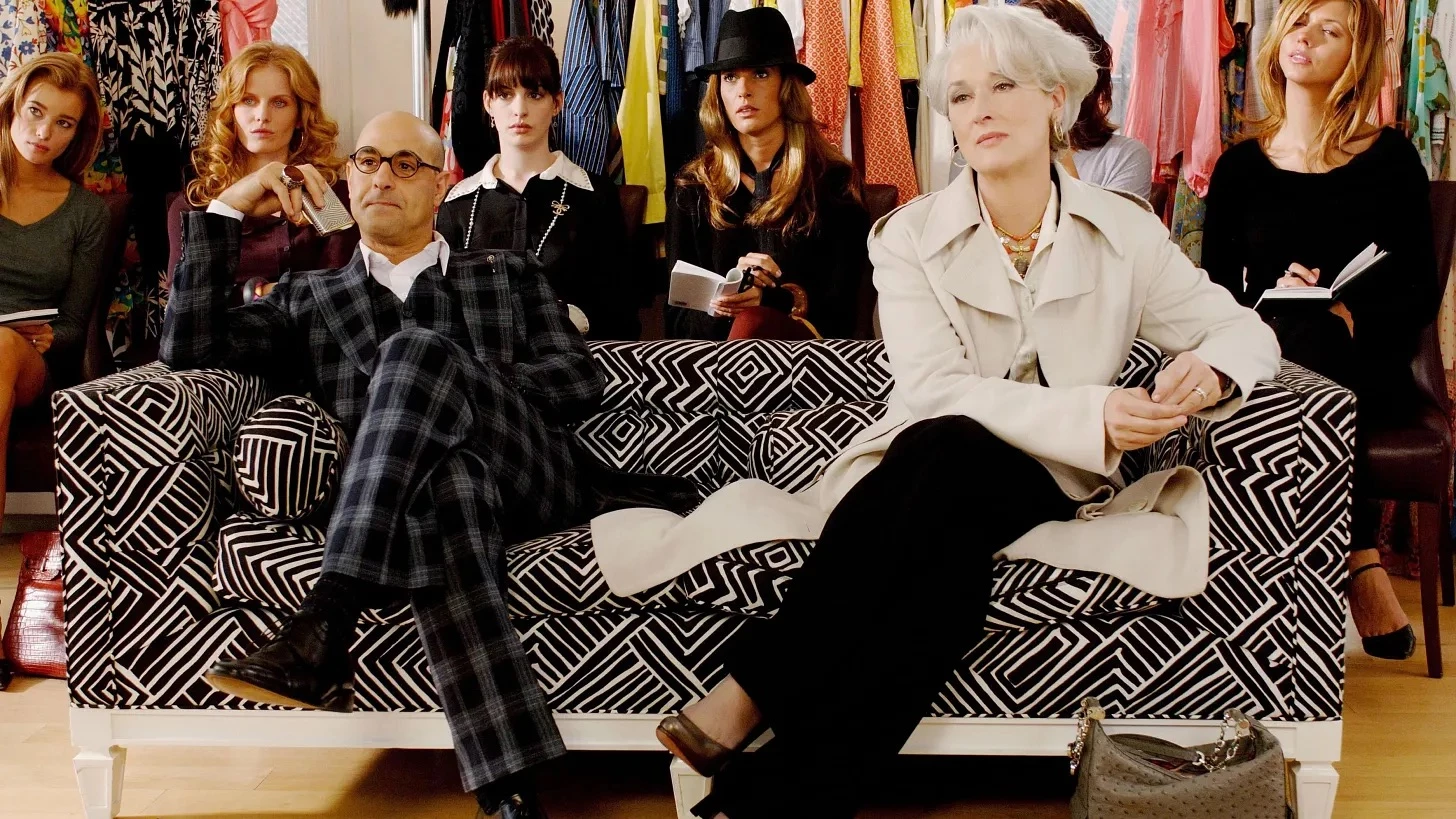
I watched the film with my mouth open, memorizing the details and simply being inspired by their lives – both beautiful and completely unattainable. In the pre-Instagram era, it became almost the only way to look behind the scenes: how meetings take place in editorial offices, how shootings are prepared and what happens at Fashion Weeks. For people from all over the world, it was truly a guide to the world of dreams.
Advertising.
I can't say that I decided then that I definitely wanted to work in a glossy magazine. Rather, it was “The Devil Wears Prada” that opened up fashion as an industry for me – I started buying magazines and books, reading a lot on the subject, and my passion for history grew into studying the history of fashion. A few years later, I moved to Kyiv, interned at the Verkhovna Rada of Ukraine, and started writing my first fashion notes in a drawer. It was already 2010, and a friend advised me to finally publish them, rather than retell them to her. That's how my page appeared on the Blogspot platform, and the world of fashion began to become a part of my life.
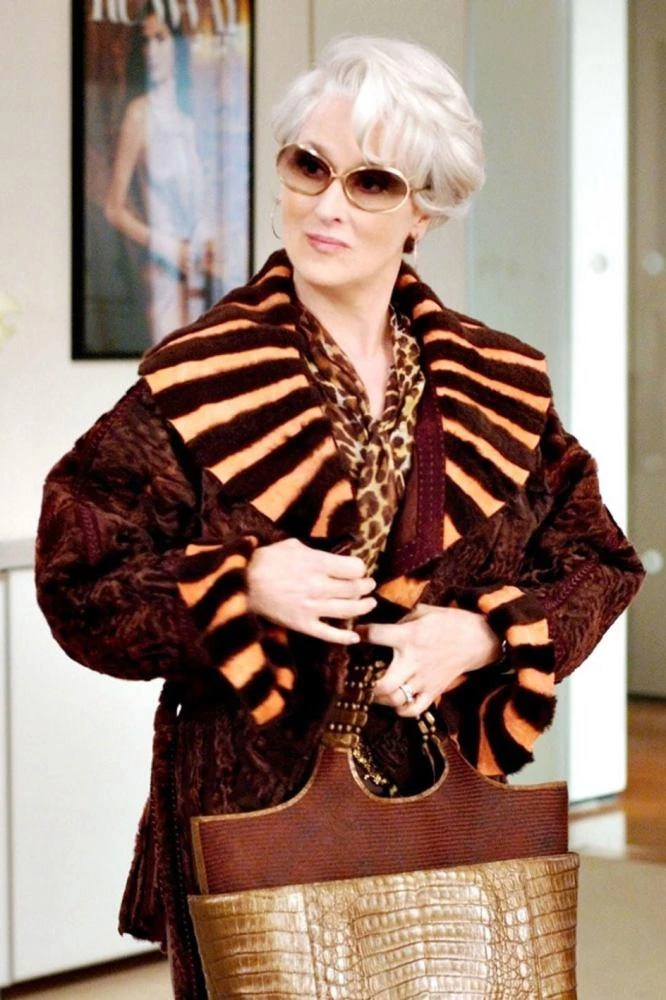
Two years later, the story of “The Devil Wears Prada” became even closer – I was invited to work at Vogue Ukraine, which was then recruiting a team. At the same time, the editor-in-chief Masha Tsukanova took my text to analyze in front of a large audience at one of the fashion courses. I was also in the hall then (Maria did not know this), blushing with shame during this critical analysis, looking at the editor-in-chief and all the time remembering Miranda Priestly with her icy image and impregnable elegance. The thought that the film really shows the truth only grew stronger. That day, I no longer wanted either fashion or gloss – I just wanted to fall into the ground… But the contract with Vogue had already been signed, and there was nowhere to retreat – only to learn and move on, which is what I have been doing for the last 13 years together with our team.
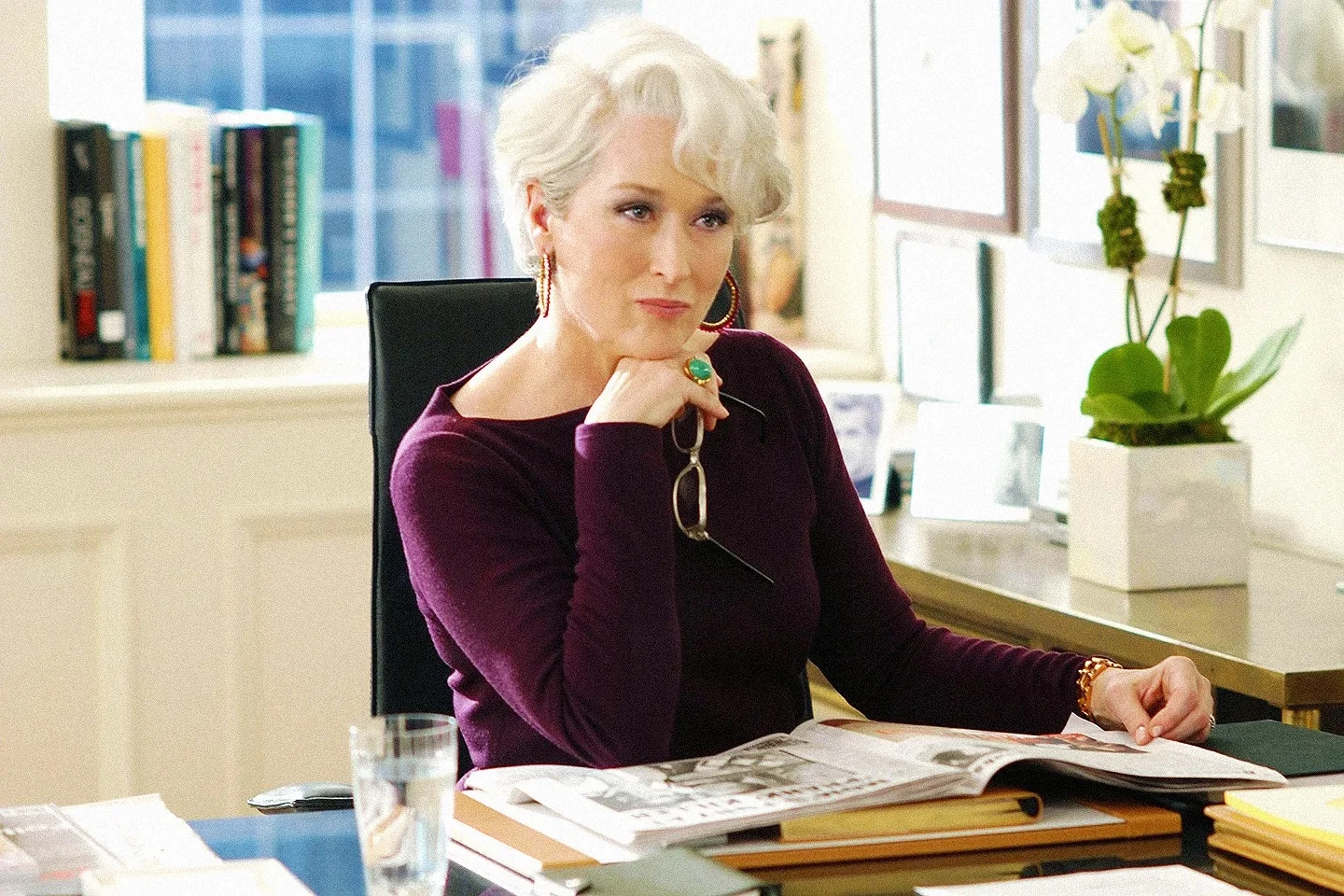
Looking back, I understand that “The Devil Wears Prada” really opened the world of fashion for millions of millennial girls. The film made fashion more understandable to the masses, removing the barrier of “elitism”, but maintaining respect for the craft. For many, it became a kind of “rose-colored glasses”, which were later changed by a collision with harsh reality. On the one hand, my generation dreamed of working in the editorial office of Vogue (Runway). On the other hand, the film honestly showed the price of success: the lack of a personal life, emotional burnout and the need to choose – today you are having dinner with friends or going to your niece's birthday party or staying in the office to prepare for the morning shoot. It seems that it was then that we first asked ourselves the question of work-life balance. The film made viewers think: is the work that “millions of girls are ready to kill” for worth the loss of their own “self”?
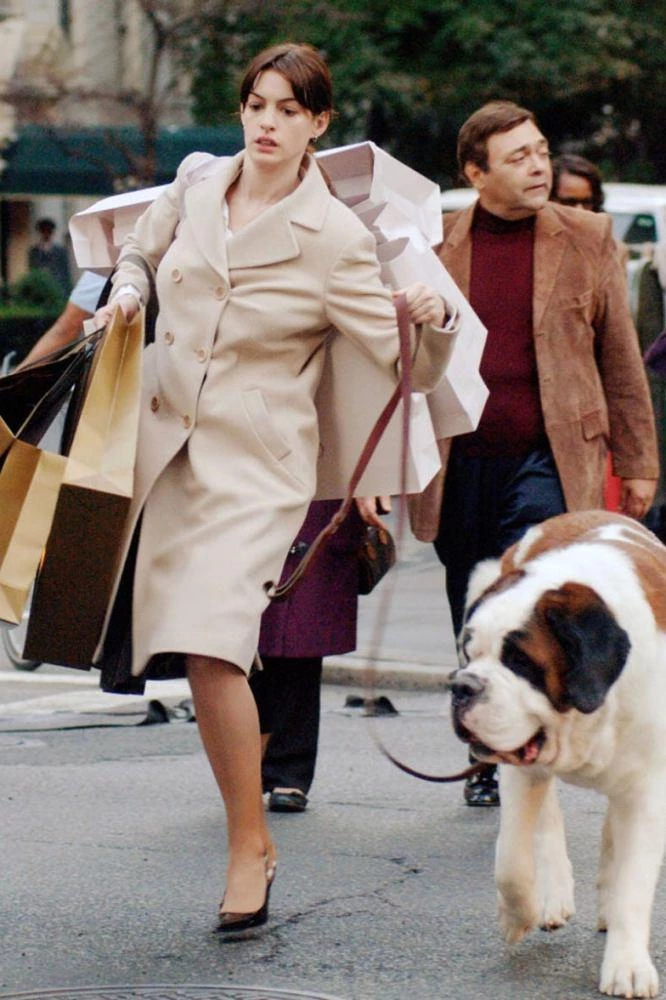
Another important moment in the film for me is the attitude towards fashion not as a game of dress-up, but as a big business. It is worth mentioning at least Miranda Priestly's monologue about the same “sky blue color”. This is probably one of the most important episodes in a film about fashion. The heroine Meryl Streep brilliantly explains how high fashion descends from the catwalks into the baskets of mass market sales. This taught the audience to understand the cyclical nature of trends and the economic impact of the industry. The film also gave us a language that we still use today, and the phrase That's all became a universal meme to denote unquestioned authority and end the discussion.
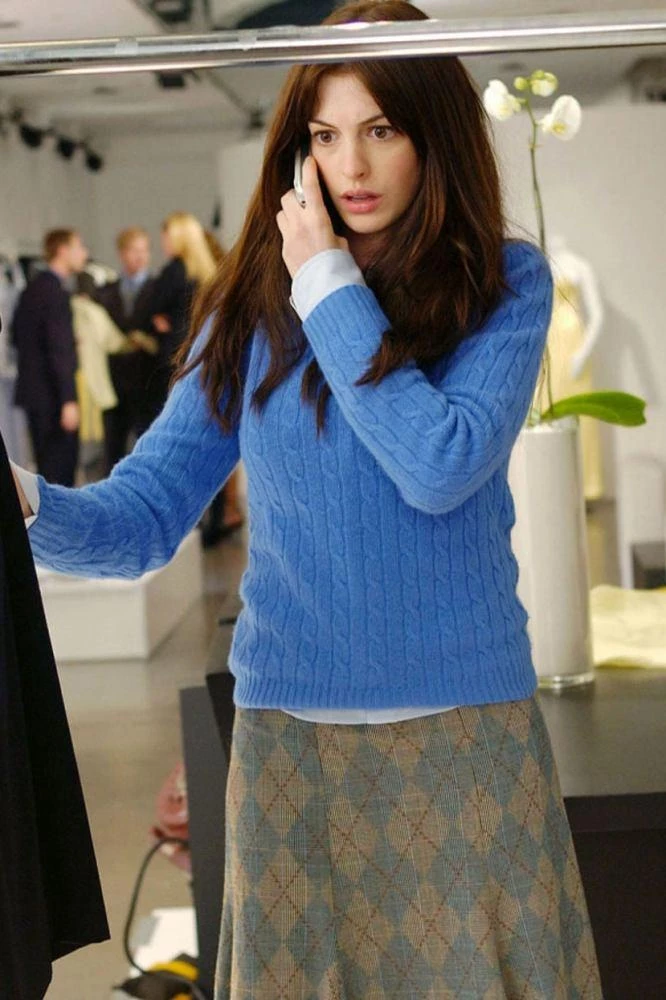
The Devil Wears Prada is, without exaggeration, a cultural phenomenon that captured the changing eras of fashion and media. Its impact on pop culture and social media is still felt today, from the Office Siren aesthetic that cyclically returns to TikTok and Pinterest trends, to the endless cross-dressing to the soundtrack of Scottish singer KT Tunstall's Suddenly I See. When you re-watch the film today, it raises many ethical questions, but there is something about it that made me believe once: fashion is a world worth staying in.