

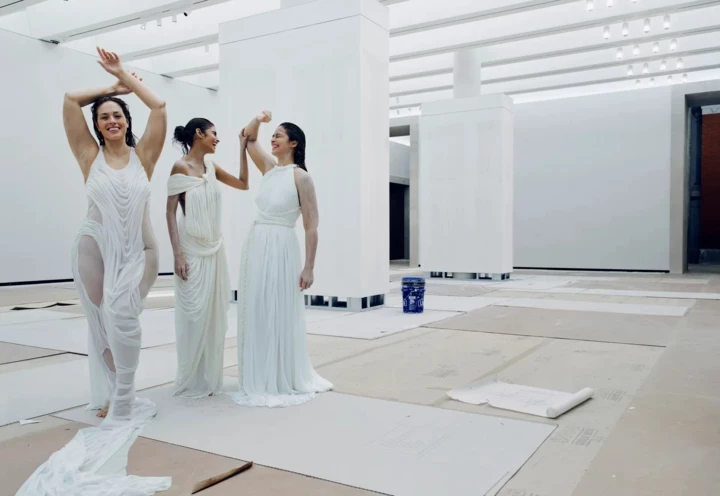
On May 10, the Metropolitan Museum of Art opens one of the year's major exhibitions, “The Art of Costume,” organized by the Costume Institute. The fashion museum will now operate in the new Condé M. Nast Galleries, located next to the Metropolitan Museum's Great Hall. The galleries cover 1,100 square meters, making them the largest renovation in the Met's history.
Advertising.
Is fashion art? Is art fashion? These questions will be answered in May at the Costume Art exhibition at the Metropolitan Museum of Art's Costume Institute. This year, the Costume Institute is finally expanding, occupying a large new building adjacent to the Metropolitan Museum of Art's Great Hall. “In a way, fashion is broader than art,” says Andrew Bolton, curator of the Costume Institute. “It embodies our lived experience—the only art form that can do that.”
Now, fashion will be at the center of one of New York City’s most popular museums, somewhere between the Egyptian galleries to the north and the Greek and Roman exhibits to the south. There, in its own space, the Condé M. Nast Gallery of the Costume Institute will present “The Art of Costume,” an exhibition that explores and celebrates dress, featuring garments and artifacts from most of the museum’s collection rooms.
“The relationship between fashion and art has changed a lot in our time,” says the artist Maurizio Cattelan, one of several curators I spoke to about the new Met while writing this article. “Fashion no longer asks permission from art, and art no longer pretends to ignore fashion. They have realized that they share the same obsessions: the body, power, desire, status. It is at the Met that fashion has moved from seeing itself as a craft to an art of narrative. Exhibitions are less like wardrobes and more like discussions. It is in this transition from object to idea that fashion becomes interesting.”
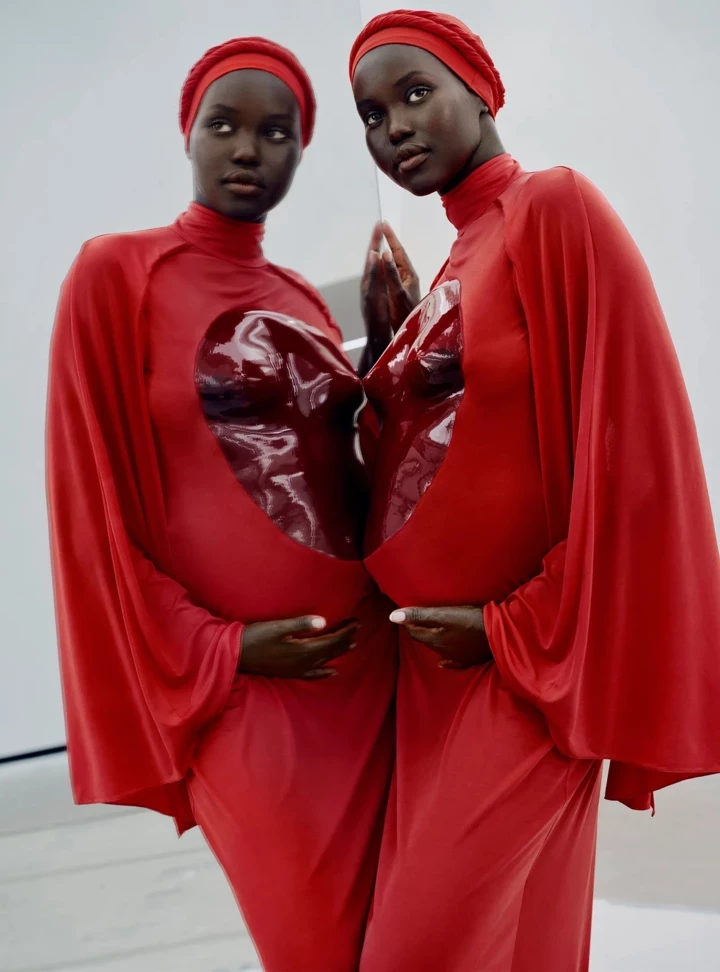
“The influence of the Costume Institute and its exhibitions has grown tremendously over the past 30 years,” says designer Michael Kors. When I ask how art and artists have influenced his work, he lists names from Mark Rothko to John Singer Sargent to Georgia O'Keeffe. “These artists opened people's eyes to the relationship between fashion and everything from pop culture to politics to art. That fashion is more than just the clothes you wear every day.”
The fact that the Costume Institute now has its own building is a logical decision. The architectural design was done by the Brooklyn firm Peterson Rich Office. The directors, Nathan Rich and Miriam Peterson, a married couple who first met at the Metropolitan Museum of Art, immersed themselves in the history of the museum. They studied the Great Hall, considered how it could lead to the galleries, how light would flow in. They saw their task as creating a new urban path to fashion and worked closely with Bolton.
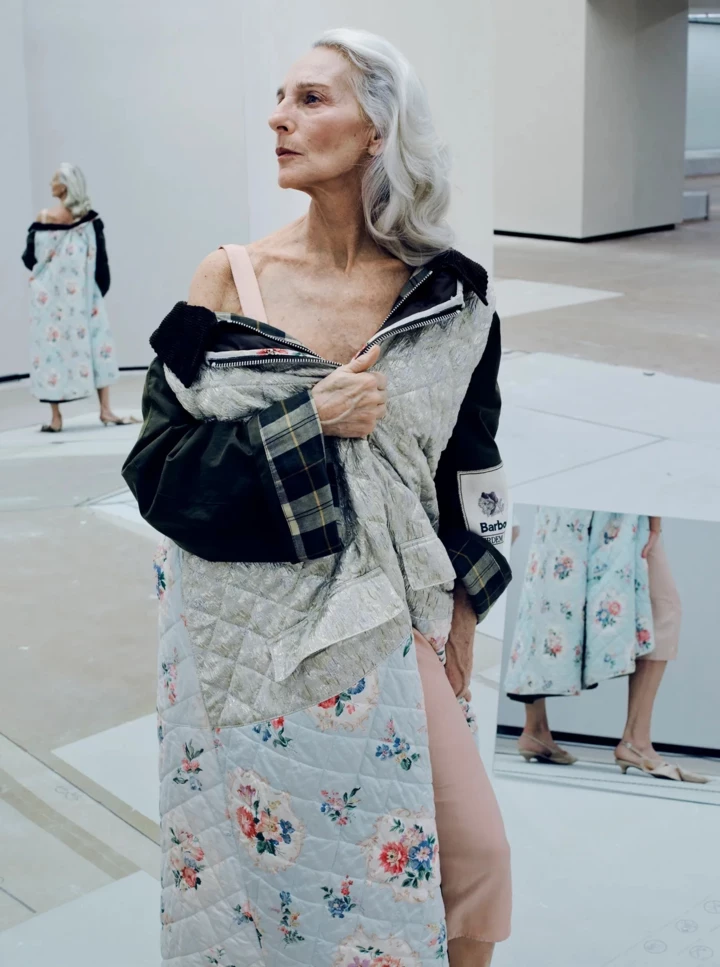
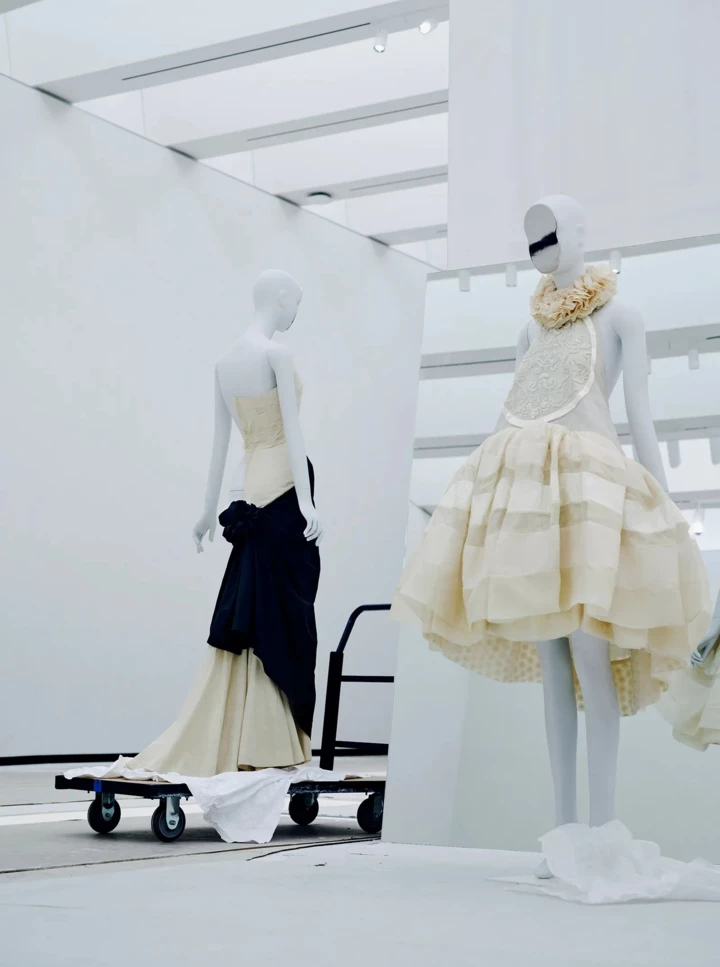
Bolton needed a flexible space with adjustable lighting and self-powered power, but on the scale of Greek or Roman galleries. “It had to be a mobile exhibition space that was constantly changing,” says Rich. “But it had to feel like it was always there.” The new galleries, measuring nearly 3,660 square meters, are divided into five interconnected spaces. Fluorescent gray-and-white stone floors, beamed ceilings, and Venetian plaster walls create a special atmosphere.
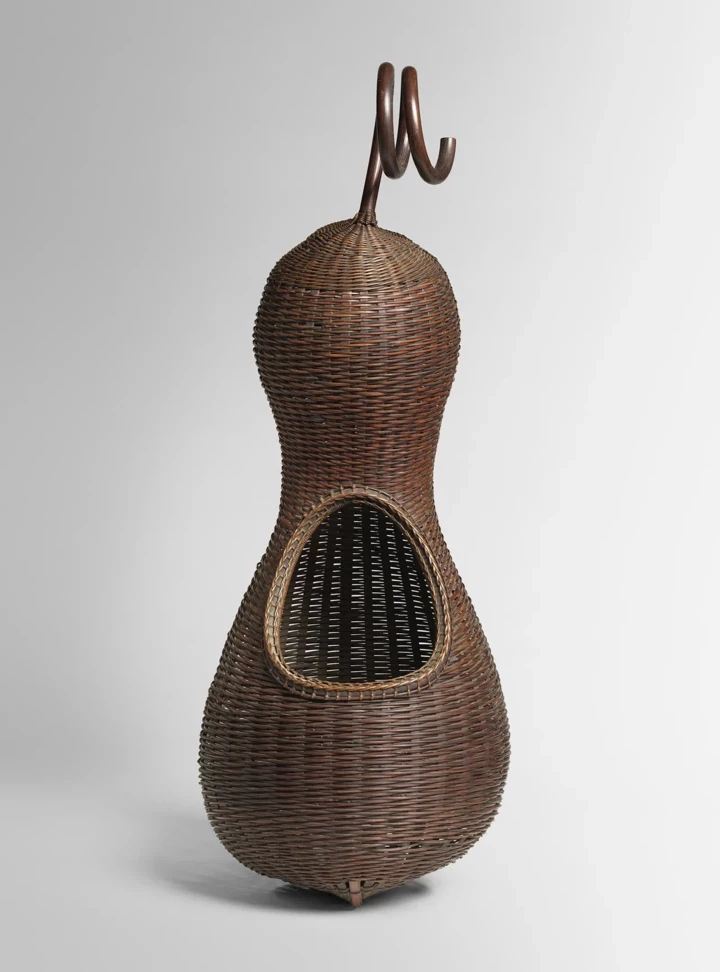
All boundaries and frames disappear in a new exhibition curated by Bolton. The Art of Costume is conceived as an inclusive project, with the human body and how it has been represented—clothed, unclothed, adorned, honored, wounded, and mourned—as its central theme. In a series of surprising, sometimes deliberately jarring juxtapositions, the exhibition juxtaposes objects and images with clothing: a Greek vessel from 460 BC with a 1920s Fortuny dress; Albrecht Dürer’s “Man of Sorrows with Open Arms” with a Vivienne Westwood “Martyr of Love” jacket; an 1883 walking dress; sculptures by Jean Arp and Henry Moore with Rei Kawakubo’s ensembles for Comme des Garçons. The exhibition reveals the long-standing and symbiotic relationship between art and fashion, proving that they are separate but equal forms of creativity.
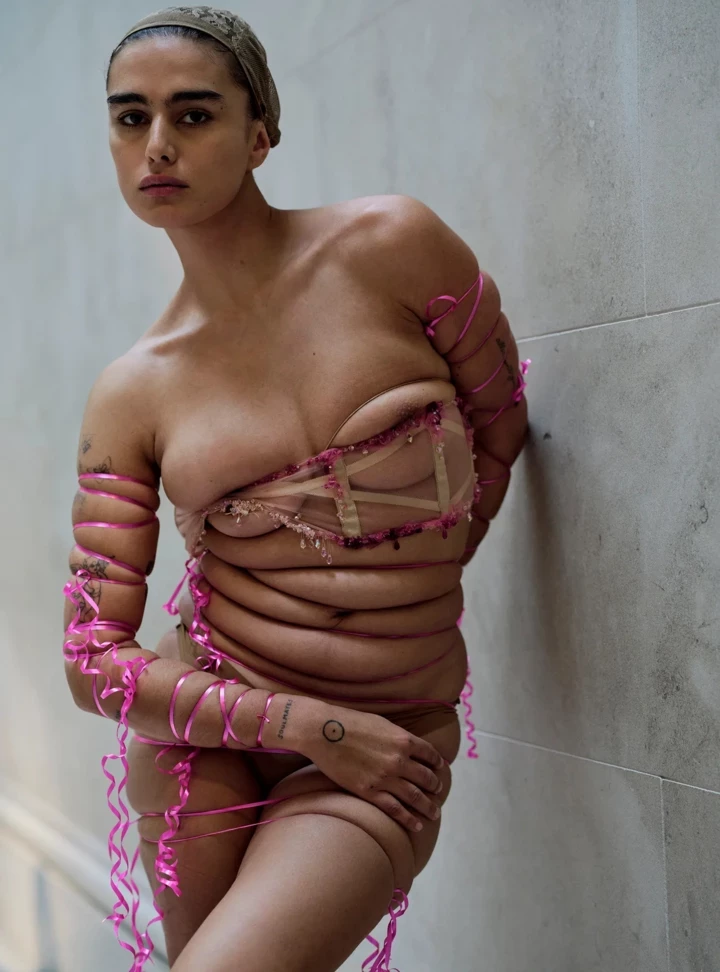
Niki de Saint Phalle © 2026 Niki Charitable Foundation/ARS, New York/ADAGP, Paris
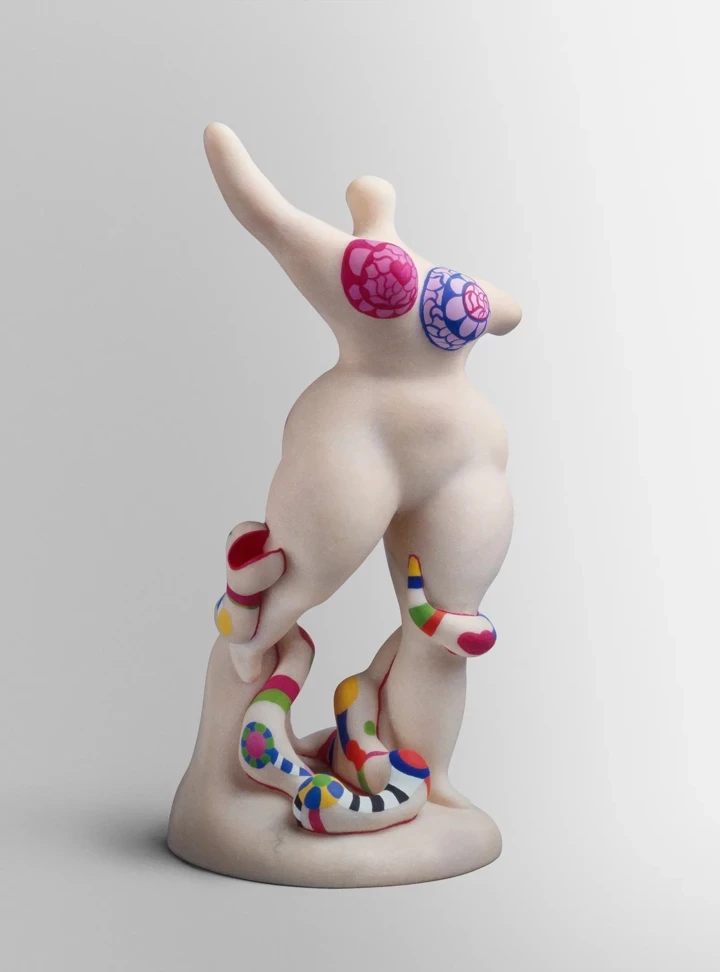
“I wanted to present fashion as a lens through which to look at art,” Bolton explains. “That the combinations are sometimes formal, sometimes conceptual, sometimes political, sometimes humorous, sometimes profound, and sometimes frivolous. The union of clothing and a work of art creates new meanings. I want to focus on that. It's like one plus one equals three… I hope the exhibition allows people to make those connections outside the four walls of the museum.”
“I was struck by how the Metropolitan Museum of Art's representation of fashion has gone from archival to more engaging, almost cinematic,” says artist Laurie Simmons. “The exhibitions have taken on the character of performance art—with their own narrative, mood, psychology. The museum demonstrates that the body—clothed, stylized, posed—is as interesting as any ancient relic. The location of the fashion department next to the Egyptians and opposite the Greeks and Romans is not a disruption, but a correction. The museum recognizes that what we wear is also an artifact of civilization.”
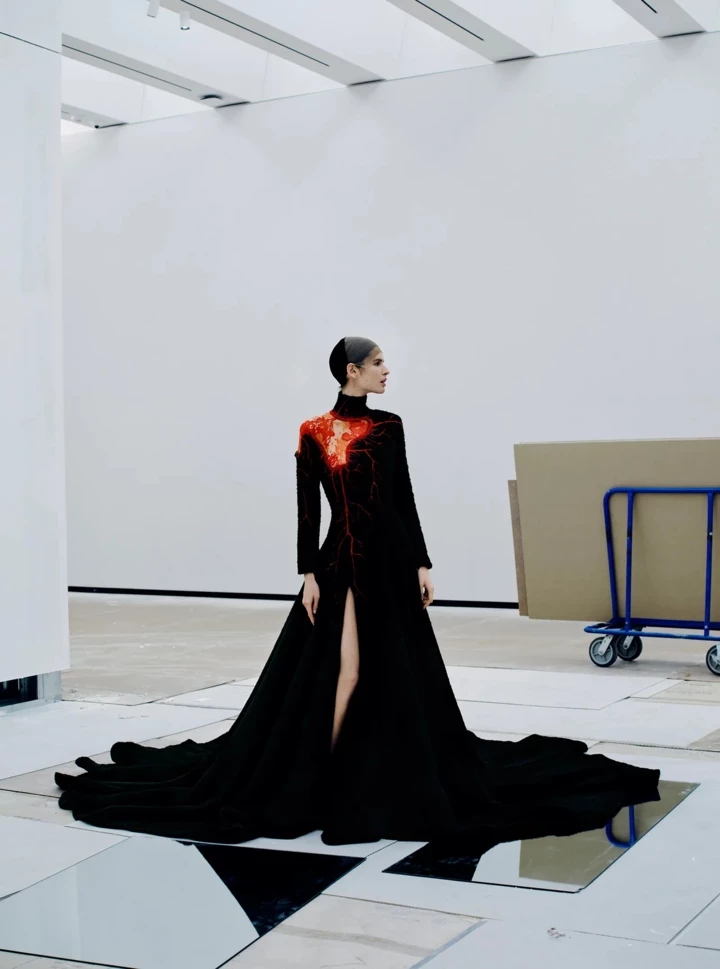
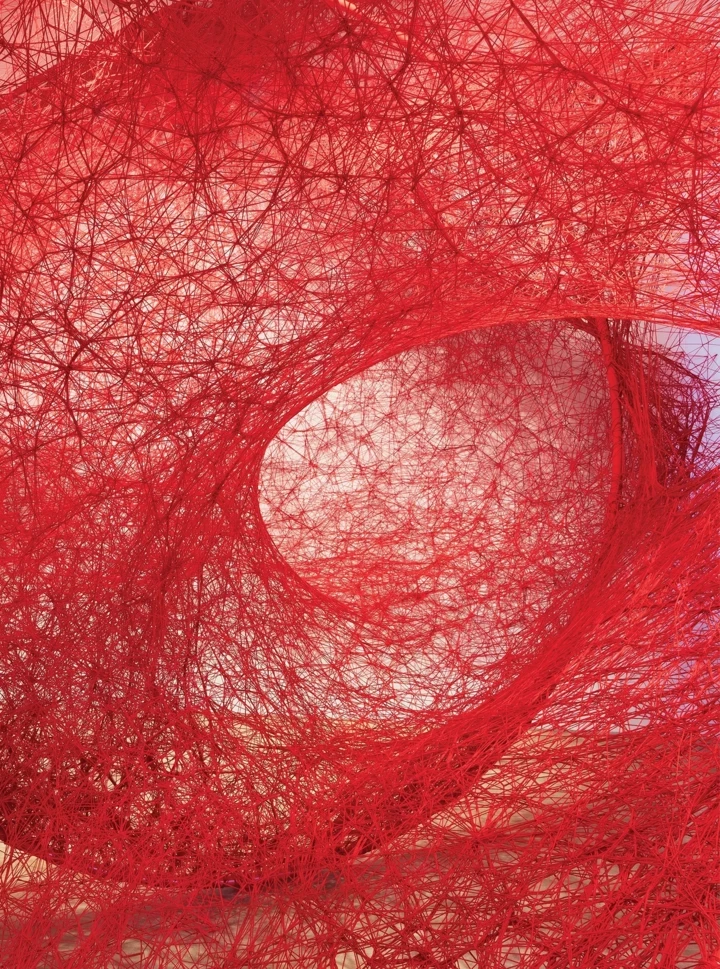
Chiharu Shiota © 2026 Artists Rights Society (ARS), New York/VG Bild-Kunst, Bonn.
Finally, I asked my husband, journalist and art critic Calvin Tomkins, author of the Metropolitan Museum of Art's history, “Merchants and Masterpieces,” as I ask everyone: Can costume be art, and art be fashion? He replied with a resounding “Yes!” and added, “In fact, the two are so closely related that they cannot be anything but one.”
According to Vogue.com
Text author: Dodi Kazanjian
Photographer: Ethan James Green
Stylist: Amanda Harlech