

“Only when you try to paint a pysanka do you understand that you are touching the magic of creating something sacred,” says the prominent pysanka artist from Kolomyia Svitlana Stadnyk, Honored Master of Folk Art of Ukraine, member of the National Union of Masters of Folk Art of Ukraine, Candidate of Sciences. Svitlana painted a pysanka especially for vogue.ua and talked about the symbolism of this ancient event.
Advertising.
Svitlana was taught to paint Easter eggs by her mother, Halyna P'yatnychuk, who was a research worker at the National Museum of Folk Art of Hutsul and Pokuttya in Kolomyia. Halyna learned the art from her grandmother Maria Lubyk, who was born in 1903: “Mom wanted the tradition of painting to continue through the generations,” says Svitlana. And so it happened: today the tradition lives on in the sixth generation of the family: her grandson is already skillfully holding the pen.
What do the symbols on pysanky mean?
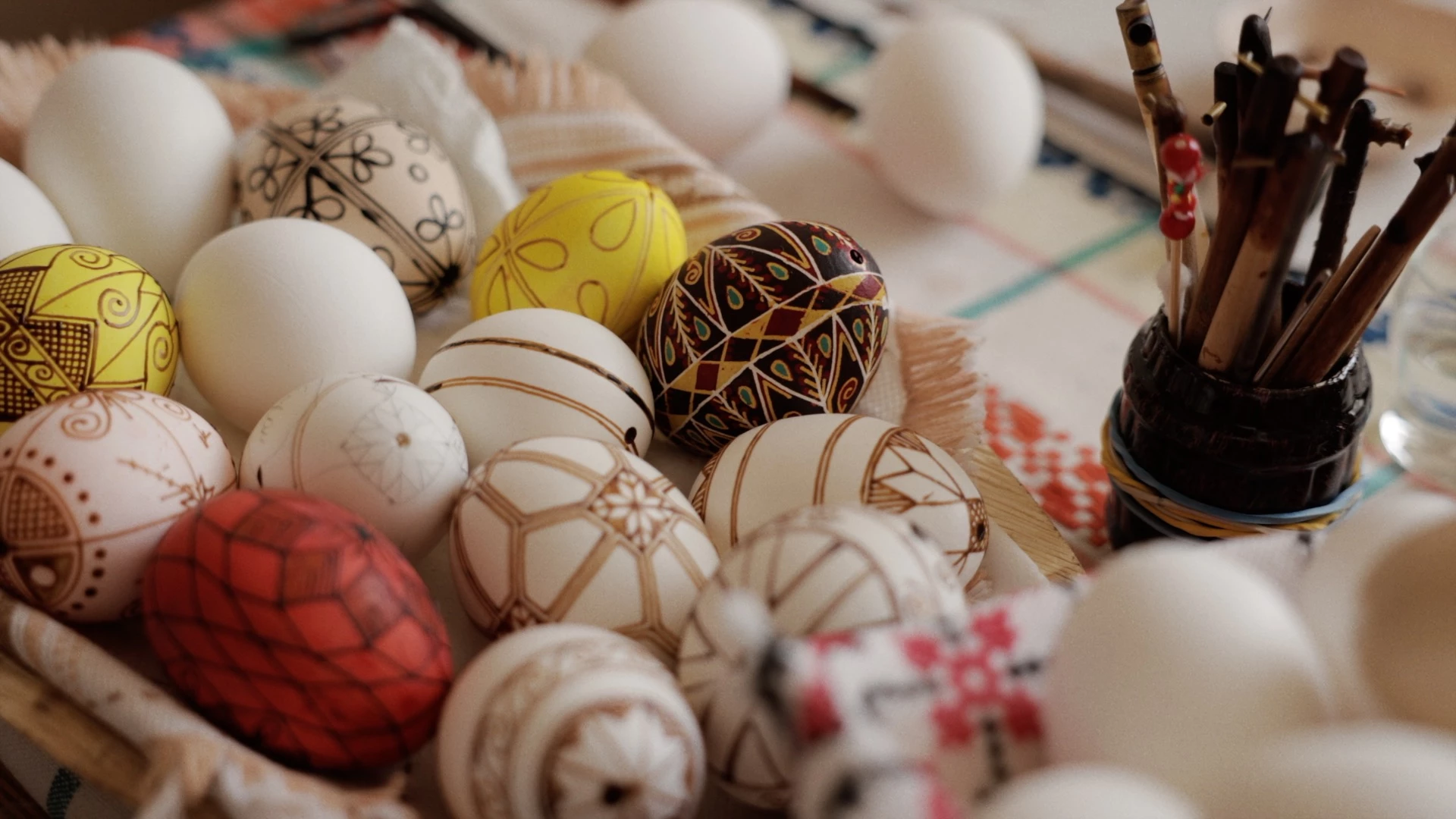
The pattern on the eggs, which is created using beeswax, sticks, and paints, is not just an ornament, but a wish, a request to the Universe. “The sun is a request for warmth. The rakes are a request for rain. The dots are grains sown in the ground. If there is rain and warmth, these grains will yield a harvest.”
Where to get inspired by the art of making Easter eggs
The Museum of Easter Egg Painting in Kolomyia (the Pysanka Museum, as it is often called), contains the richest collection of exhibits in Ukraine. “Today, more than 12 thousand exhibits from different countries of the world are stored here,” says Svitlana. The museum was built in 2000, for the 10th International Hutsul Festival, in just 90 days.
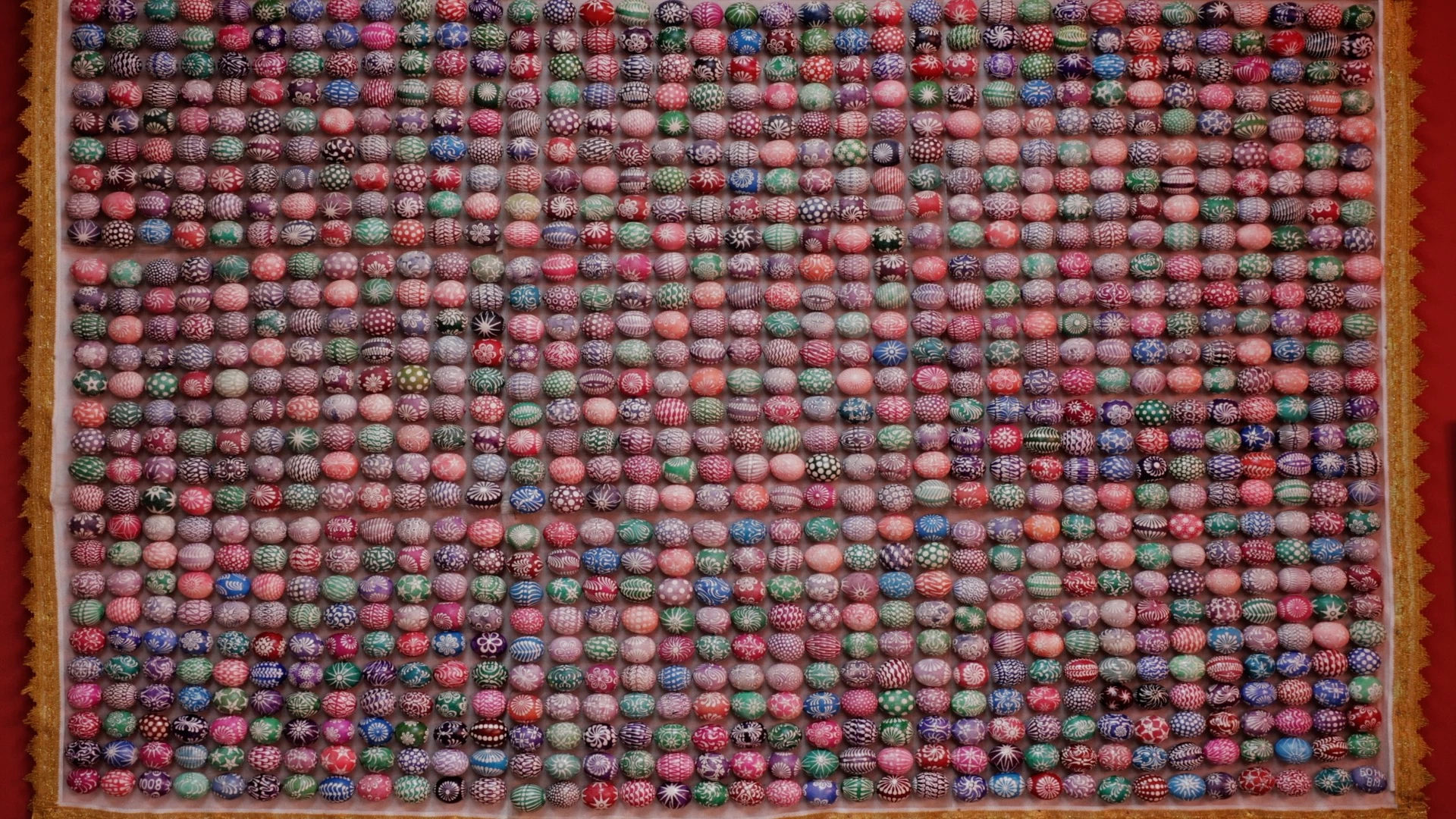
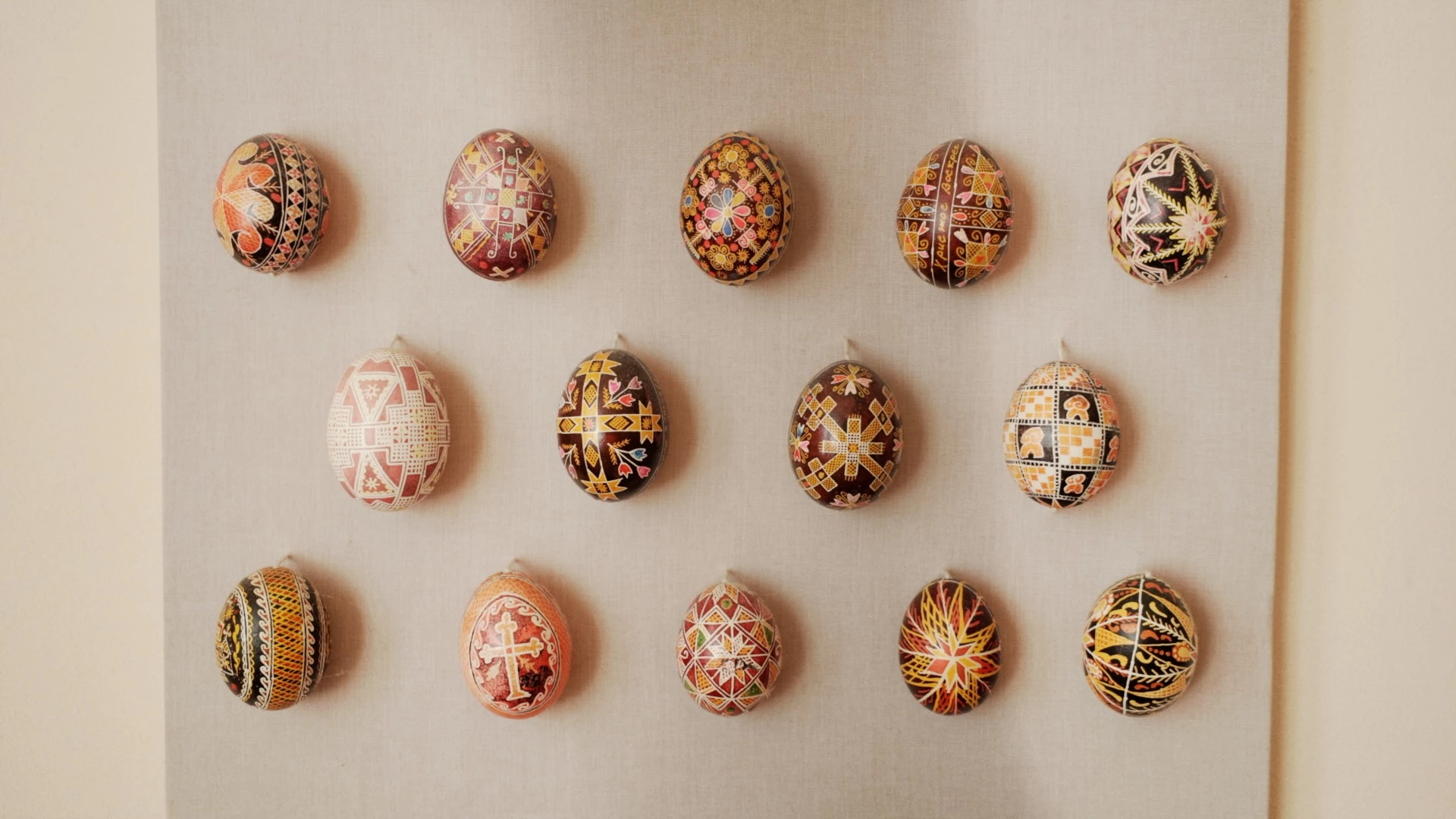
The oldest exhibits of the museum are a century old. And the most valuable exhibit is a goose egg Easter egg, which was made over 500 years ago. It was found in 2013 in Lviv during archaeological excavations by the Institute of Archaeology of the National Academy of Sciences of Ukraine. Officially, this is the oldest Easter egg in Ukraine. Among the treasures of the museum are also Easter eggs of the Stadnik family.
How the Easter egg was revived in Ukraine
With the restoration of Ukraine's Independence, the pysanka, which had been forgotten in many regions of Ukraine, began to be revived, says Svitlana Stadnyk. “The tradition was almost lost: neither the techniques nor the tools were preserved.”
Today, painting Easter eggs means more than just decorating your home for the holiday. It's also a way to slow down, focus, and surrender to the process. A kind of meditation. “When they say that Easter eggs save you to some extent, that's really true,” the craftswoman adds.
How to paint an Easter egg
You can't write an Easter egg with bad thoughts. You have to start with prayer, with thoughts of good. And everything bad seems to recede from you.
Before painting, the eggs are washed (preferably white so that the pattern stands out more clearly) and their surface is degreased with vinegar.
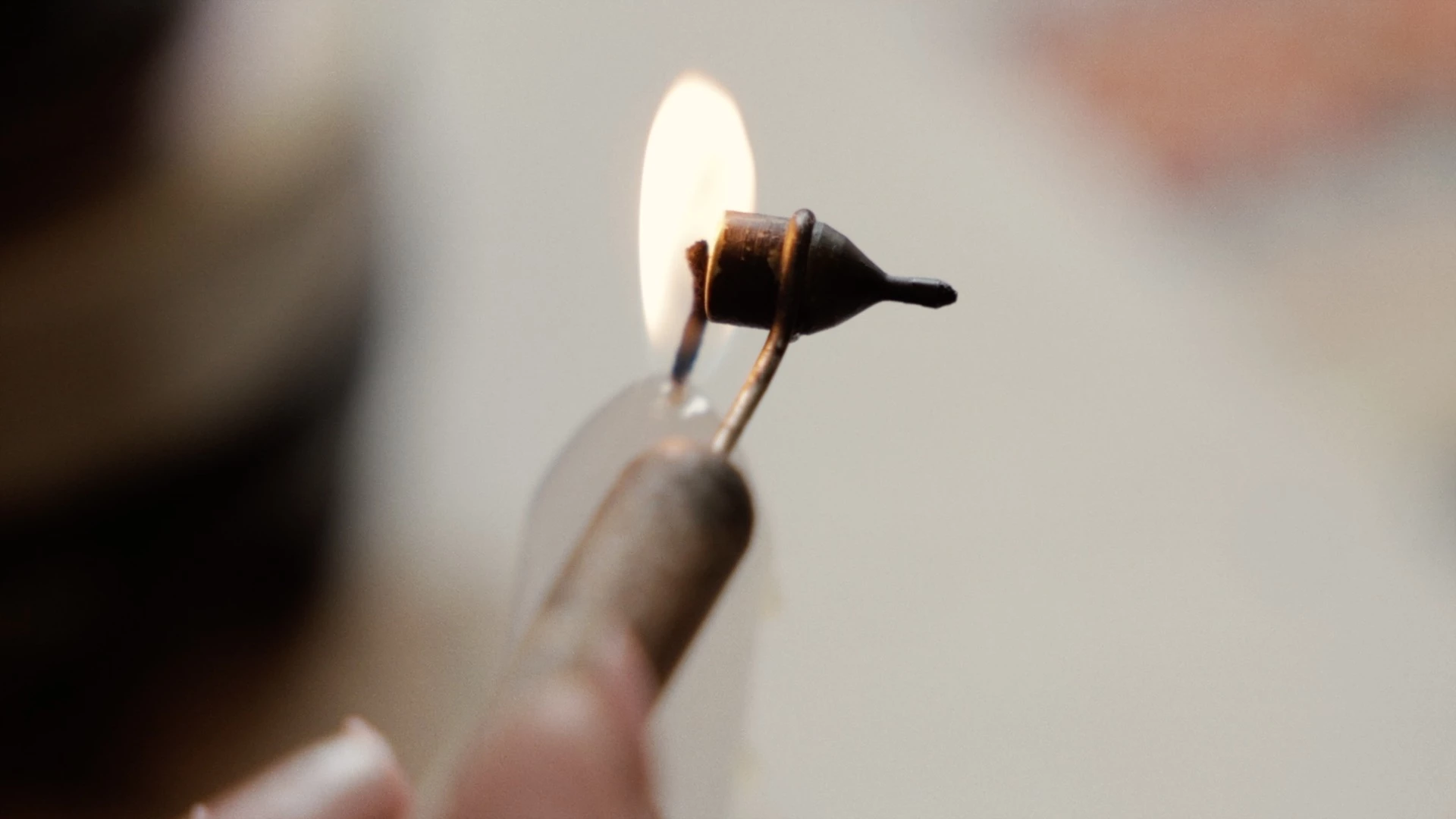
Then wax is applied to the surface of the egg using a pen.
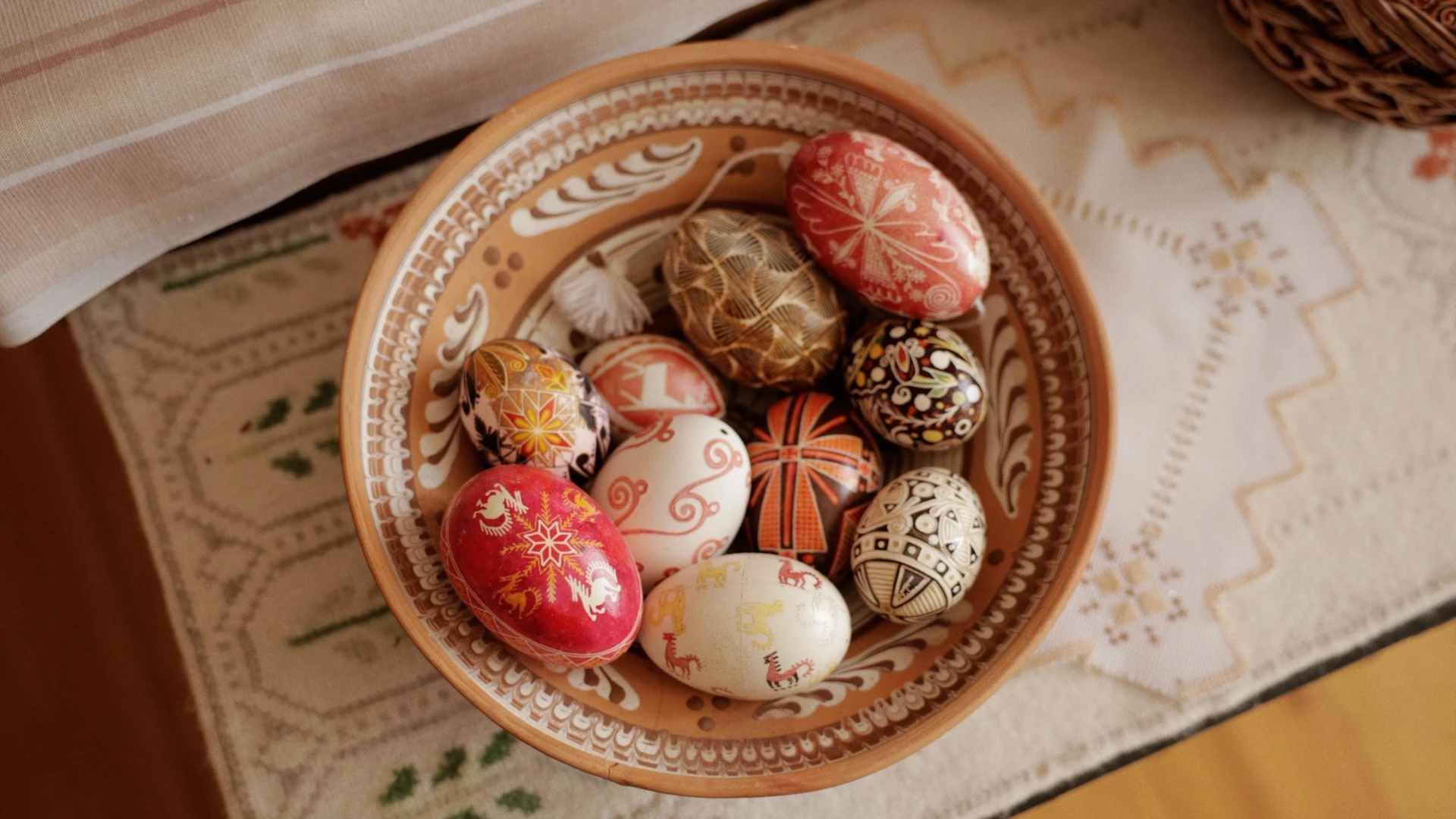
Once the ornament is applied, the egg is dipped in paint. They let it dry, then apply another layer of wax, paint it again, and so on until they get the desired result, where a different color, from light to dark, shows through each layer.
“As long as we write Easter eggs, embroider, and study our own history, evil will not win. I believe in this holiday. Preserving traditions is the meaning of life,” says Svitlana Stadnik.
Video: Yuliia Tsurkaniuk
Editor: Marina Shulikina
Producer: Marie Nikolaenko