

Thames & Hudson is publishing a new two-volume edition of Chanel in Vogue. The release is designed in a color-block style, referring to the famous two-tone slingback shoes of the fashion house. The first volume, written by fashion historian Rebecca K. Tuit, covers the period from 1910 to 1982, and Suzanne Brown has already written about the years 1983–2025. This work has a dual focus: in essence, it is a joint history of Vogue and Chanel. As Tuit says, the book chronicles “two intertwined destinies that passed through the canvas of 20th-century fashion.” And, it is worth adding, through the history of fashion illustration and photography.
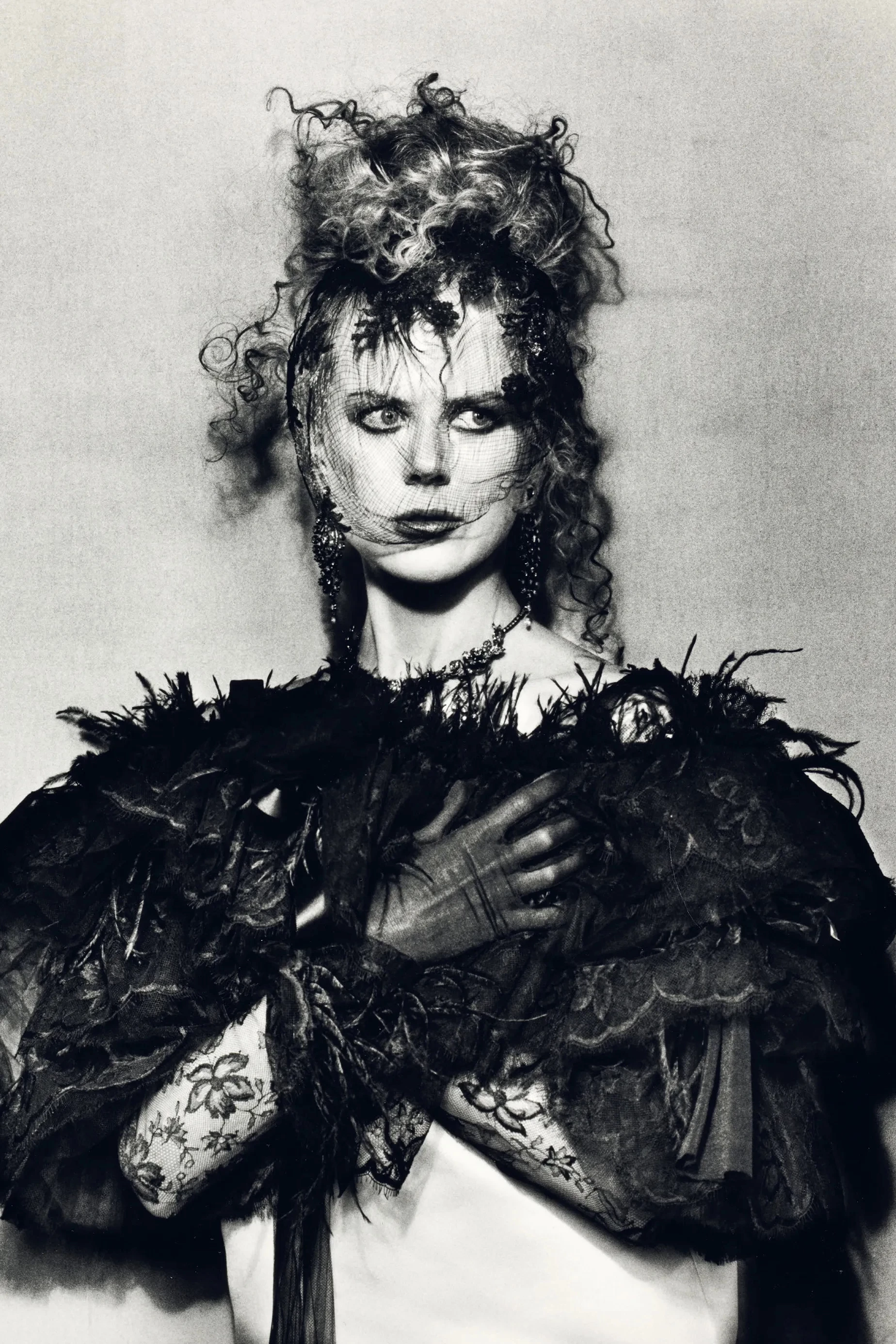 Nicole Kidman
The name Gabrielle “Coco” Chanel was first mentioned in the pages of Vogue on January 15, 1913. At the time, she was known as a milliner, and the magazine drew attention to the hat decorated with an egret (heron feather) in which the actress Gabrielle Dorzia appeared on stage. From the very beginning, Chanel's name was associated not only with fashion, but also with the wider world of culture, reflecting the trajectory of the designer's own life. She received the nickname Coco from a song she sang in cabaret. Later, she continued to support artists by creating costumes. At the same time, a circle of permanent authors gathered around Vogue, which grew steadily.
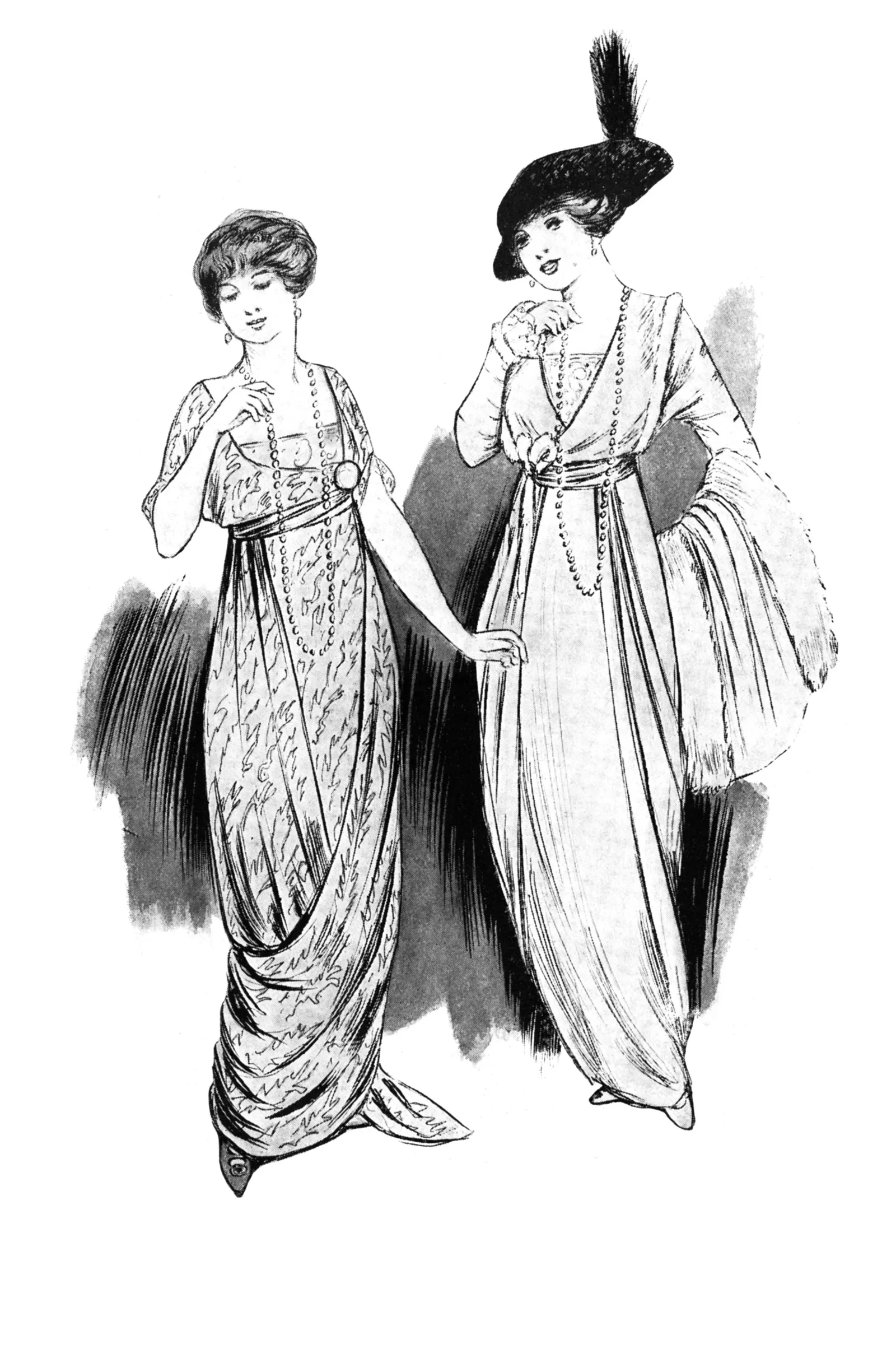 Chanel hat in Vogue, January 1913
Symbolic coincidences
The authors point to striking synergies between the brand and the magazine. In 1910, Chanel opened her first hat boutique at 21 rue Cambon, almost at the same time that Condé Nast, who had acquired Vogue in 1909, began to shape the magazine's own style. 1971 – Diane Vreeland leaves Vogue, the same year that Chanel died. In 1983, Karl Lagerfeld is appointed creative director of the House – exactly 100 years after the founder's birth. Both Chanel and Vogue have become integral parts of popular culture. According to Rebecca Tuit, both parties “understood the importance of self-promotion, protecting their image, building prestige and reinforcing their own narrative so that their legend outstrips them.”
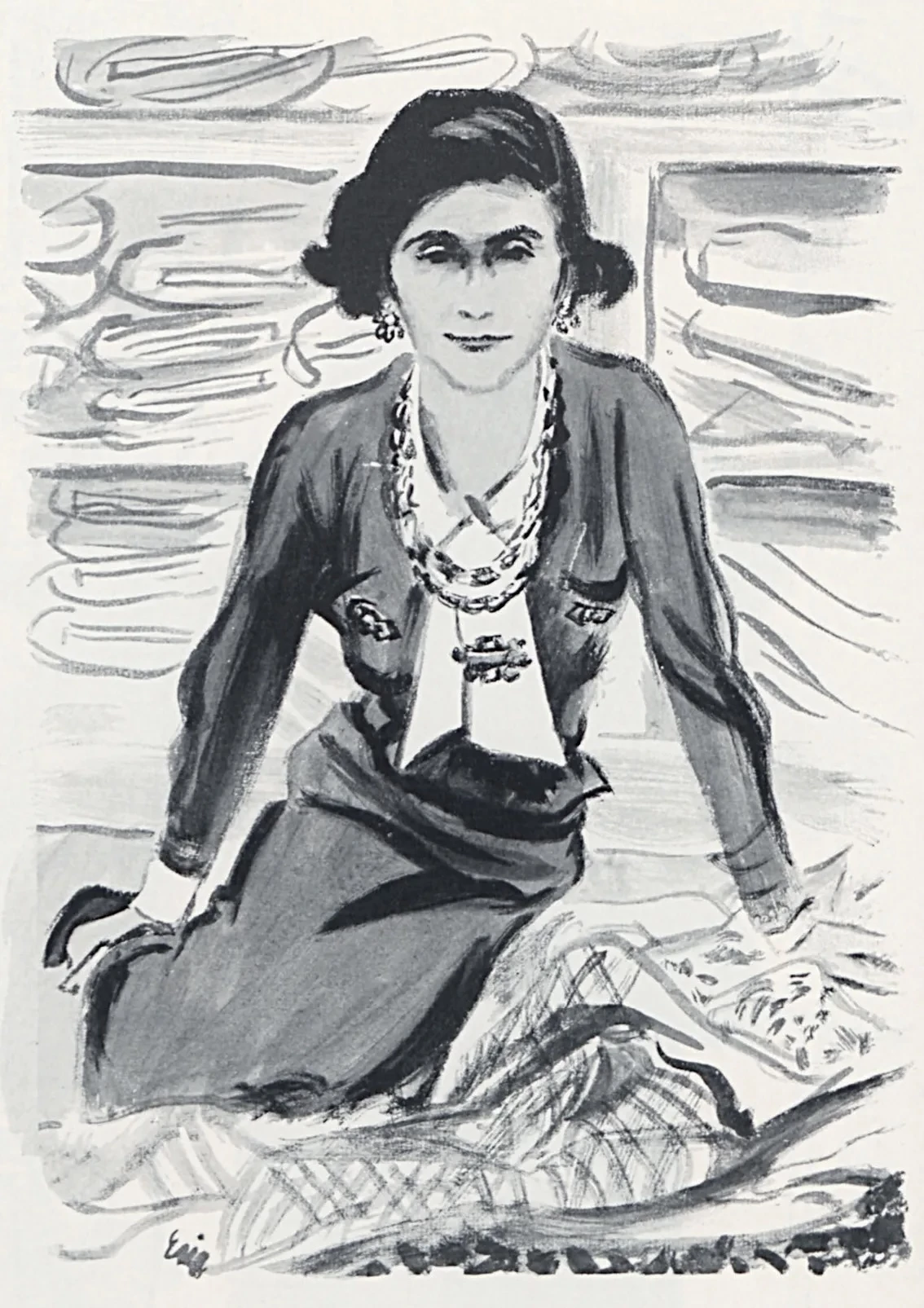 Illustration of Coco Chanel in Vogue, 1934
If the magazine's highest value was perfection without being tied to a single individual, then Chanel the woman was no less admired than the brand. At the beginning of her career, which was interrupted by World War II, forcing the designer to close her atelier and leave for Switzerland, she personified modernity in her own person; after her return, she embodied her unbridled creative energy.
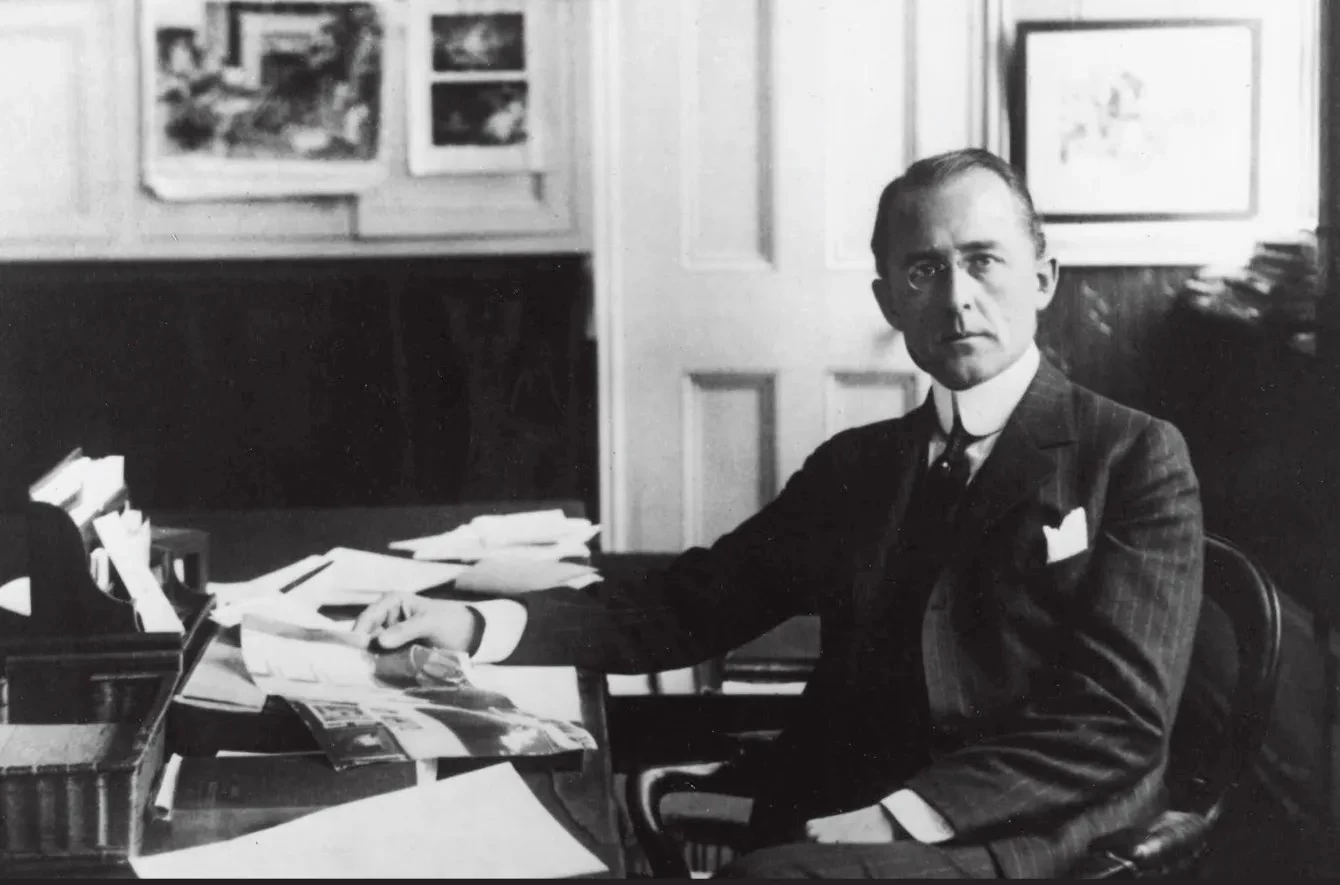 Conde Montrose Cont
Just as before World War I, the straight, corset-free silhouettes of Paul Poiret had replaced the austere curves of Charles Frederick Worth, so after the war, Chanel took Poiret's place. Tuite writes: “Of the wardrobe before 1914, Chanel later recalled: 'Woman was merely an excuse for a display of wealth: lace, sable, chinchilla, and overly expensive fabrics.' This was pure Poiret—he put women on a pedestal. Chanel, on the other hand, created for herself: she abandoned excessive adornment in favor of functionality (such as utilitarian pockets) and freedom of movement. She legitimized costume jewelry and used modest fabrics to create luxurious outfits. In 1957, Time magazine proclaimed that Chanel had invented the genre pauvre: 'She dressed women in men's jersey sweaters, created a laconic dress based on the sailor's vest.'”
Legacy and triumphant return
Chanel personified movement, youth, sportiness, and leisure. “Women’s lives were changing in real time,” Tuitt notes. Chanel embodied these changes in fabric, and Vogue embodied them on paper. Photographer Horst P. Horst once said that Condé Nast’s support of artists effectively created fashion photography as a genre. “Make Vogue the Louvre,” photographer Chase Edward Steichen wrote to editor-in-chief Edna Woolman. Chanel was also a multifaceted figure: she was not only the best model for her own clothes, but she also had a knack for business. By photographing Chanel in her home, Vogue demonstrated the absoluteness of her style.
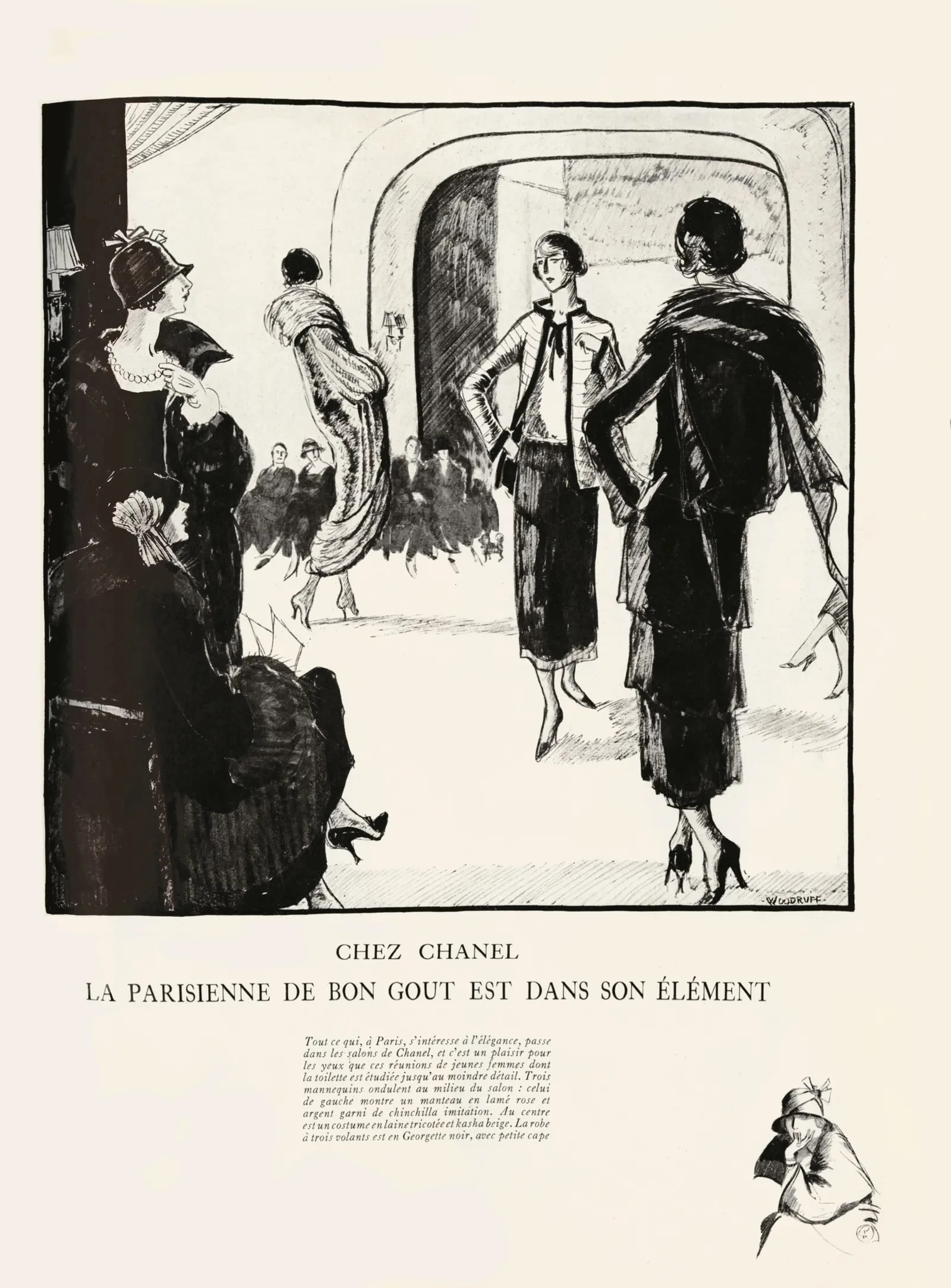
After the war, Chanel returned with a new collection in February 1954. The French received it coldly, but the Americans were delighted. Five years later, Vogue noted that in 1959, “Chanel's Power” had conquered both Paris and the States. The magazine attributed this success to visionary and hard work. But Tuite adds that there were other, more elusive elements associated with her creative magic and mysticism. Vogue declared Chanel “the greatest individualist who ever worked with a roll of fabric.” From this material, she created a “uniform” that any woman could adapt to her active life.
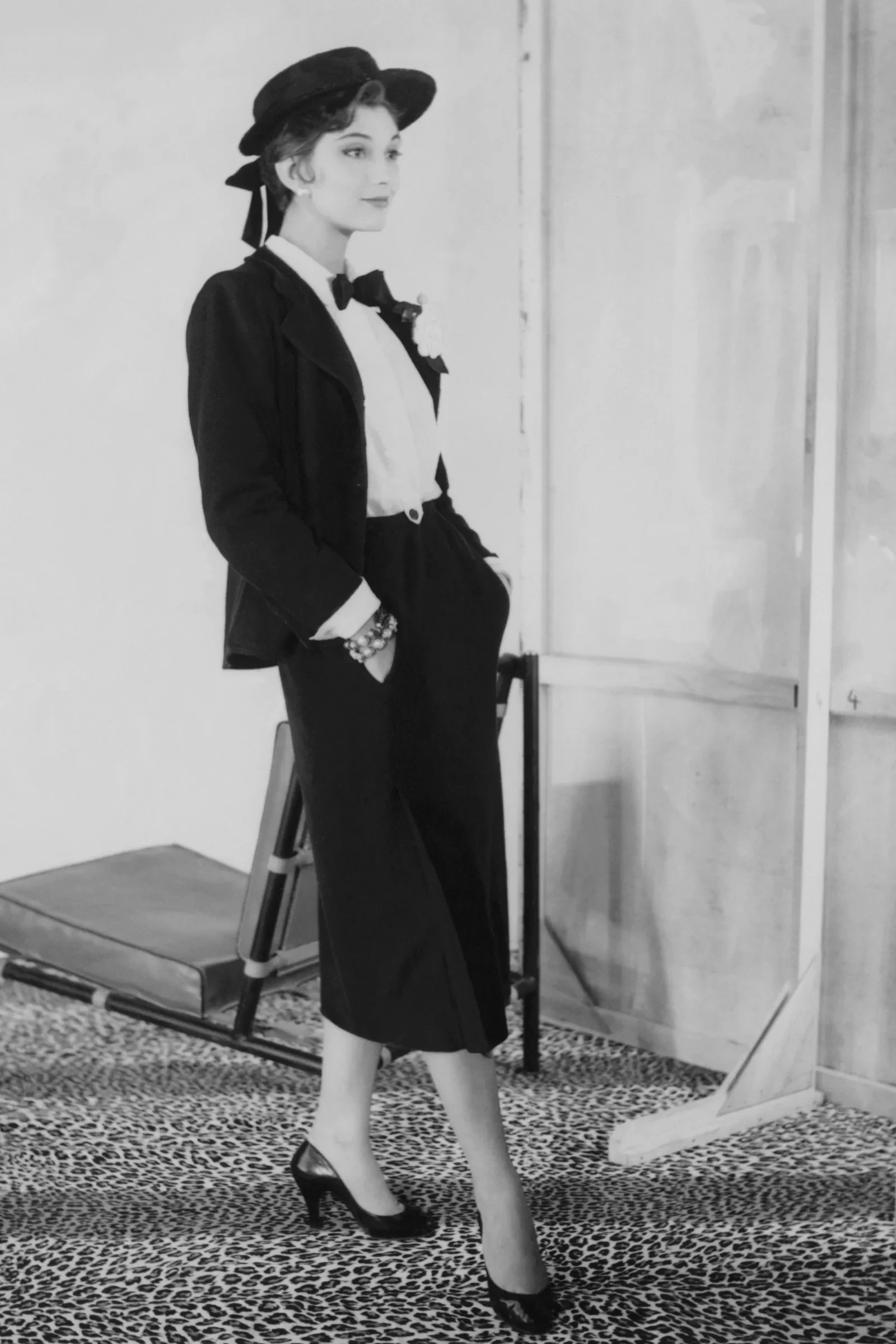 1954
1954
The era of Lagerfeld
Coco Chanel's fame was so monumental that in 1969, Katharine Hepburn played the designer in the Broadway musical Coco, with costumes designed by Cecil Beaton. In 1983, when Karl Lagerfeld was invited to lead the House, the fashion world was obsessed with supermodels and beginning its flirtation with Hollywood. By the time of his death in 2019, Lagerfeld had become a global star. As Brown writes, in an era of “the cult of celebrity, Lagerfeld himself had become an icon.”
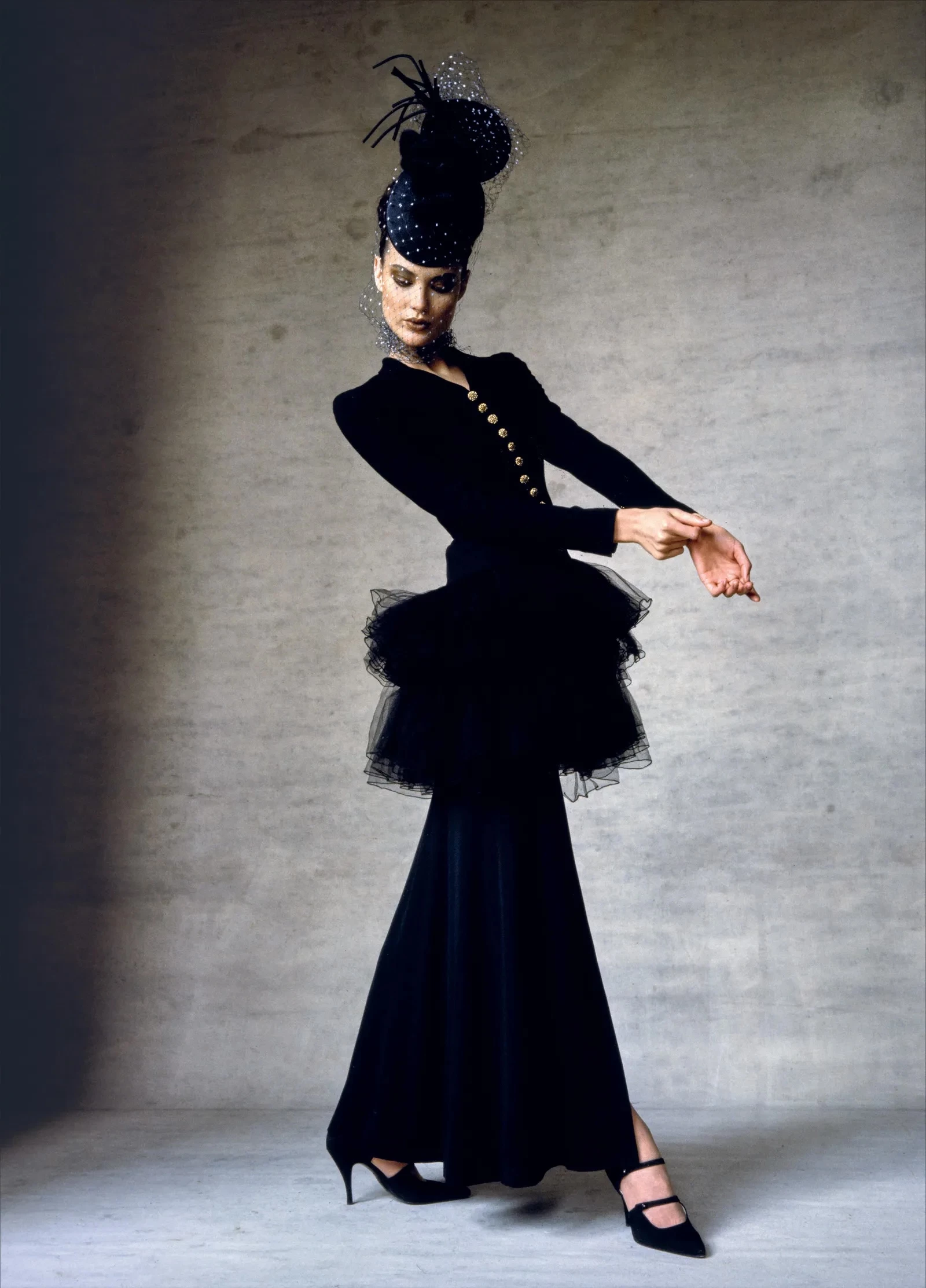 1996
1996
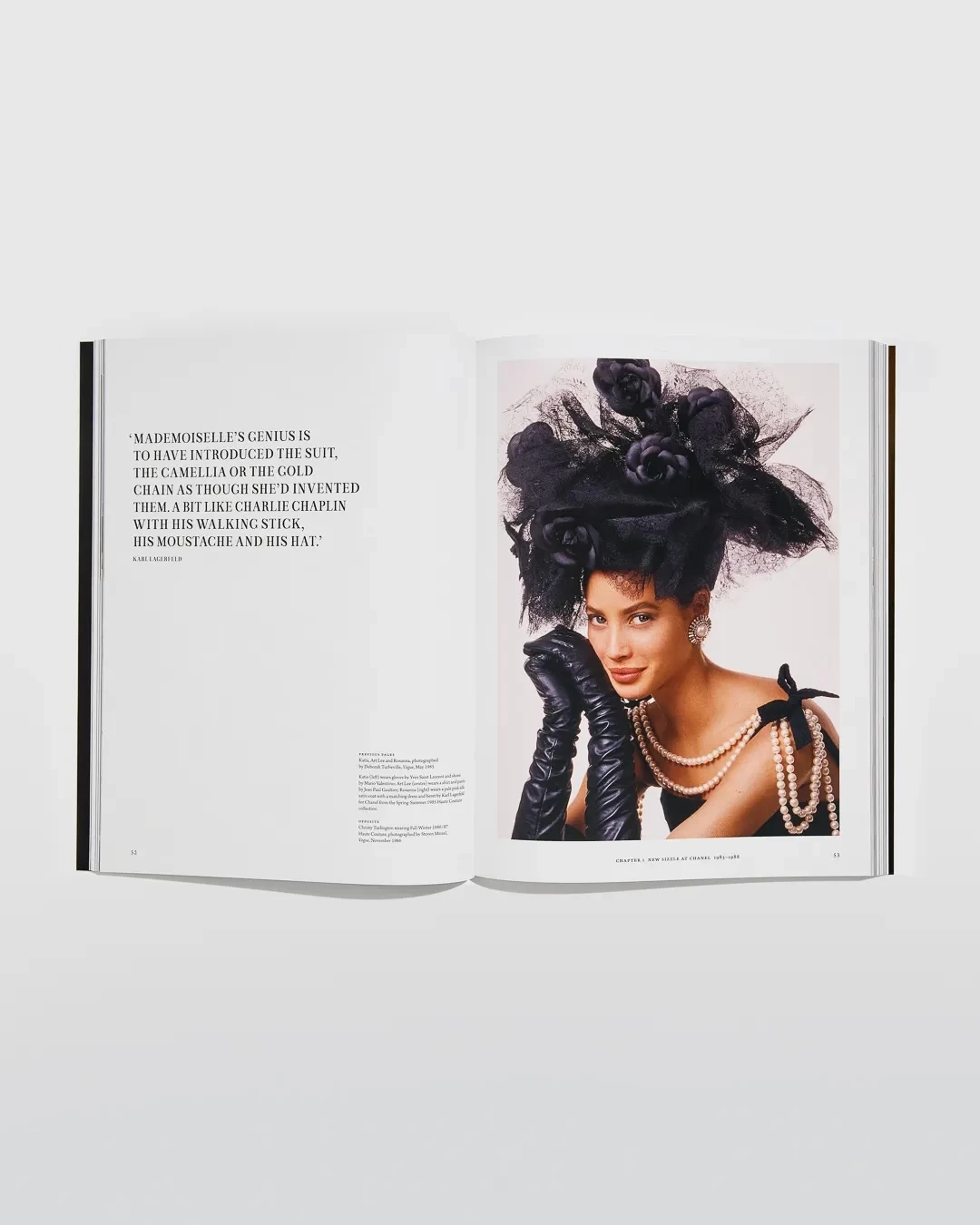
“Sleeping Beauty” is what the German designer called Chanel when he first arrived at the brand. By awakening the fashion giant, he legitimized what Vogue at the time dubbed “a daring mix of high and low.” Brown describes how the magazine’s pages featured work by different photographers, allowing for a combination of “historical elegance and youthful rebellion”—traits that also defined Lagerfeld’s approach.
Digital era
The rise of media and global digitalization coincided with the emergence of more spectacular shows and star-studded front rows. American Vogue, founded in 1892, began its global expansion in 1916 with the launch of a British version, followed by a French one in 1920. Between 1999 and 2020, 15 new editions of Vogue were launched around the world, greatly expanding the influence of both the magazine and Chanel.
The glossy pages reflected not only changing trends, but also a renewed roster of authors and creators whose work reflected changes in visual culture. Notably, Annie Leibovitz, who joined the team in 1998, had access to technology that Steichen could not have dreamed of. For example, the portrait of Karl Lagerfeld in Vogue’s famous 2003 “Alice in Wonderland” portfolio was created using Photoshop.
New chapter
The world was changing rapidly: in 2000, Style.com launched, five years later, the world saw a large-scale Chanel exhibition at the Costume Institute, and then Instagram appeared – a platform that opened the world of fashion to an even wider audience. It also made photographer Tyler Mitchell famous. In 2018, he became the first black photographer to shoot the cover of Vogue.
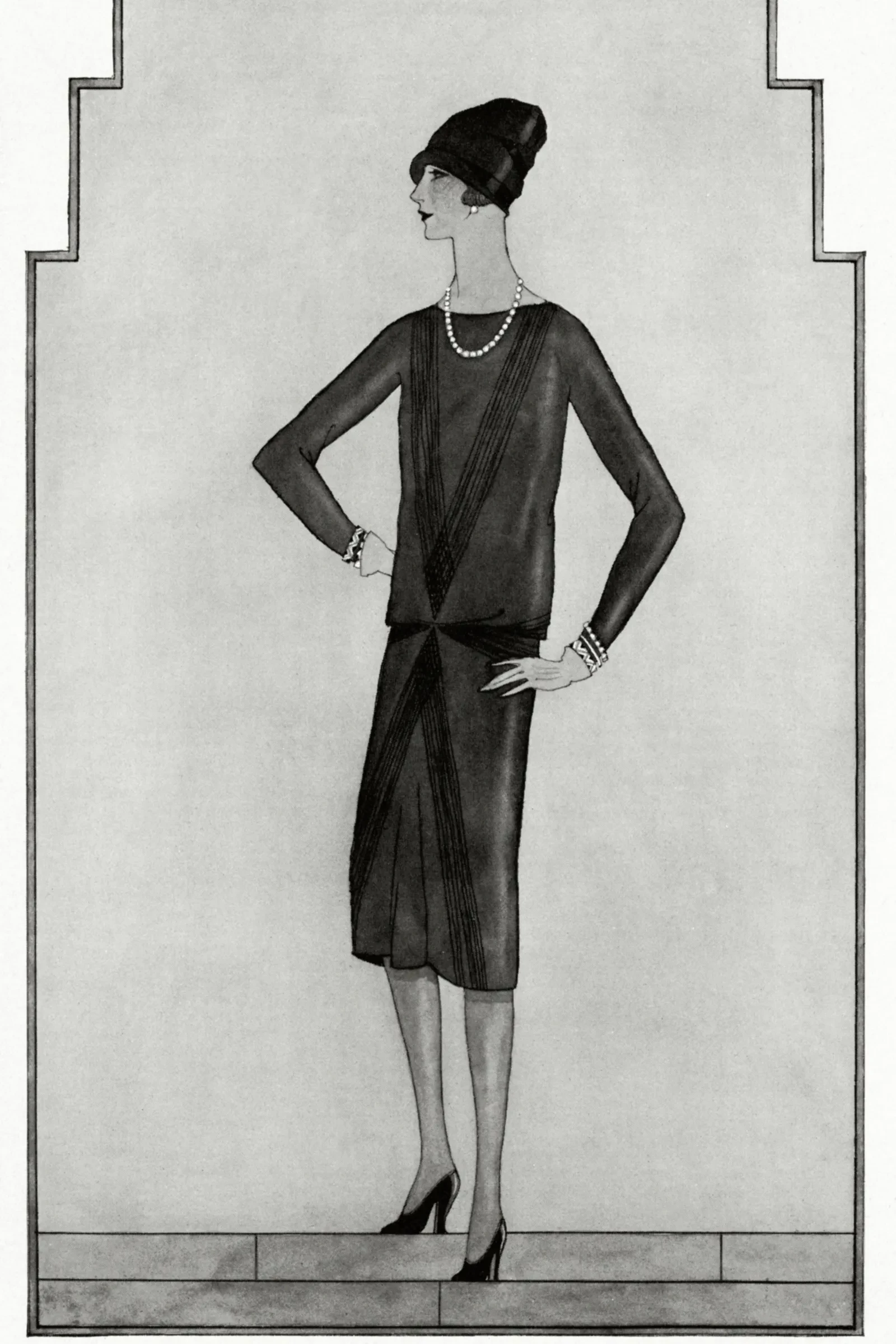 1926
1926
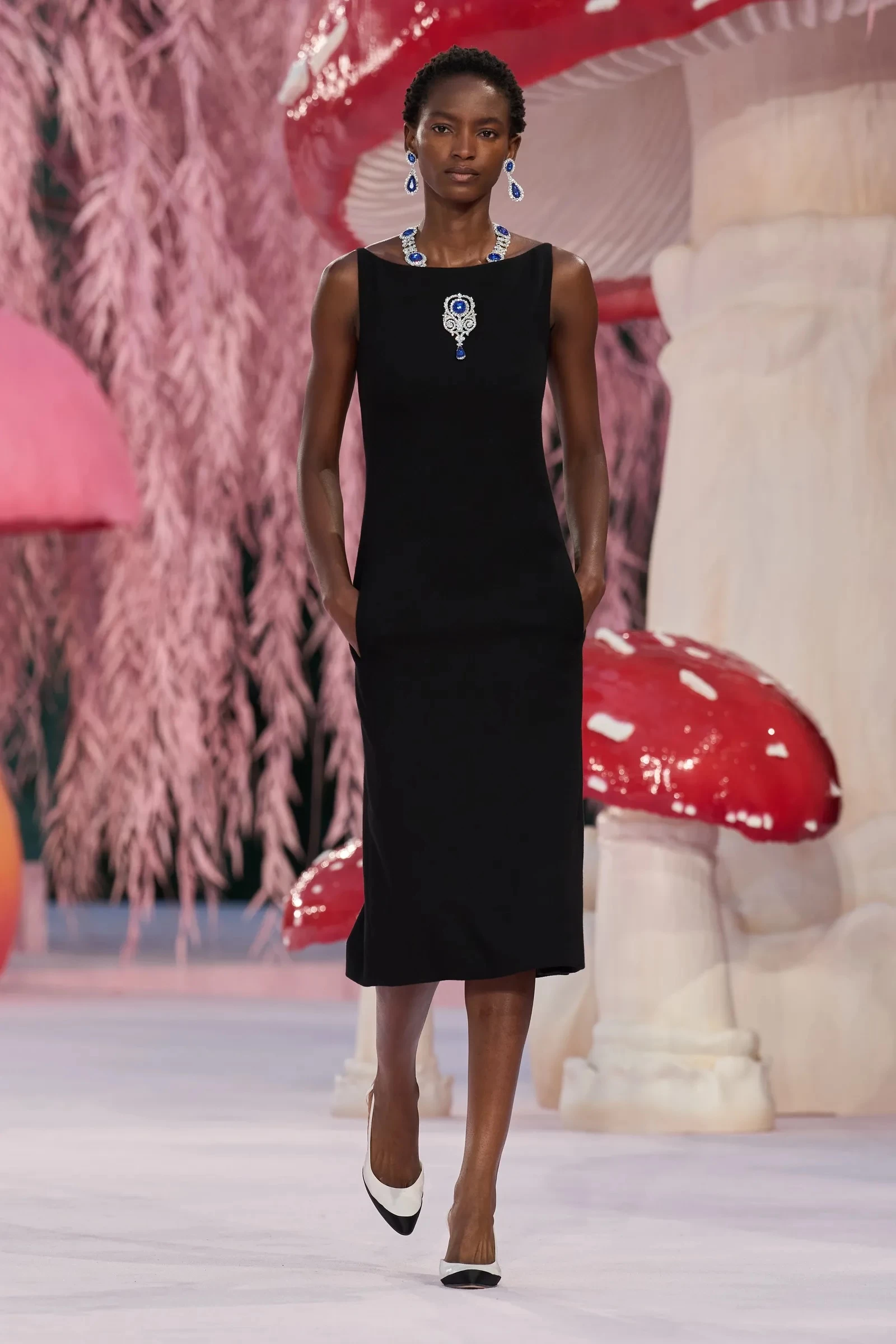 2026
2026
With the appointment of Virginie Viard as creative director in 2019, Chanel has once again started designing by women for women. In 2024, a year after Lagerfeld became the subject of an exhibition at the Metropolitan Museum of Art, Mathieu Blasi will take over the House. He is currently writing a story that could eventually become the third volume of Chanel in Vogue.