

Artist Polina Moroz studies the nature of people — in meditative works and abstract objects created on the border of reality and dream. Venya Brykaliin met with her.
Advertising.
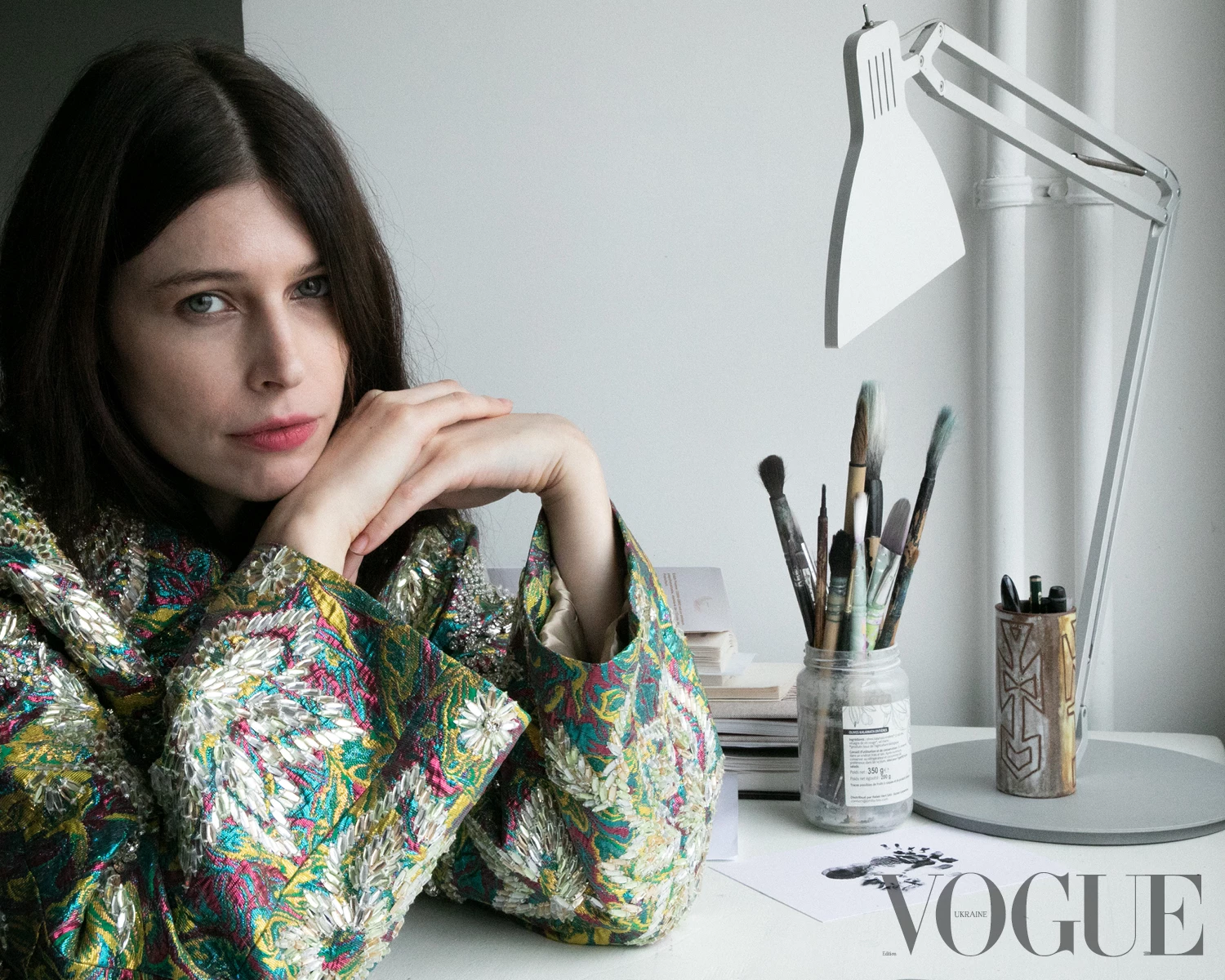
“All my series are based on the study of human psychology. If I weren't doing art, I would be studying anthropology. I am very interested in people and their states,” says Polina Moroz. Her abstract graphics with clear, almost surgical lines and trembling watercolors best fit the definition of “dreamy.” The artist often depicts flowers that turn into dynamic spots of complex colors, and blurred everyday objects that take on a totemic appearance: “We all have a desire for transcendence – I achieve it through my practice.”
Polina Moroz was born and raised in a family of architects in Kyiv. At her parents' request, she studied architecture at the Art Academy and worked as a model at the Faces agency. We met in the early 2010s — back then, no one seriously used the term it-girl, but among the creative youth who migrated between spontaneous picnics on Peyzazhnaya Alley and parties at the Khlib nightclub in Podol, Polina, with her mop of blue-black hair and signature red lipstick on her lips, was just that. Then came a move to Sweden, a master's degree, then New York and a dream of working at the Herzog & de Meuron architectural bureau.
The most interesting thing we have is exploring who we are, what we do, how we live.
Polina met her future husband and father of her child, Joaquim Bouaziz, at a Manhattan party — they were introduced by a mutual friend, Ukrainian photographer Tanya Posternak. “It was love at first sight — we never parted again,” recalls Moroz. Due to problems with her work visa, they decided to return to Europe. Joaquim is an electronic musician, composer, and DJ (in 2024, he performed at the Paris Philharmonic with a performance based on the work In C by American minimalist Terry Riley — Polina designed the cover for the vinyl release of this recording). A new home meant a new life: in Paris, Moroz turned to object design and devoted herself to her long-standing dream — art.
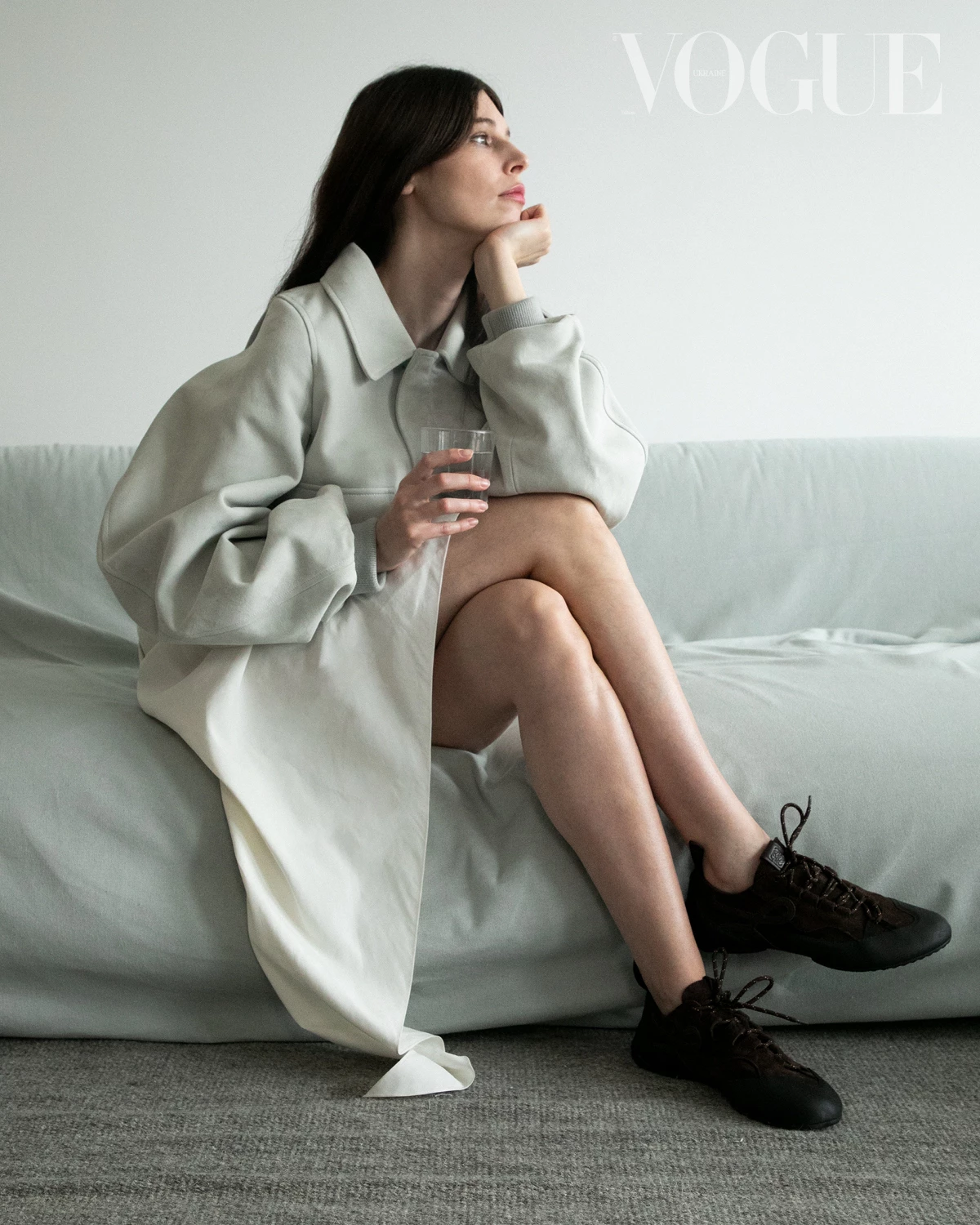
Both tall, with delicate features and a delicate manner of communication, Moroz and Boaziz are as similar as brother and sister. In April 2023, they held a performance together at the La Tour Orion art center, where the artist’s studio is located. The monstrous concrete building in the eastern suburbs of Paris was then being actively prepared for a major renovation: at the initiative of curators Gabrielle Balagueri and Mathilde Badi, a collective of artists stationed there presented a group project-research of the place.
In this work, Joaquim performed an audio set composed of the sounds of the building: the lock bell that closes the door of Polina's workshop, and a mechanical voice that comments on the life of a public elevator. In an unusual image for her as a sexy office worker (hair pulled back, tight pencil skirt, thin frames in the style of classic Prada collections of the 1990s), Polina read the contents of documents found in local archives. In French, of course. In official papers, one of the locals demanded that the authorities not cut down a nearby tree – in Polina's performance and in ASMR processing, this nomenclature opus sounded like a sexual diary. I ask what the audience was supposed to take away from this performance. “I don't want to give instructions to the viewer,” says the artist. “That's the beauty of art – to evoke a new emotion, an impression in a person. Even if you don't like the work, it provokes the question “why”. The most interesting thing we have is to explore who we are, what we do, how we live. Performance is one of the ways to direct a person on this search.”
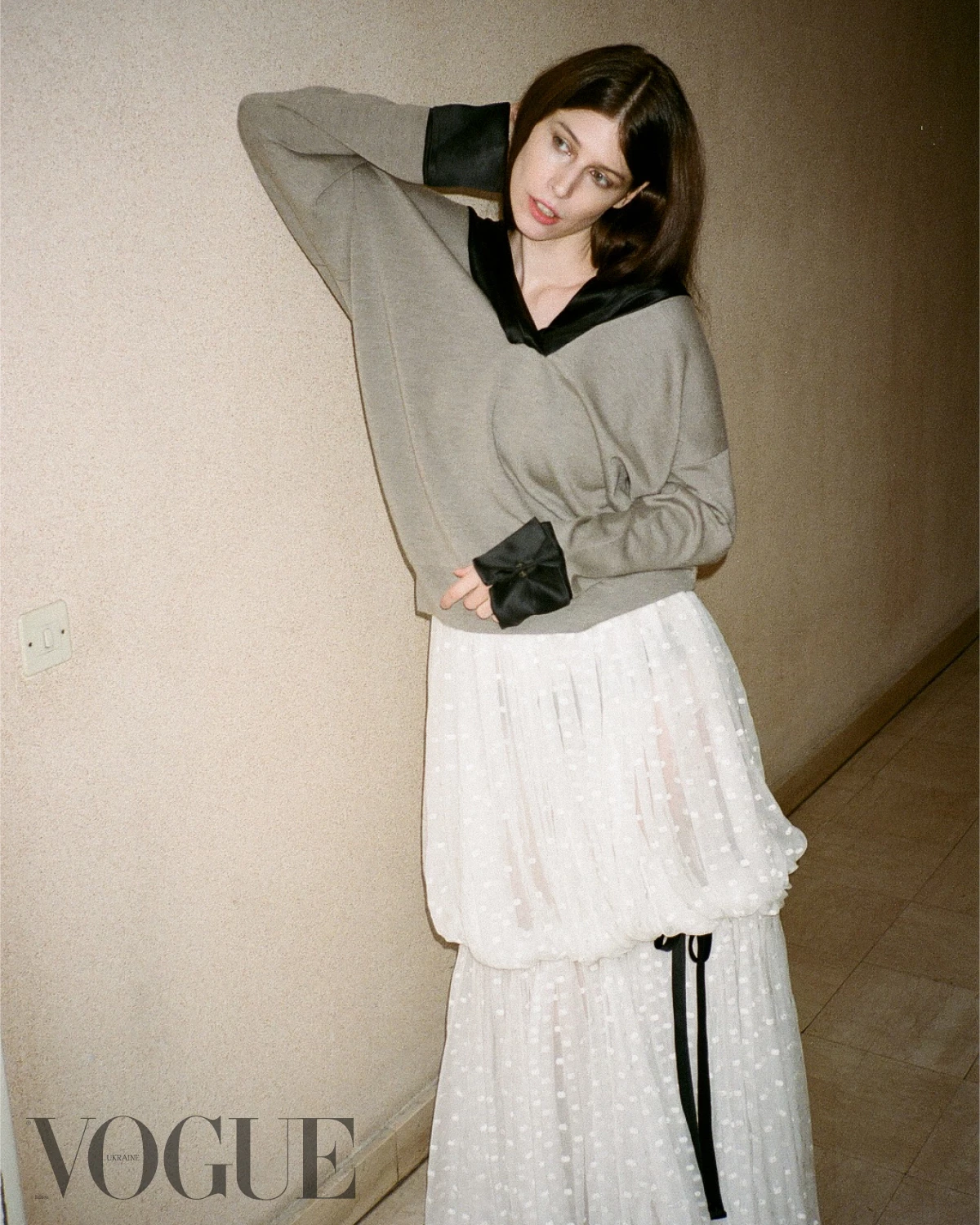
Despite her professional modeling career (she has worked in New York and Paris, and was the muse of designers Artem Klymchuk, Lilia Pustovit, and Ruslan Panchuk), Polina is unusually private, even shy. It seems that at any moment she could escape from the interlocutor – dissolve into thin air, like one of the ghostly objects in her works.
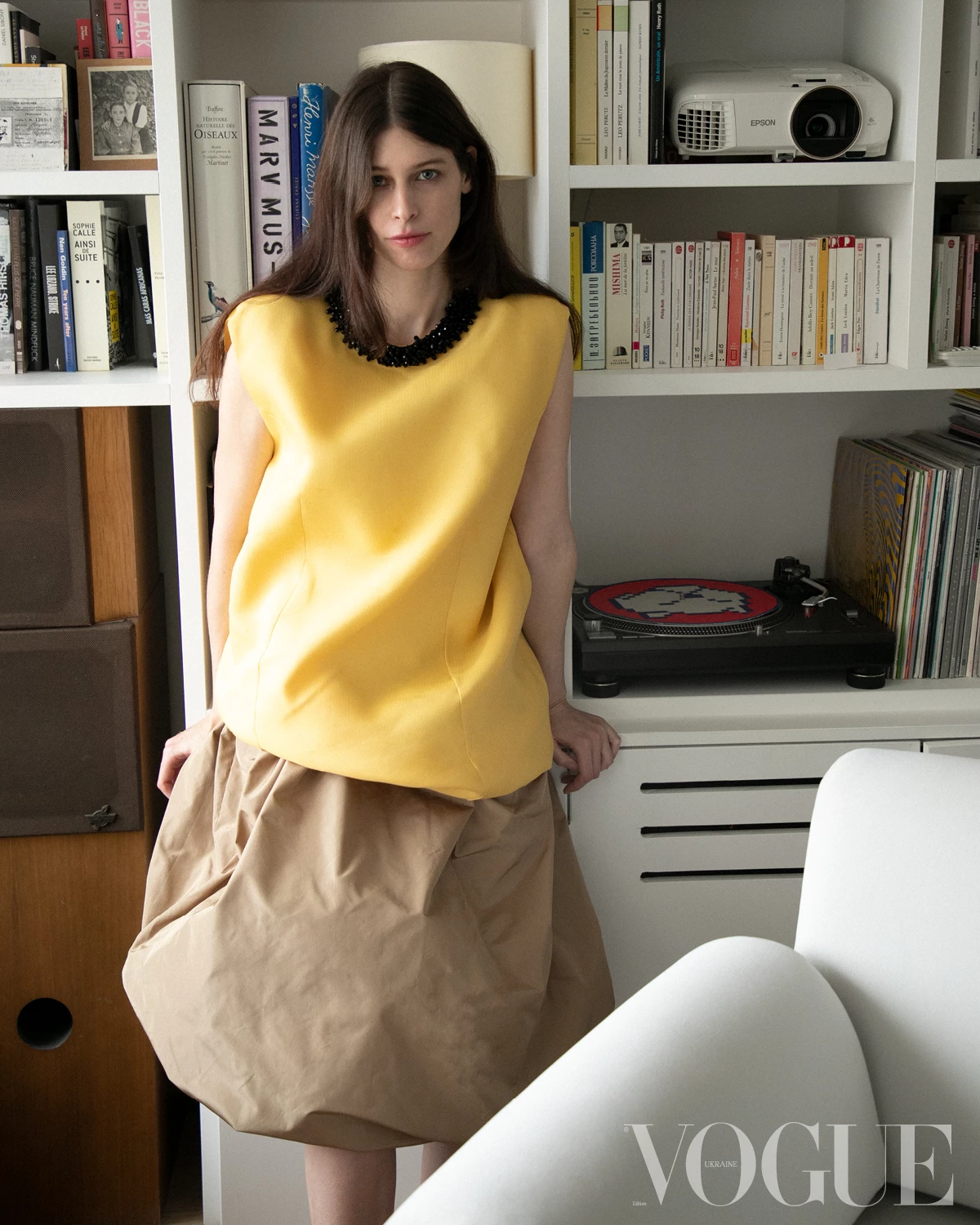
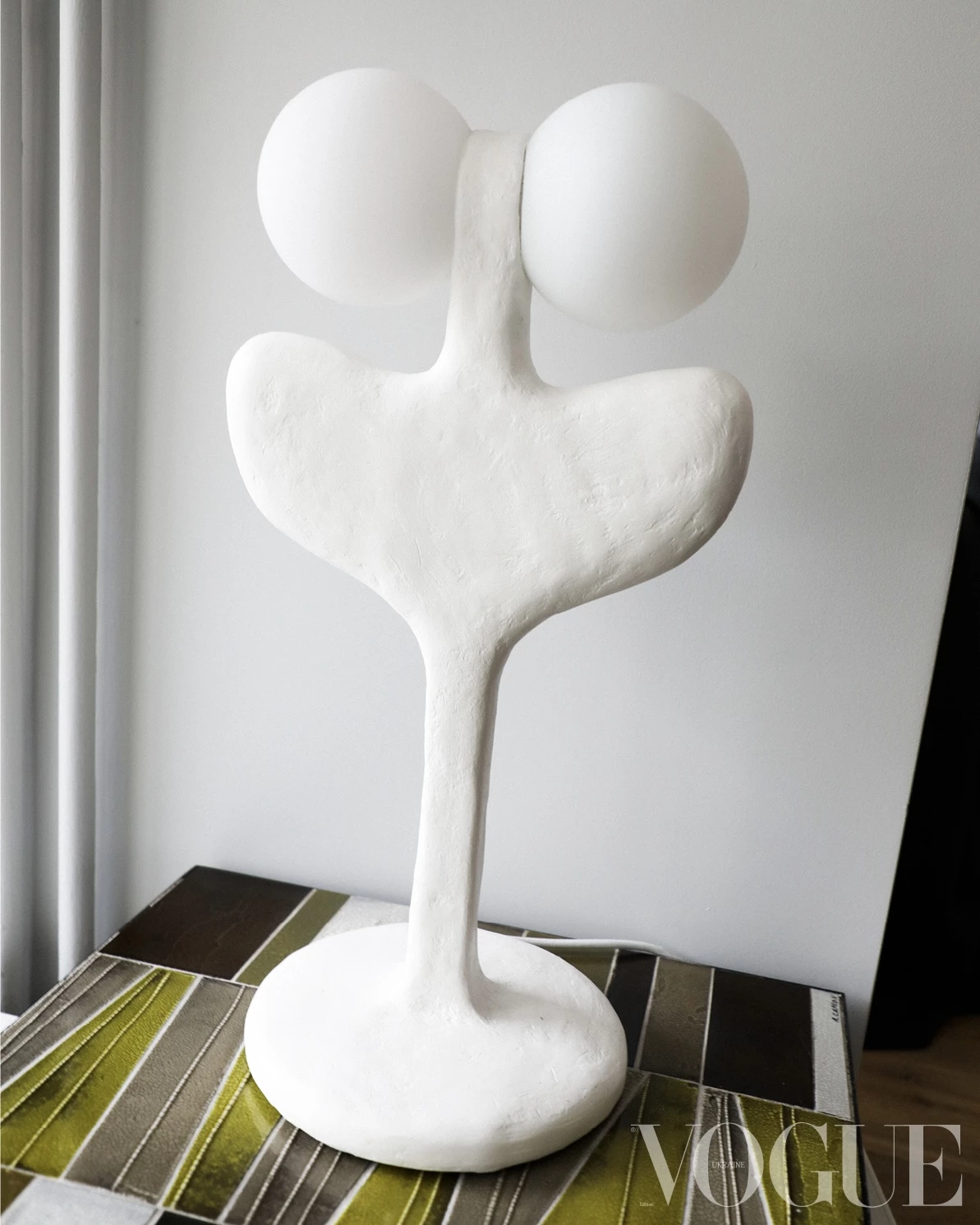
During a Vogue Ukraine shoot in the couple's bright apartment in the eleventh arrondissement, we photograph the snow-white, plaster-covered “plant” Pollen lamp, made by Polina for the Zurich Teufelhof hotel. Nearby is a monumental Carioca desk, two legs of which seem to be formed from molten plasticine. In the hall hangs an “Odesa” mirror: a round frame decorated with an eternal cycle of macrodroplets. On the living room floor is one of Moroz's most popular objects: a Maremata lamp made of oxidized bronze, reminiscent of a strelitzia flower. “These are utilitarian things and at the same time they are sculptures, elements of abstract form, with which it is not entirely clear what exactly you are looking at,” comments their author.
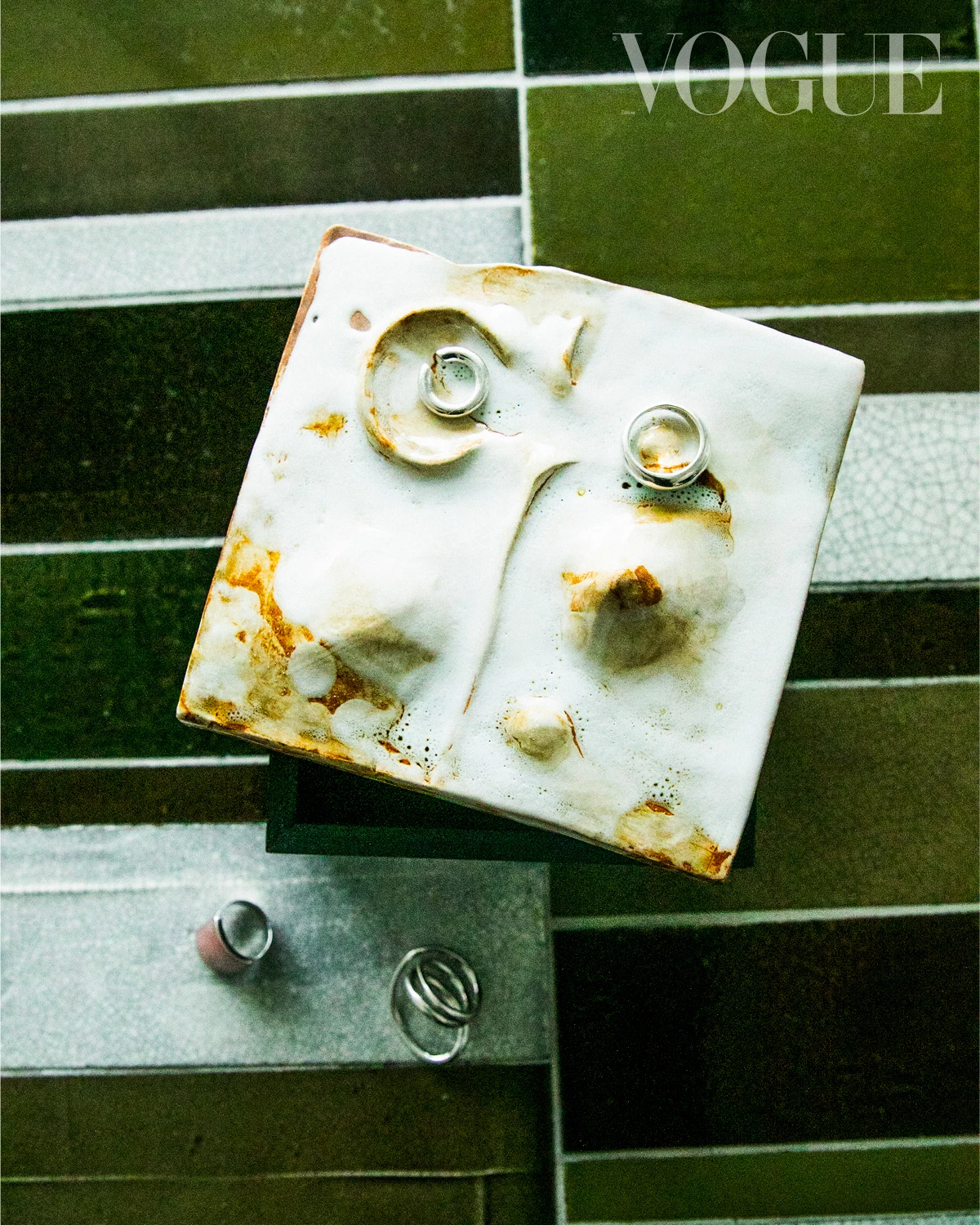
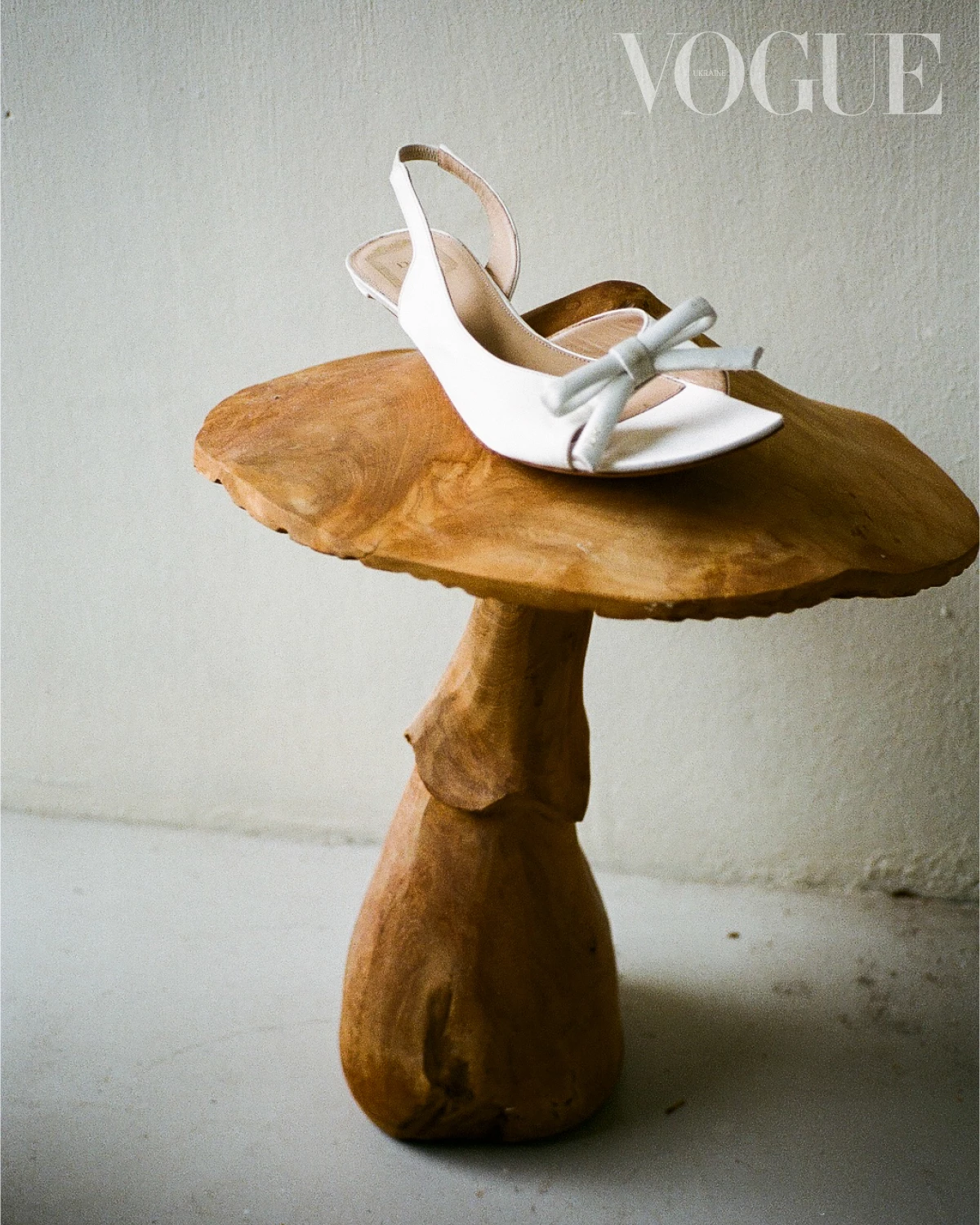
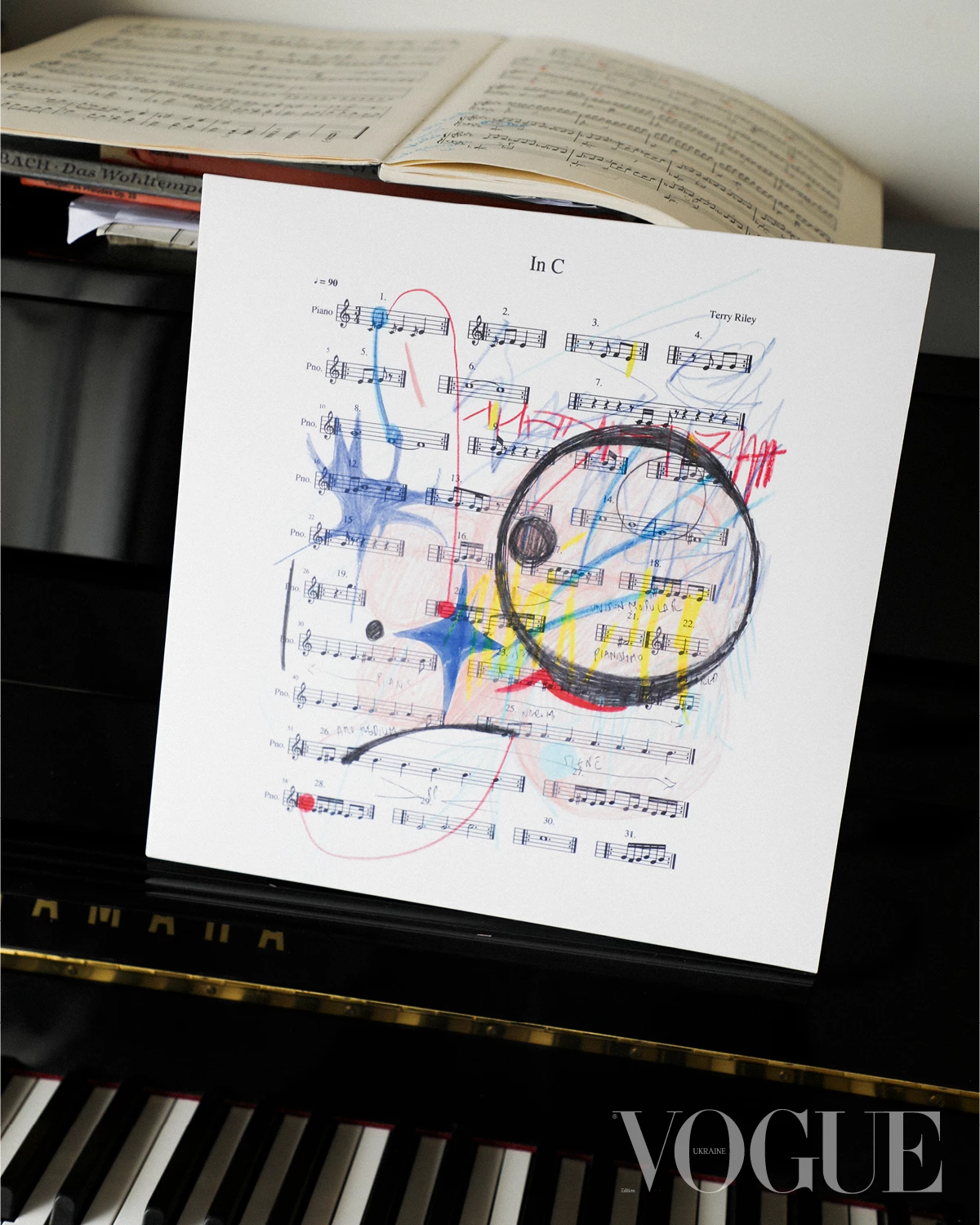
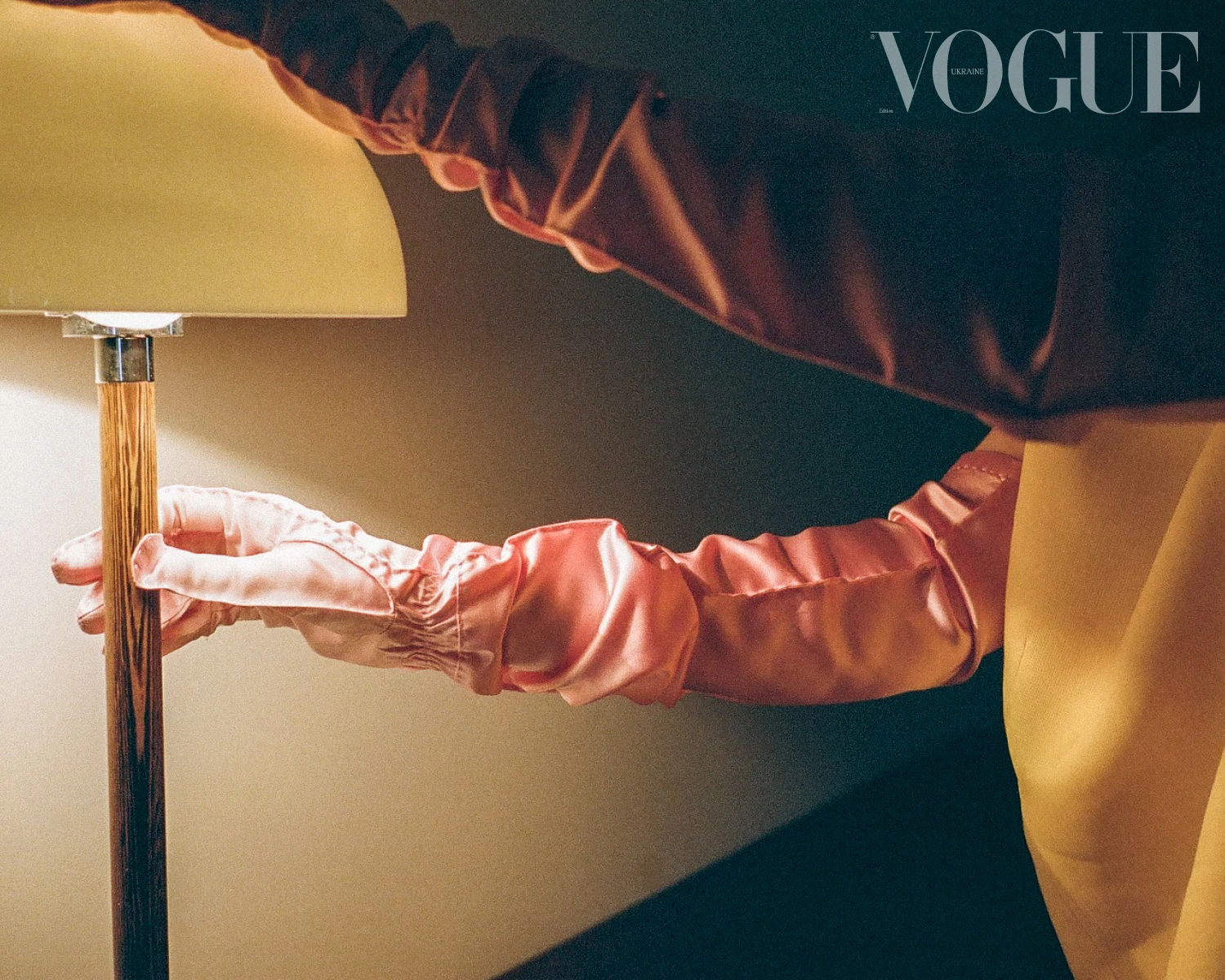
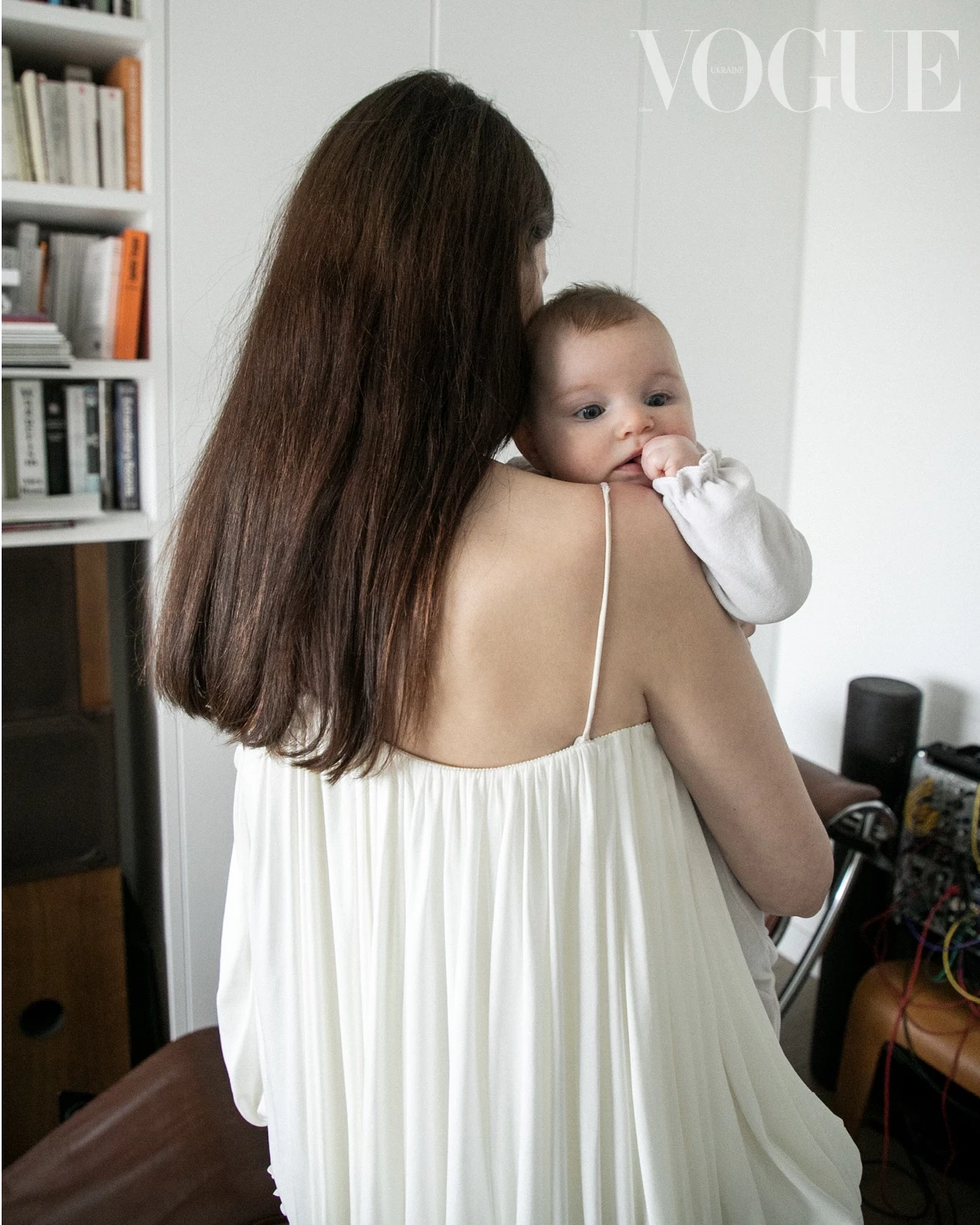
“My work is about the love of color and the liberation of beauty. There are moments when I see something amazingly beautiful and I want to share my vision with others.” Last year, Polina Moroz became a mother. Her daughter, who was born in November in Paris, was named Bella Lyubov, in honor of the artist's grandmothers: “Motherhood opens up a completely new dimension of love and feelings that I have never felt before. It cuts off everything unnecessary – time becomes less and all doubts disappear, instead there is a feeling of power, that everything is possible – you just have to work.” At the end of our meeting, I ask Polina what her favorite color is. “Delicate blue – like my daughter's eyes.”
Photo: Cole Fawcett
Style, text: Venya Brykalin
Hairstyles and makeup: Yulia Zalesskaya
Assistant photographer: Alexandre Yague
Assistant stylist: Maksym Fadeev