

We are starting spring with a large-scale exhibition of Boychuk artists at the Ukrainian House; we also have a star exhibition at the PinchukArtCentre, which will later be shown at the Venice Biennale, and an illustration exhibition at the Mystetsky Arsenal.
“Spring. Female names of Boychukism”
Ukrainian House, March 5 – April 12
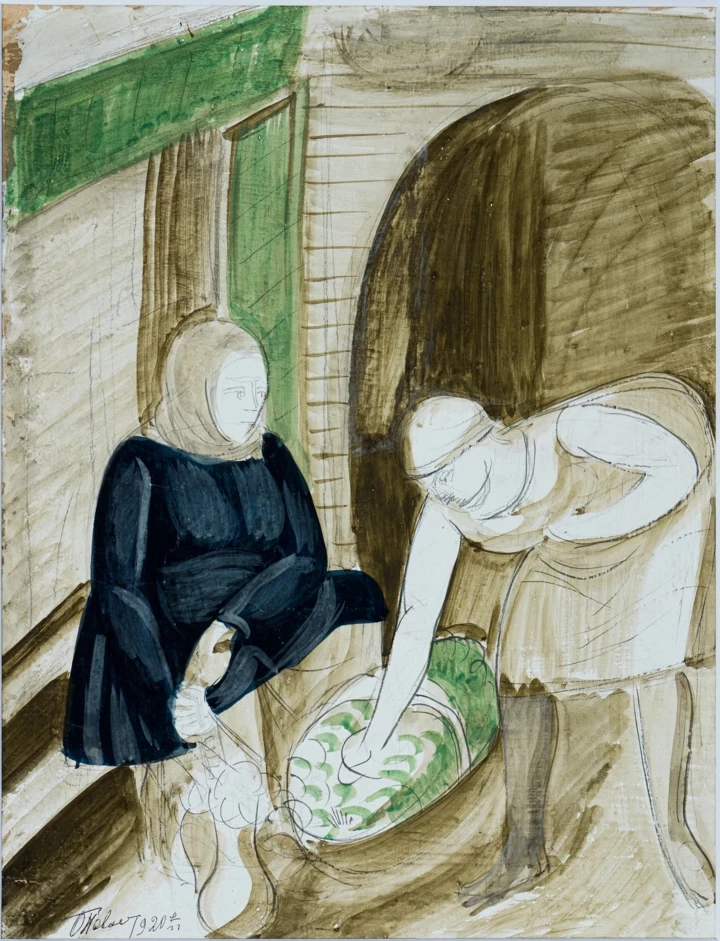
One of the main exhibitions of the spring is a project dedicated to female artists of the Boychukism school. The exhibition highlights the names of Oksana Pavlenko, Antonina Ivanova, Vira Bura-Matsapura, Sofia Nalepinska-Boychuk, Maria Kholodna, Yaroslava Muzyka and other Boychukists – outstanding artists of their time. Boychukism appears as a multi-voiced artistic space in which women's contribution was of fundamental importance for the formation of a new visual code, say the curators of the project.
The special role of the Boychukists is also in preserving the tradition. After the mass executions of the school's artists during the Soviet terror, Boychukism was declared hostile, and its works were condemned to destruction. Archives were destroyed, murals were painted over, names disappeared from the public space. In this atmosphere of fear and total control, it was women who became the silent guardians of memory: Oksana Pavlenko, Yaroslava Muzyka, and Antonina Ivanova survived these years and preserved in great secrecy fragments of the artistic heritage of the Boychukists – sketches, works, memories, the very idea of the school.
Advertising.
“Silent Portrait. Natalia Lisova”
Dymchuk Gallery, March 5 – 29
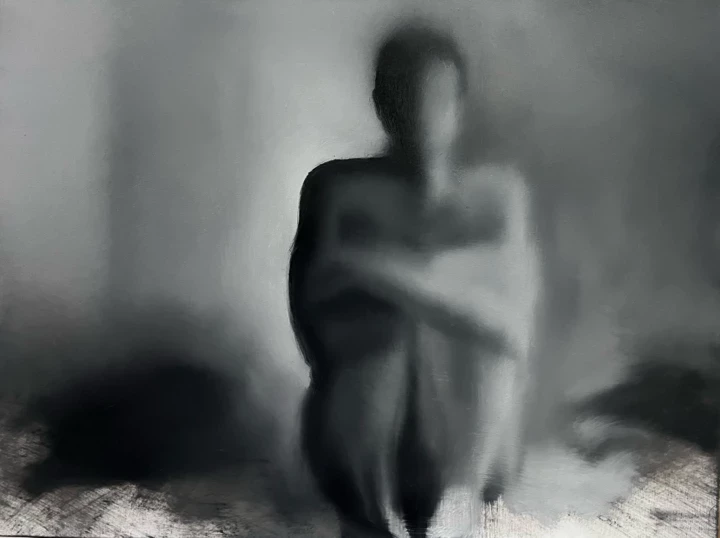
The main motif of the series of works by Natalia Lisova is the human figure. This is not a portrait in the classical sense and not an image of a specific person. The figure is reduced to minimal bodily features – a silhouette or a fragment. The focus remains on the intensity of presence and silence. The exhibition presents paintings from 2022–2026.
Group exhibition “Joy”
PinchukArtCentre, end of March
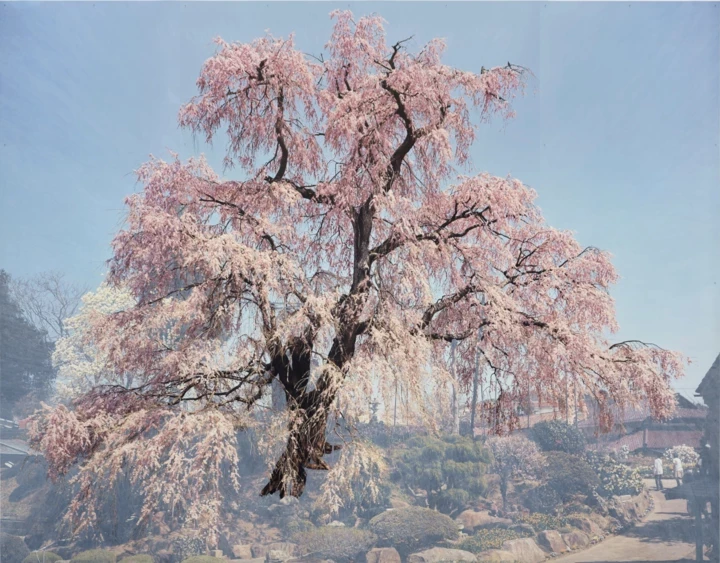
At the end of March, the PinchukArtCentre will present two new exhibitions – a large-scale group project “Joy”, in which Ukrainian and international artists explore one of the most important emotions that gives us strength in difficult times, and an exhibition of the Research Platform, which focuses on the works of Ukrainian artists of the 2000s–2010s who worked with the theme of corporeality (the body as a tool of self-determination and resistance).
The “Joy” exhibition will also be presented as part of the parallel program of the Venice Biennale in May this year.
“Cultural suitcase”
Concourse of Kyiv Railway Station
March 6 — April 5
The exhibition offers a look at Ukrainian culture through the personal belongings, archives, and stories of prominent Ukrainian figures. Among the artifacts that the project team collected for this exhibition are the suitcase of composer Stanislav Lyudkevych, the original lyrics of songs by Andriy Kuzmenko (Kuzma), notebooks with famous poems by Serhiy Zhadan, the score of “Carol of the Bells” by Mykola Leontovych from 1936. As well as a sketch project of the facade of the Kyiv railway station by architect Oleksandr Verbytskyi – an important cultural and transport symbol of the capital.
“'Cultural Suitcase' appeals to people on the move: going abroad, to the front, home. In this movement, culture becomes a way to maintain a connection with one's roots and country,” says project curator Katya Taylor. The exhibition was realized by Port of Culture in collaboration with Bolt.
“Zhenya, Lera, Ira”
Space 3.6.9 Space, until March 29
“Zhenya, Lera, Ira” is an exhibition created in collaboration with Spilne Art and the Atelier Normalno workshop, which works with neurotypical artists. The works are made using the co-creation method, where picturesque landscapes and other works by Lera Tarasenko are complemented by graphic drawings by Zhenya Golubentsev and Iryna Goloborodko. The practice is carried out without prior planning, forms its own world and immerses the viewer in it. The method of collaborative work began with Zhenya Golubentsev's unexpected intervention in Lera Tarasenko's almost completed work, which later became the basis for a year-long process of experiments and reflection on authorship, community, and willingness to share and receive.
Exhibition of Ukrainian Illustration
Mystetskyi Arsenal, end of March – May
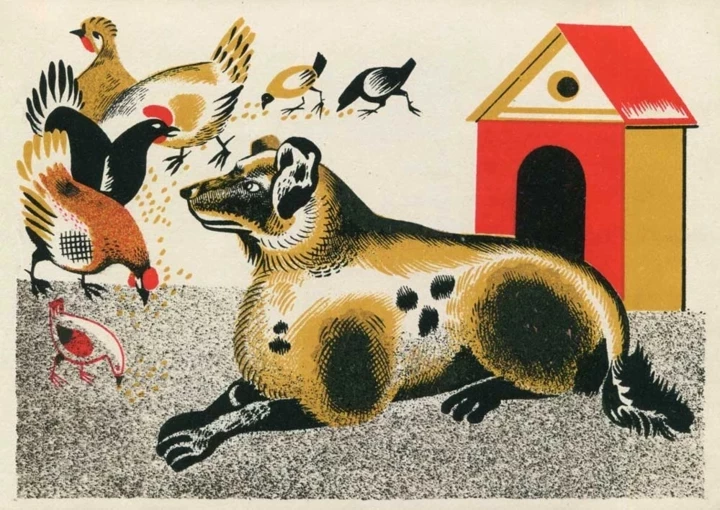
The exhibition is dedicated to the study of the subjects of Ukrainian illustration of the first third of the 20th century and their relationship with modern illustration and art. As one of the most accessible and democratic media, illustration made it possible to highlight important topics and talk about history, heritage and the future. It was the first third of the 20th century that became the starting point in this history – a period that largely shaped the face of modern Ukrainian illustration.