

On March 5, the Ukrainian film “Couture” will be released – a new film by director Alice Vinokur, starring Angelina Jolie. It is a story that unfolds in the maelstrom of Paris Fashion Week, but it speaks not only about the industry – but rather about personal crises, female solidarity, and the fragility of the body.
Advertising.
We tell you why the film is worth watching.
Another Jolie – reserved, fragile, real
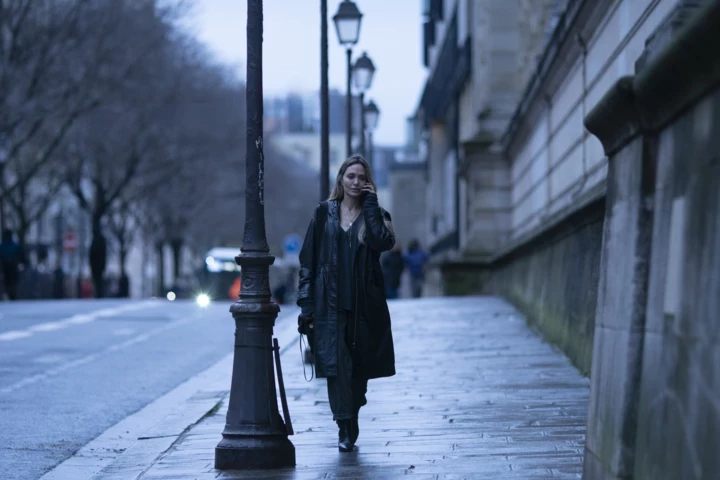
French critics call this work one of the strongest in the actress's filmography. Her Maxine is an American director who comes to Paris for Fashion Week and finds herself facing a personal challenge that changes her perspective on life and work. Jolie specifically studied French for the role and dubbed her lines for the first time. Her performance here is restrained, internal, built on silence and the tension of pauses.
The first feature film shot in the Chanel studio
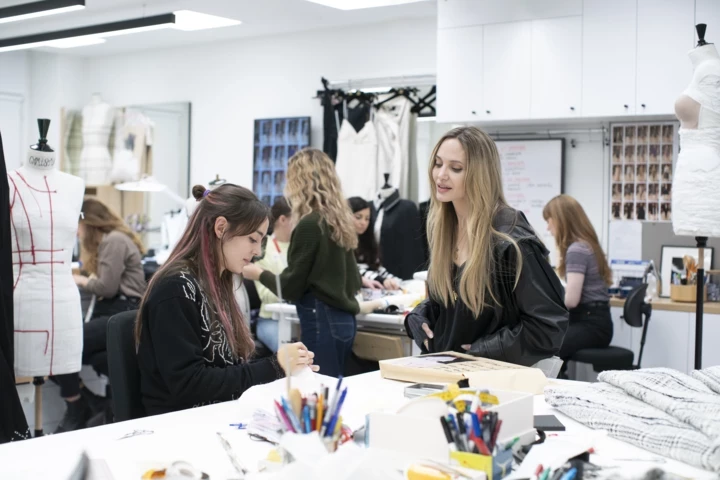
“Couture” has already made history as the first feature film to be allowed to shoot inside the Chanel atelier. The camera worked in the real haute couture salons and on the legendary staircase on Rue Cambon, the heart of the house.
At the same time, there is no branding in the shot: the fashion house in the film is fictional. But the level of access was unprecedented – previously only documentary filmmakers were allowed to work there. For one of the final scenes, Chanel collaborated with costume designer Pascaline Chavannes, a Cesar winner, who created looks inspired by the house's archives.
Real Fashion Week without embellishments
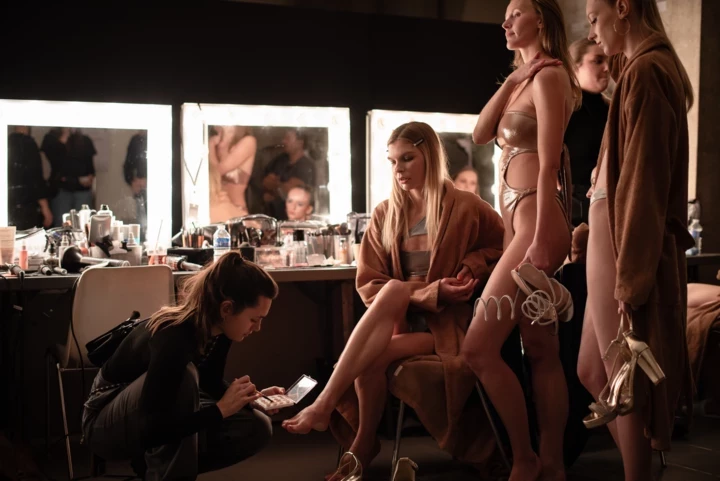
The events unfold during a real Paris Fashion Week – with authentic locations and industry professionals in the frame. Vinokur spent more than a year behind the scenes of fashion shows, exploring the work of seamstresses, makeup artists and models off the catwalk. It is this documentary accuracy that creates the effect of presence. As Sud Ouest notes, the director does not turn the models into decorative objects – she returns their identity and their own history.
Ukrainian model Yulia Ratner joins the cast, appearing in episodic but atmospherically important scenes. Her participation enhances the sense of a real fashion environment — multinational, colorful, built on the intersection of different experiences and biographies.
Three feminine lines that rhyme with each other
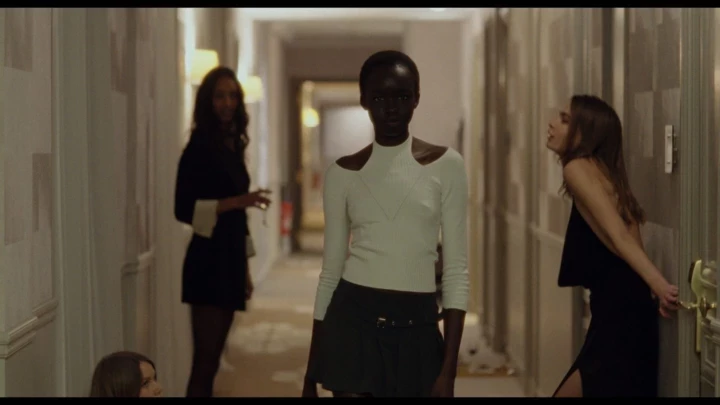
In addition to Maxine, the center is Ada, a young model from South Sudan who is running away from a predetermined future, and Angel, a makeup artist who works in the shadow of the catwalks. The film is built like a collage: the “seams” are not hidden, the body becomes another fabric between worlds. Each heroine has something to “fix” in herself in order to move on. A kind of intuitive solidarity is born between them.
Fashion as a metaphor
Les Echos calls “Couture” a meditation on life in the vortex of an era. Season follows season, collection follows collection, and behind the glitter of the catwalks lies a grueling race against time. This ephemerality of the fashion world is reflected in Maxine's personal story: at the moment of greatest external brilliance, her life abruptly changes direction.
A graduate of La Fémis, Alice Vinokur is known for her delicate work with female portraits. Her films Proxima and Revoir Paris explore fragility and resilience in large contexts, from outer space to the metropolis.
In “Couture” she works with the body and image with the same sensitivity as with the space of vulnerability. The French press speaks of an elegant, precise and poetic story that contrasts the superficial idea of fashion with the depth and truth of its heroines.