

Is fashion art? This is a topic of endless debate. Skeptics will say that fashion is too commercial, too tied to the product, the seasons, and the human body. In their opinion, clothes only make sense when they are worn. They say that they cannot exist in themselves in the same way that a painting, sculpture, or other art object exists. However, if we look at the dress code for the Met Gala 2026, the answer is obvious: yes, fashion can be art.
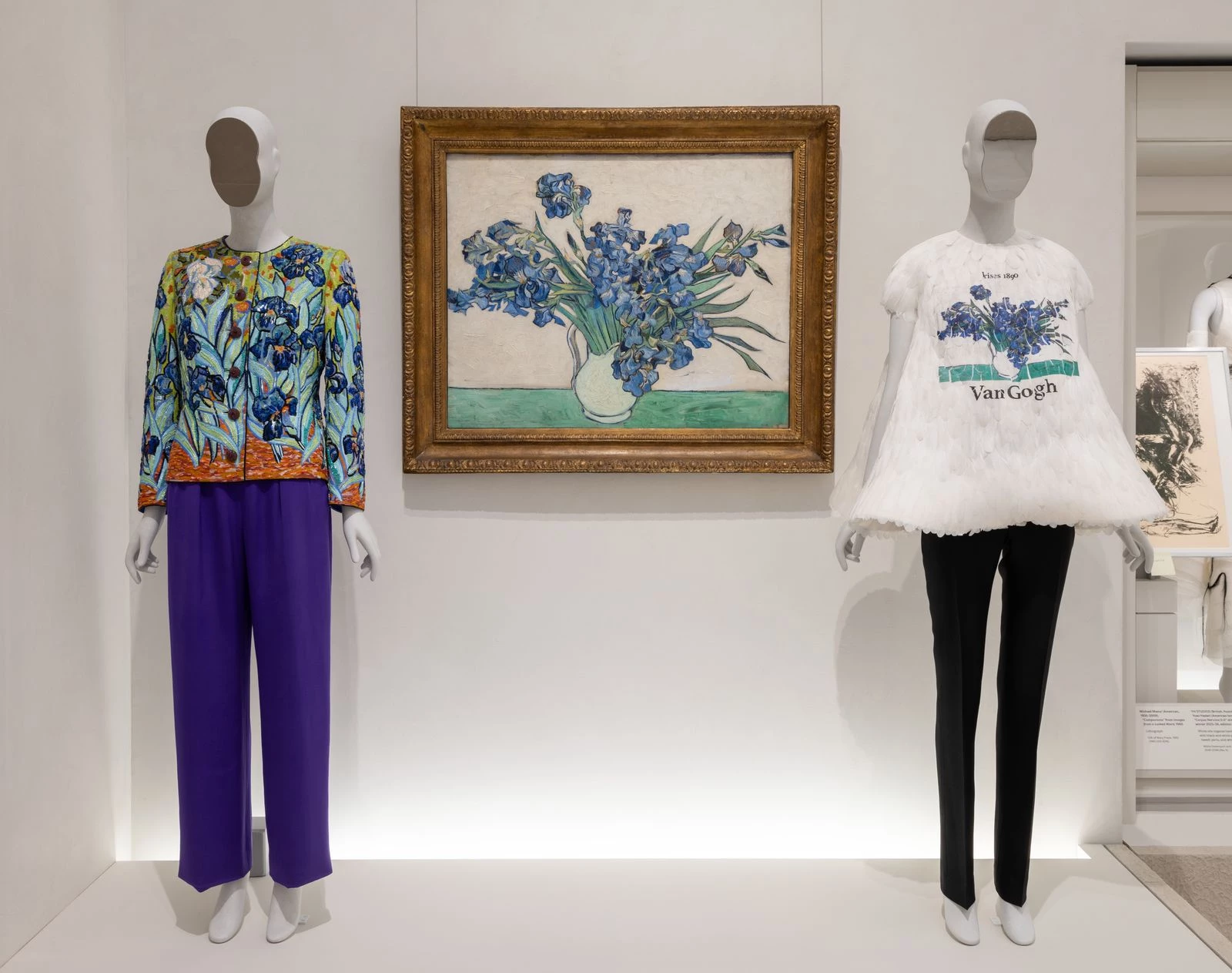 A painting by Vincent van Gogh next to clothes by Yves Saint Laurent and Jonathan Anderson for Loewe. Photo: © Anna-Marie Kellen / The Metropolitan Museum of Art
Advertising.
History provides ample evidence for this idea. There were many moments in history when clothing became a full-fledged part of culture and went far beyond its practical function. At such moments, designers could compete with representatives of modern art. This does not mean that every thing should be evaluated by museum criteria. But sometimes it is useful to look at key episodes in fashion history through the eyes of a curator. Such a view helps to understand not only why these moments were important in themselves, but also how they influenced culture, style and our idea of clothing in general. Below are the designers who were behind these changes.
Elsa Schiaparelli
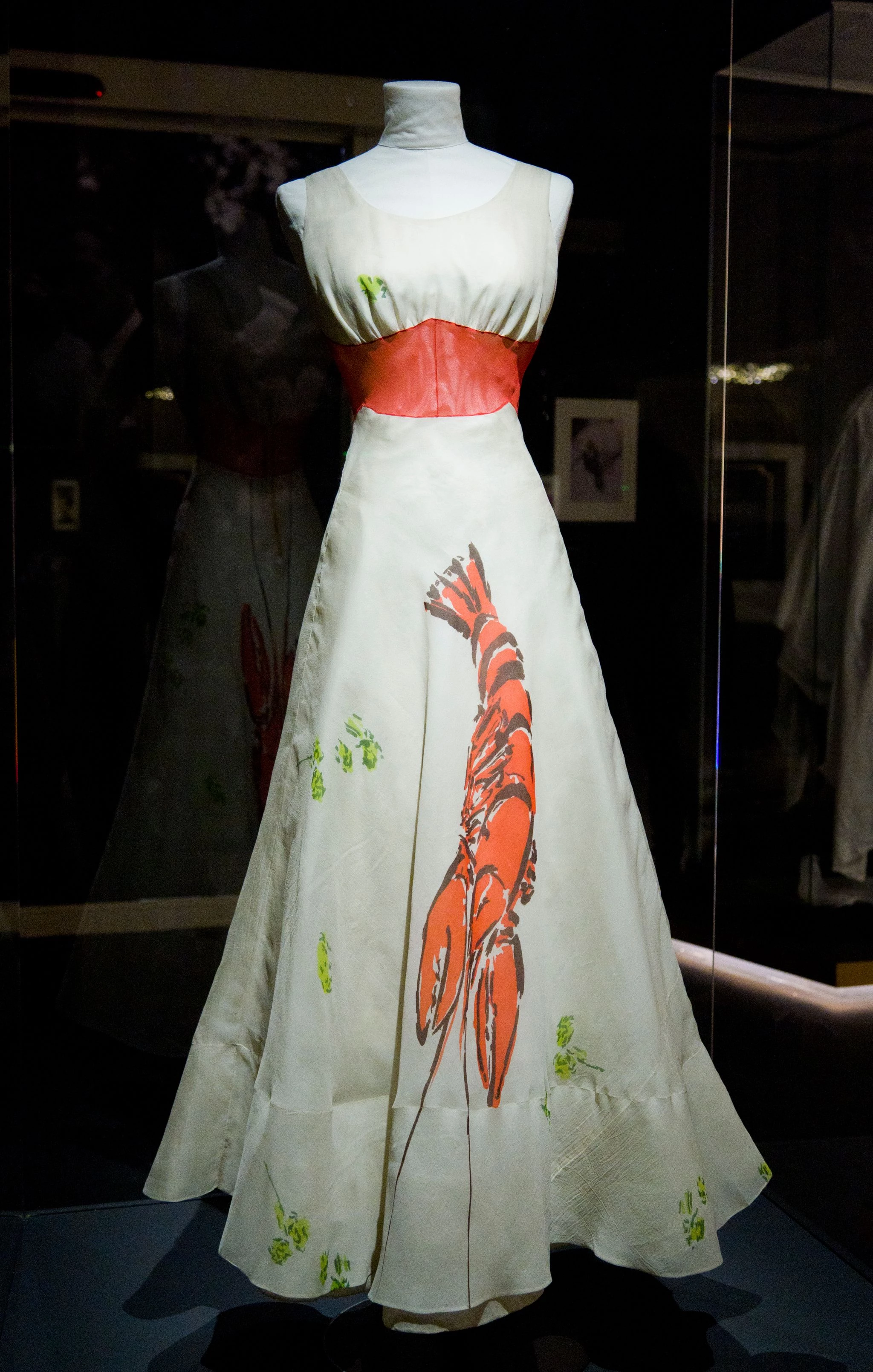 Photo: WWD/Getty Images
Elsa Schiaparelli's work is one of the most accurate proofs that fashion was long underestimated as an art. In the interwar period, Schiaparelli was closely associated with surrealism and collaborated with Salvador Dali and Jean Cocteau. But because she created clothes, her works were often perceived not as a full-fledged artistic expression, but as something applied and commercial. This is precisely the paradox. Surrealism actively worked with the theme of the female body, subconscious and strange in everyday life. And Schiaparelli transferred these ideas not to canvas or to a gallery, but to clothes. Her Shoe Hat and Skeleton Dress did not simply quote surrealism, but made it visible in real life. They forced us to talk about the body, femininity, everyday objects and the border between fashion and art.
Yves Saint Laurent
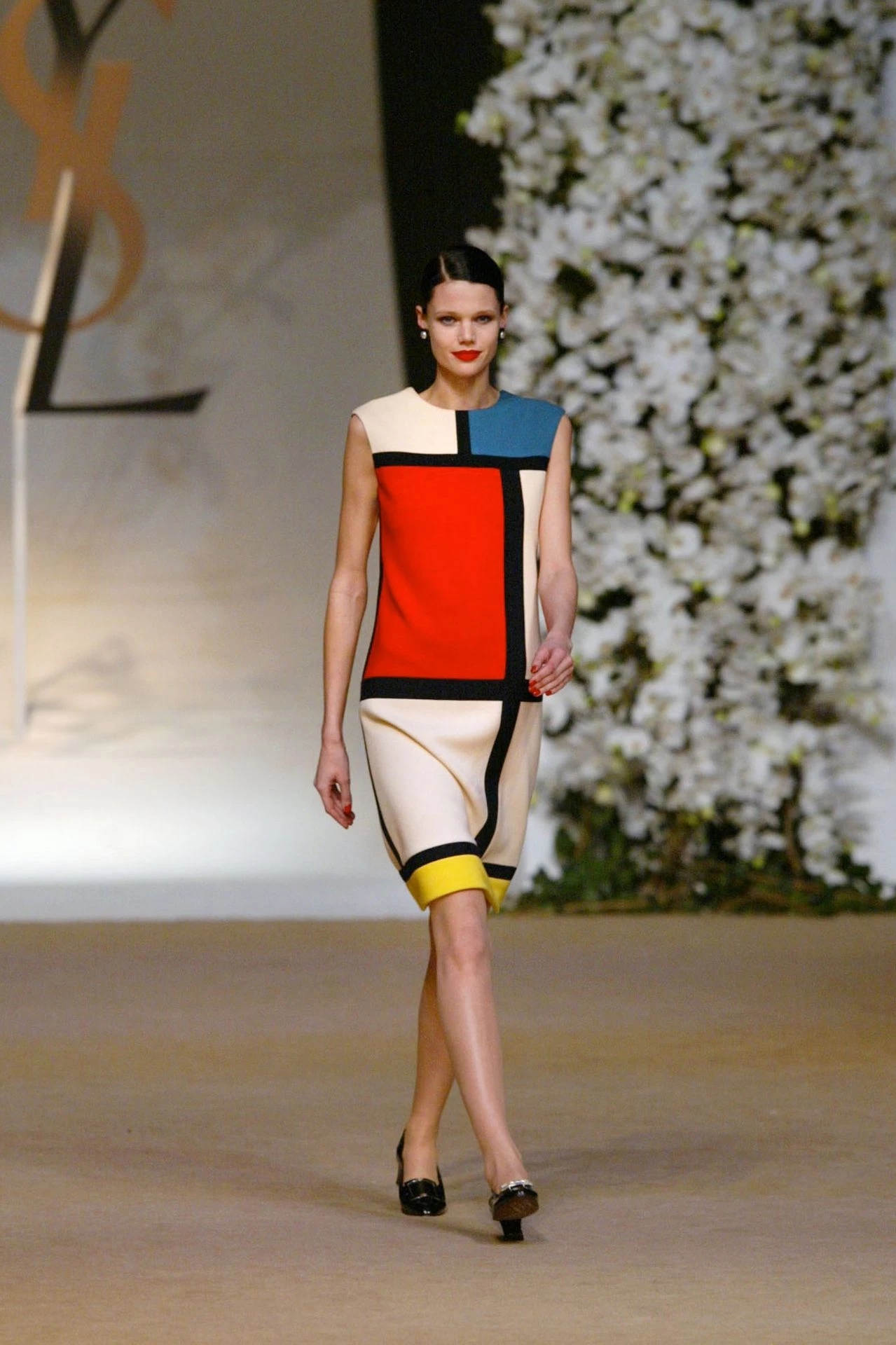 Photo: PIERRE VERDY/AFP/Getty Images
Few collections blurred the line between fashion and art as convincingly as Yves Saint Laurent’s 1965 collection. About a quarter of the looks in it referred to the works of Piet Mondrian, a Dutch artist and one of the main representatives of the De Stijl movement. The most famous were the laconic dresses with a straight silhouette in the spirit of the 1960s. Their clear geometric shape became the perfect canvas for color blocks in the primary colors of red, blue, yellow, white and black. Seams, cut lines and structural details were precisely inscribed in black graphic borders, so the shape of the dress itself worked together with the composition. The collection became one of the most important examples of how art can be transferred to clothing and not lose its power.
Gianni Versace
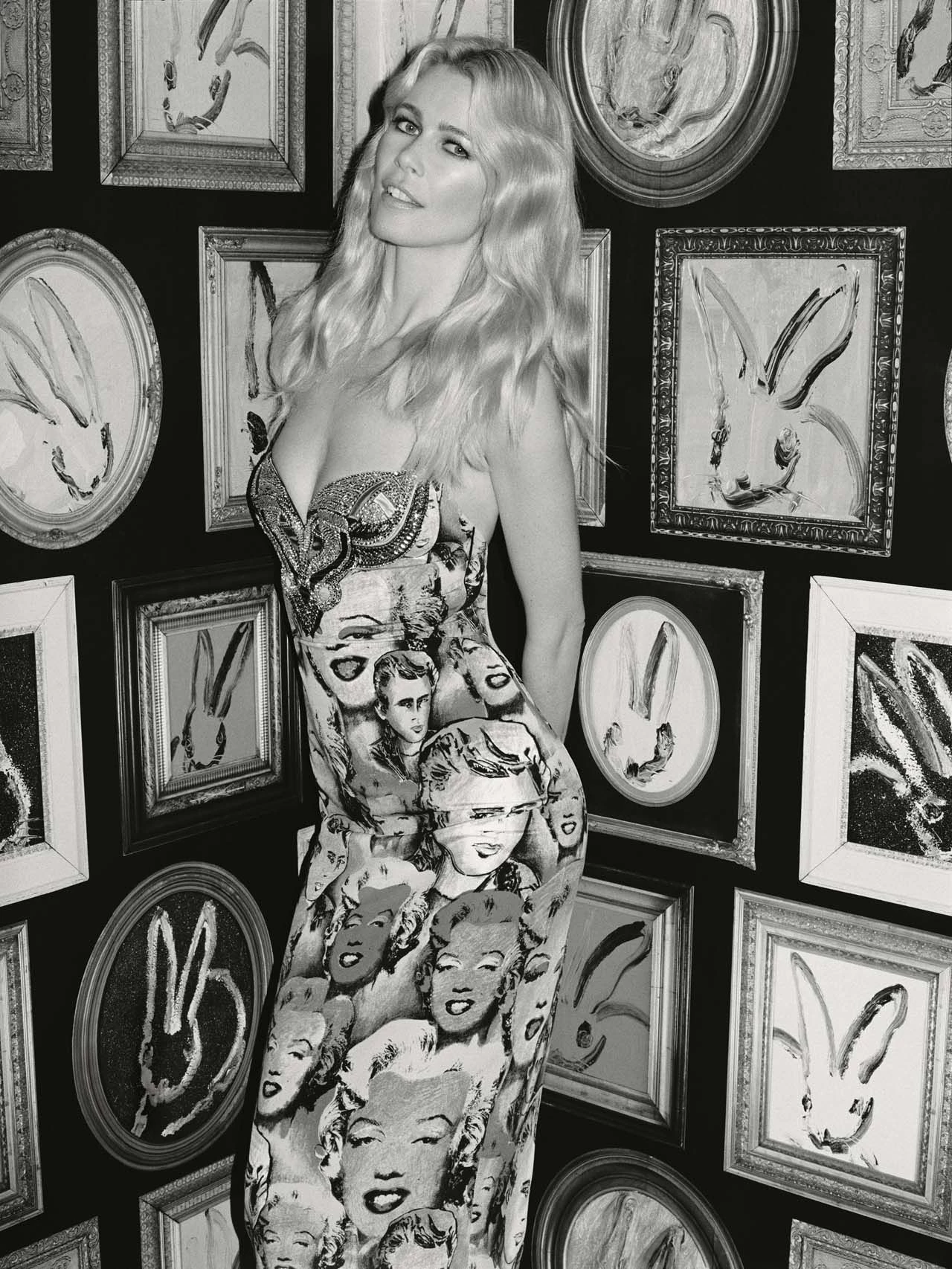 Photo: Sean Thomas
Fashion has always been close to Pop Art. It works with desire, image, celebrities, mass culture and things that quickly become symbols of their time. This is what Pop Art was interested in: not a distant “high” art, but the world of advertising, gloss, cinema, faces and products that everyone recognizes. Andy Warhol understood this world well. In the 1950s he worked as a fashion illustrator for Vogue, and later founded Interview – a publication that still remains an important part of the fashion media space. In 1991, Gianni Versace addressed Warhol's legacy directly. He created an evening dress with a bright collage of portraits of Marilyn Monroe, one of the artist's most famous images.
Rei Kawakubo
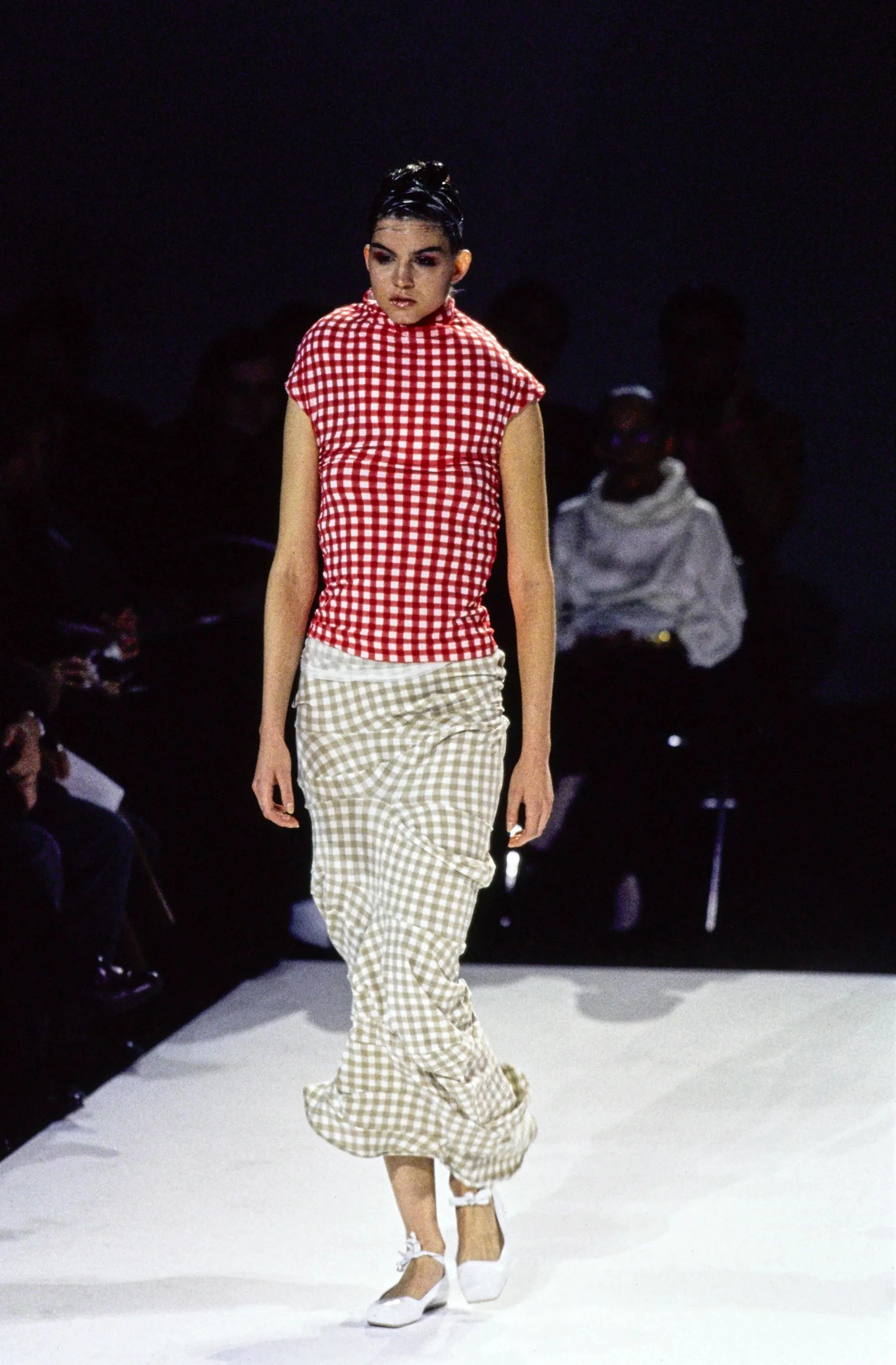 Photo: Spotlight/Launchmetrics
The Comme des Garçons archive itself is like a separate course in art history. In the 1990s, the brand shot campaigns with Cindy Sherman. It published the cult magazine Six with its complex, almost mysterious visual language. Since the 1970s, Comme des Garçons has worked with fashion in such an unconventional way that it is often easier to perceive it not just as a fashion house, but as a full-fledged conceptual practice. However, among the brand's entire heritage, it is worth highlighting the Dress Meets Body, Body Meets Dress collection from the spring-summer 1997 season by Rei Kawakubo. Kawakubo questioned the very idea of what a woman's body should be in fashion. The dresses in this collection did not adorn the figure in the usual sense and did not try to make it “perfect”. On the contrary, they created discomfort, tension and a strange sense of anxiety.
Martin Margiela
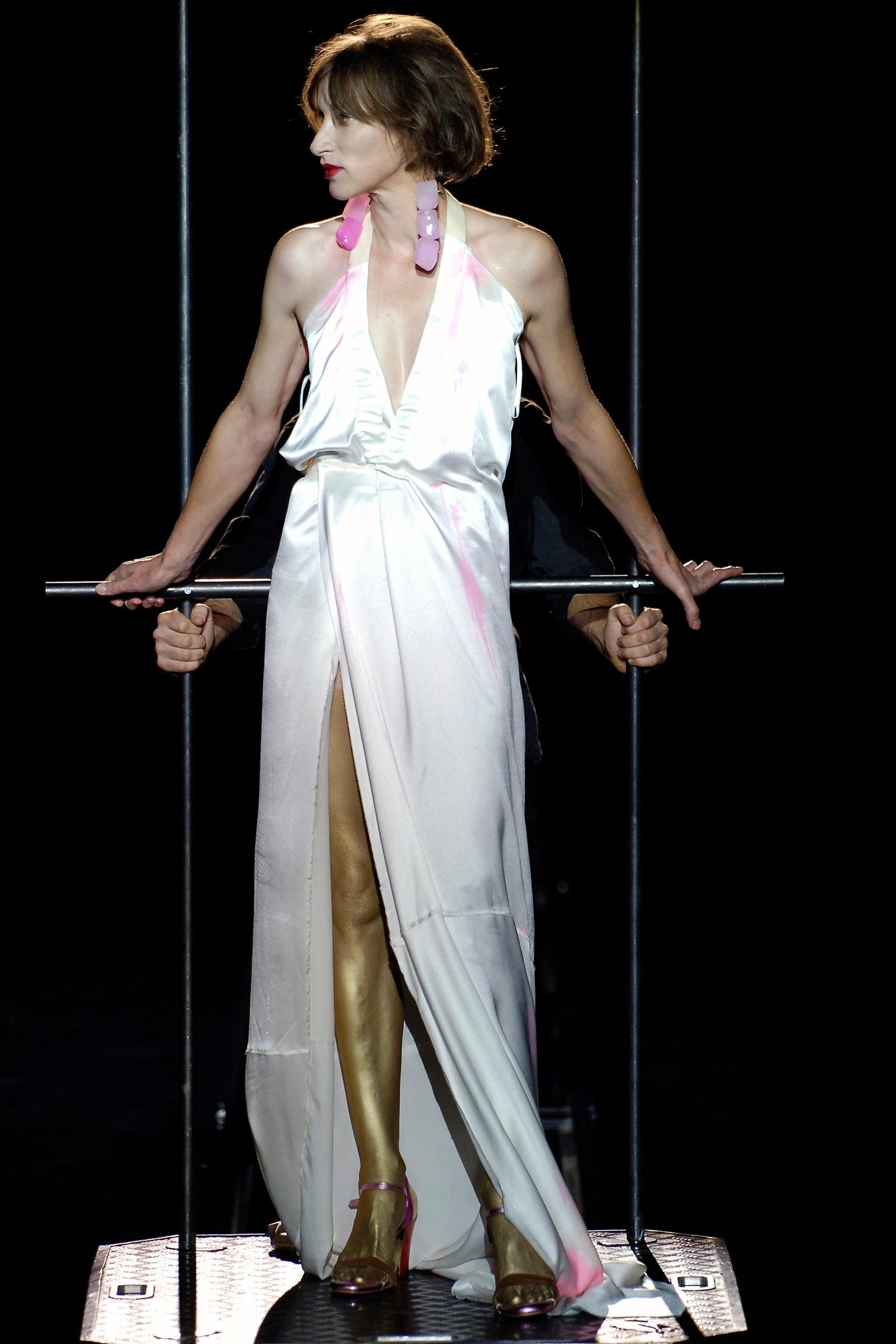 Photo: Marcio Madeira/Style.com
Almost all conceptual fashion since the 1990s has some connection to Martin Margiela. He showed collections on playgrounds in the Parisian suburbs. He created couture from linen fabric, which is usually used for mannequins. He also presented white clothes with decorations made of pink dyed ice. The ice melted right during the show and left pink stains on the models' clothes. Margiela constantly revised the very concept of luxury. His clothes made you think about what the system was made of: shows, the value of things, authorship, materials, desire, status. Often he didn't just raise these questions, but destroyed the very rules on which the industry was based.
Alexander McQueen
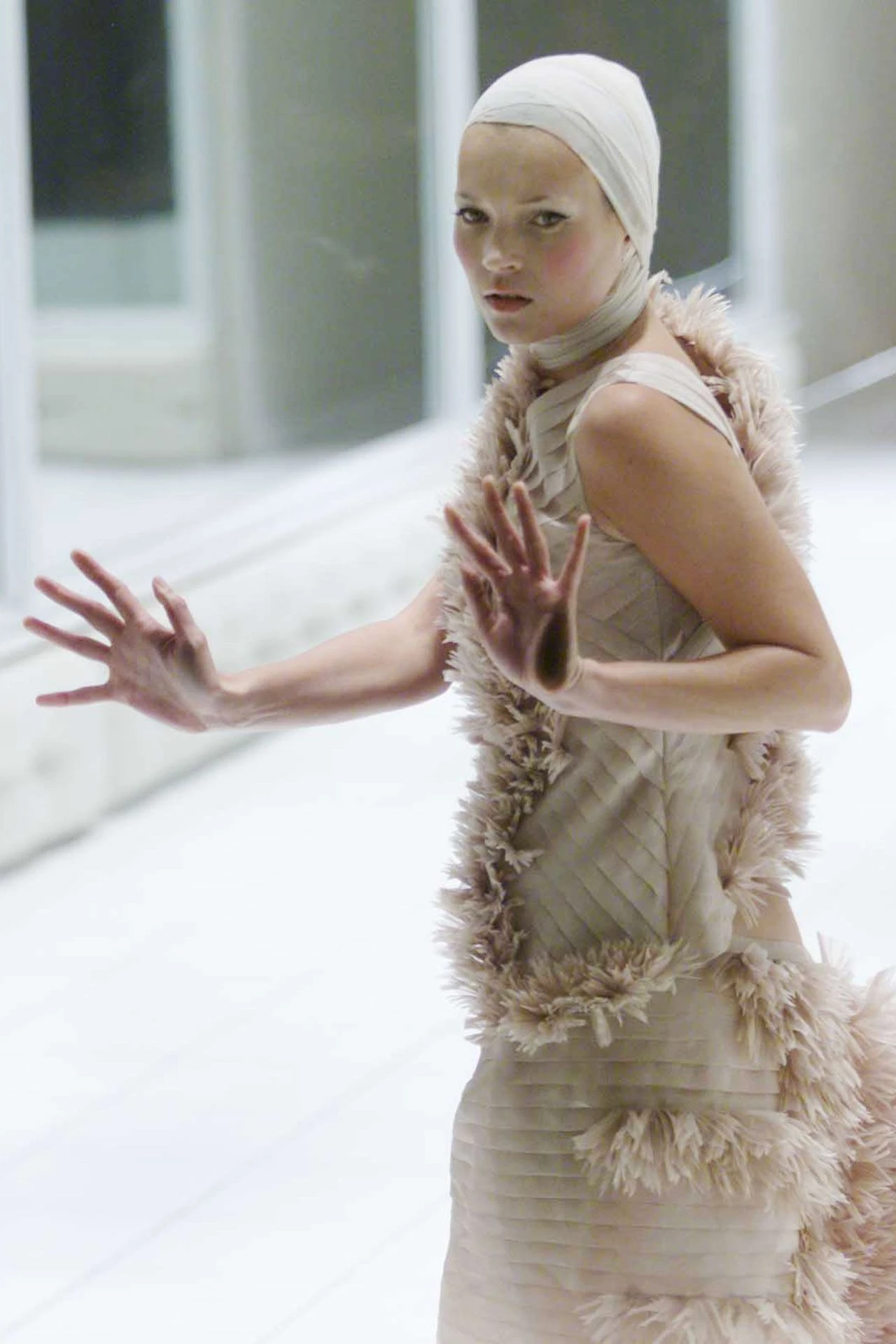 Photo: Rex
In fashion journalism, the word “performance” is often used too loosely. It describes any show that goes beyond the usual catwalk. But in the case of Alexander McQueen, the word is truly appropriate. His shows were not just presentations of collections, but full-fledged spectacles with their own drama, tension and sense of danger. Think of the Voss and Kate Moss shows in an enclosed glass space. Or Shalom Harlow, who circled the catwalk while robotic arms painted her multi-layered tulle dress. Or the models in the warehouse at Borough Market, their silhouettes shimmering in the light of a burning car. McQueen knew how to create not just clothes, but a whole world around him. His shows affected the viewer not only visually, but also physically: they frightened, enchanted, disturbed and did not let you look away. He spoke of the human body, fear, desire, beauty, violence and fragility. That is why McQueen can be called a true artist, regardless of whether he worked with fabric, space, or spectacle.
Marc Jacobs
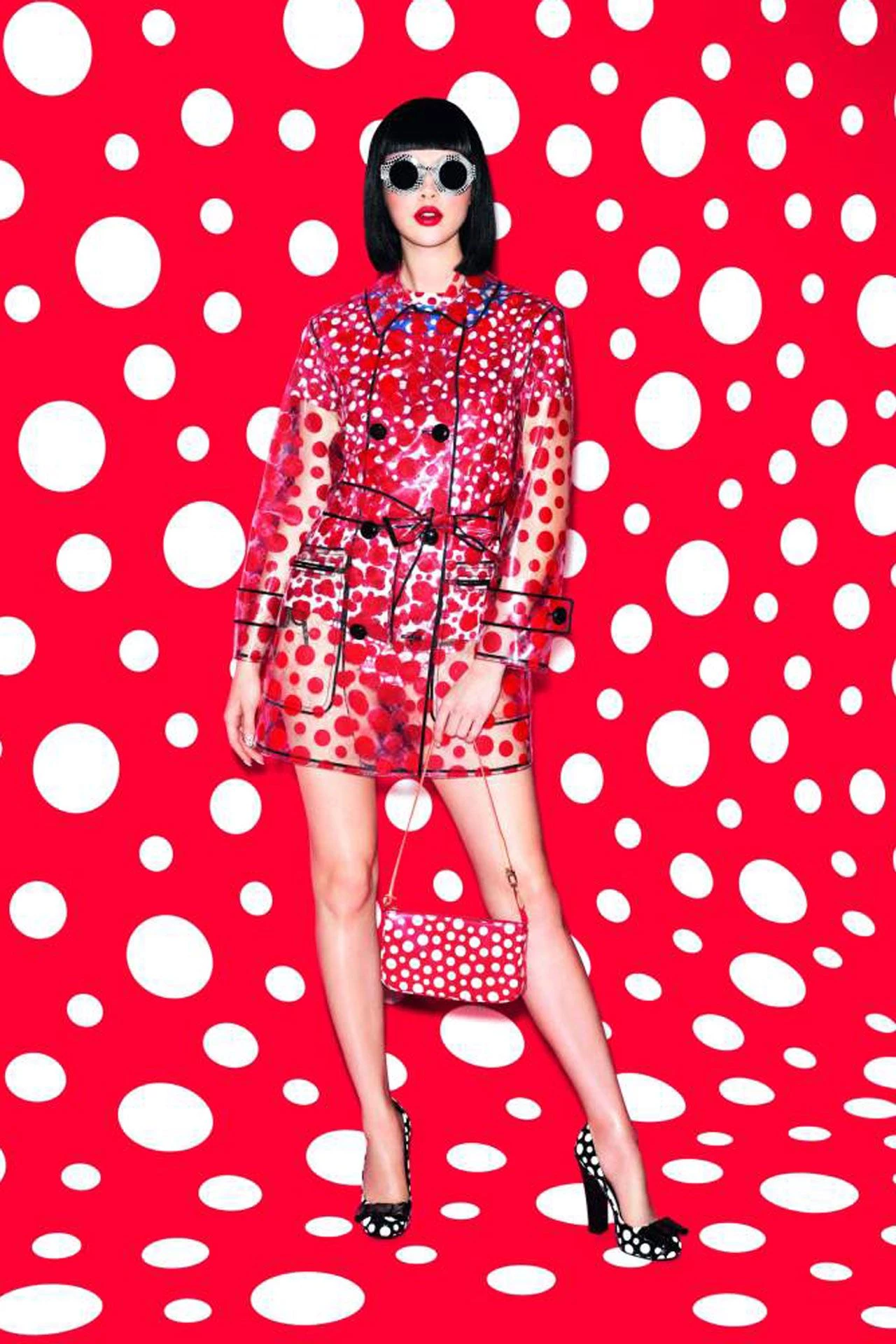 Photo: Courtesy Louis Vuitton.
Few people have consistently put art at the center of the fashion industry’s attention as Marc Jacobs did during his 16 years at Louis Vuitton. He was one of the first designers to turn the luxury brand’s collaborations with artists into a distinct line of work. Jacobs introduced a mass audience to the vibrant, almost psychedelic worlds of Stephen Sprouse, Yayoi Kusama, and Takashi Murakami. These collaborations changed the perception of Louis Vuitton. The traditional French house, known primarily for its travel trunks, gradually became a major cultural brand. In addition to these high-profile collaborations, Jacobs worked with Frank Gehry, Cindy Sherman, and Rei Kawakubo on more sculptural objects for the 2014 Iconoclasts project. In doing so, he opened the way to a more serious dialogue between fashion and art, in which not only the commercial object was important, but also the object itself, its form, meaning, and cultural weight.
Shane Oliver
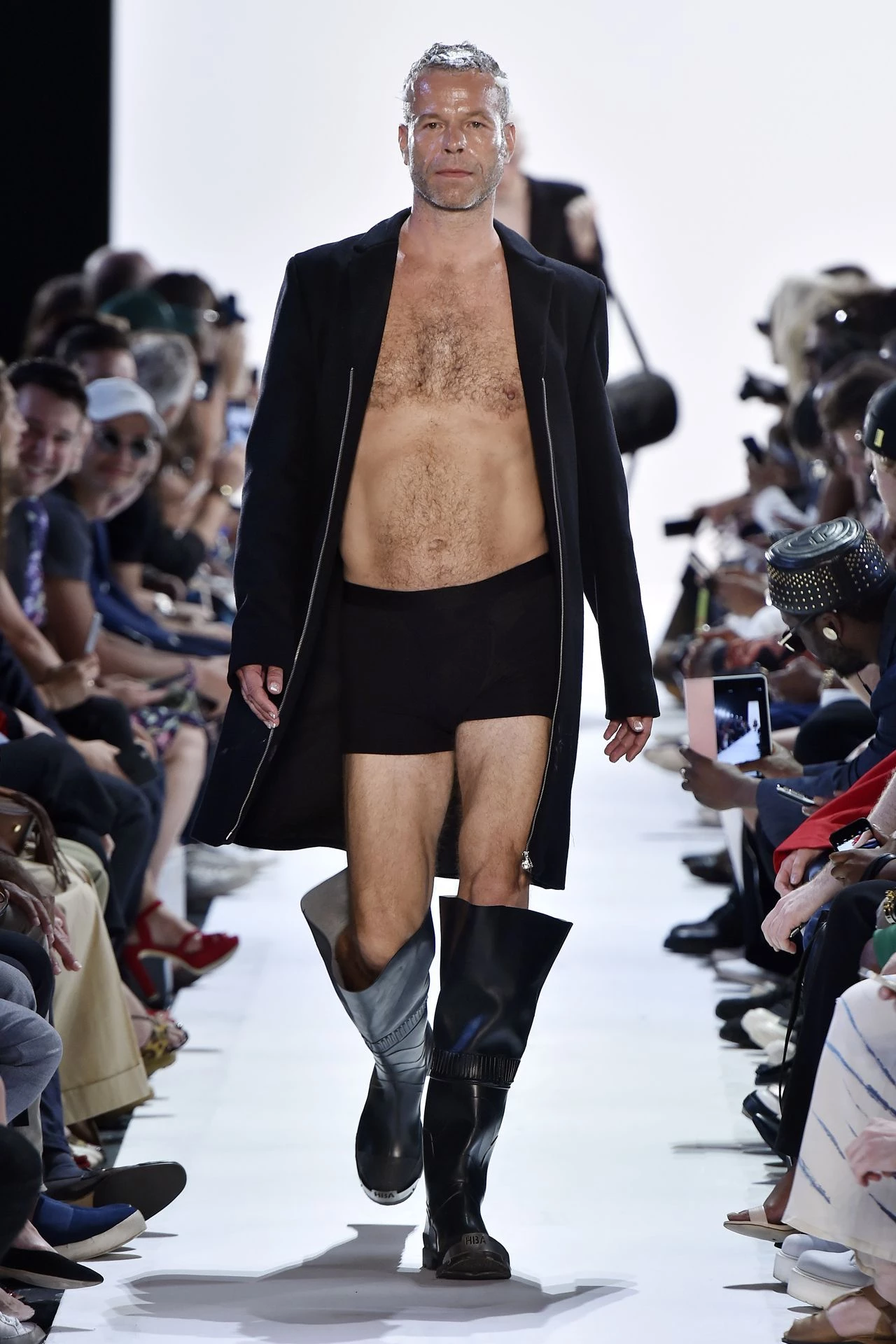 Photo: Spotlight/Launchmetrics
New York is a city where fashion, art, club culture, and performance coexist. One of the designers who has most boldly worked at this intersection is Shane Oliver, founder of Hood By Air. His brand has created a whole cultural scene around itself, in which the catwalk has become a place for conversations about the body, sexuality, race, queer culture, nightlife, and the power of image. The brand has featured artists and performers on its catwalks, including Juliana Huxtable and Wolfgang Tillmans. At the time, such appearances were not yet common practice for fashion shows. In 2016, Hood By Air even teamed up with PornHub. It was a risky and highly visible marketing move that can now be seen as one of the early examples of viral partnerships in fashion.
Telfar Clemens
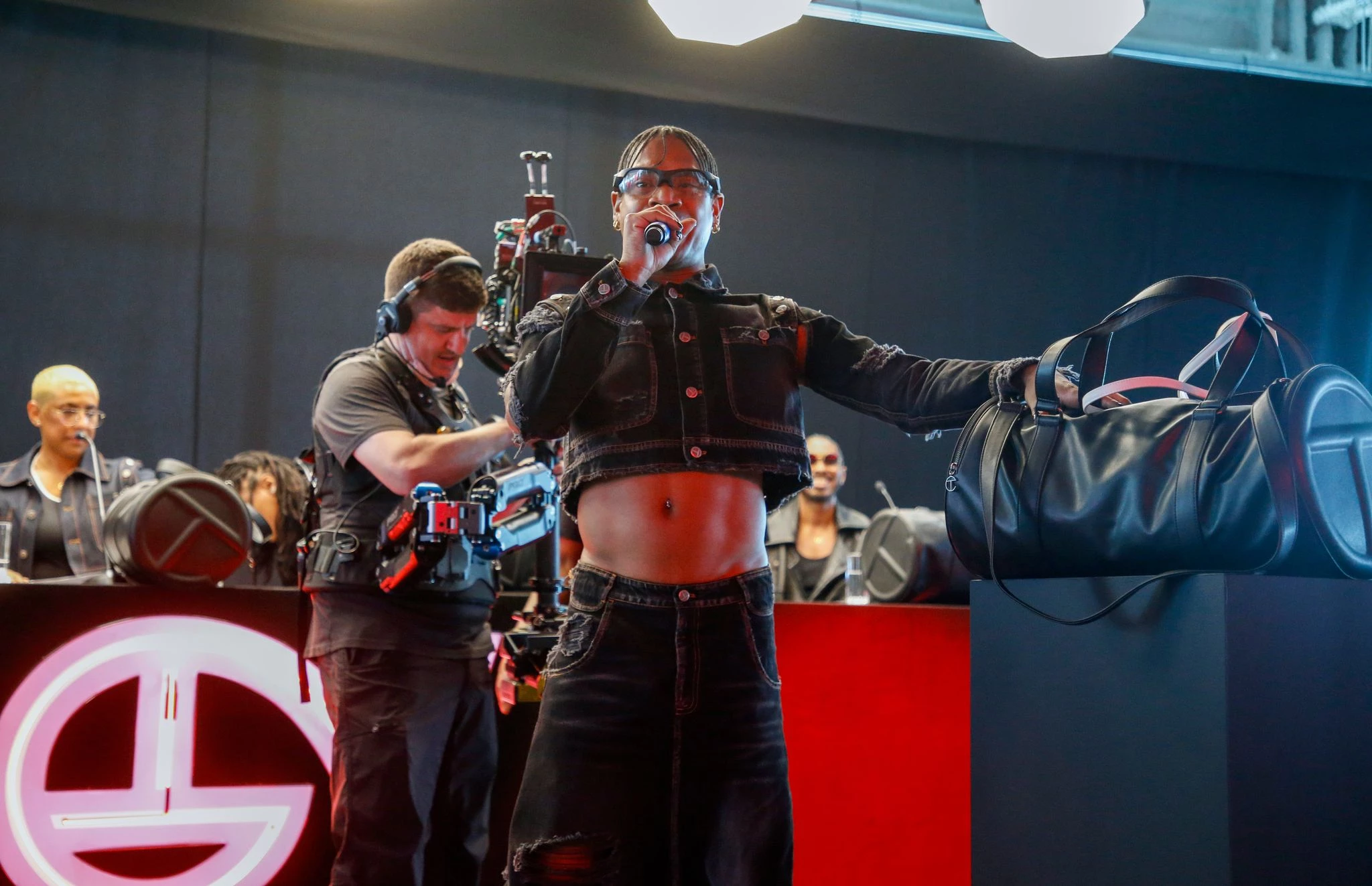 Photo: John Lamparski
Fashion brands have long participated in major art exhibitions and fairs. But in 2016, Telfar did it differently than most. At the Berlin Biennale, the independent New York brand presented its clothes not as part of a show or an advertising campaign, but as part of an art installation. The exhibition space featured mannequins resembling Telfar Clemens himself. They were dressed in Telfar clothes — casual clothes with unusual proportions and a slightly strange cut. Video installations by Hito Steyerl and John Rafman were shown nearby. That is, Telfar clothes ended up in the same space as the works of contemporary artists, and not in a store or on a catwalk. This was important because Telfar showed that even commercial clothing can work as part of an artistic expression.
Jonathan Anderson
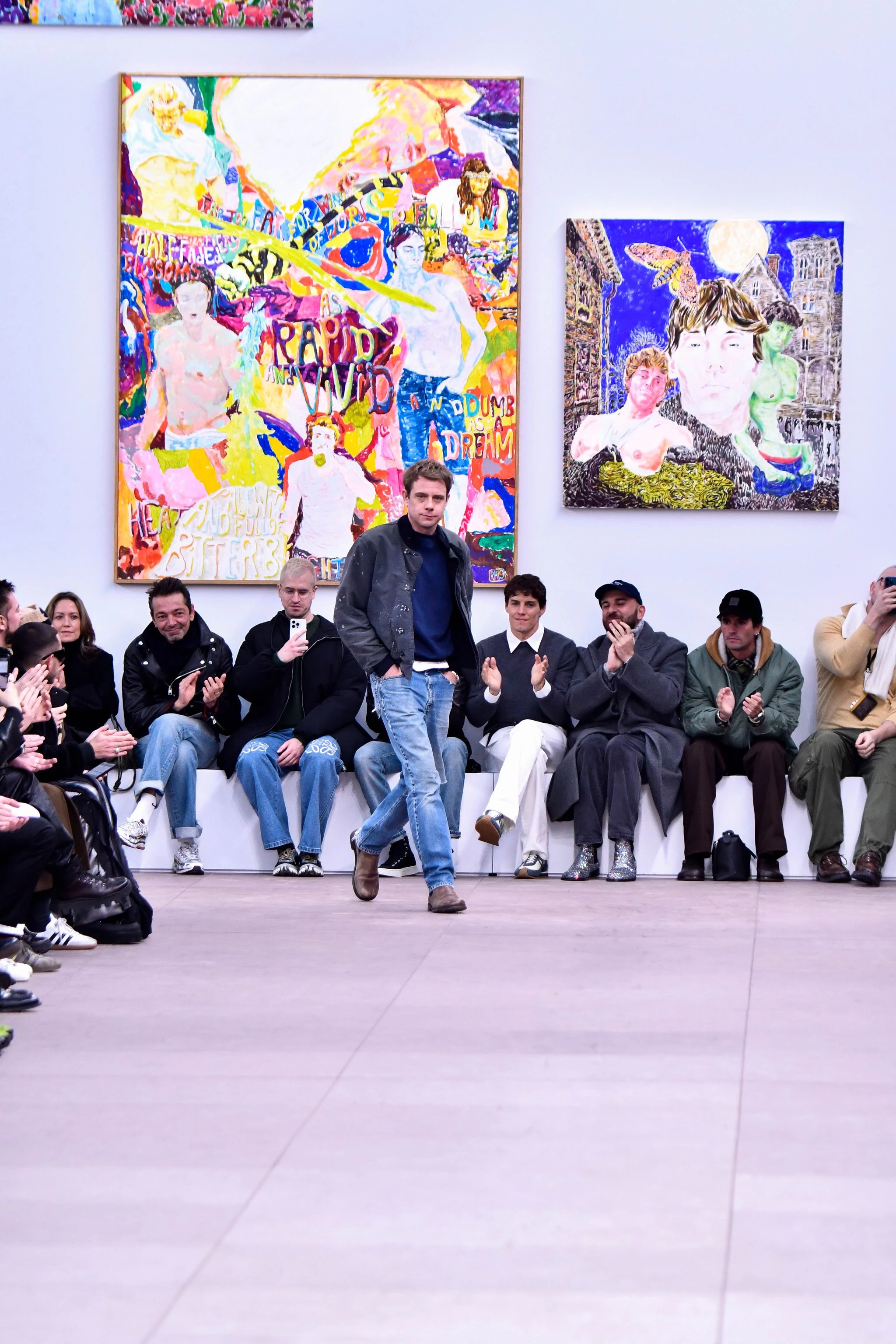 Photo: Virgil Claisse/Gamma-Rapho via Getty Images
Jonathan Anderson has long been a collector of artists' works, supports art projects and curates exhibitions in major London galleries. At Loewe, he often made art the main theme of the collection. Therefore, the spaces of his shows sometimes resembled not a classic catwalk, but temporary museum exhibitions. One of the best examples is the Loewe men's show autumn-winter 2024/2025. The space of the show resembled a chapel. But instead of traditional stained glass windows, it featured collages and video works by American artist Richard Hawkins. They looked naive, almost humorous, but at the same time had a frank erotic subtext. In the video, the men from Loewe's entourage posed as if they were somewhere between the image of a cam-boy and a holy martyr. In this way, Anderson spoke about the cult of the male body in digital culture. It was a comment on voyeurism, exhibitionism and our desire to look at others.
Sinead O'Dwyer
 Photo: Sharna Osborne. Courtesy Sinéad O'Dwyer
Fashion school graduation shows often give designers more freedom than commercial collections. It is there that clothes can be closer to art, because the authors work not only with cut, but also with the body, shape and material. This was the case at the Royal College of Art's master's show in 2017. One of the most notable works was the presentation of Irish designer Sinead O'Dwyer, who works in London. It featured models of different sizes and physical abilities. They posed calmly and solemnly, almost like figures in a Pre-Raphaelite fresco. O'Dwyer showed sculptural things created from the shapes of the bodies of her two muses. They were made of extruded silicone, in which folds of satin seemed to freeze. They were more sculptures than ordinary clothes: they were difficult to recreate and almost impossible to wear in everyday life. But this presentation became important because it directly spoke about what fashion still lacks: real women's bodies, different sizes, and different experiences.
Based on material from vogue.co.uk