

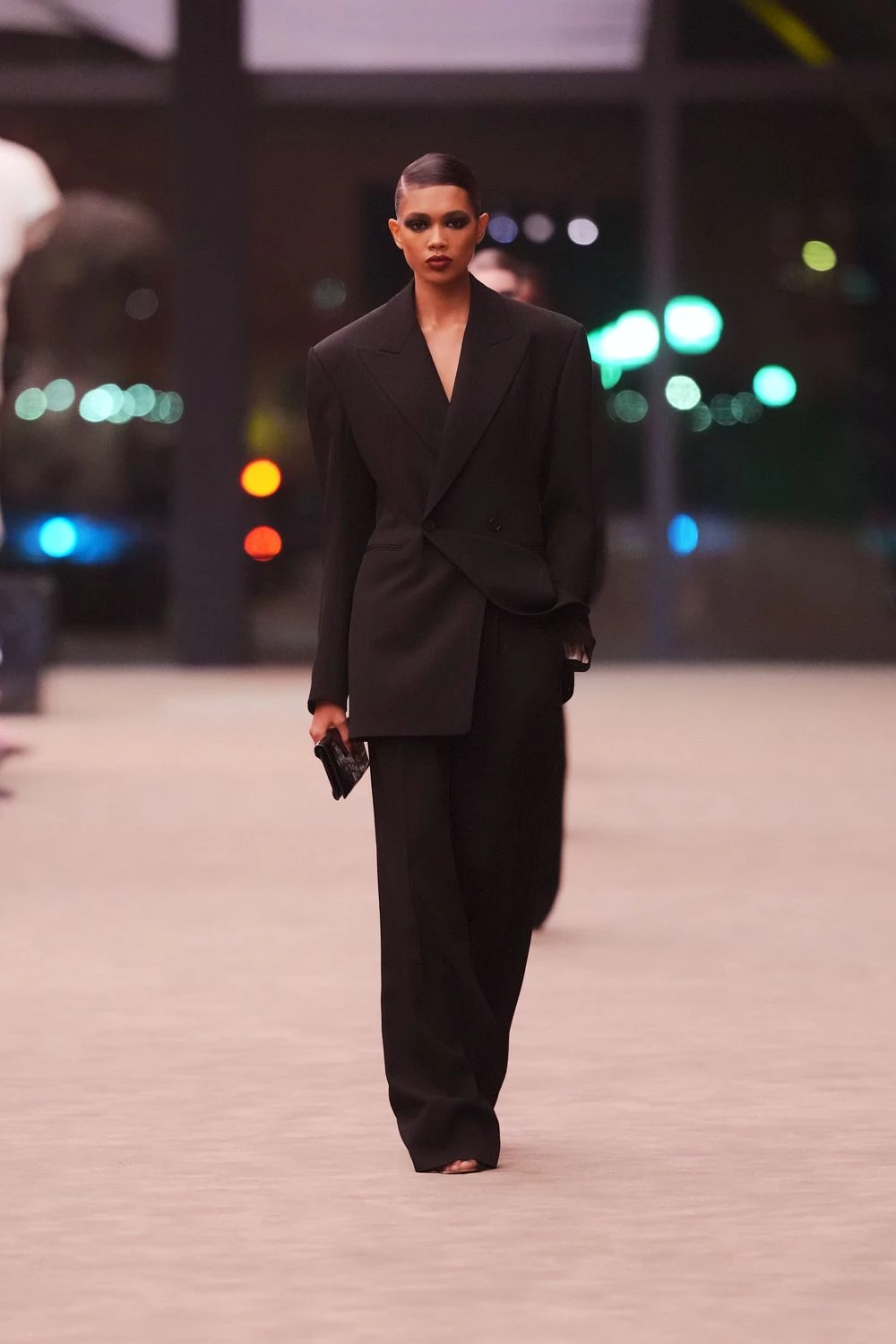
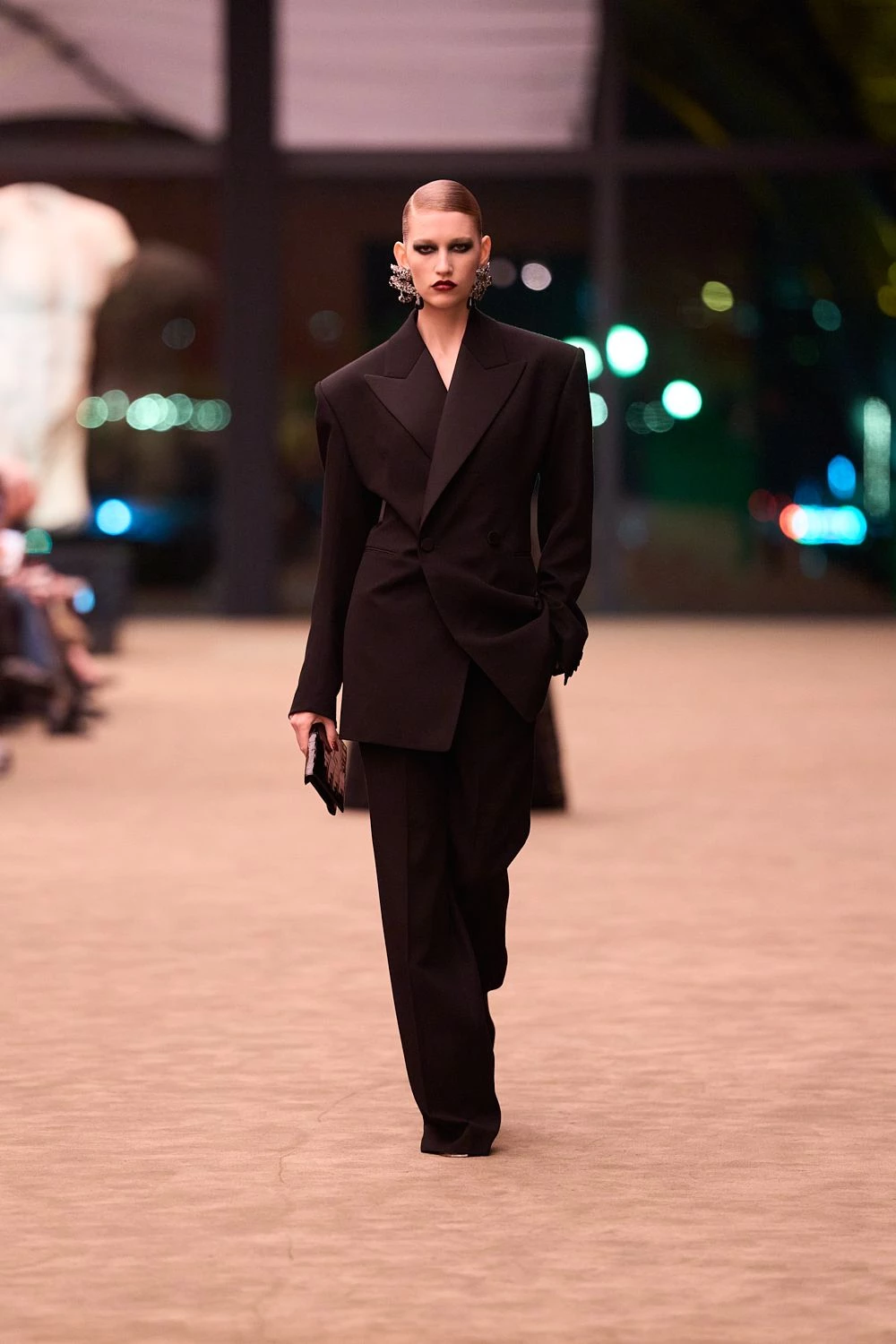
This year marks 60 years since Yves Saint Laurent introduced the first women's tuxedo – an iconic suit that in 1966 became not just a new silhouette, but a true manifesto of the era. What today in the fashion dictionary of 2026 sounds like a black pantsuit tailored for women, back then had a much deeper meaning. The tuxedo became a symbol of social transformation – a tool of emancipation, a sign of equality and strength. It was a garment that changed not only the wardrobe, but also the very optics of the perception of women in society.
Advertising.
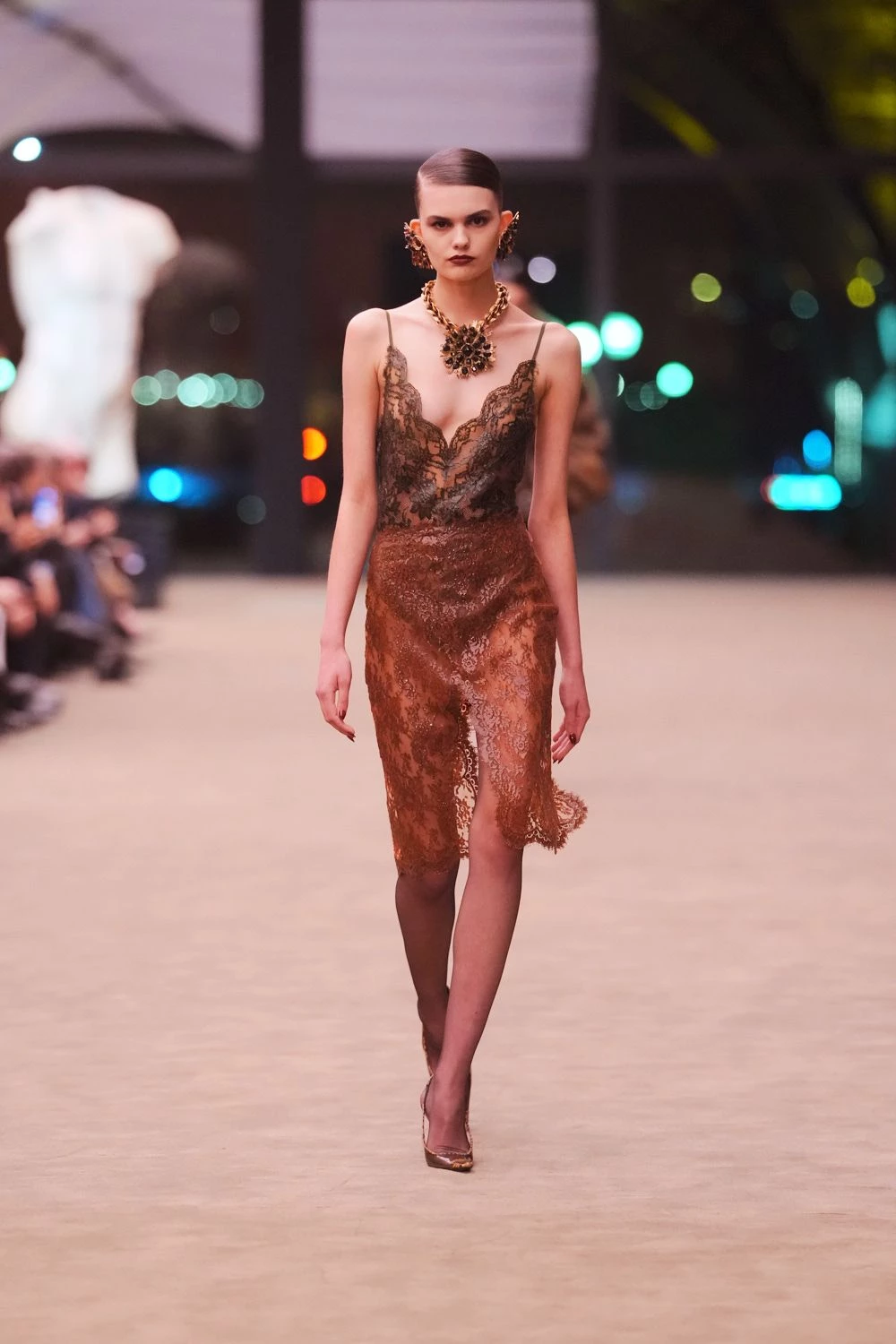
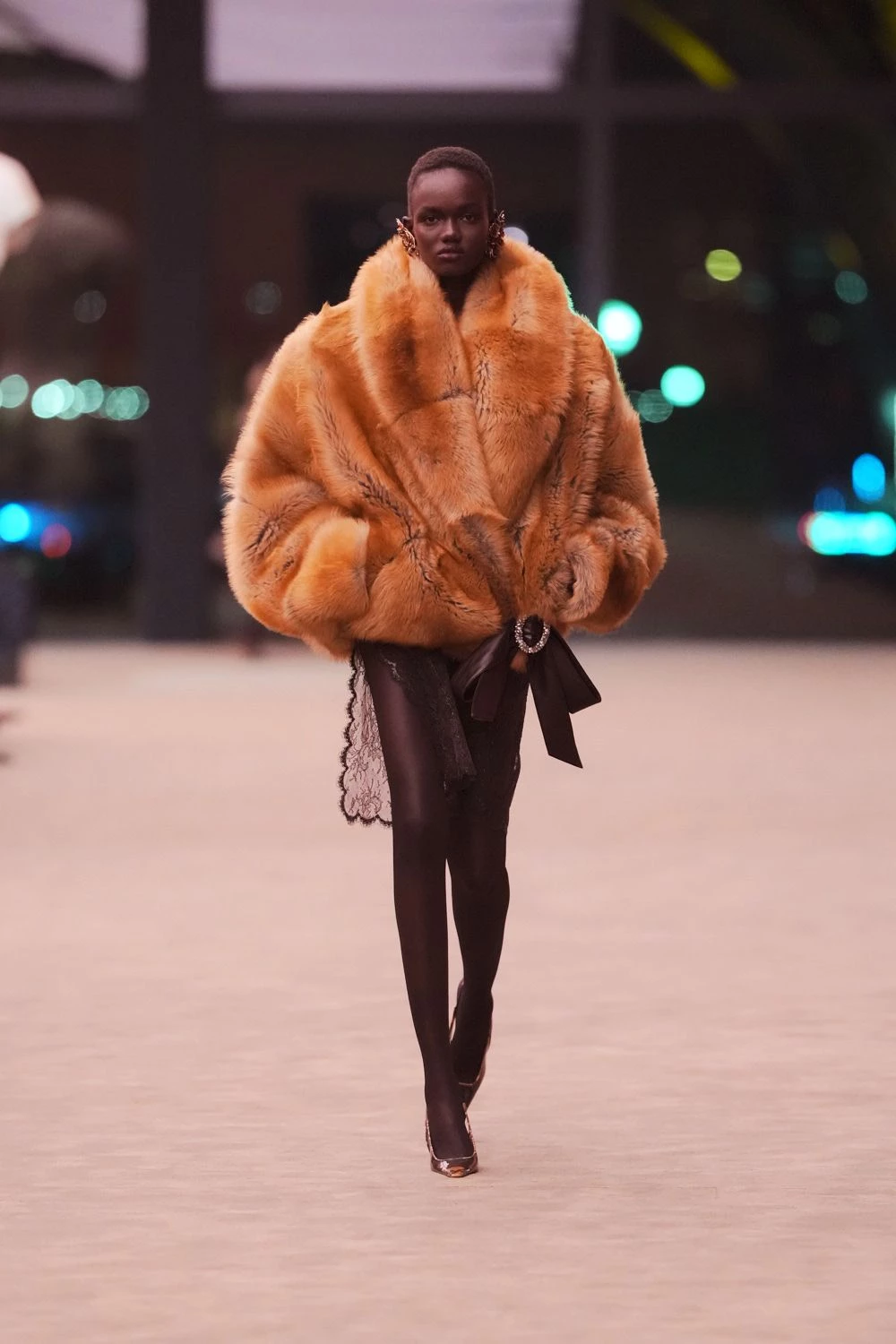
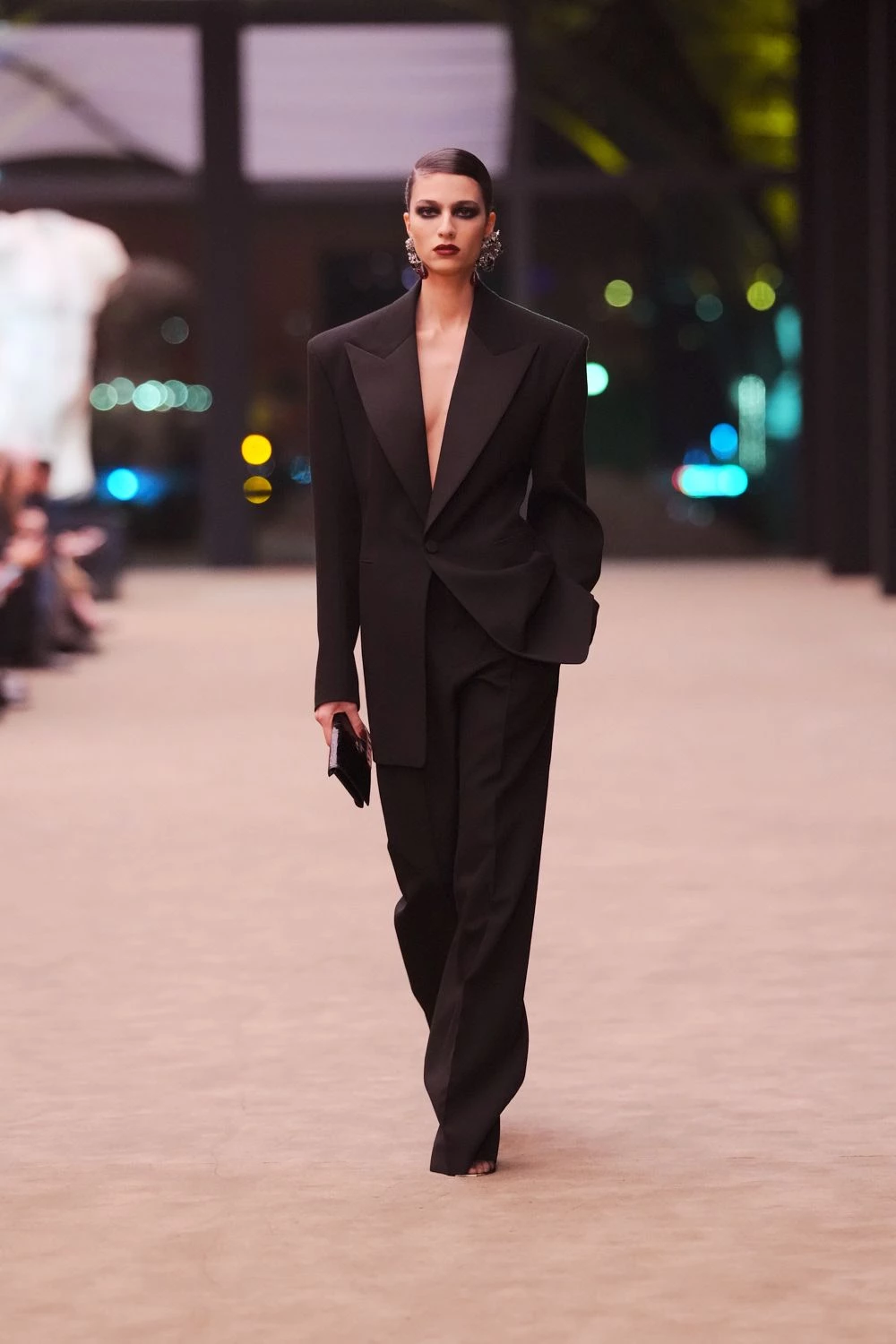
Since then, dozens of designers have reinterpreted the tuxedo over and over again. But, as Anthony Vaccarello once again reminded us, it is Saint Laurent that remains its spiritual home. After experimenting with hyper-volume evening gowns last season, the creative director of Saint Laurent opened the fall-winter show with a series of eight dark pantsuits worn on a naked body. By the end, there were fourteen of them – almost a manifesto of consistency and concentration.
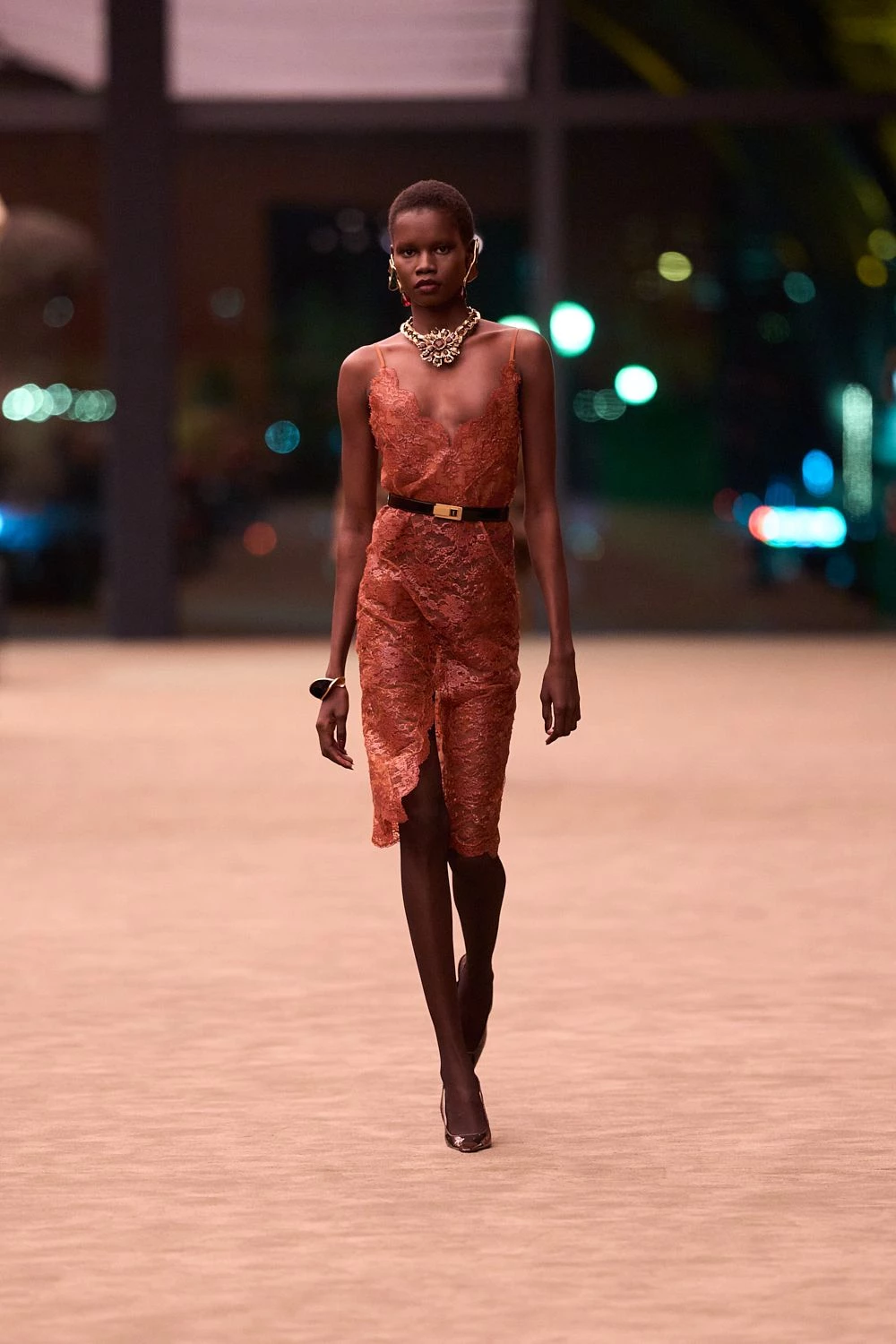
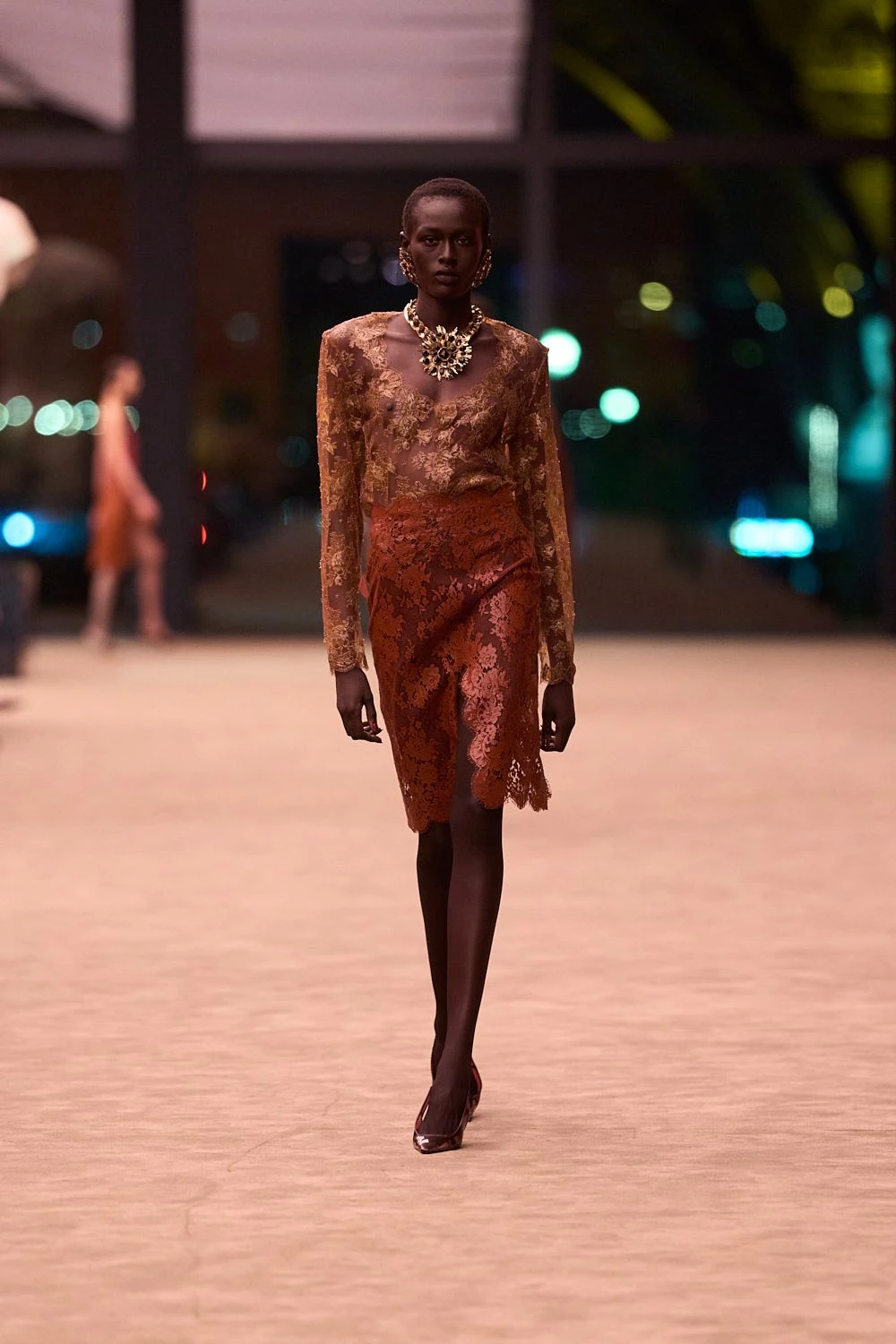
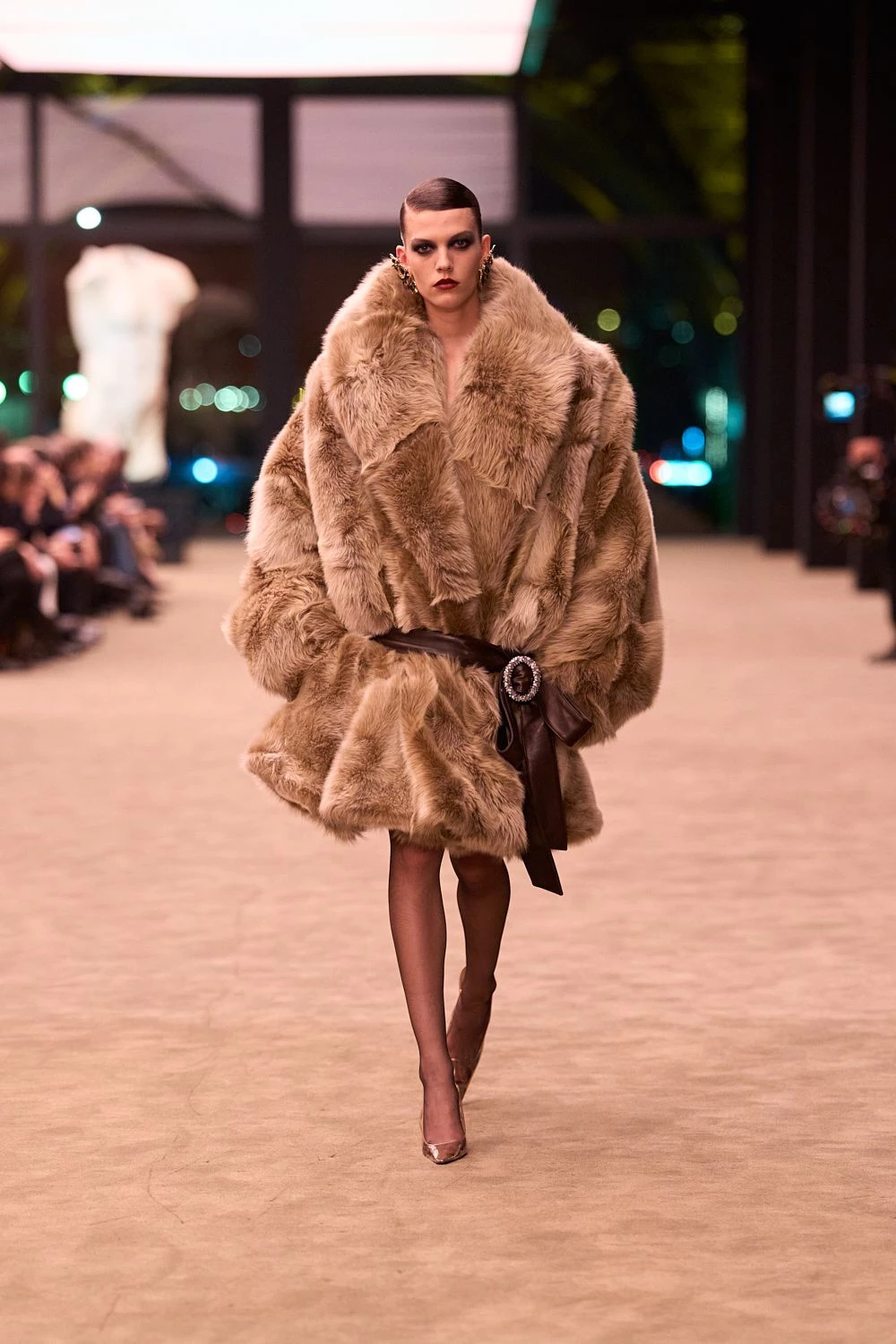
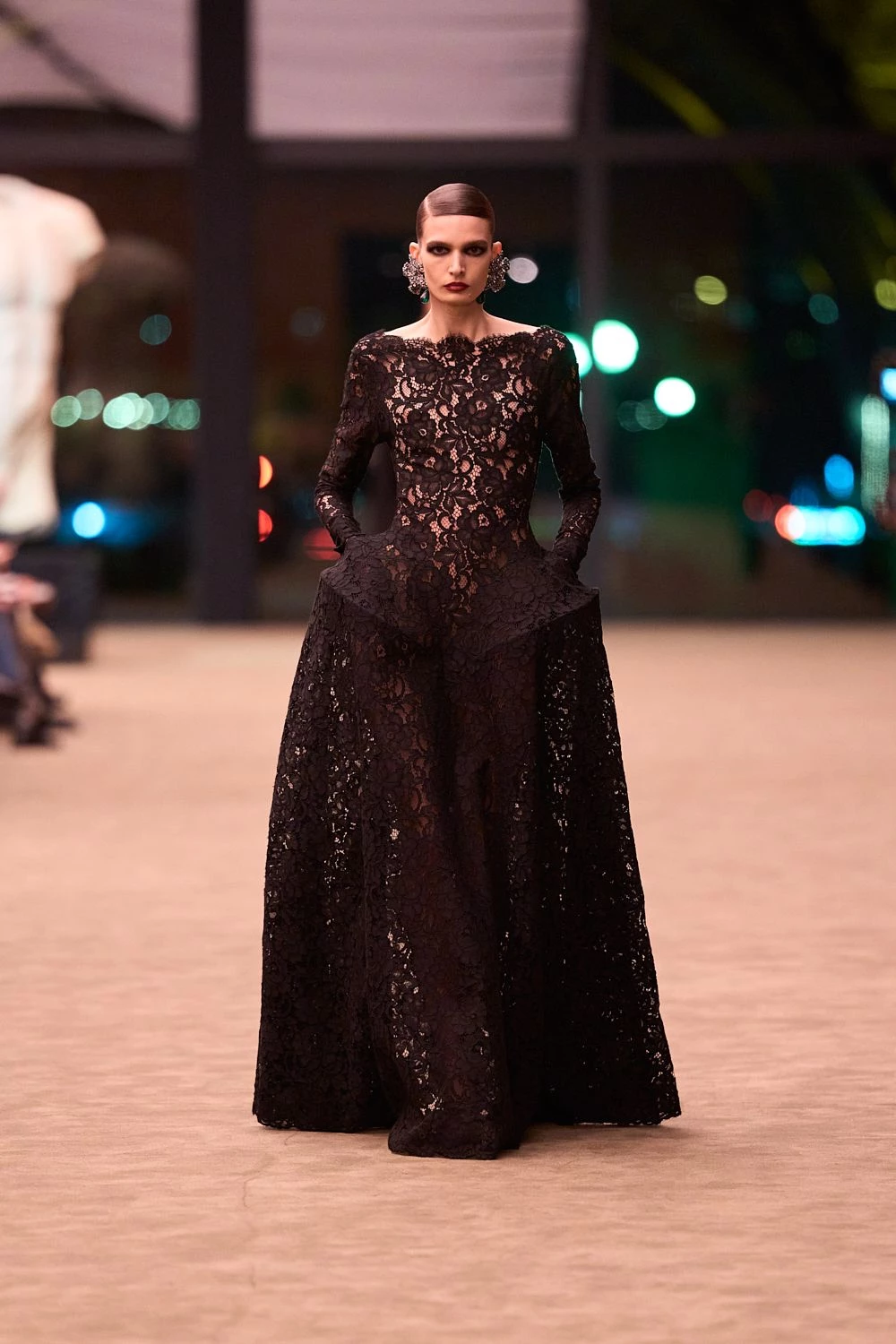
Backstage, Vaccarello said he borrowed the sloping shoulder line from the new men's collection, but made the women's suits more fluid and unlined. The repetitiveness of the silhouettes focused attention on the details: the side-parted hair, fixed with gel and gathered in a low bun, the rich smoky eyes, accentuated cheekbones and glossy dark red lips by Pat McGrath – a reference to the aesthetics of advertising campaigns and Helmut Newton photographs of the 1970s and 1980s.
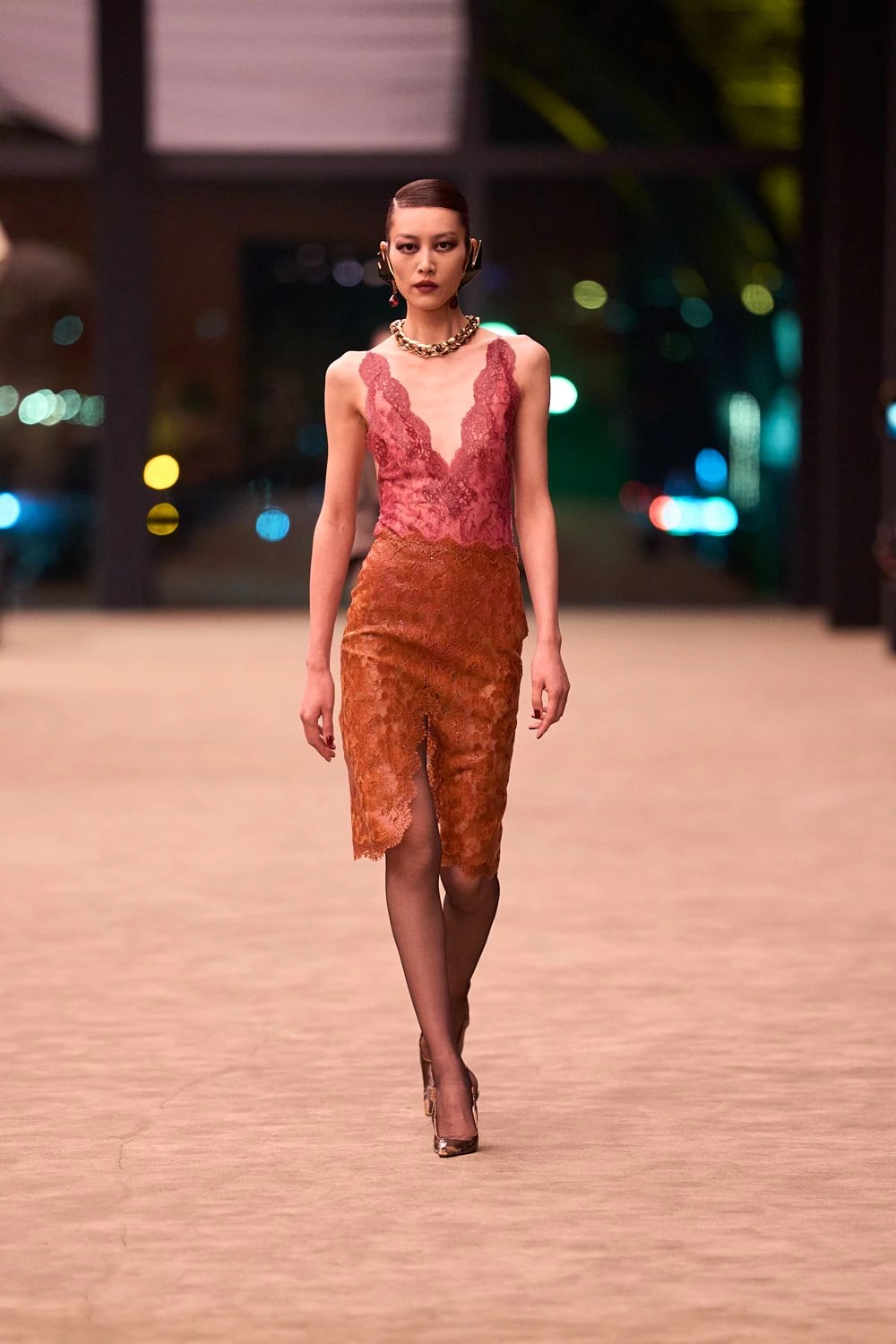
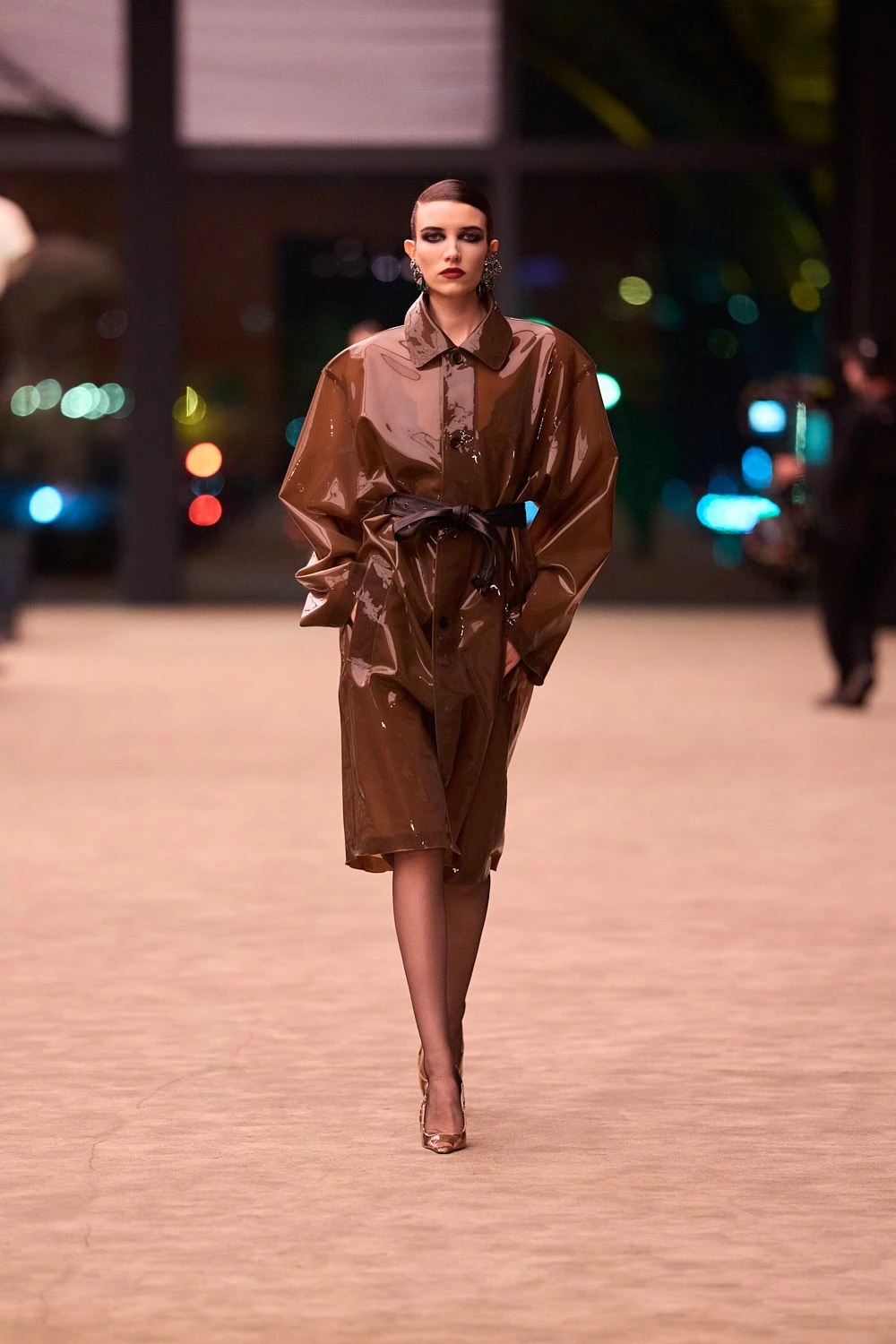
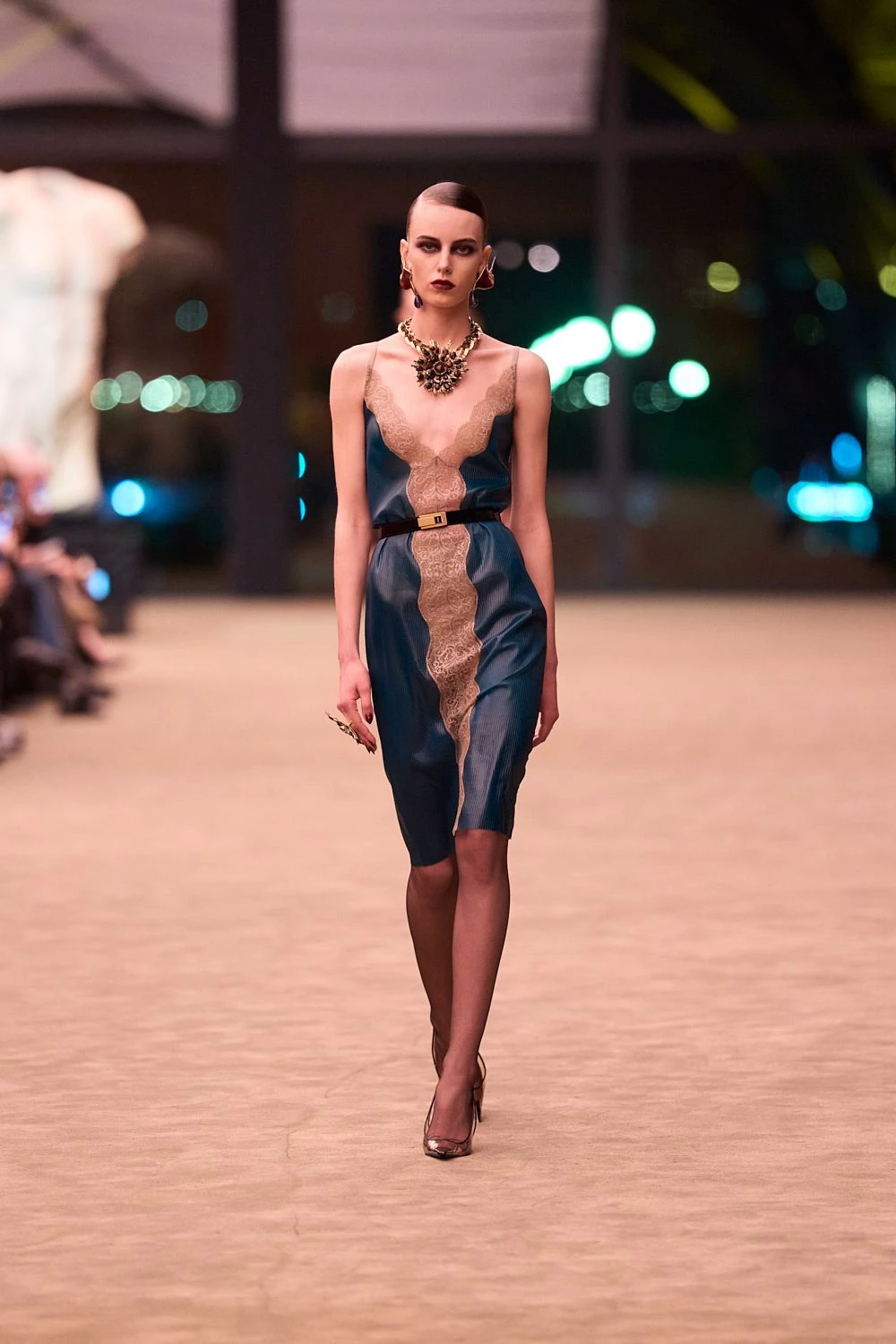
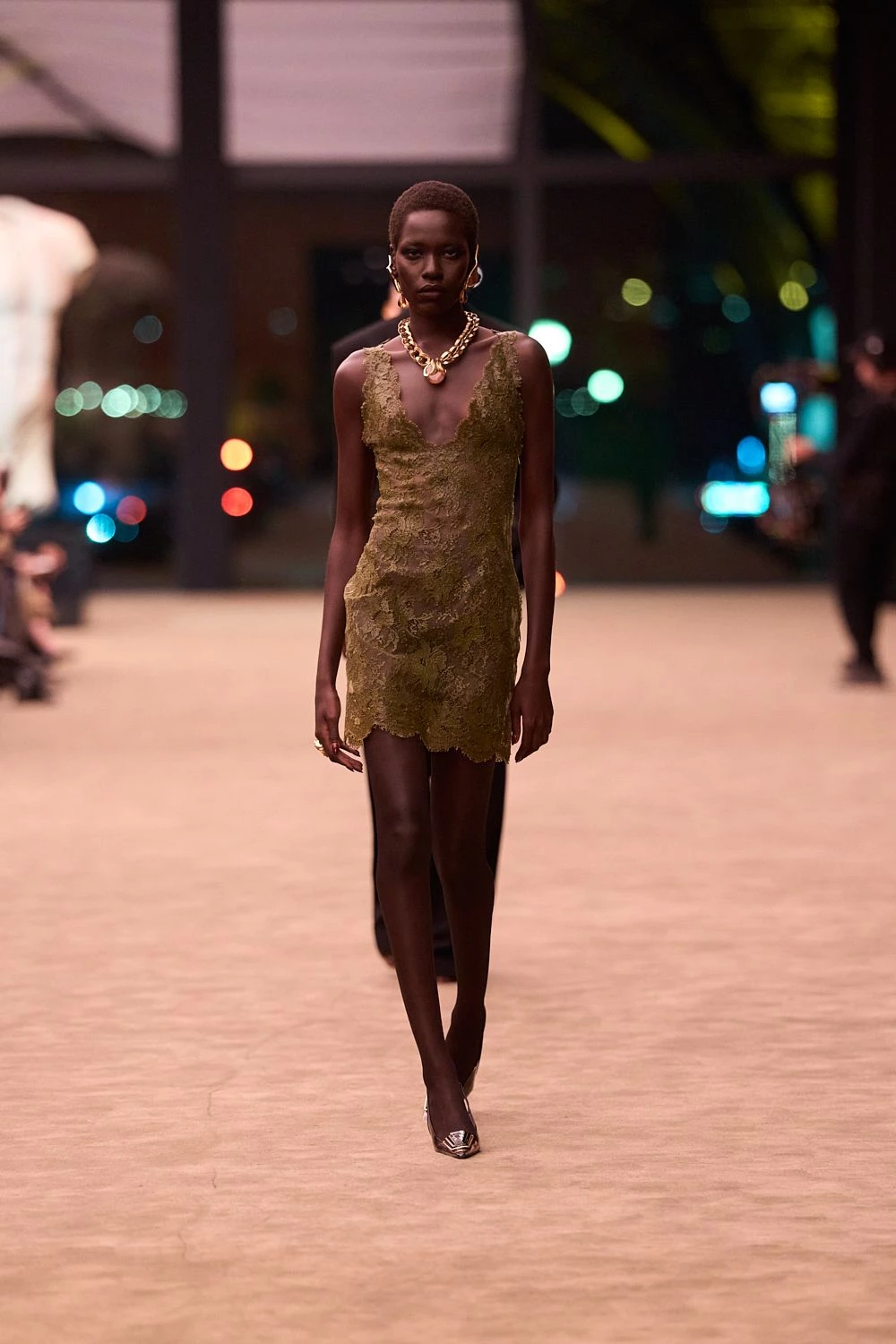
The strict tuxedo was counterpointed by another series – tight bodysuits made of silicone-coated lace, as well as two shiny rubber raincoats. This decadent chic echoed the mood in Milan, particularly in Demna’s collection for Gucci. The message is clear: sexuality is back at the center of the fashion conversation – along with a return to a clearly defined, almost canonical body type.
Based on materials from vogue.com.