

Junya Watanabe's patchwork jeans have become one of the most noticeable denim trends of the spring-summer 2026 season. Today, interest in complex, expressive denim has increased again, and it is Junya Watanabe's models that best reflect this trend. However, it is worth understanding that these decorative patches are not just patches or decor for the sake of decor, but a clear idea and strategically placed details.
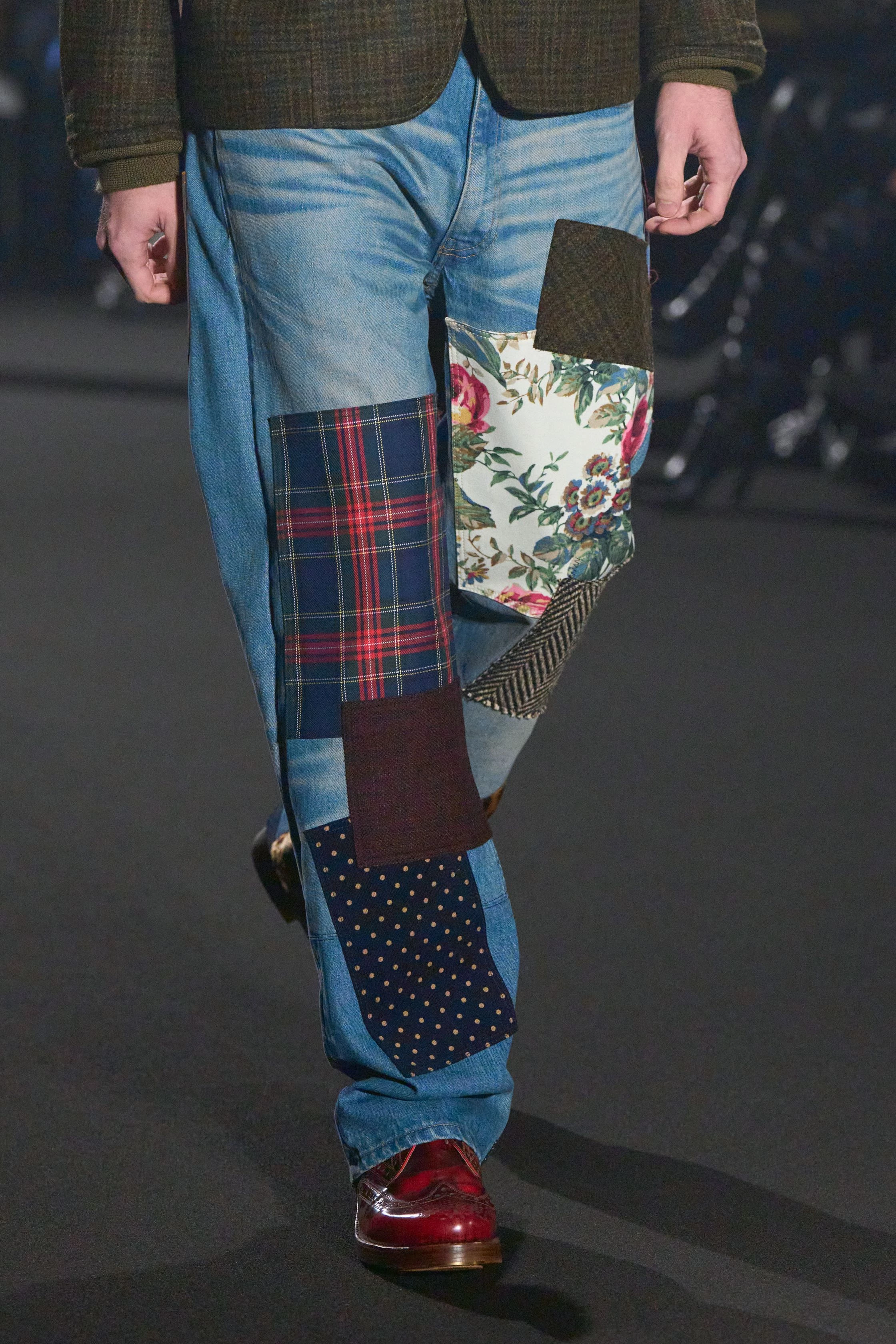 Junya Watanabe fall-winter 2026/2027
Advertising.
Japanese-based brand Junya Watanabe works with denim not as a basic everyday fabric, but as a material that can be reimagined, complicated, and literally reassembled. This is what sets Junya Watanabe's patchwork jeans apart from many other styles that appear in seasonal collections and quickly disappear.
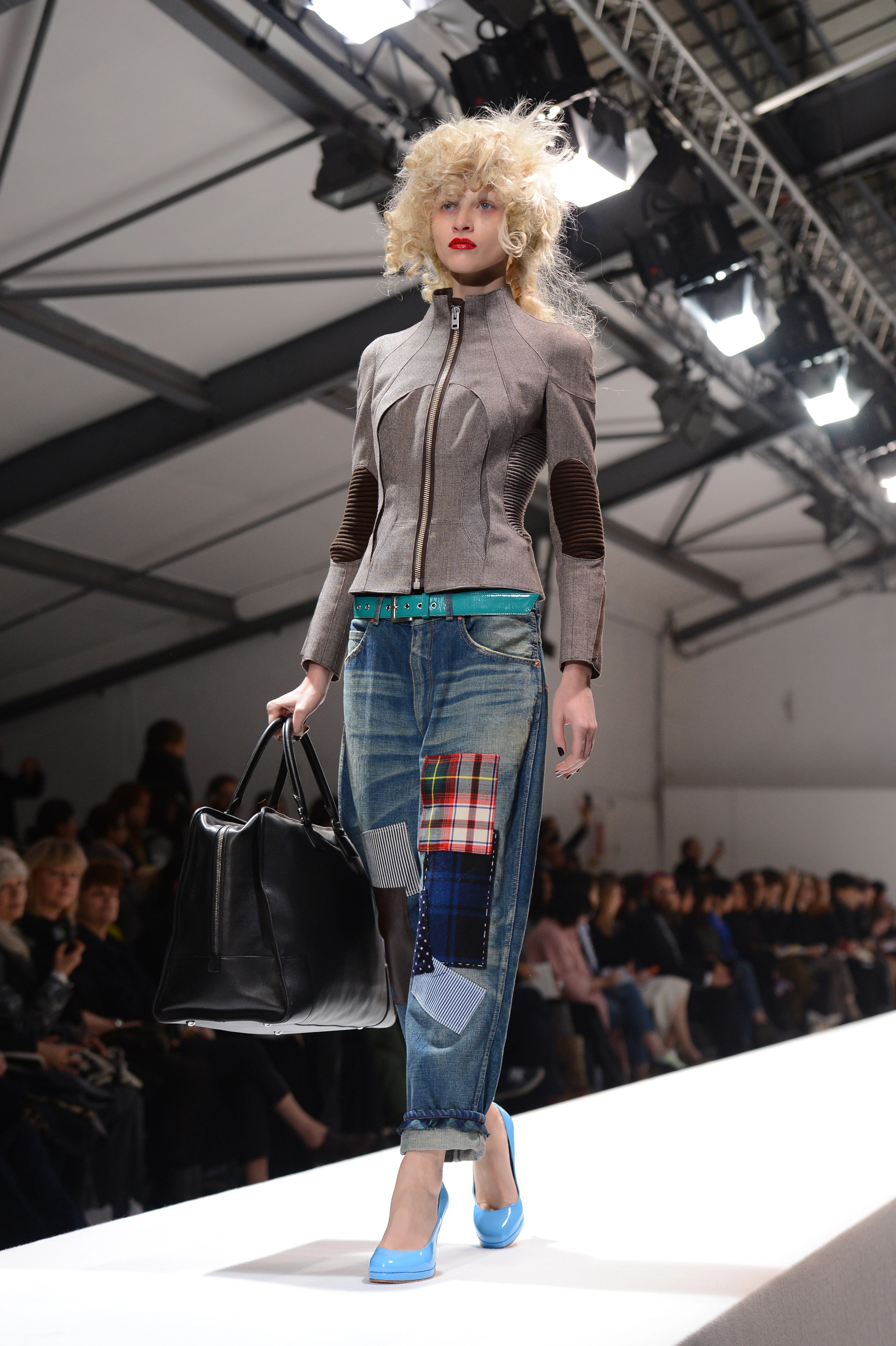 Junya Watanabe fall-winter 2013/2014
A special place in this story is occupied by the collaboration with Levi's. Watanabe has always been interested in things that already have their own history, shape and value. That is why classic Levi's jeans have become an important basis for his work. In 2001, the brand's collaboration with Levi's Japan was first presented in the Junya Watanabe men's collection. The starting point for the work then was the classic Levi's 501. Later, this model gave the designer space for new interpretations, and patchwork jeans gradually became one of the most recognizable items in the Junya Watanabe range.
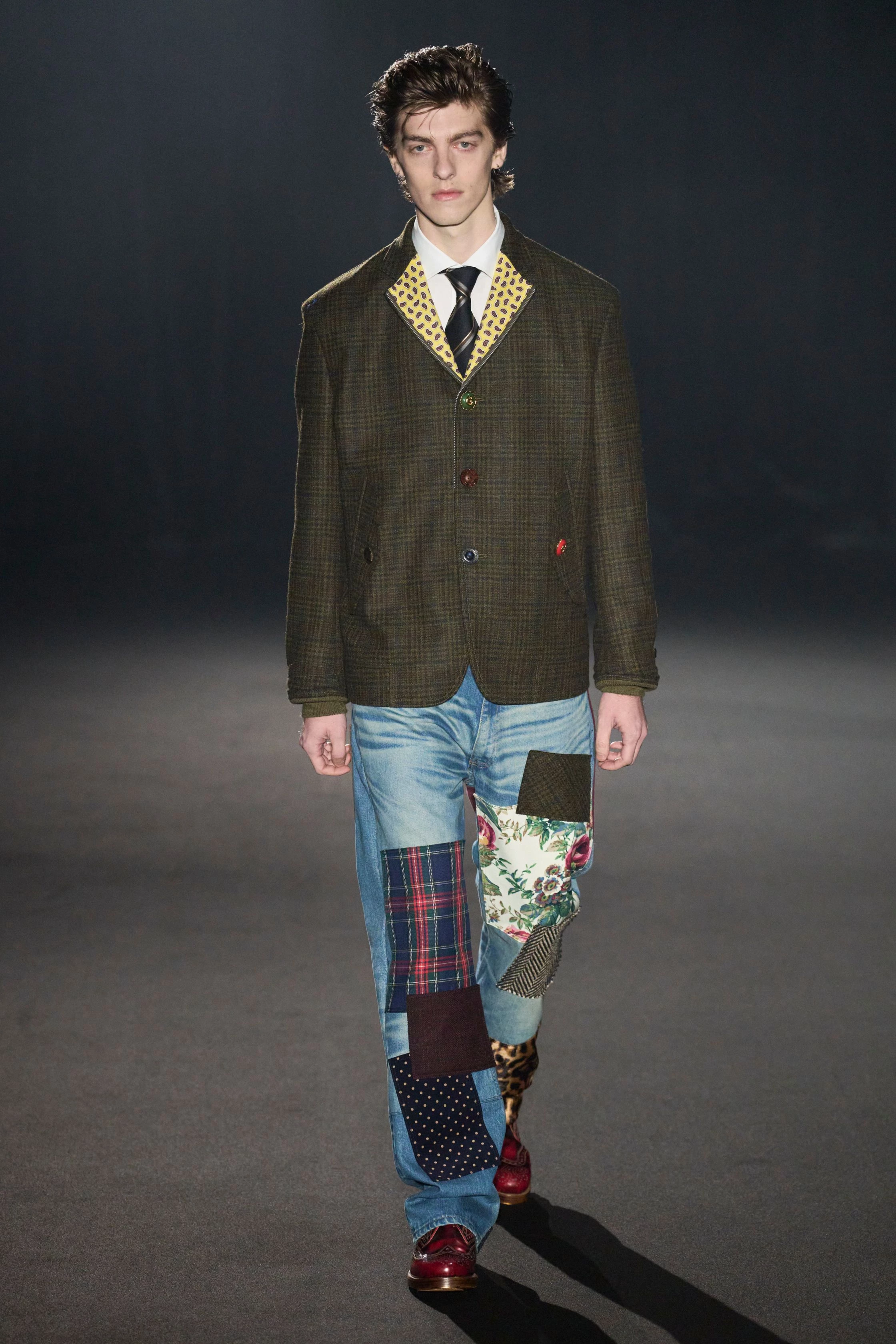 Junya Watanabe fall-winter 2026/2027
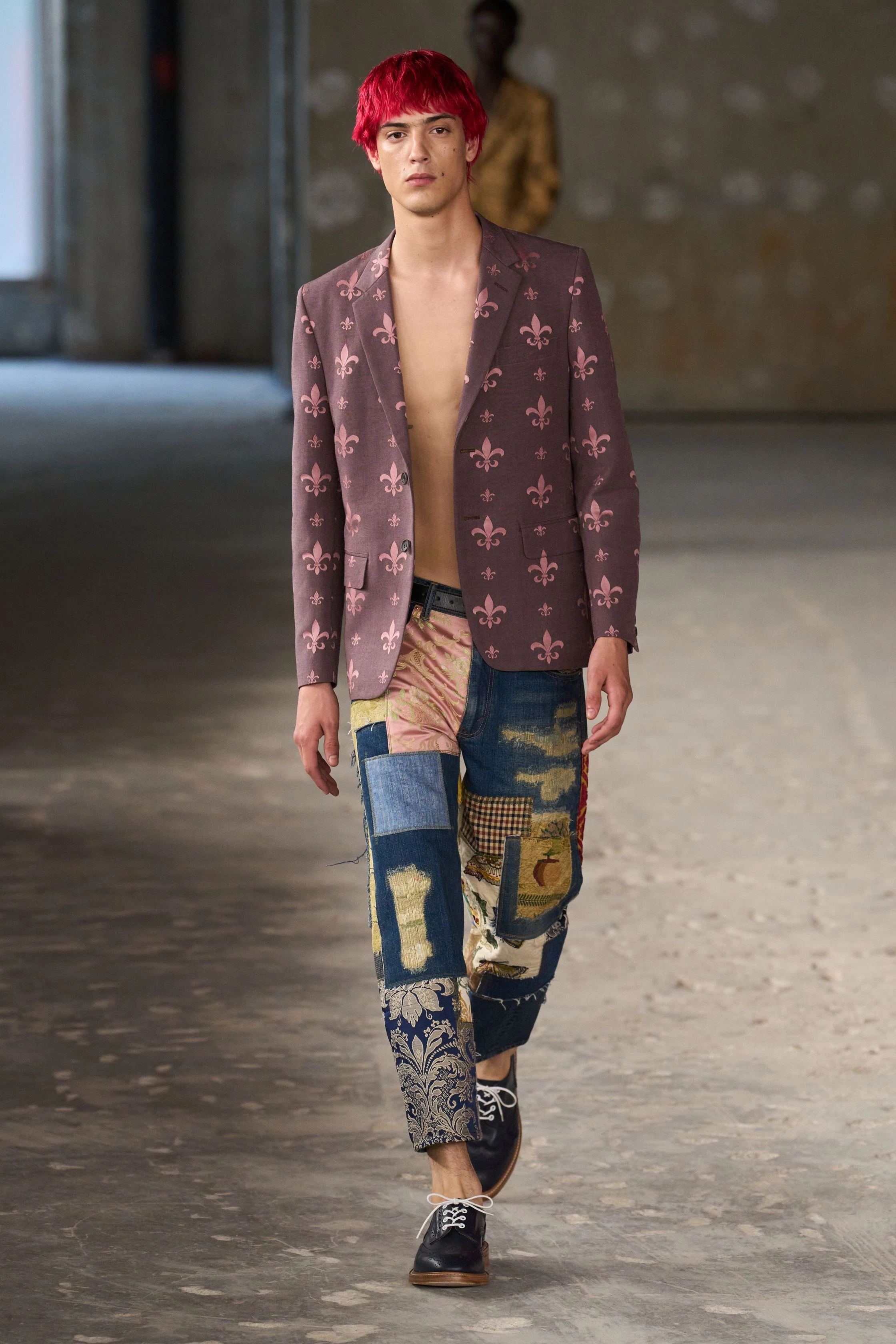 Junya Watanabe spring-summer 2026
Importantly, this aesthetic is not simply based on a love of visually complex denim. Junya Watanabe's work is often associated with the Japanese technique of “boro.” This is an approach in which clothes are repaired, strengthened, and extended through patches, seams, and layering of fabrics. Every seam, every insert, and every fragment has meaning.
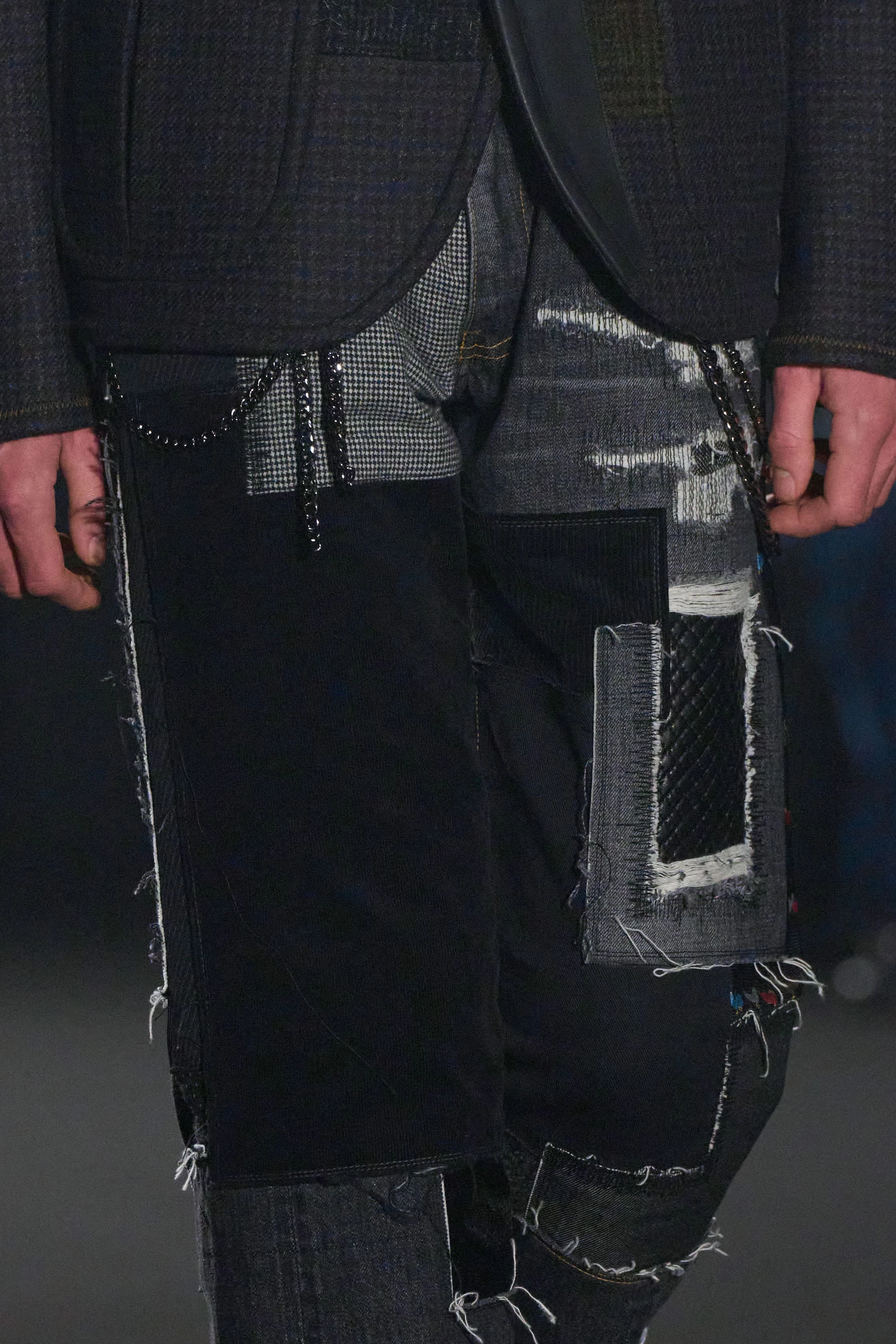 Junya Watanabe fall-winter 2026/2027
This approach is especially relevant today. Fashion increasingly values things with character, handwork, complex textures and unusual designs. Denim is no longer perceived as just a simple base. In the spring-summer 2026 season, it should be expressive, thoughtful and recognizable. This is where Junya Watanabe's patchwork jeans come into play.
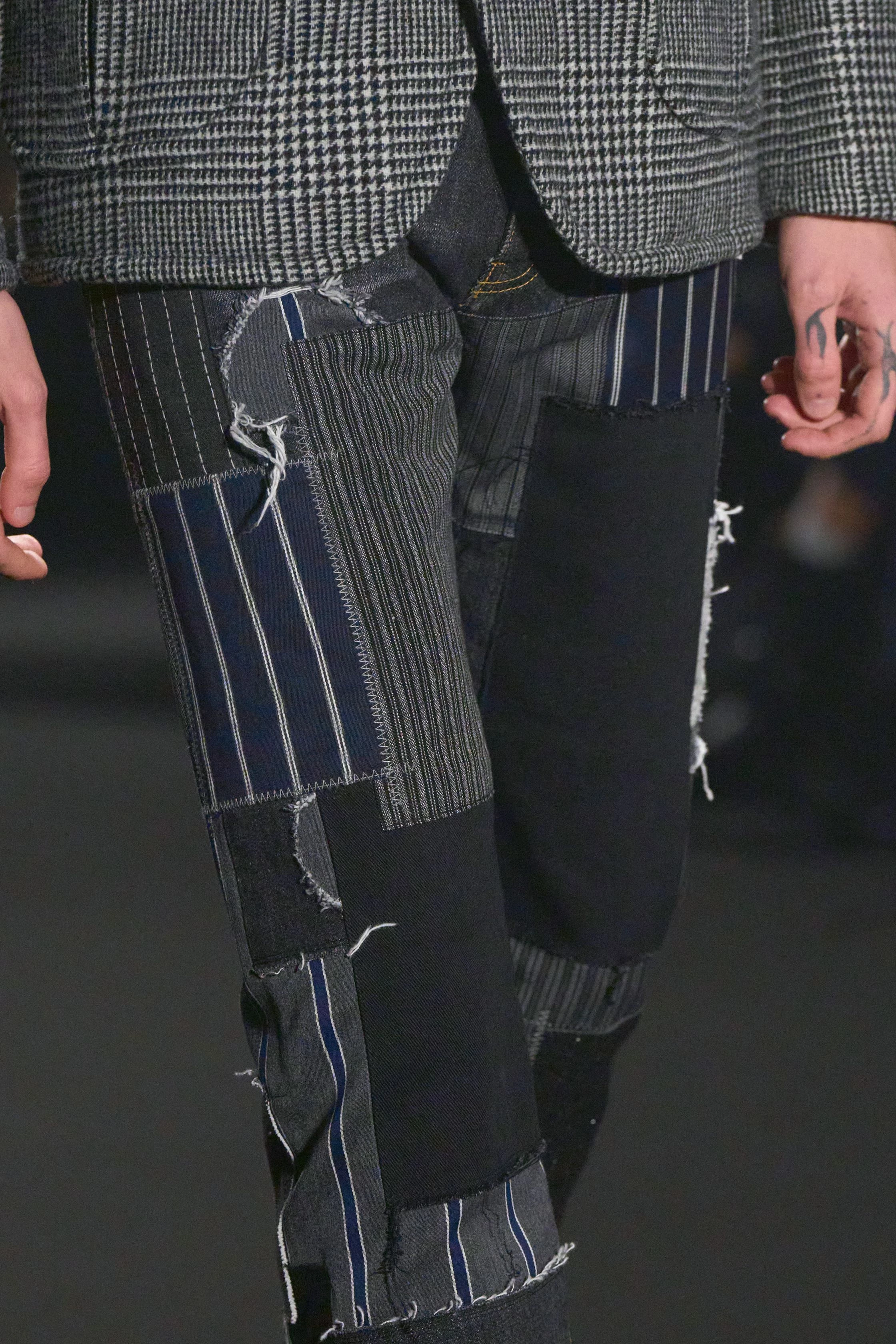 Junya Watanabe fall-winter 2026/2027
Another reason for the popularity of these jeans is that Junya Watanabe is constantly looking for new approaches to working with denim itself. He does not repeat the same model and does not reduce patchwork to a simple set of patches. In different collections, wide jeans, straight models, narrowed versions, silhouettes with complex constructions and layers, rough seams, processed edges, aged details and combinations of several textures in one thing appear. Within one model, cotton, wool, nylon and other materials can be combined.
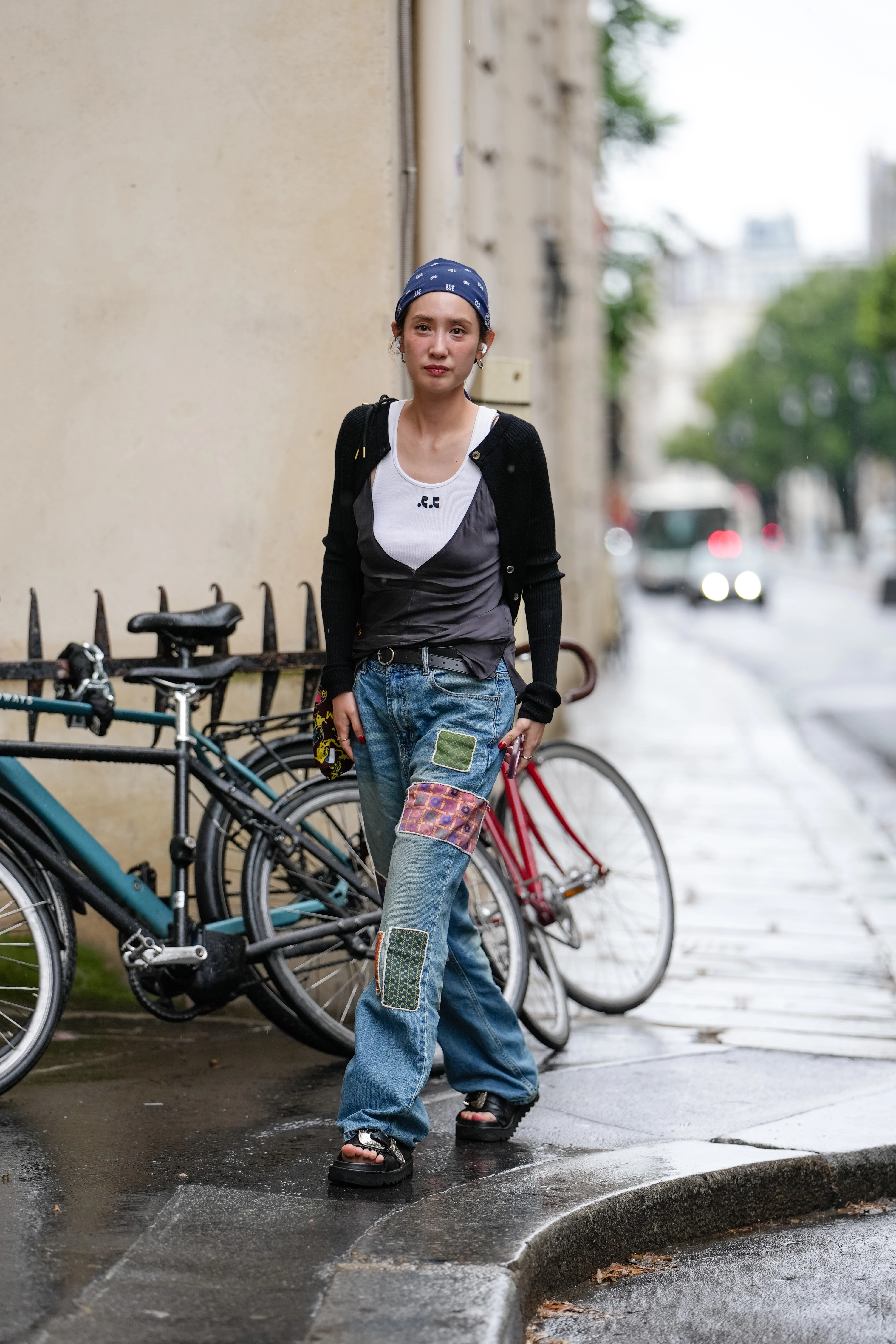 Patchwork jeans in street style
Separately, it is worth mentioning the broader context. The interest in Junya Watanabe's patchwork jeans coincides with a general change in attitude towards clothing. Today, there is more and more talk about the durability of things, repair, reuse of materials and a conscious approach to fashion. Against this background, patchwork is perceived especially convincingly. It literally shows the value of the fabric, the construction and the thing itself. Seams, joints or traces of processing become part of the aesthetics. Junya Watanabe jeans today are modern not only visually, but also ideologically.
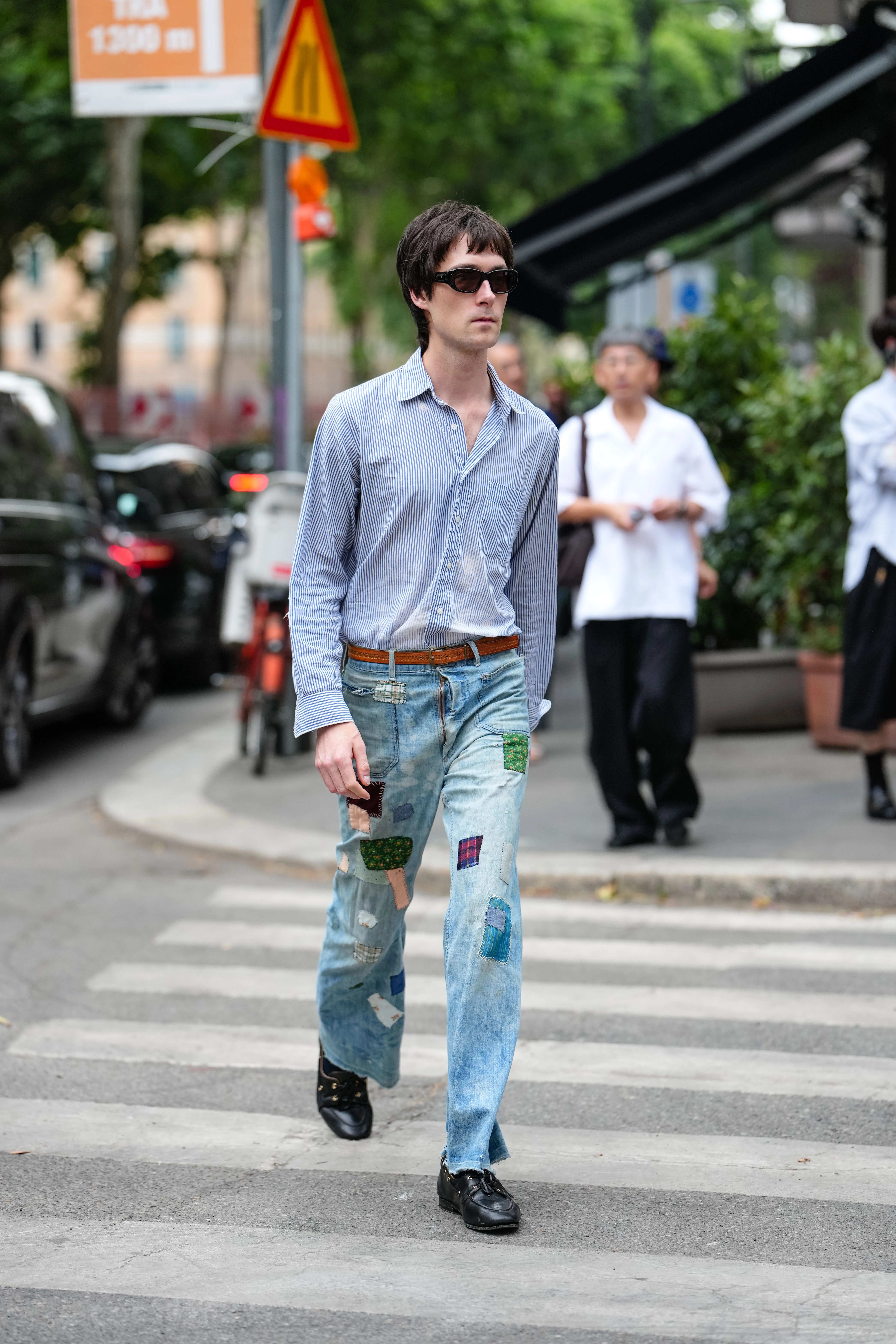 Patchwork jeans in street style
They combine the history of denim, the Japanese approach to construction and quality, logic and a modern outlook. Today, these jeans best meet the main demand: to wear things that have both practical value and strong aesthetics.
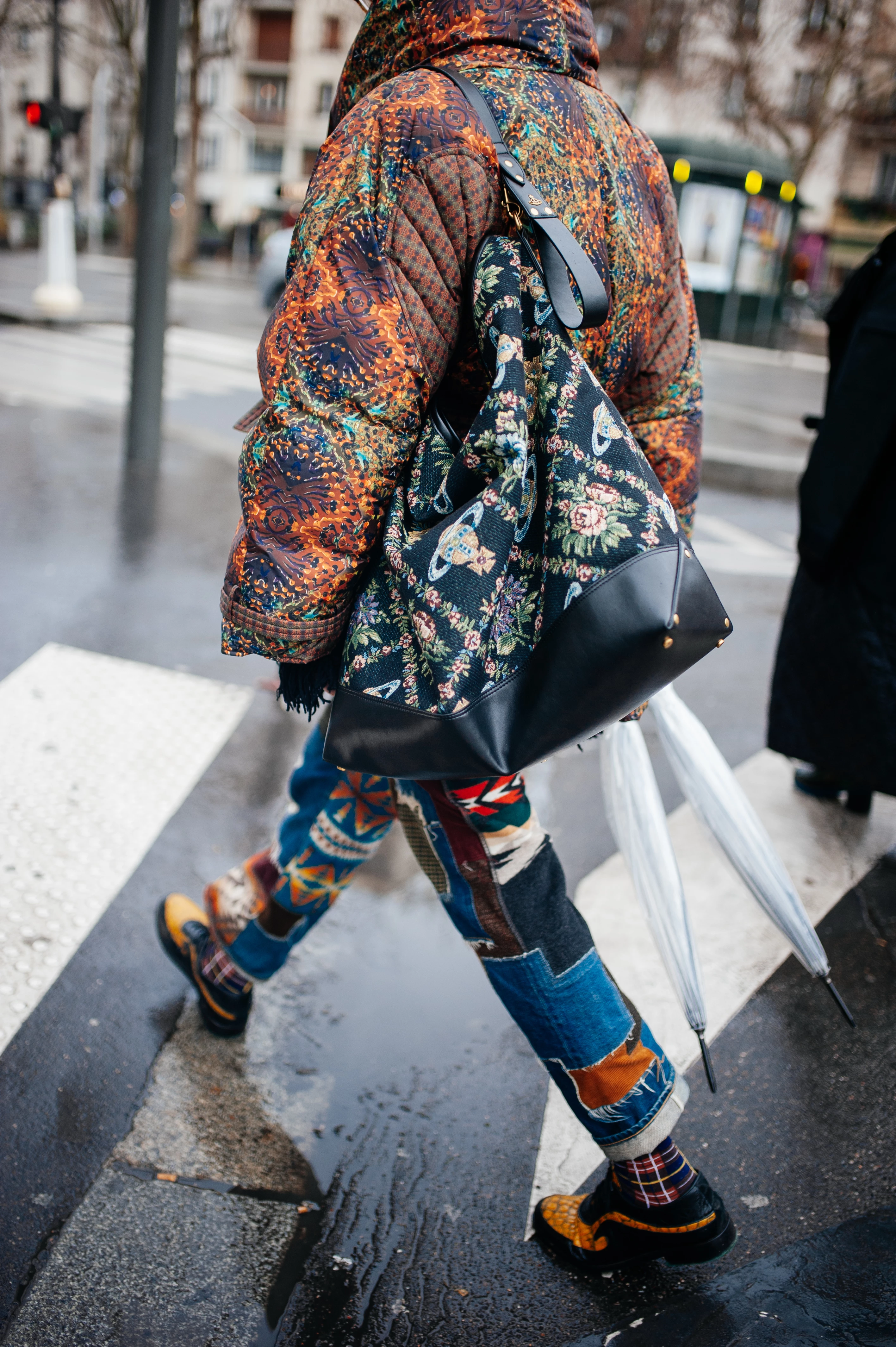 Patchwork jeans in street style