

“Male designers can create women's clothes,” says Maria Grazia Chiuri with heavy irony. “But female designers can't create men's clothes.” Warming up, she raises an eyebrow, smiles, and leans forward: “Because geniuses are only men! Creative people are only men!” She pauses, as if thinking: “What about Miuccia Prada? But she's the founder, right? Chanel? Schiaparelli? It's like with chefs: the chef is a man. And the cuoca – a woman – is no longer equal. Nothing changes.”
But Chiuri herself is an example of change. In 2016, she became the first female creative director of Christian Dior (women's collections, Haute Couture and accessories, but not men's). In nine years, her feminin-centric, feminist and collaborative approach to design and storytelling has changed the discourse in fashion. Yes, her collections have sometimes divided critics, but they have almost always enchanted customers. And, by the way, she has almost quadrupled the brand's profits.
Advertising.
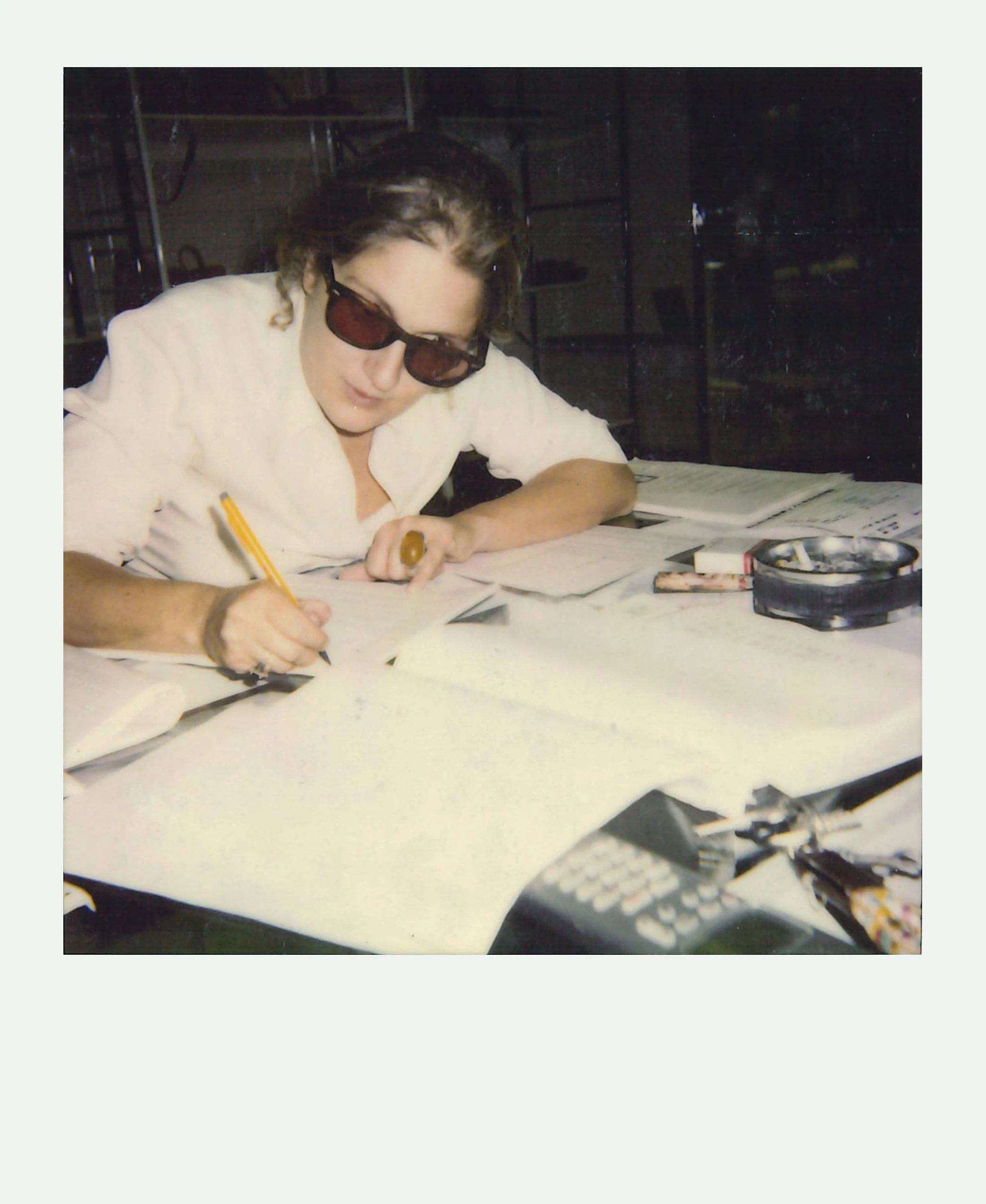 Maria Grazia Chiuri during her first period at Fendi, circa 1992
“Yes, and everyone remembers me because I made big numbers at Dior! When a male designer shows big sales, it means he has a business acumen. And if it's a female designer, it means she's commercial.” She pronounces the word “commercial” with the same disdain that the industry often puts into it. “It's a mentality. It's a culture!”
Back to Fendi, where Chiuri was appointed creative director last October, six months after leaving Dior. It was at Fendi that she began her career in 1989, at the age of 24, as an accessories designer. She continued to work there after she had her children, mentored by the five Fendi sisters – Paola, Anna, Franca, Carla and Alda – in a supportive atmosphere she often describes as a sisterhood.
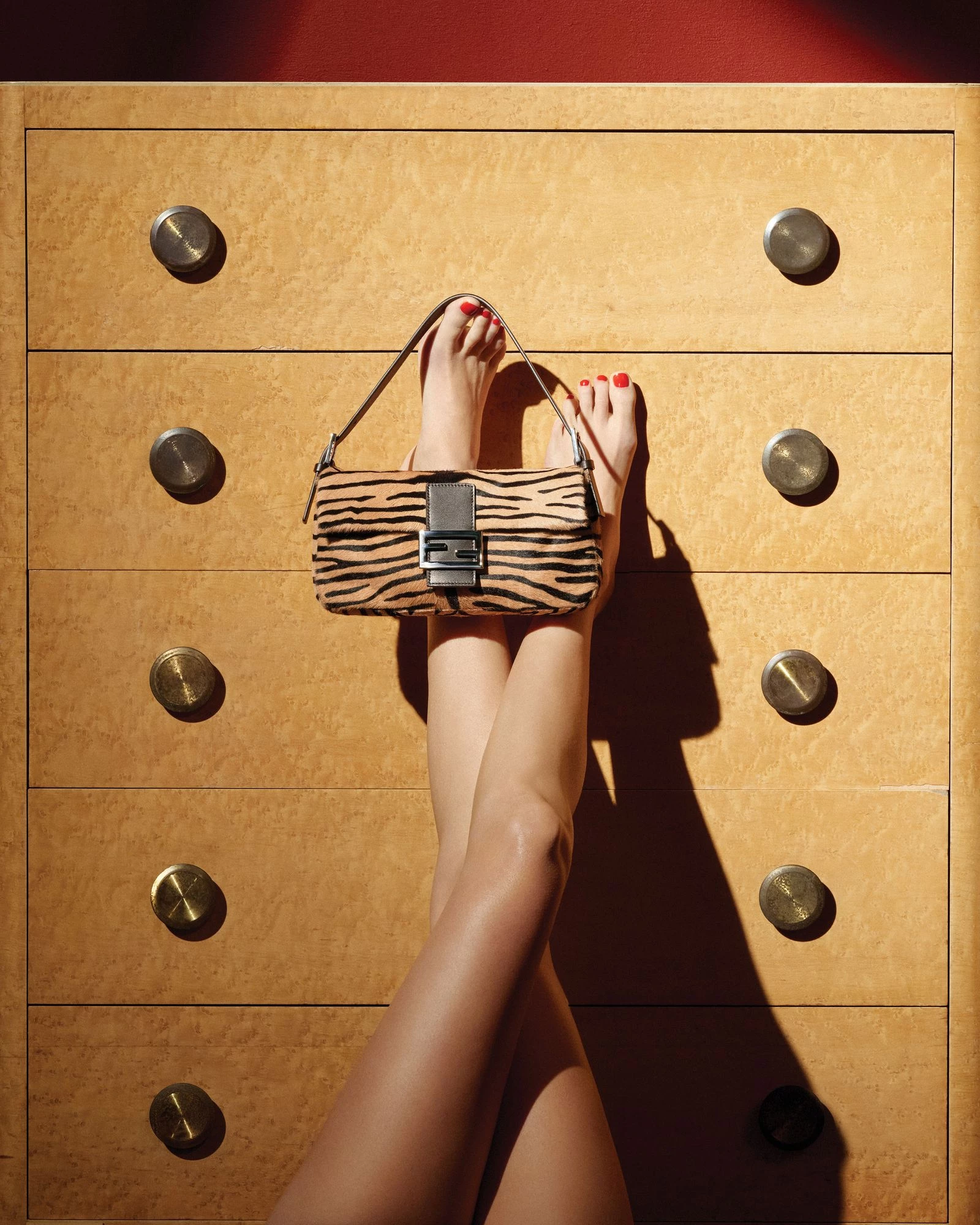 Fendi's new accessories campaign, directed by Maria Grazia Chiuri. Photo: Jo Ann Callis
“And the Fendi sisters too. Everyone only talks about Karl Lagerfeld, like they didn't do anything. Sorry.” She laughs: “Sorry! I'm boiling over! I don't want to discuss this system. It's so… boring.”
It may be boring, but it's true: just compare the number of women and men in creative director positions at major fashion houses. Still, if anyone deserves to be considered one of the greatest designers of our time, it's her.
However, Chiuri emphasizes that she did not return to Fendi to prove anything: “I am here to give back what was given to me.” She recalls that she started in a small family company and learned a lot from the founders: “They were five women from Rome who invited Karl Lagerfeld to collaborate back in 1965, long before Chanel. They preserved tradition and at the same time engaged in a dialogue with an innovator. They were visionaries.”
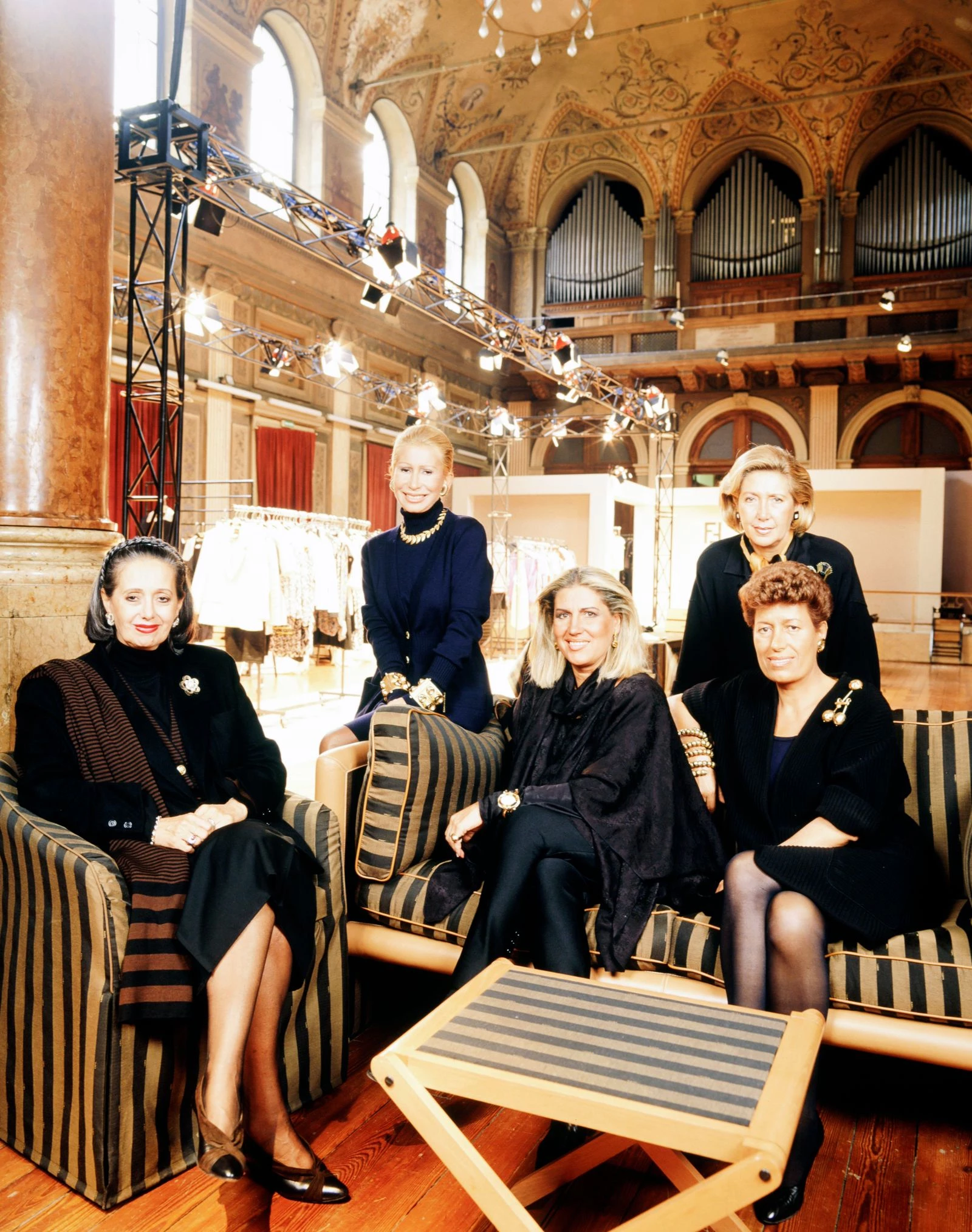 The Fendi sisters – Anna, Carla, Paola, Franca and Alda, 1990
Chiuri left Fendi in 1999, shortly before the brand was acquired by LVMH. She and Pierpaolo Piccioli joined Valentino's accessories team, where they worked under the founder and were later appointed as his successors after his resignation in 2008. “At Fendi, I learned how to work with accessories – shoes, bags and, of course, fur. At Valentino, I learned Haute Couture. And also large-scale campaigns, boutique development. It was an extremely important experience. We became creative directors there – that was also a new stage. You take something new from every experience.”
Almost 30 years after leaving, she returned to Fendi, which, she says, is now completely different: “Like all brands today. A different structure, a different scale. When I left, Fendi was a family company.” However, the culture of the current owner – LVMH – is well known to her: Dior is also part of the group, and her many years of leadership of this French House have added another significant level of experience to her.
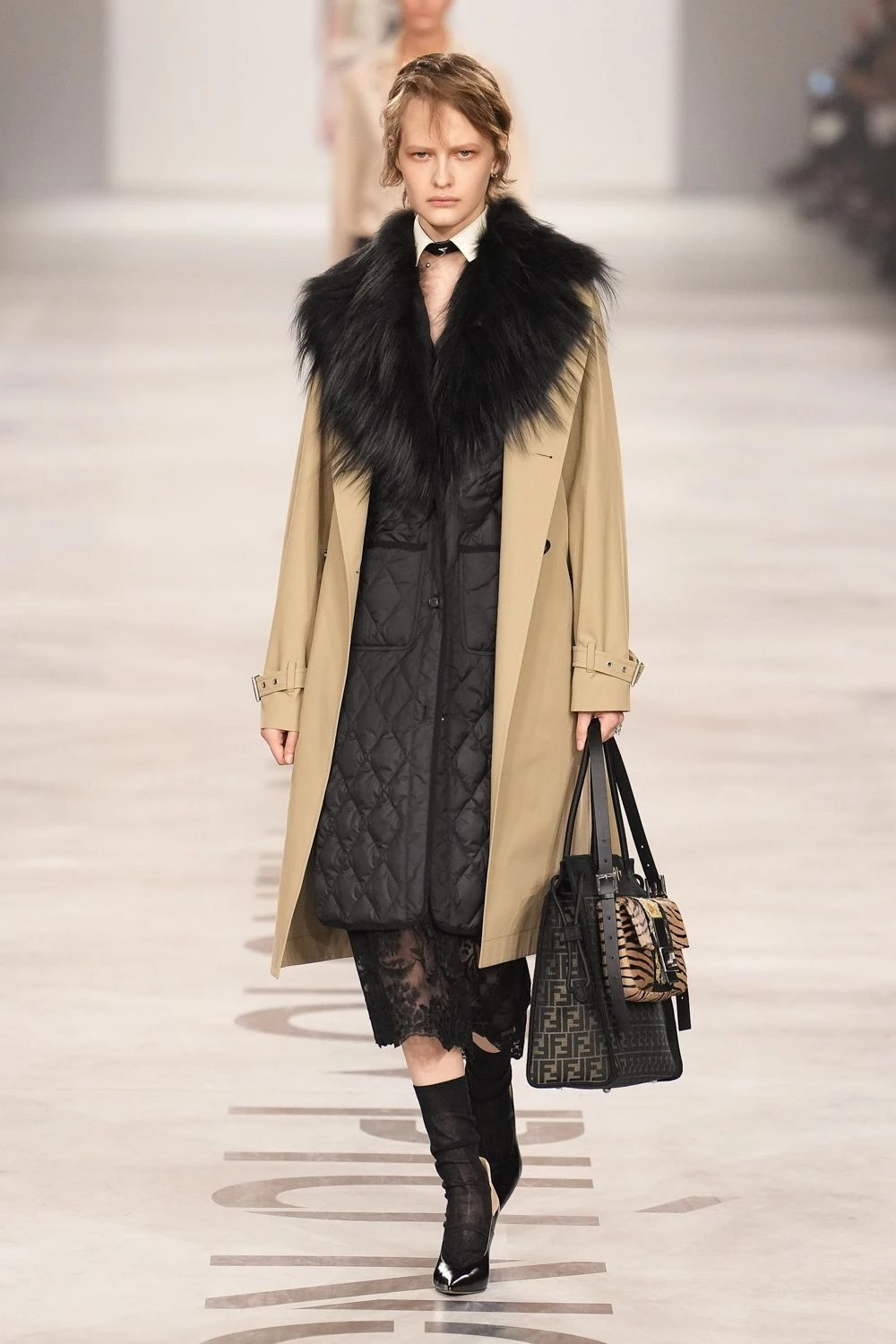 Fendi, fall-winter 2026/2027
Now she is channeling all that experience into shaping a new phase for Fendi. She sees her return as part of a broader evolution in the luxury industry. “We are moving into a different moment. New media has had a huge impact on the system. Everyone has started talking about fashion. It has become more popular, and now it is not just journalists or professionals who are discussing it. The impact of all these voices has been very strong, but not always positive. Part of fashion has become entertainment. But in the end, it is not just about that. Sometimes it seems like a designer is a light from heaven who just makes a sketch… In reality, it is more complicated. It is a team effort. A lot of technical skills.”
The fall-winter 2026/2027 show in Milan was the first opportunity to convey this new energy of Fendi to a wider audience. When asked to articulate the essence of her formula, Chiuri raises an eyebrow again: “I guess I'm not very good at selling! But in this show I synthesize my vision of Fendi – in the silhouette, the accessories, the shoes. For both women and men – the show will also include men's looks, because we worked on the collections together. I work in parallel with two teams.” At the same time, she will present a separate men's show in June.
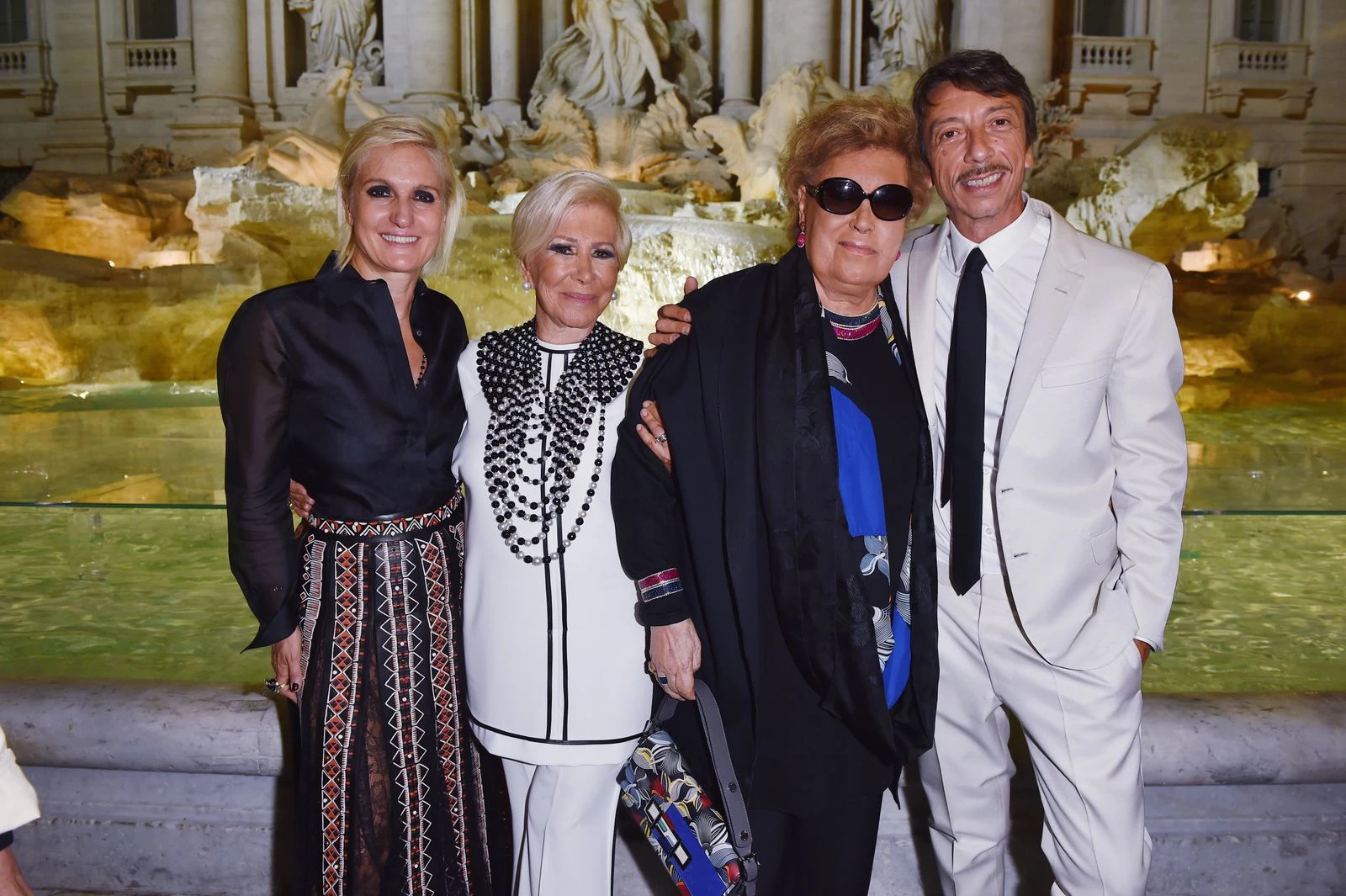 Maria Grazia Chiuri, Anna Fendi, Carla Fendi and Pierpaolo Piccioli at Fendi's 90th anniversary celebration in Rome, 2016
Accessories, traditionally key to the House, remain in the spotlight, alongside fur. “We work on every category: eyewear, jewelry, everything. I try to organize all the iconic elements of the House, its codes. Sometimes – not only at Fendi – too much communication creates confusion. It is important to clarify everything first for yourself and the team, and only then for the outside world. Modernism, but also the influence of Karl and the Vienna Secession – that is why Fendi is so clean, geometric and expressive. I try to see the whole picture of the Fendi codes and give them my own interpretation.”
She is moving away from the excessive use of monograms as decoration, returning to embroidery and appliqué techniques that emphasize the individuality of the clients. “That was the case with Baguette and Peekaboo.” And she adds: “The logo is a signature. Not a decoration.” To clarify this signature, she invited Leonardo Sonnoli to update the double F logo and the font. “It should be used only where it is appropriate.”
The silhouette should be the main means of communication. “We live in a different time in the fashion industry, and I'm focused on the silhouette. It's important to define the Fendi silhouette. And that's the coat. The coat, the jacket. That's my job. And also to understand what kind of women and men are our references.”
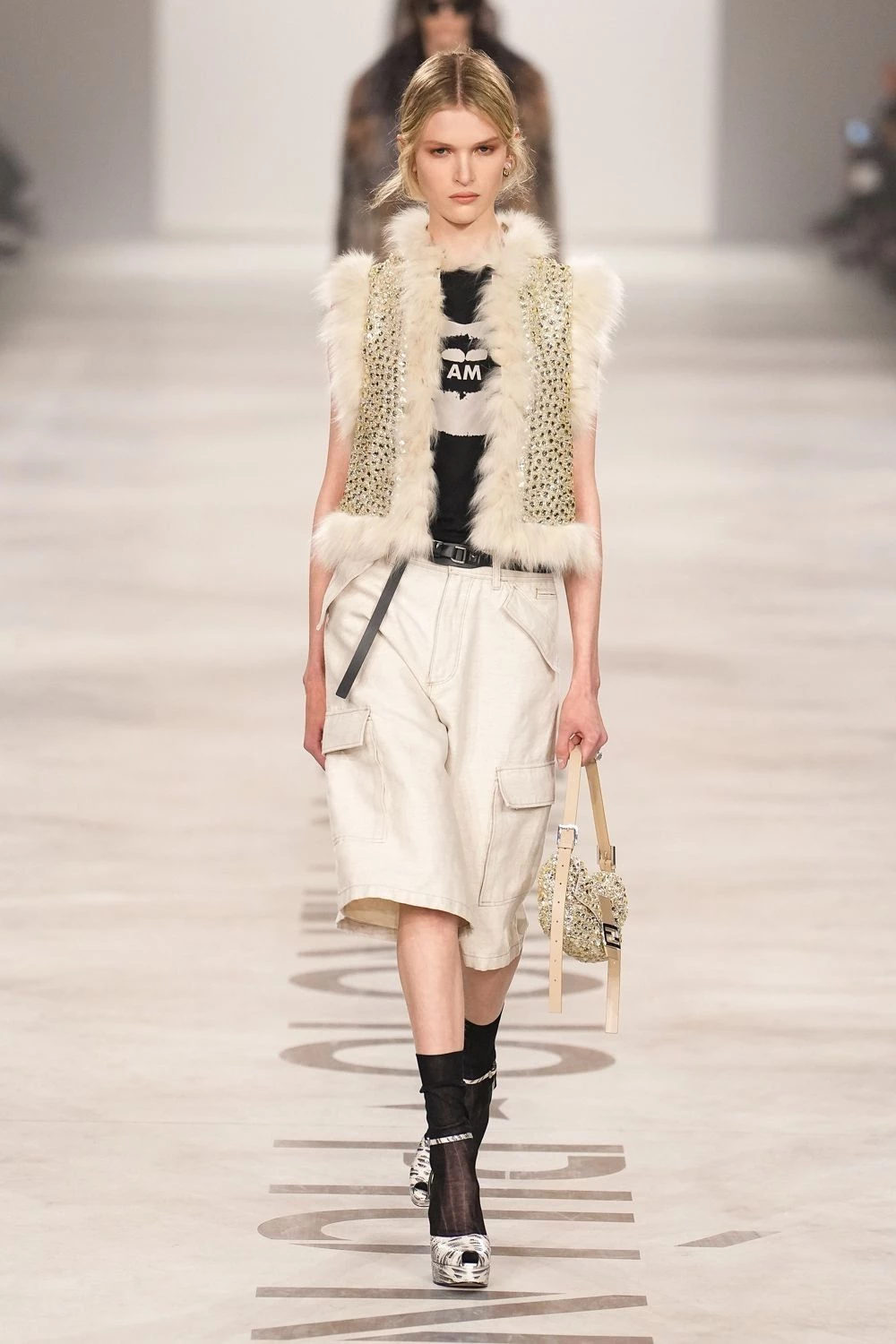 Fendi, fall-winter 2026/2027
Before its accessories fame, Fendi was known primarily for its luxurious furs – mainly coats and jackets. Each of the Fendi sisters was responsible for a certain aspect of the brand’s development, and Chiuri took their traits into account when shaping the new silhouette. “My references are the sisters. They were creative but pragmatic: they worked. Their aesthetics were functional. And at the same time, sensuality is very important, because fur is softness, lightness, closeness to the body. For Fendi, fur and sensation are the same.”
The mention of fur comes as a surprise, as the house has rarely focused on the subject in recent years. “I understand the sensitivity of this topic. And that things are different today than they were in the past.” To respond to the growing interest in heirloom fur, she launched the Echo of Love program at Fendi's atelier, which is a program to dismantle, restore and reimagine vintage pieces. “Clients can even bring in non-Fendi fur and we'll work with it. It's a durable material. Many women have fur from their mothers or grandmothers. We can transform it into couture pieces – change the length, the shape, create a unique piece. And at the same time apply fur techniques to new materials.”
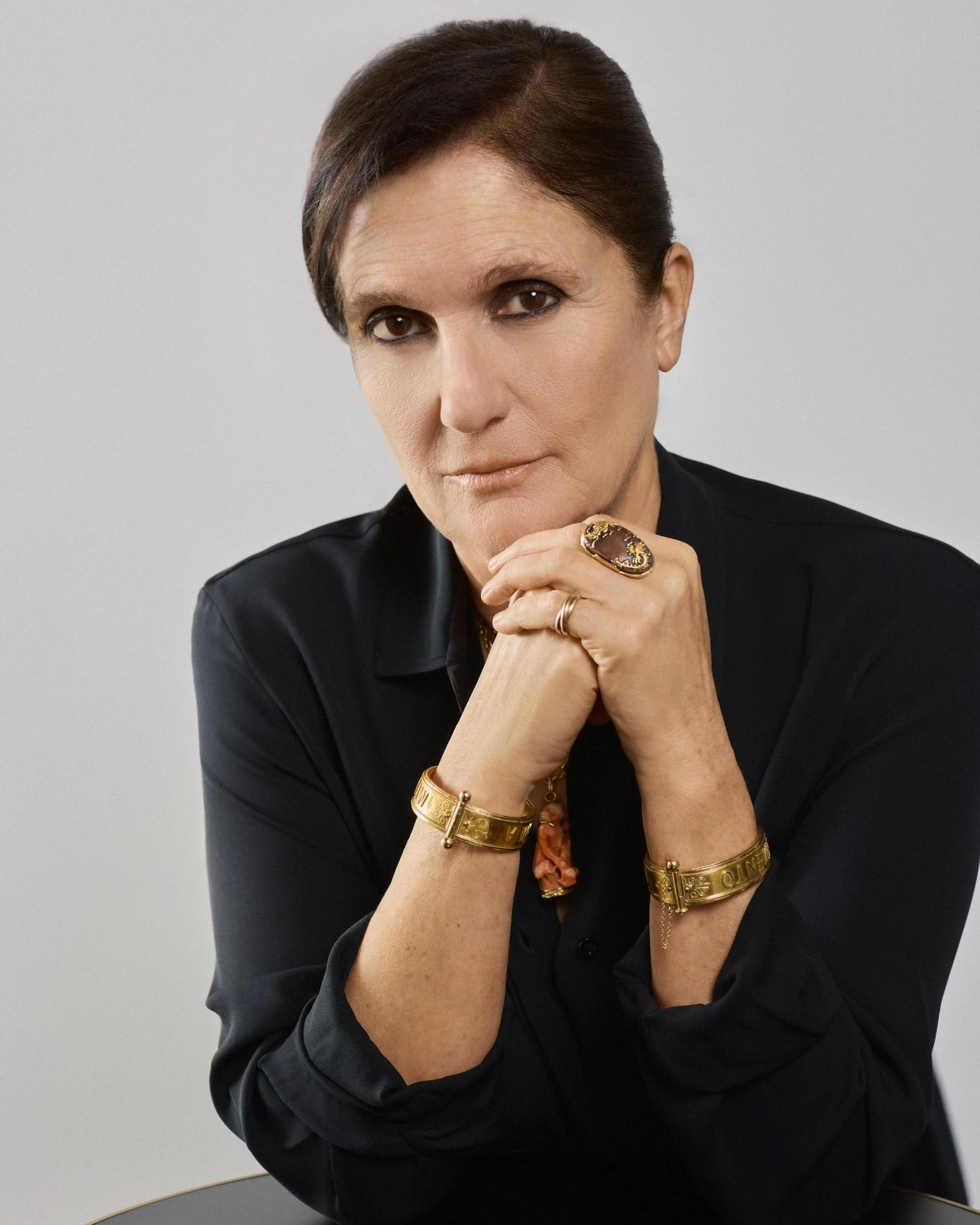 Photo: Laura Sciacovelli
“For me, Fendi is very important. I want to give back what it gave me.” She leans forward. “Between us, I love all fashion brands. Not just Fendi. I love fashion. I could work for anyone! It's a beautiful industry. I have a lot of respect for the founders of the Houses. Everyone is different, with their own vision. I especially love historical brands. Maybe I should do restoration! Because I want to highlight their greatness. I believe in it. They are beautiful. For me now, it's a dream to study brands and see how much the founders gave to create them. Sometimes you don't see that – that real passion behind each name.”
However, her immediate focus will be on the Fendi family. When asked if the new phase could be autobiographical, she shakes her head: “It's hard for me to see myself back then.” And yet, her words about the sisters – creative, pragmatic, hardworking and passionate – suggest that the new head of Fendi will be close to the heart of Maria Grazia Chiuri herself.
According to Vogue.com.