

This season, fashion seems to have completely lost interest in the future and instead fallen in love with the past. From the catwalks to the street style, a new aesthetic is taking shape, which is already being called the most romantic trend of spring: historical dramas, costume silhouettes and the feeling of living in another era. This is not a literal quote from history, but its emotional reinterpretation – with corsets, crinolines, ruffles and theatricality, which return to fashion a sense of escape from reality and allow you to dream again.
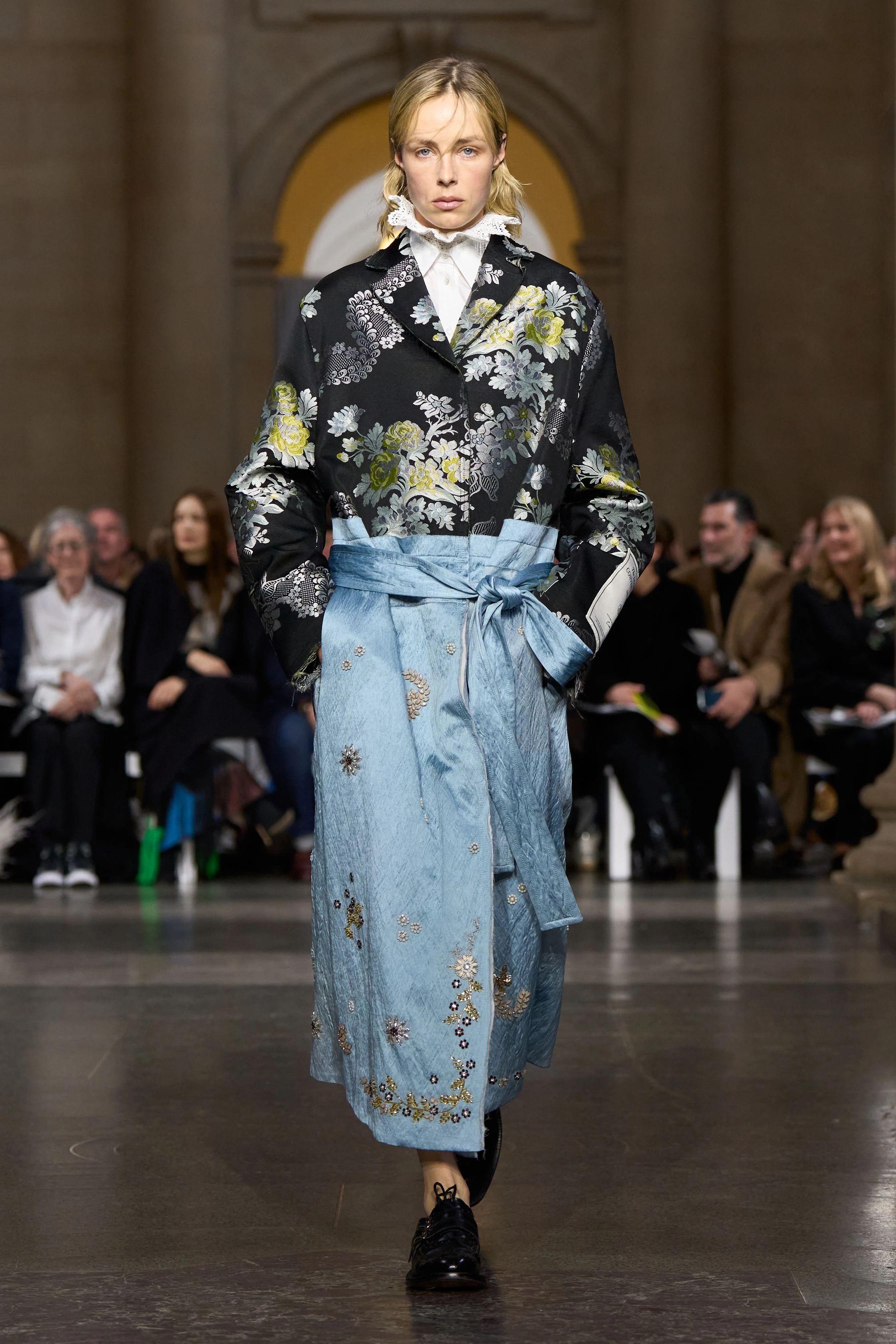 Erdem
Erdem
Advertising.
It all started, as it often does, with Jonathan Anderson. Last summer, when he took over the helm of one of the world's biggest fashion houses, the former Loewe designer took a step back in time. His debut men's collection for Dior, spring-summer 2026, simultaneously referred to different eras and figures – from Monsieur Dior and Jean-Michel Basquiat to the aristocracy of the 18th century, the paintings of Chardin and Romain Brooks. At the center was his play with the French men's suit of the 18th and 19th centuries.
By the time the women's fall-winter 2026/2027 collection was released, Anderson had already integrated his own version of the tutu into the Dior language. These were light miniskirts with airy trains, inspired by Christian Dior's collaboration with ballet back in 1947. Combined with the deformed Bar jacket, the silhouette acquired lightness and playfulness, as if balancing between different decades and historical codes.
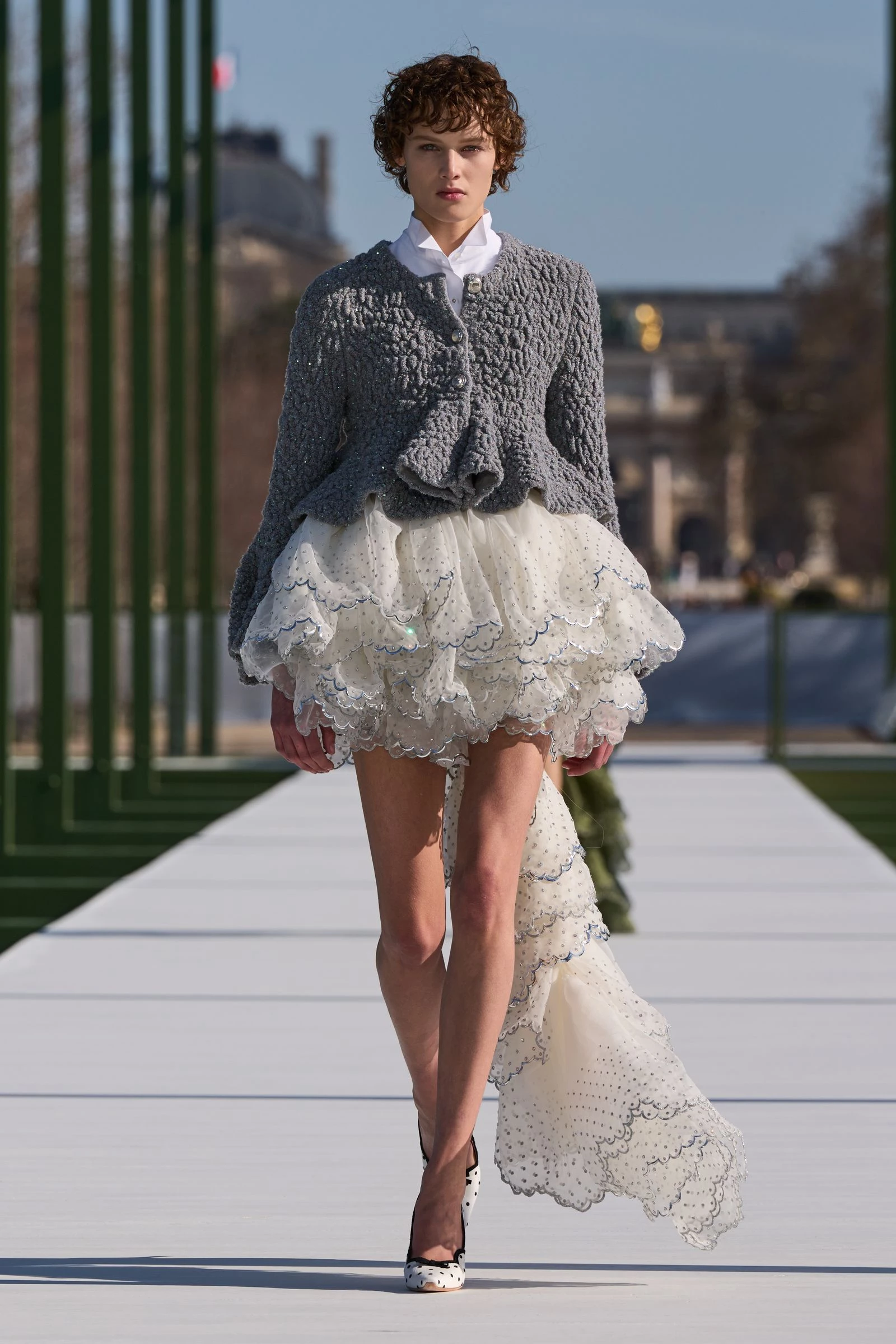 Dior
Dior
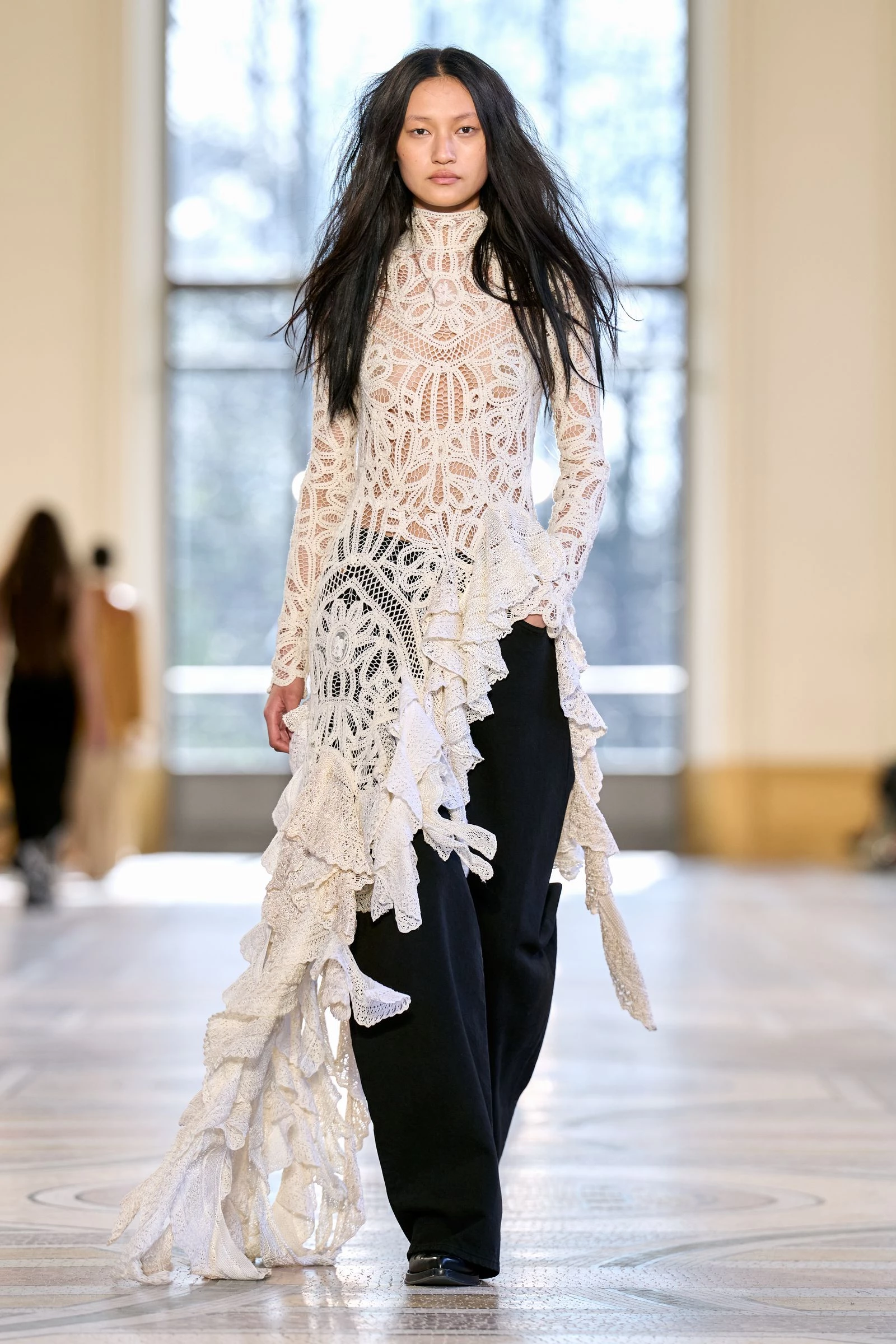 Gabriela Hearst
A similar romanticization of history was also evident in other collections of the season. From Alaïa's corset fantasies to Bottega Veneta's experiments, from Alberta Ferretti's feminine codes to Ganni's most romantic looks – the fashion world seemed to turn en masse to the aesthetics of the past.
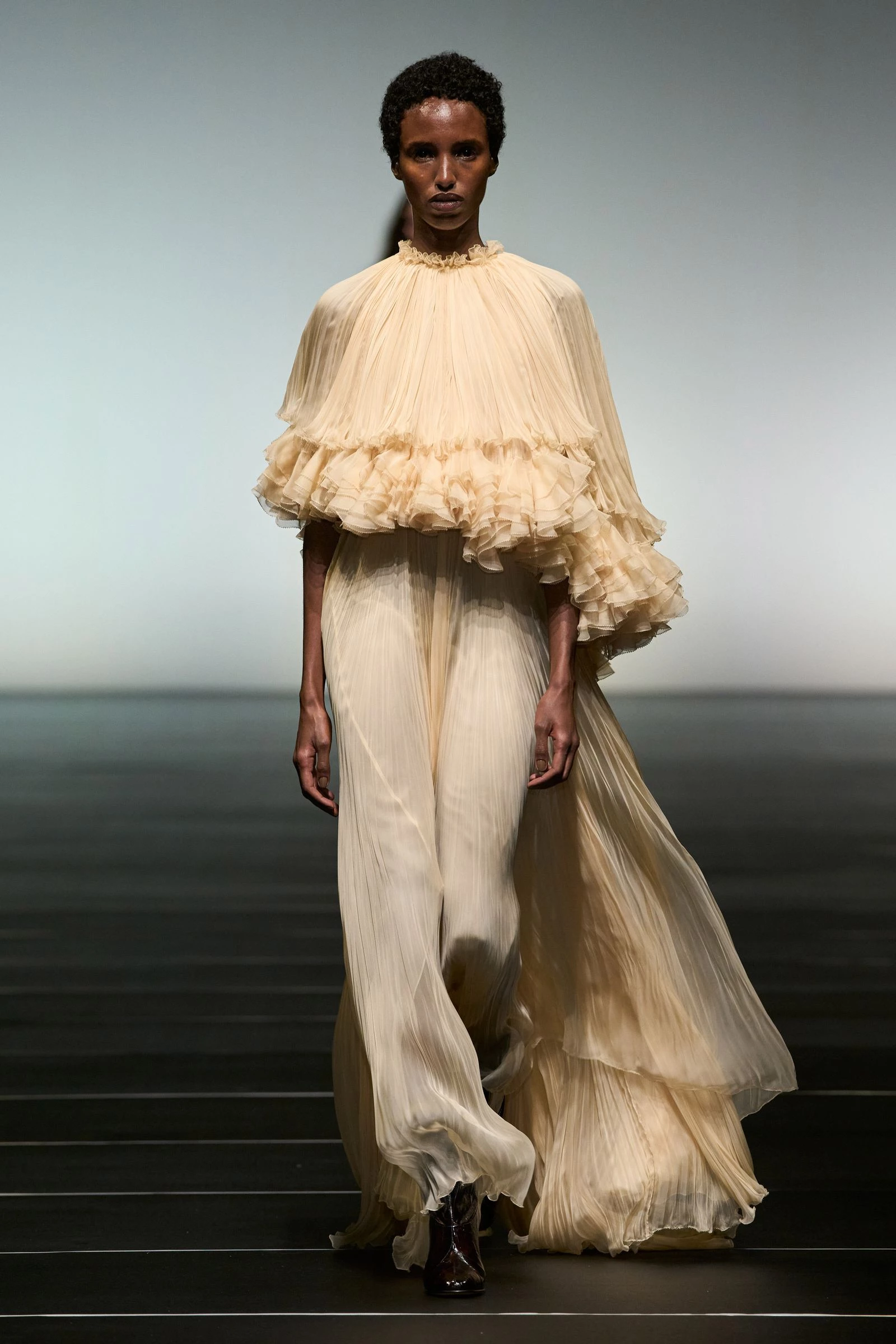 Alberta Ferretti
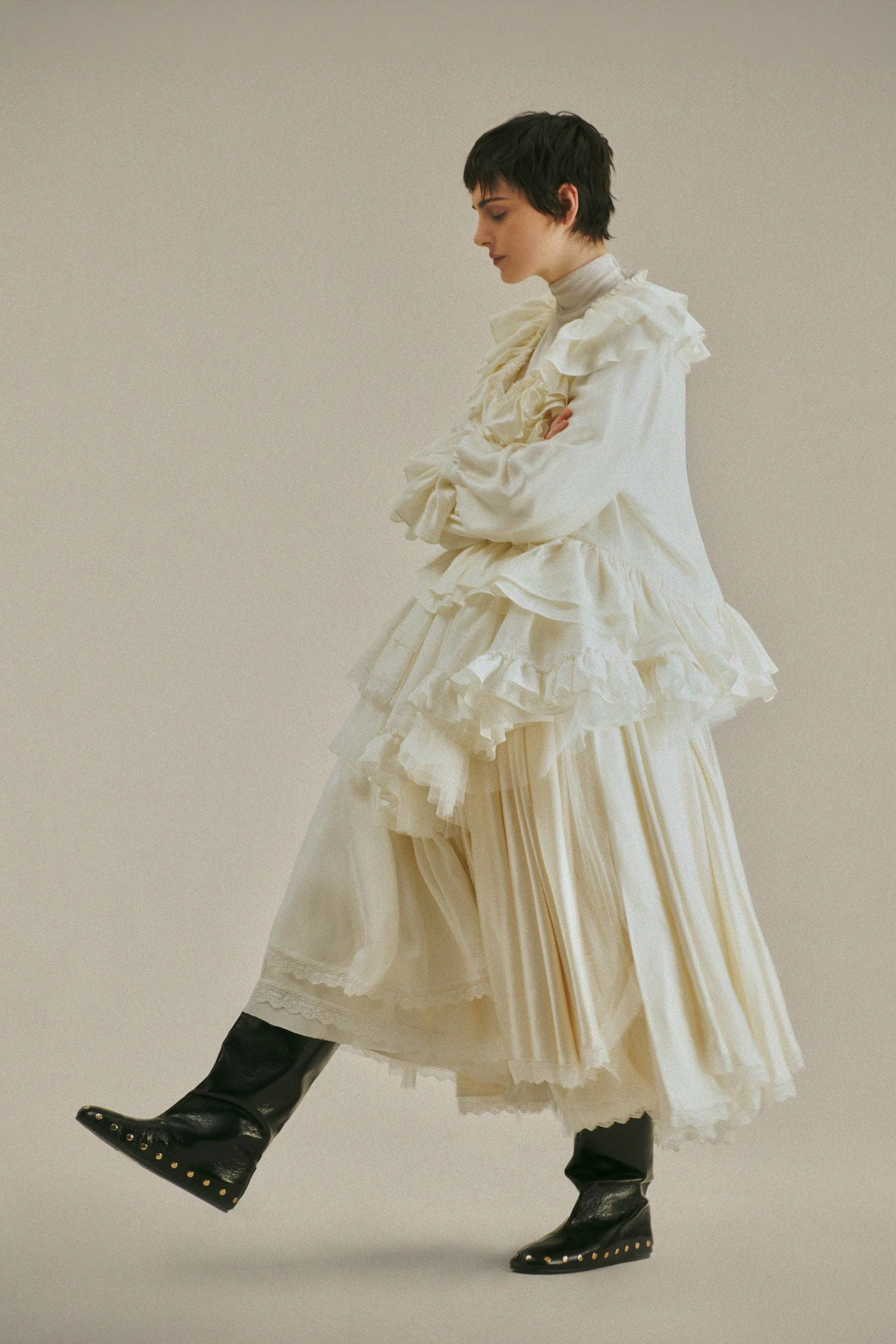 Ganni
Ganni
For spring/summer 2026, fashion was obsessed with Marie Antoinette . Panniers , lined skirts, and excessive embellishment were once again the main language of the catwalks at Simone Rocha , Erdem , Giambattista Valli , and Carolina Herrera . Even those who usually work with rigid construction, such as Junya Watanabe or Comme des Garçons , opted for maximalism without restrictions.
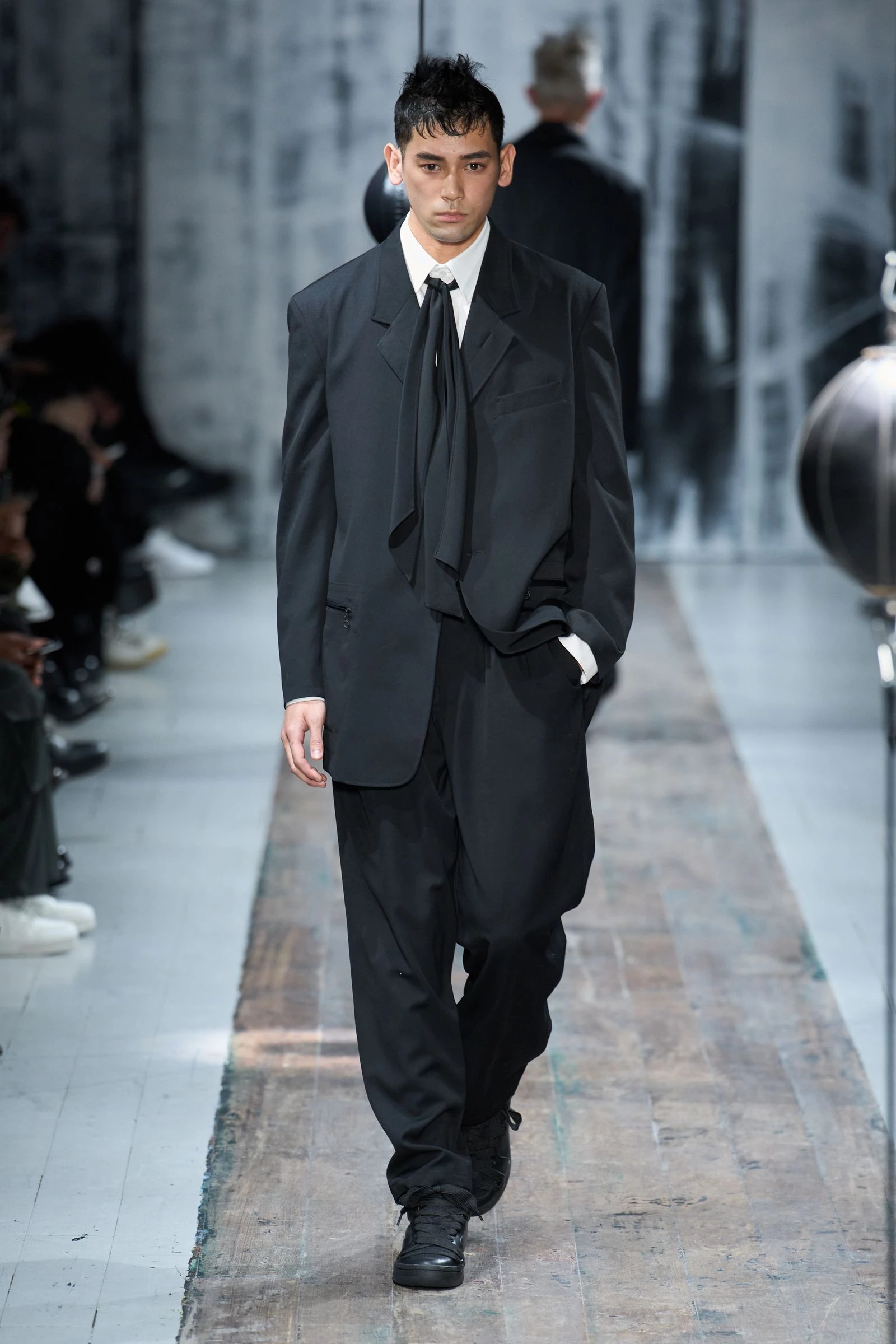 Yohji Yamamoto
Based on materials from vogue.co.uk .