
New York Fashion Week ended on February 15. In these few days, we saw Rachel Scott's first show for Proenza Schouler, Veronica Leoni's third collection for Calvin Klein, military looks at Khaite and romantic ones at Altuzarra. We talk about these and other New York Fashion Week shows that shape the agenda of the new fashion season – autumn-winter 2026/27.
Advertising.
Proenza Schouler
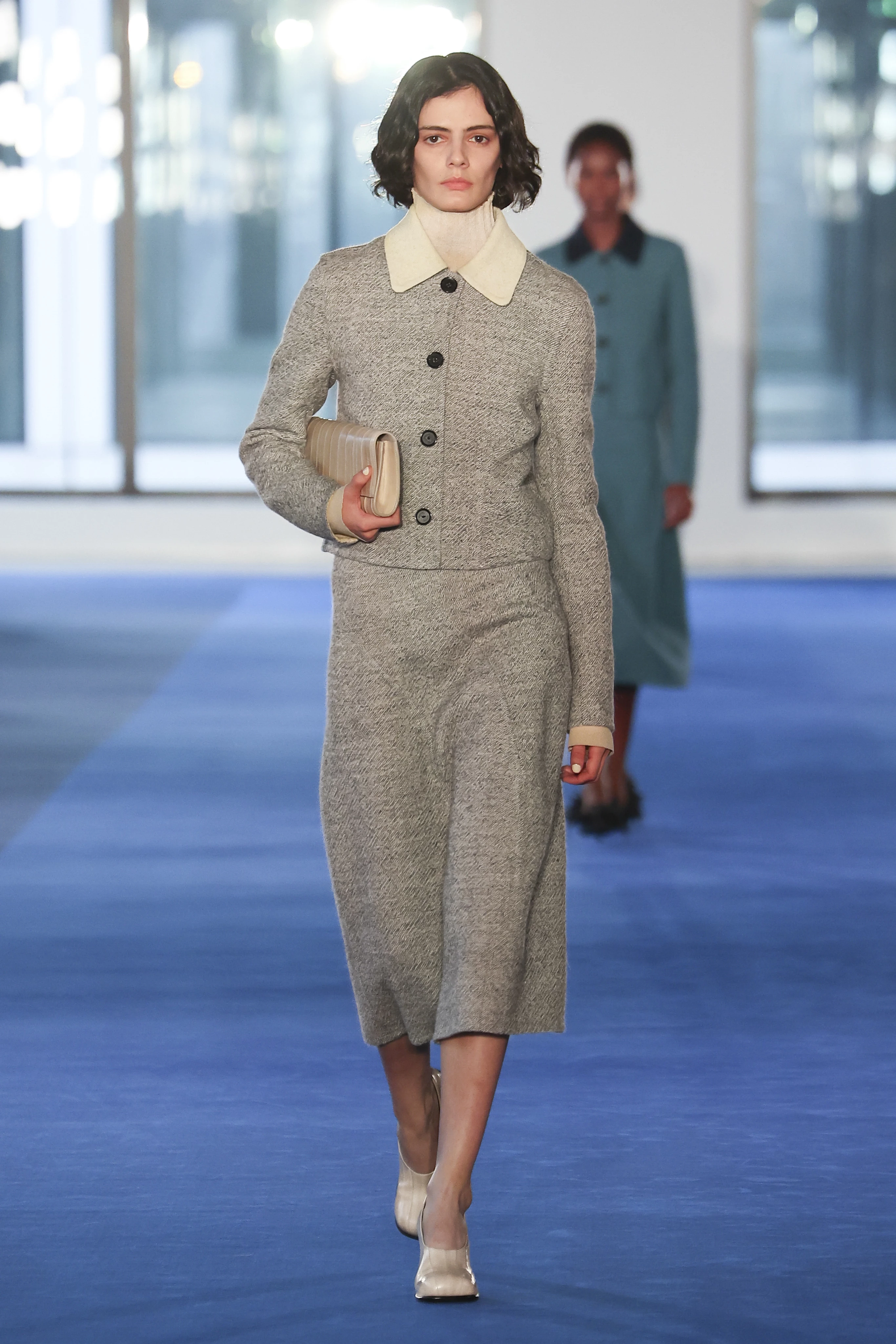
Rachel Scott took over Proenza Schouler just days before the brand’s New York Fashion Week show last September. This collection was her real debut—her first since founders Jack McCollough and Lazaro Hernandez left for Loewe. She describes the heroine of the collection as “punctual and always on time—but today she’s late.” That phrase is the key to her vision. Explaining the difference between her own approach and the aesthetics of her predecessors, Scott admits, “I always felt like there was glass between you and this woman. She was flawless. Too perfect. And the idea of perfection is a little scary to me.” Her Proenza Schouler is an attempt to bridge that gap, to make the image less unattainable and more alive. Read more about Rachel Scott’s debut here.
 Proenza Schouler
Khaite
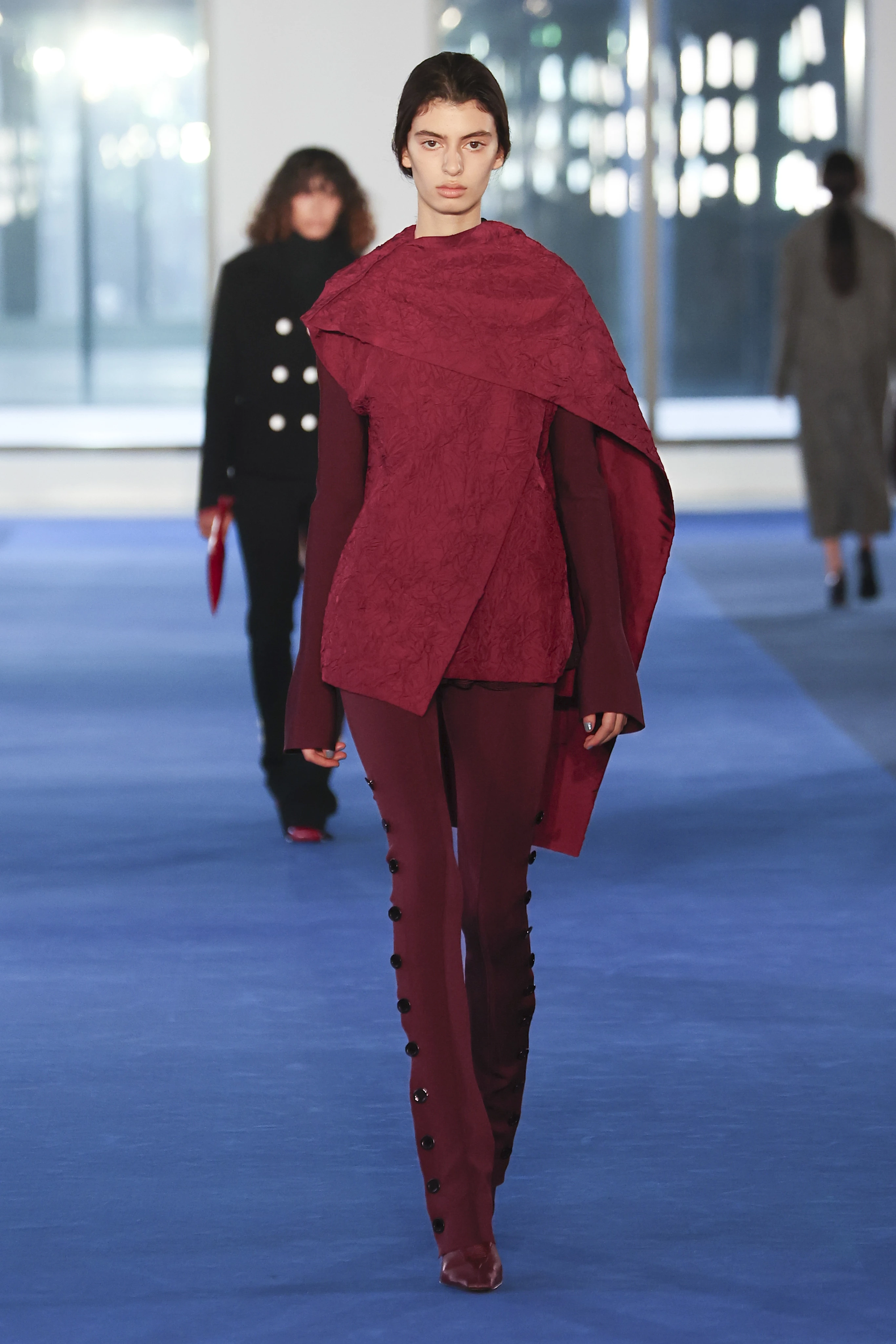
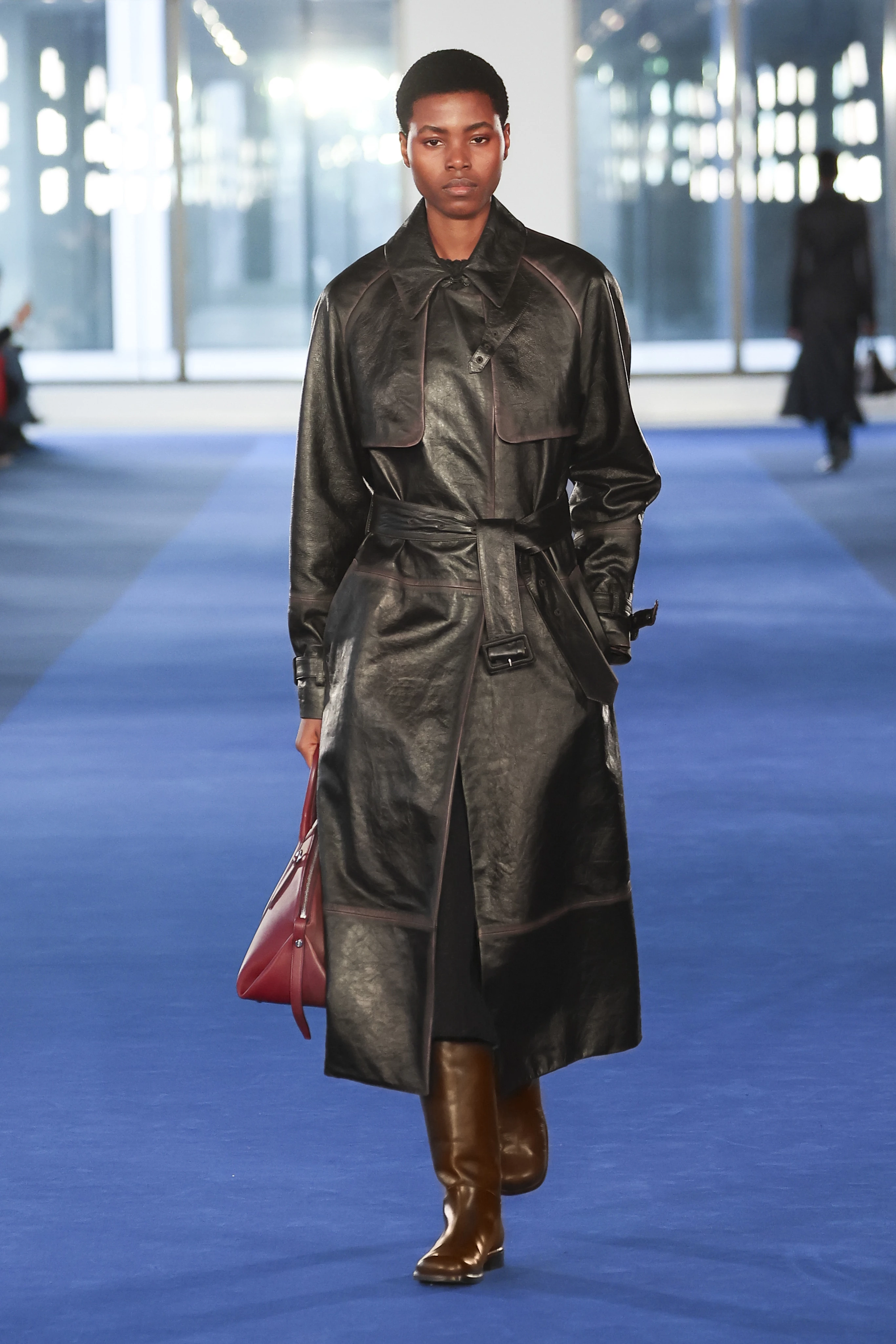
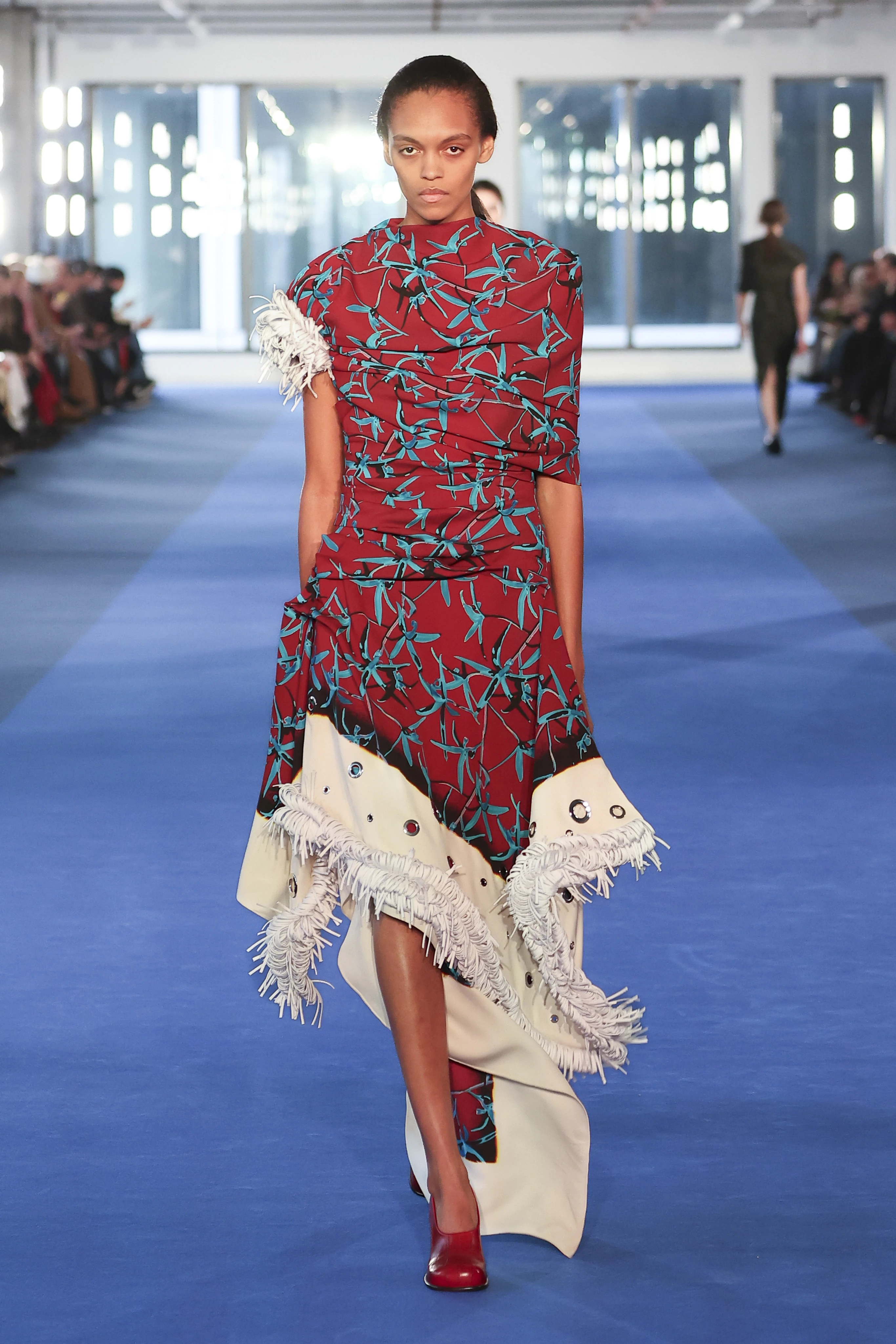
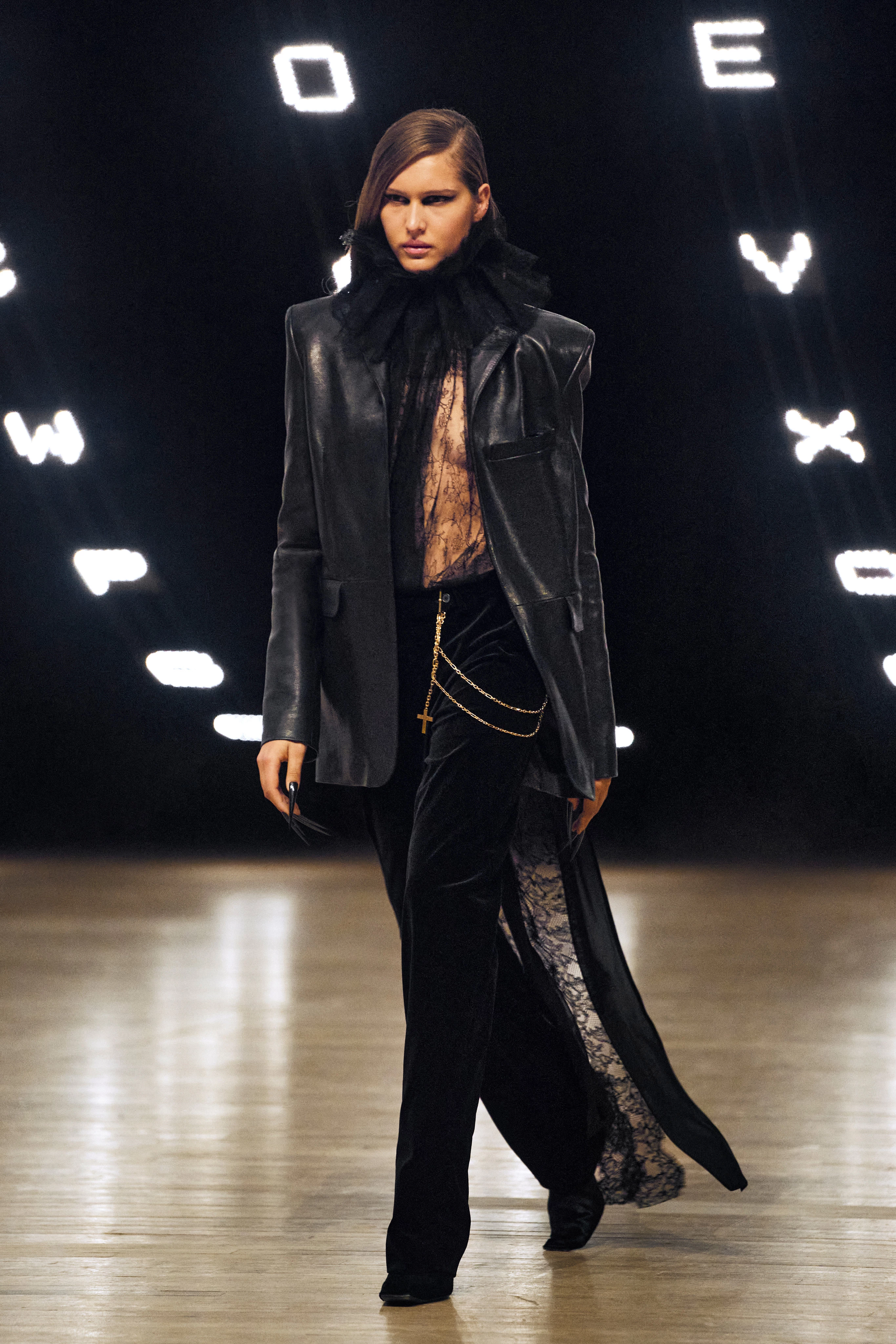
Black lace meets rocker chic in the latest collection by Kathryn Holstein, creative director of Khaite. The designer, who has made the brand one of the most coveted on the New York fashion scene, reflects on the devastating power of words in the new season. During the show, a voice on the soundtrack read out a list of words in alphabetical order, and the designer herself demonstrated how to visualize reflections on power in the modern world through clothing. The collection featured gold crosses hanging from belts, high-collared suits, and military jackets with emphasized shoulders. Military motifs even extended to sheer blouses and dresses.
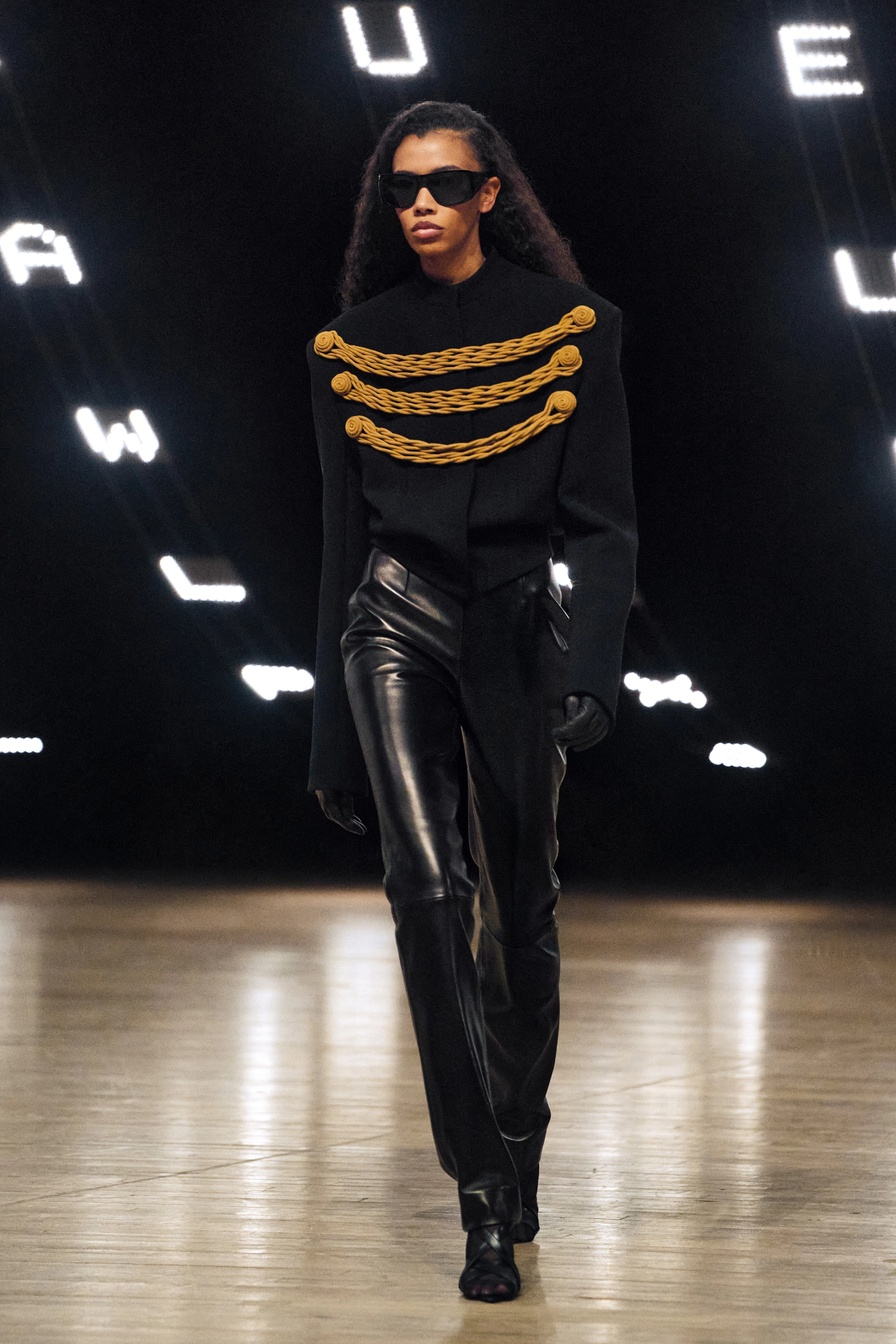 KHAITE
Ralph Lauren
Ralph Lauren presented a new fall-winter collection, which he called a story about a modern woman-adventurer who respects the past, but reinterprets it for the present. Supermodel Gigi Hadid, who opened the show, appeared in the image of a medieval conqueror and set the mood for the entire show. Ralph Lauren embodied the main idea of the collection primarily through a variety of fabrics – on the catwalk, the audience saw taffeta, tweed, dense knitwear and velvet. This mood was supported by the silhouettes – long dresses that are easy to imagine on women both 100 years ago and today, outerwear that emphasizes proportions, leather pants combined with perfectly tailored jackets. The contrast between the past and the present was also manifested in the details: hand embroidery, scuffs on the skin, metal decor reminiscent of knightly armor, velvet spraying.
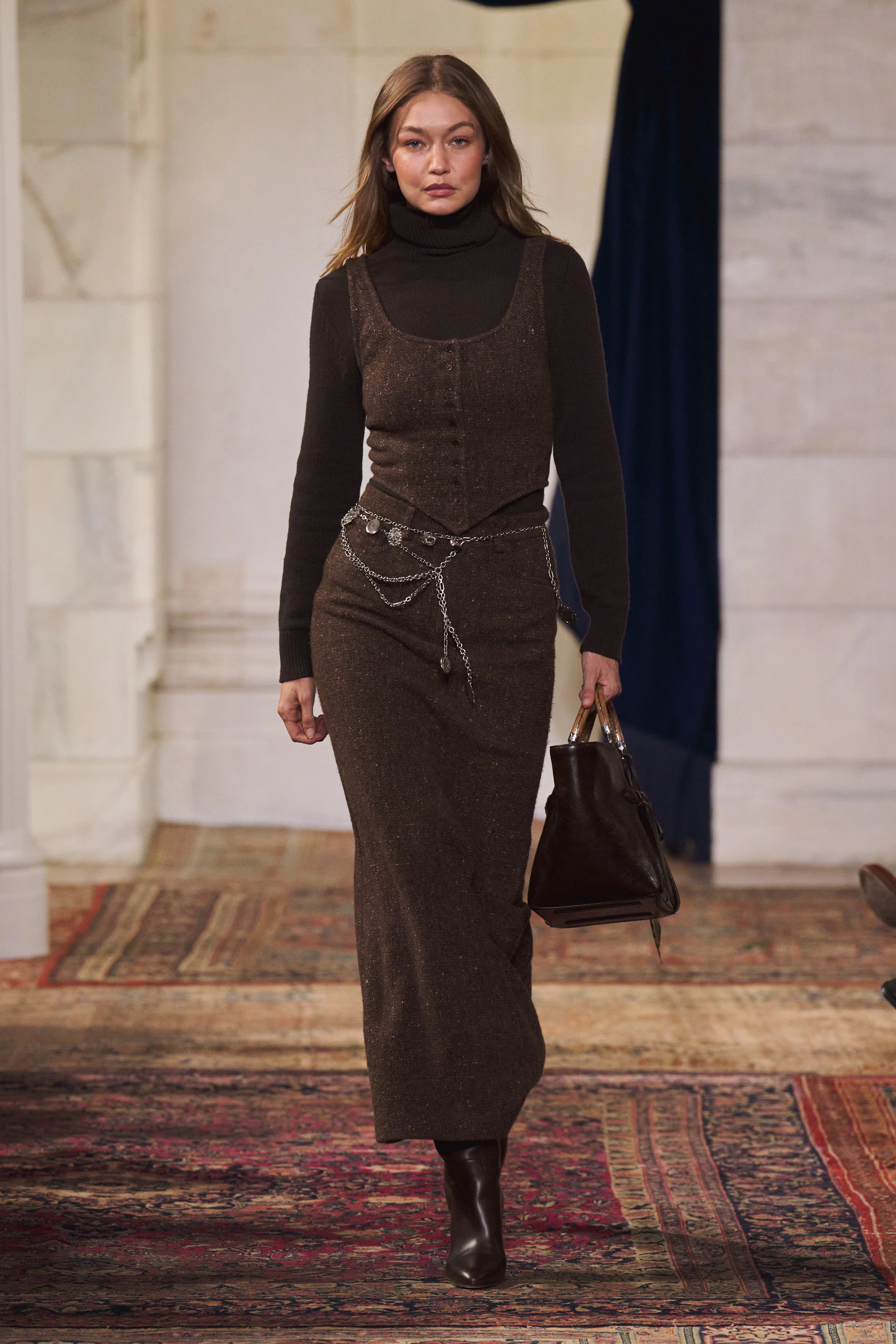 Ralph Lauren
Calvin Klein
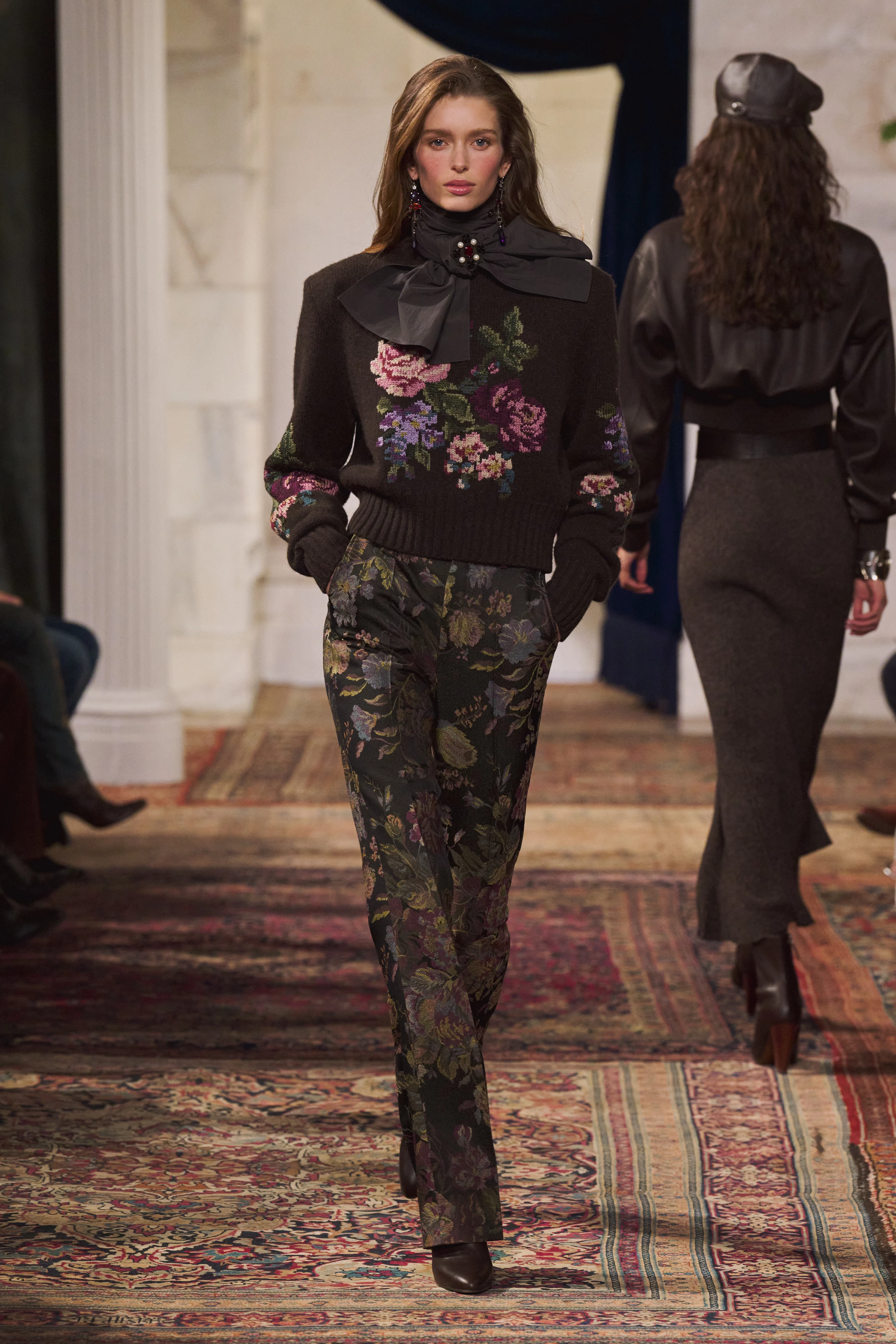
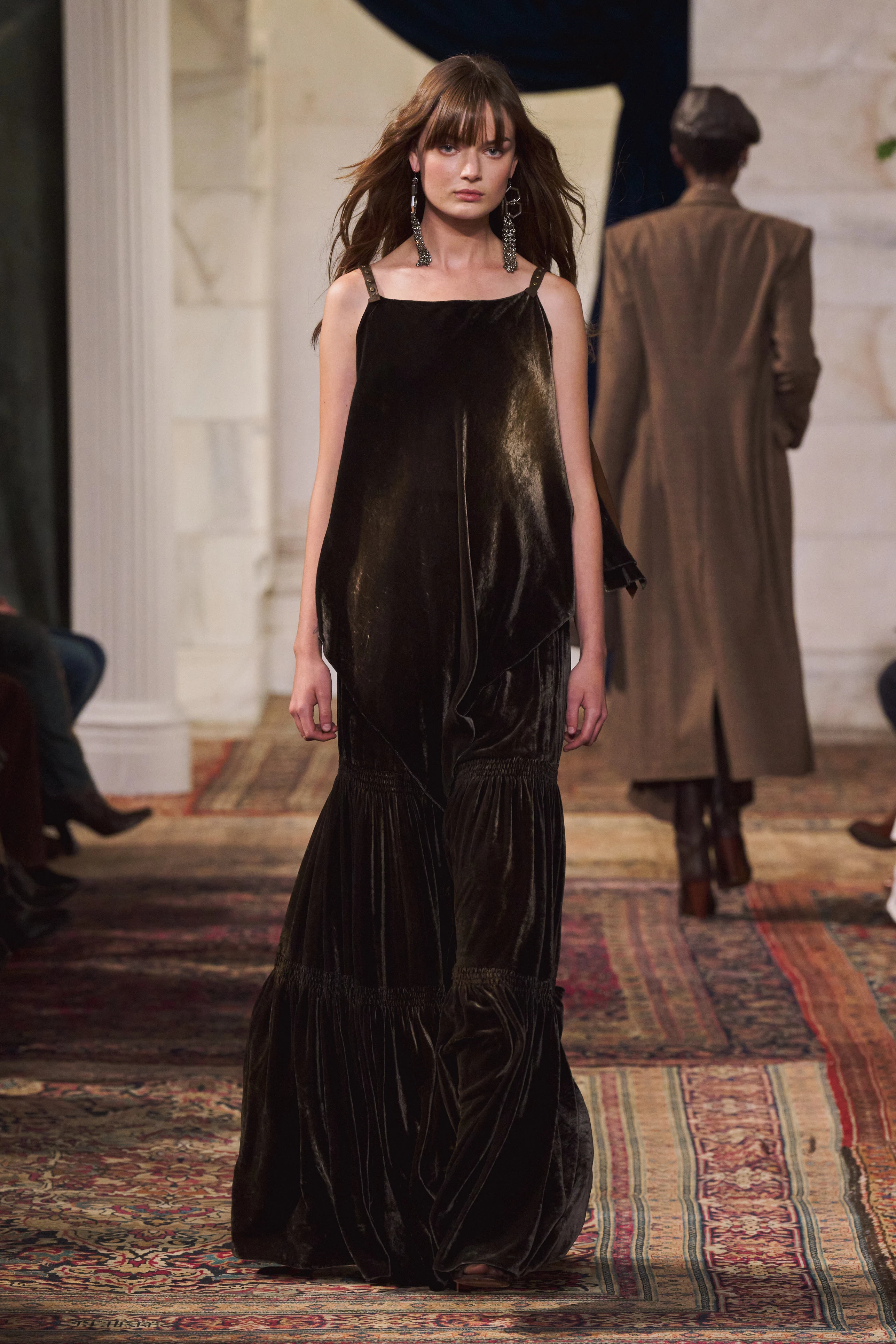
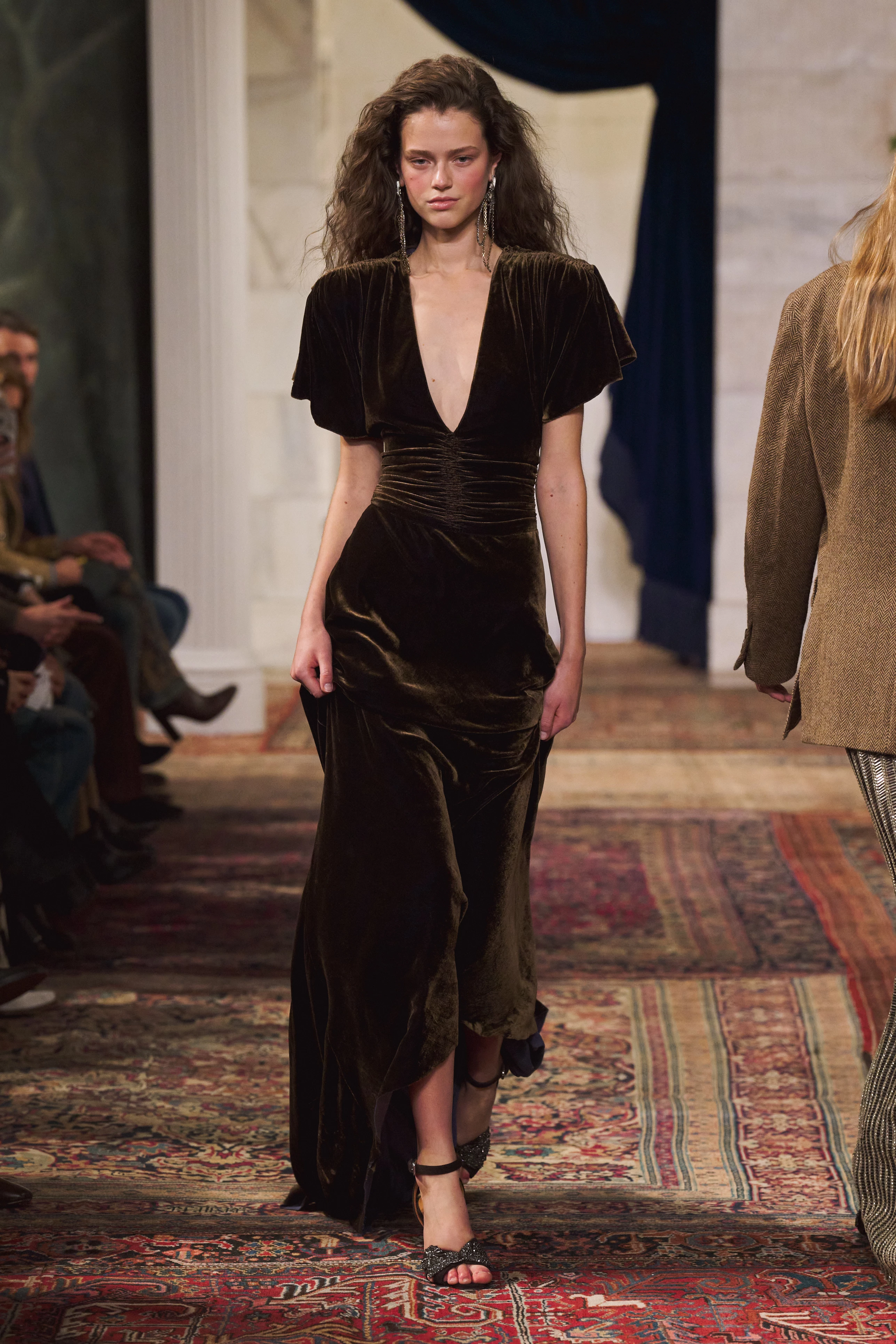
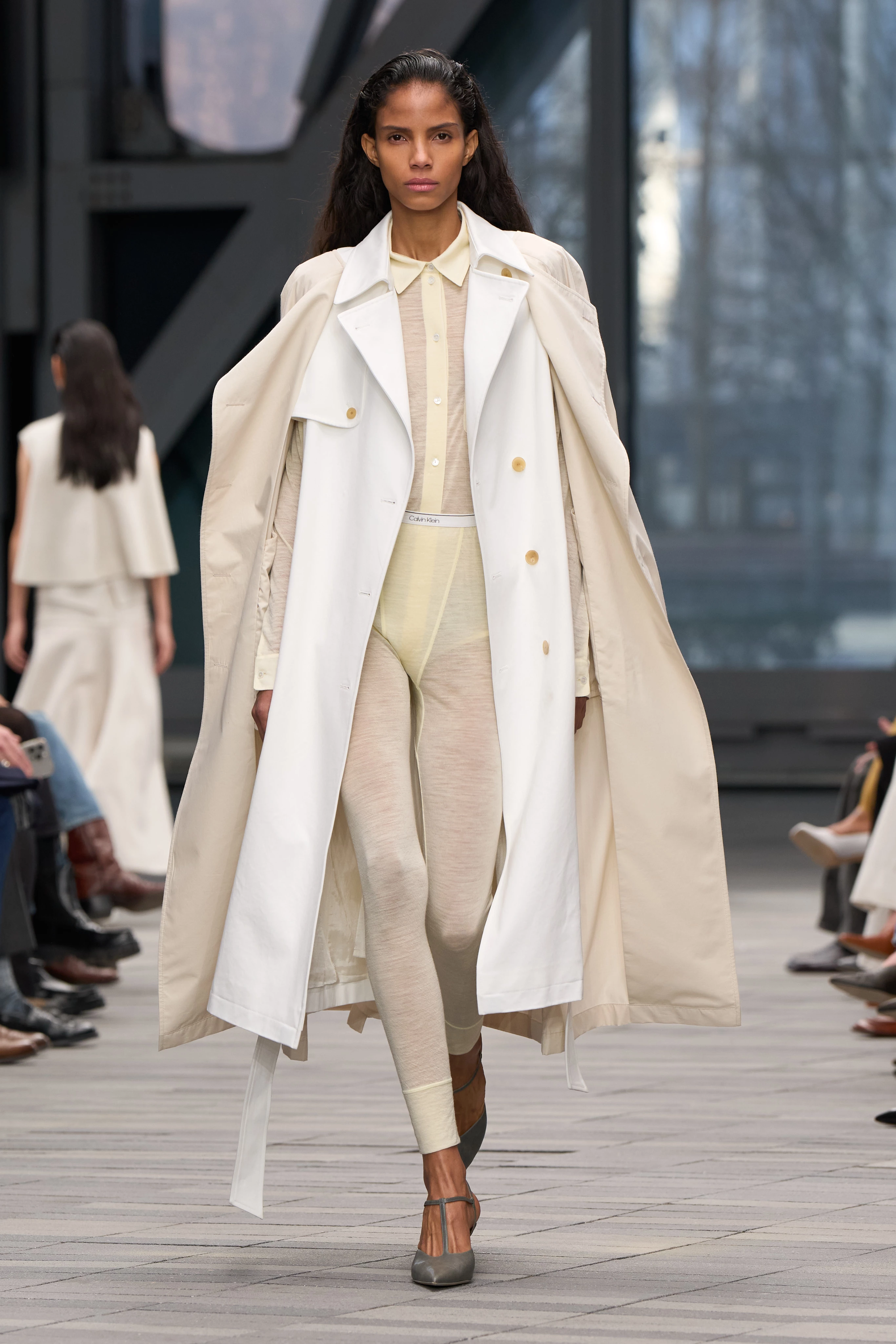
Calvin Klein's fall-winter 2026/27 collection recalled the brand's strength in the 1980s, when girls all over the world dreamed of jeans with the initials CK. Italian Veronica Leoni aptly combined the American athleticism of that time with European chic, and her key source of inspiration, according to the notes, was “the cult of the body and the pleasure that comes from emphasizing its perfection.” The modern world is just as focused on the beauty of the body and needs clothes to demonstrate it as it was in the eighties. Back then, girls built their dream bodies in step aerobics classes, and today they add scientific and technical capabilities to physical activity. To do this, Leoni used transparency in combination with layering, open sleeves in many looks to emphasize relief, and also relied on drapery. The perfect pair of jeans was also a must – the designer turned to the archives, taking one of the 1976 models as a basis.
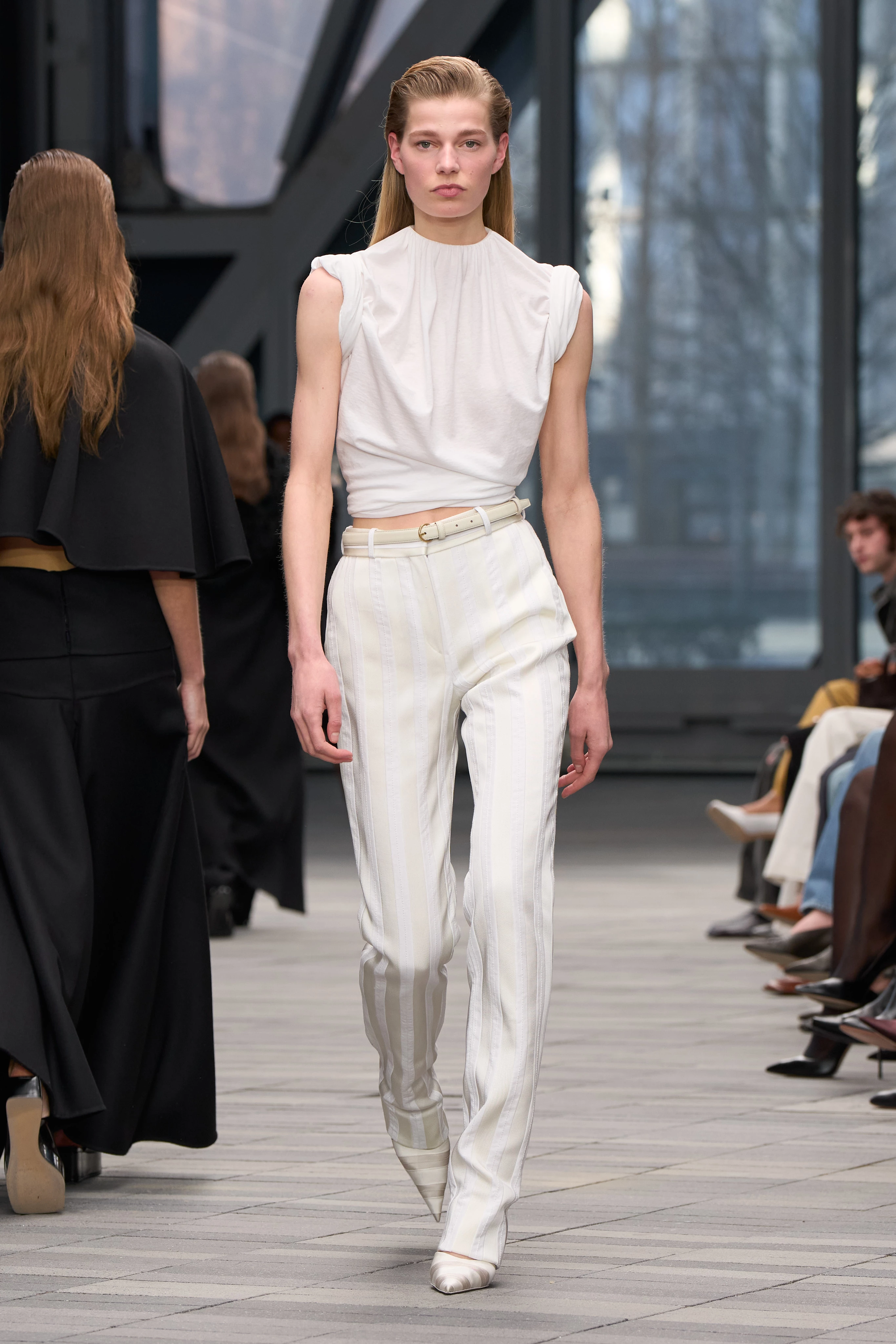 Calvin Klein
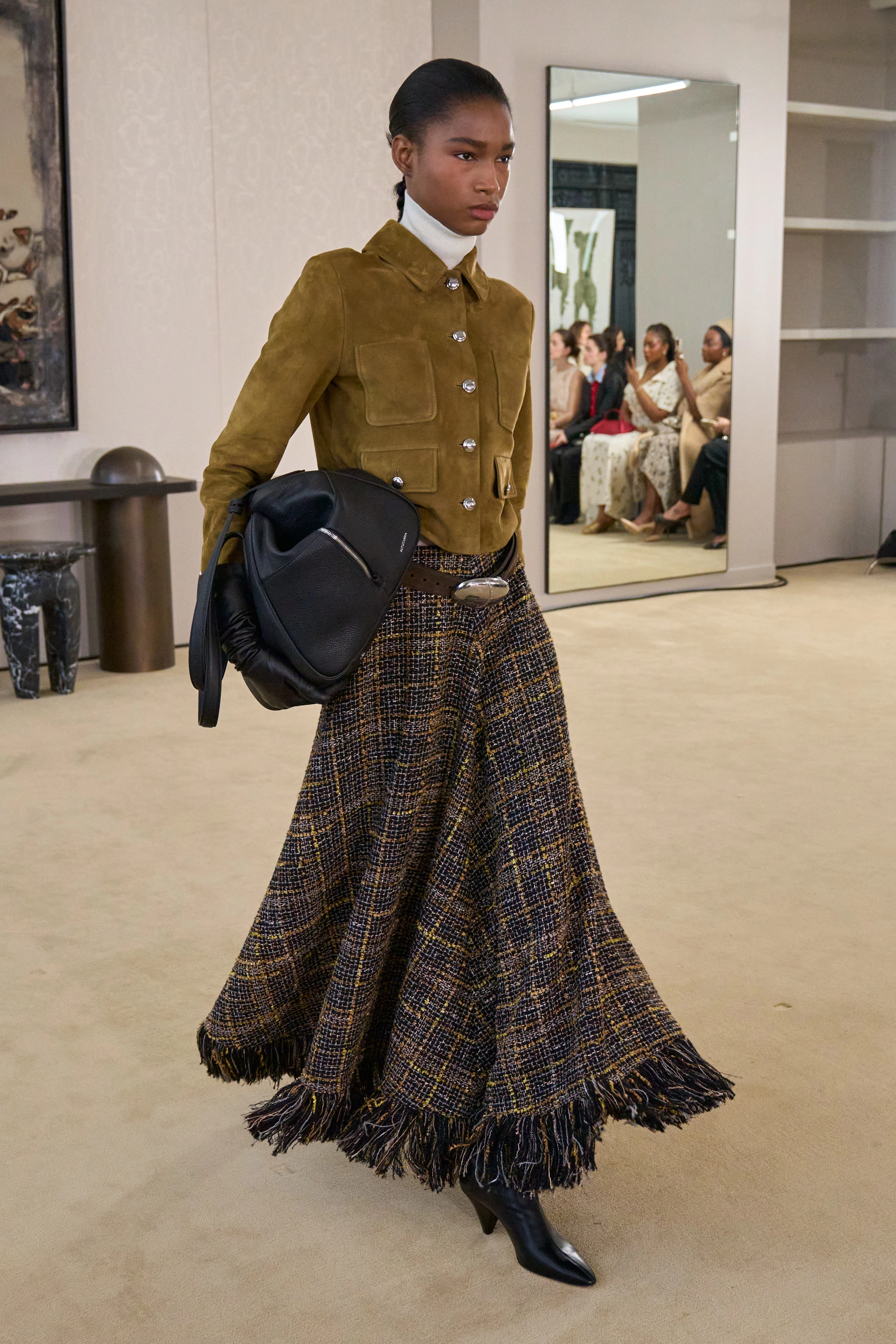
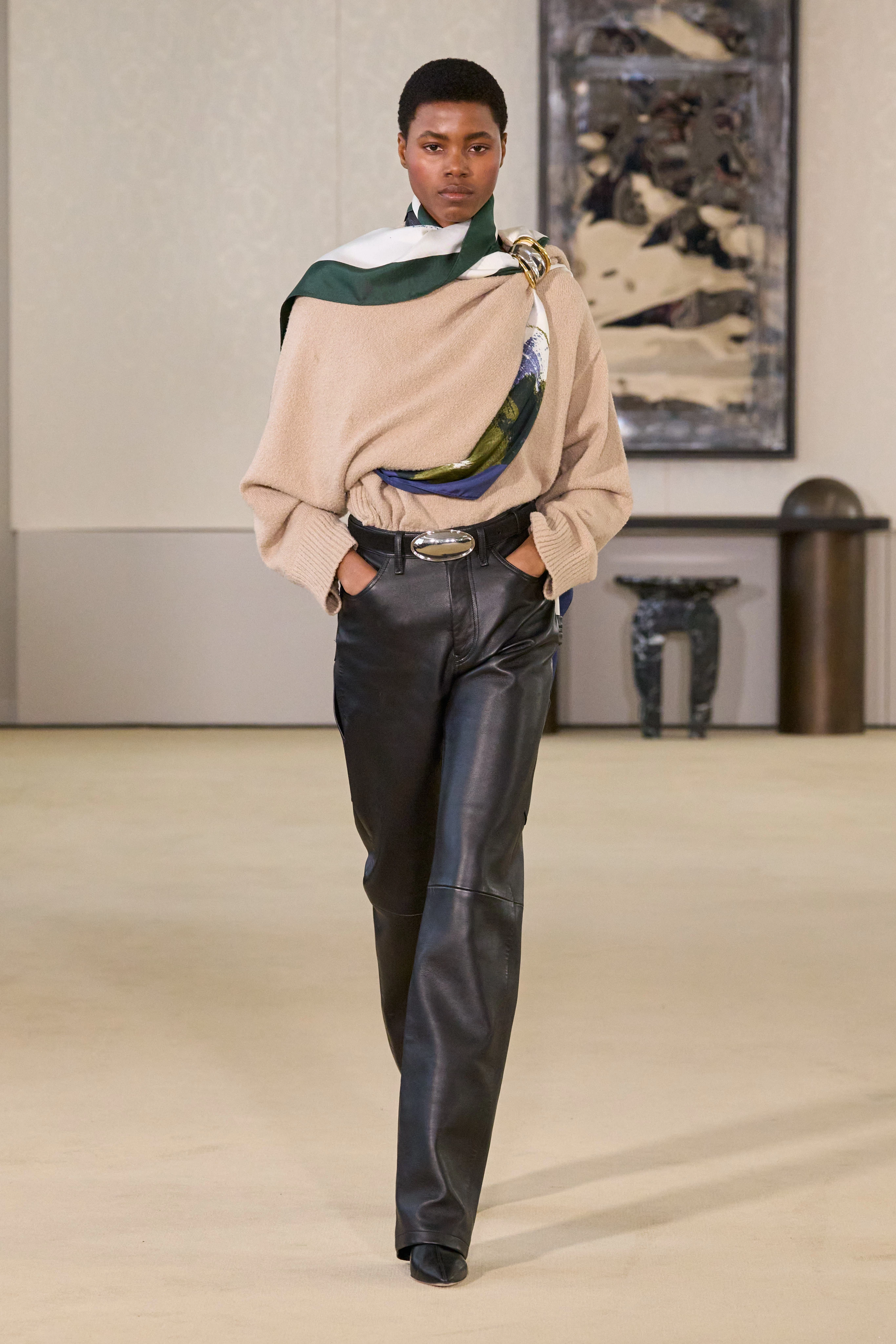
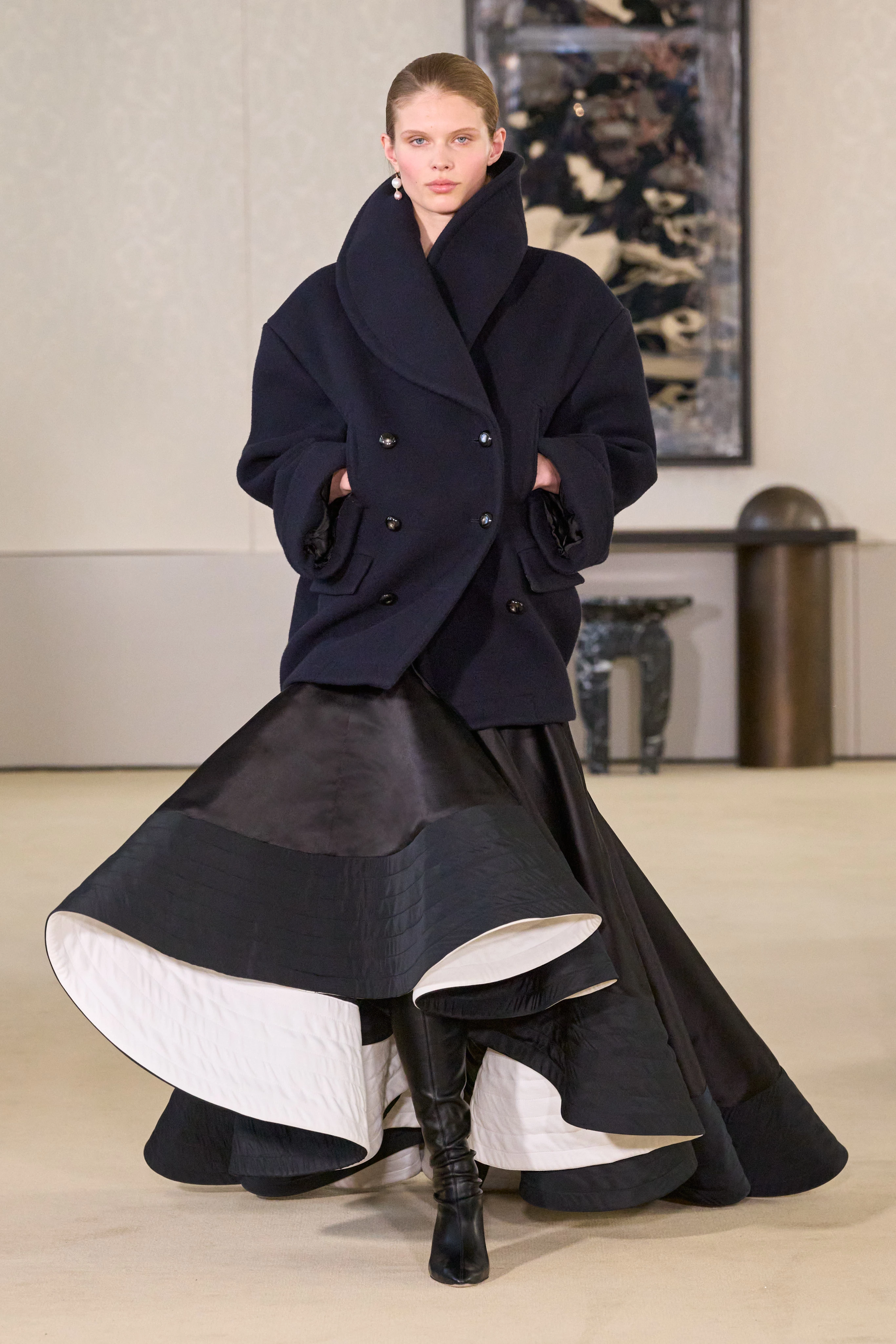
Altuzarra
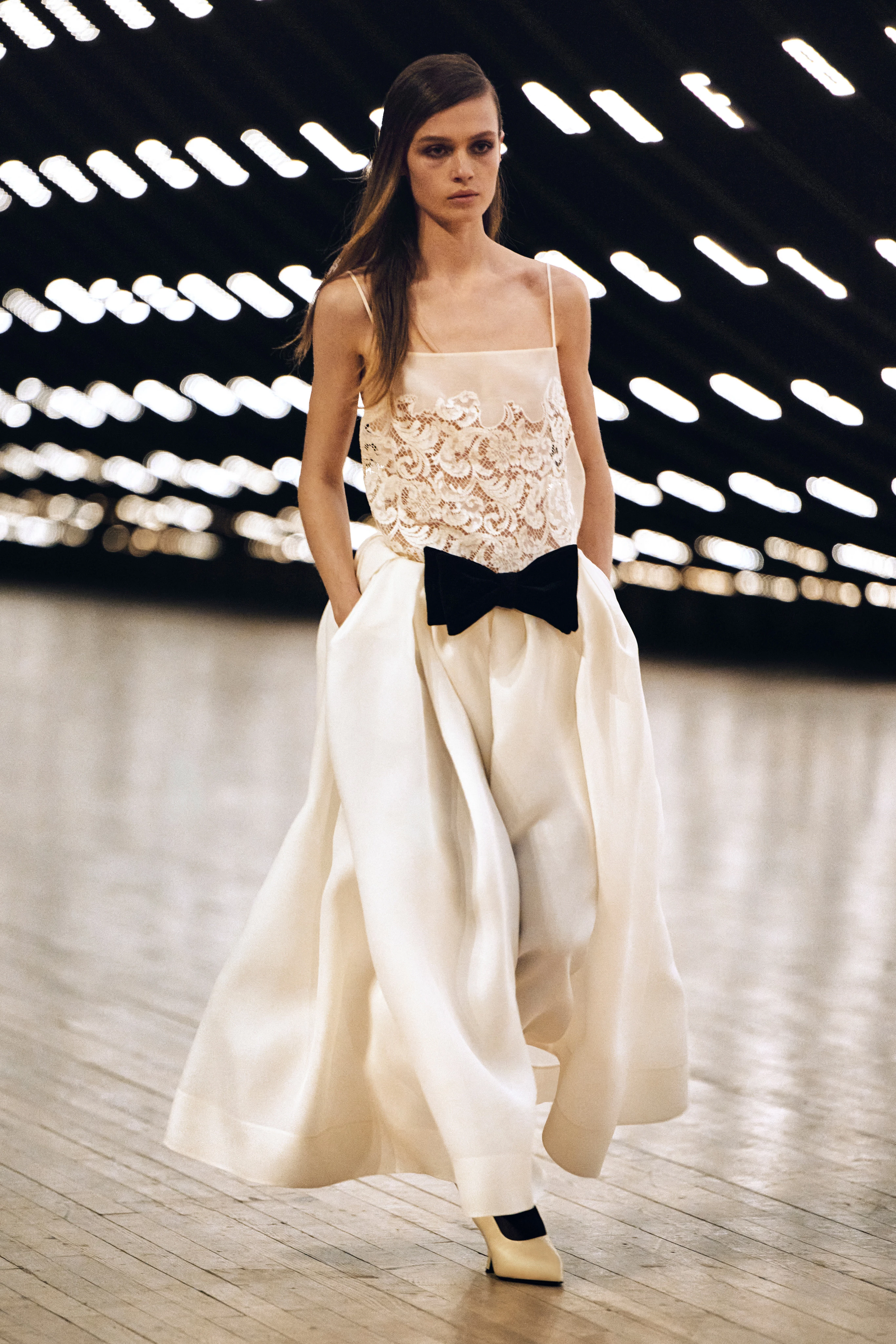
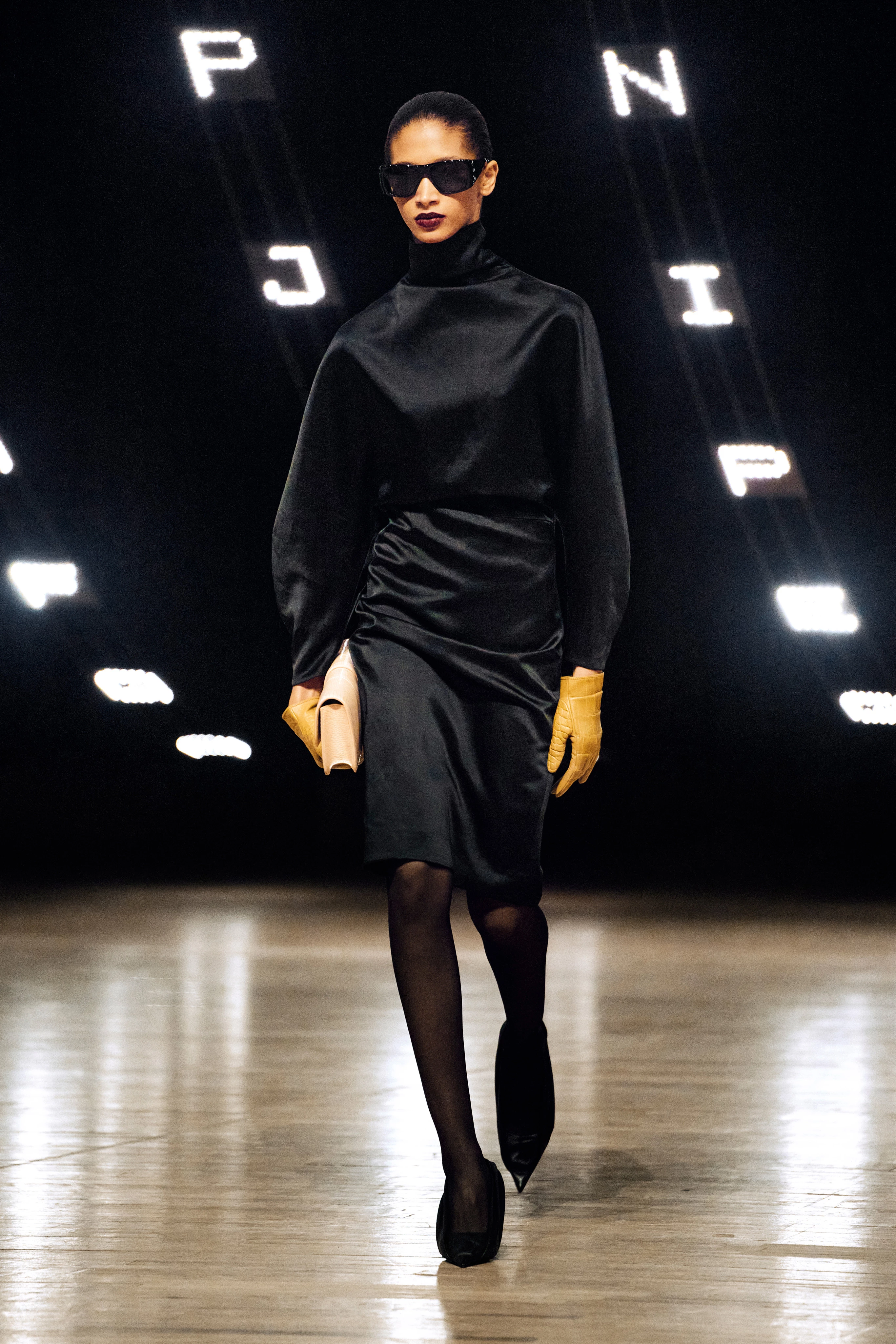
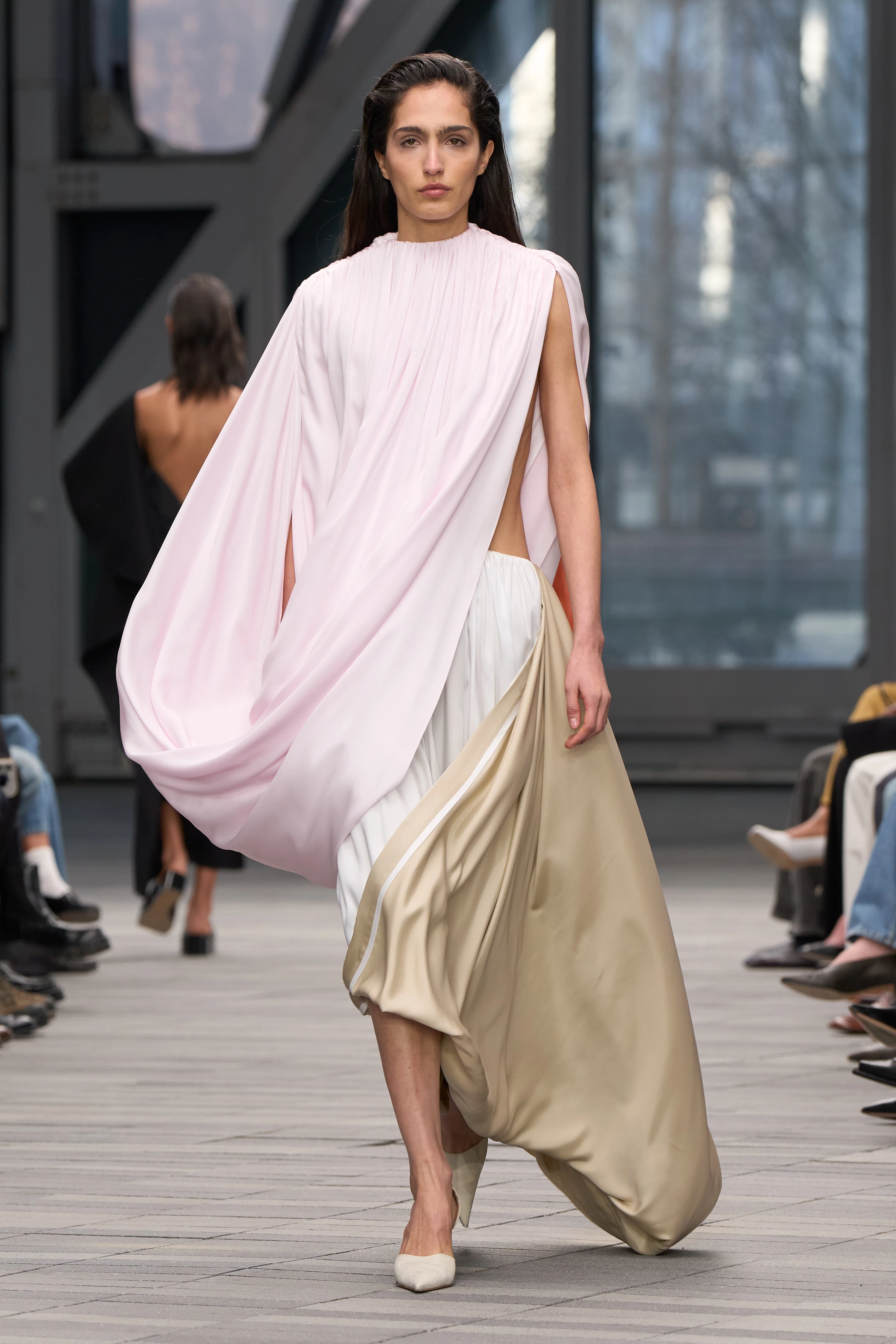
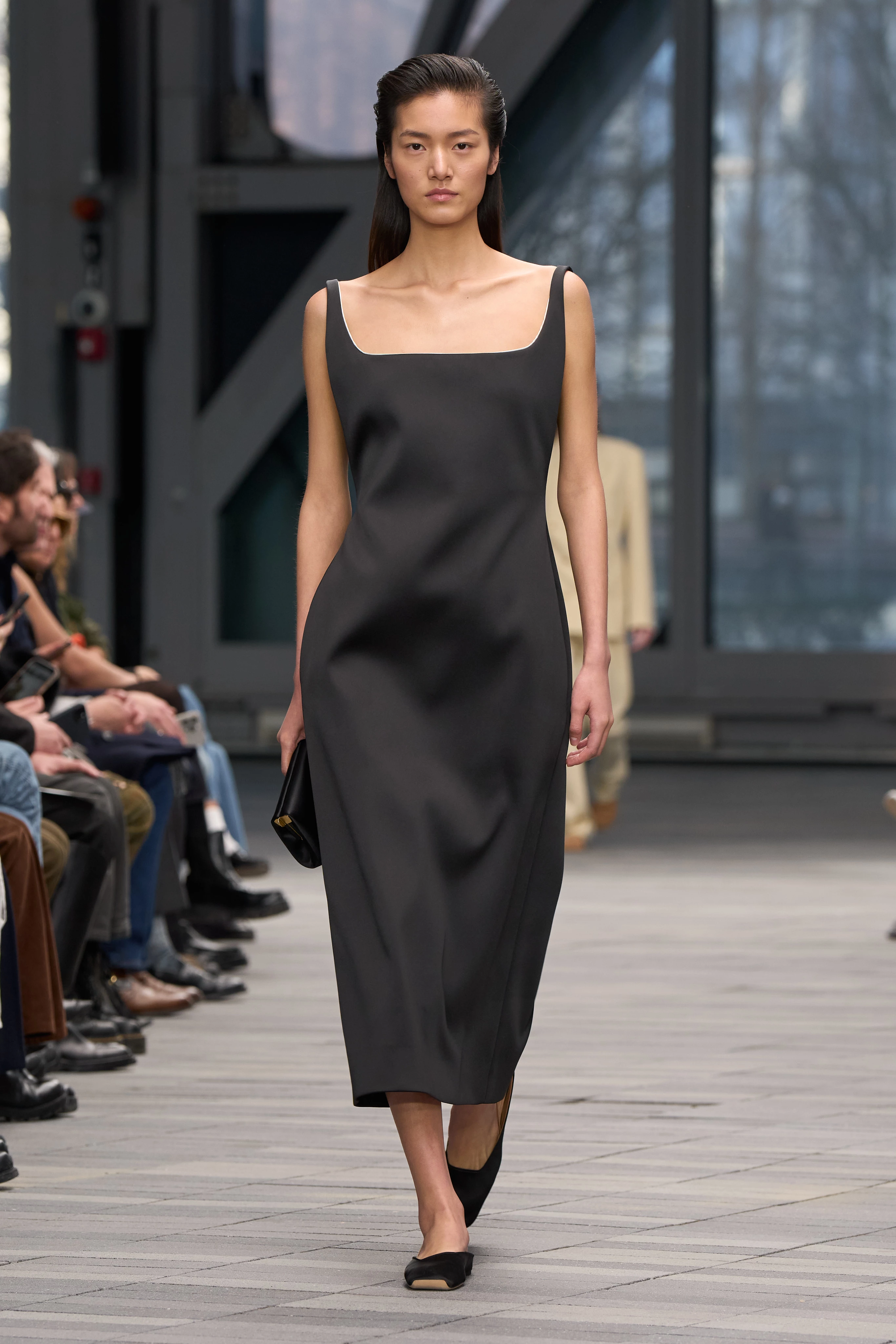
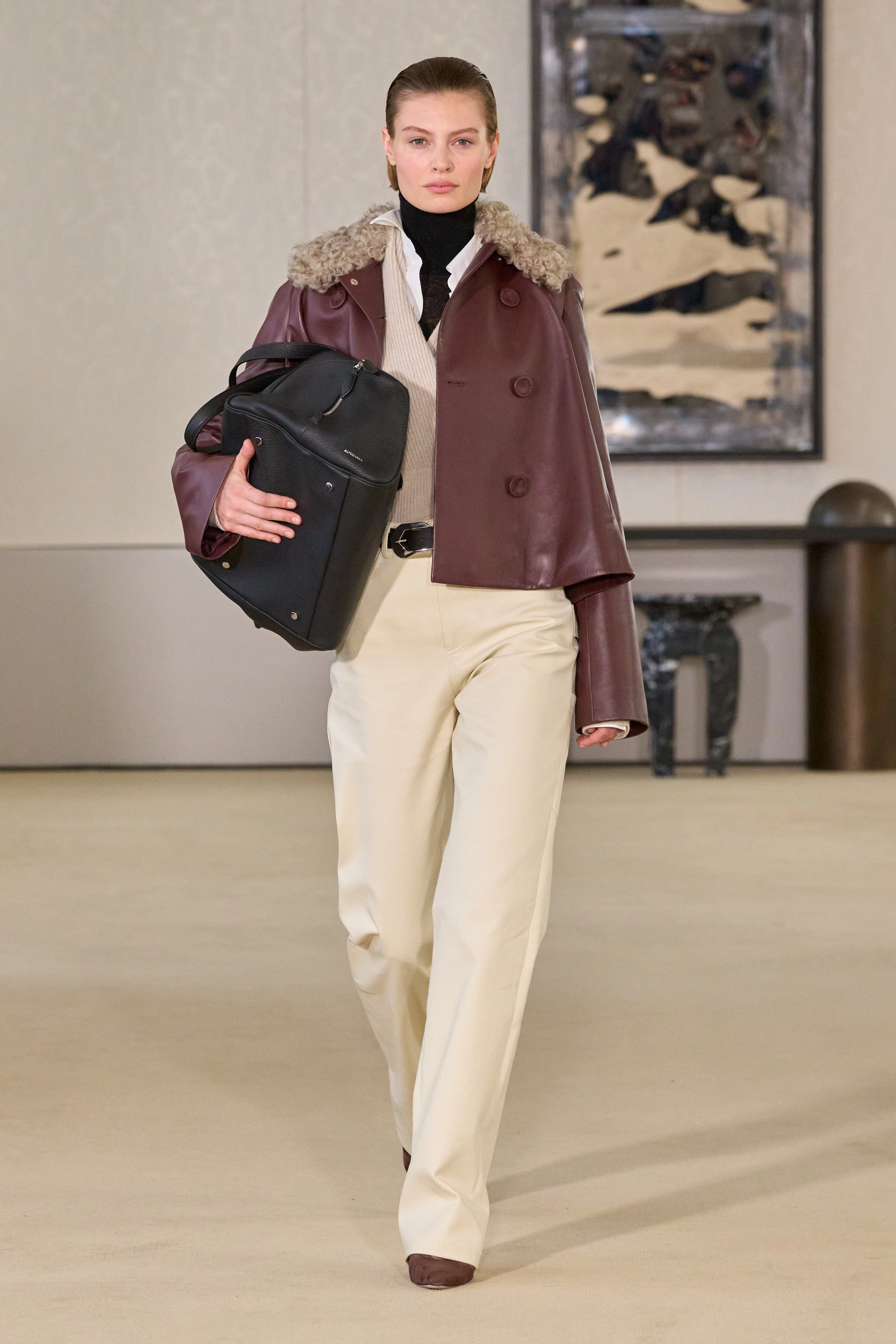
Many designers at New York Fashion Week explored the idea of reimagining the everyday in line with the demands of the modern woman. Joseph Altuzarra looked to 1990s fashion quotes for answers, and to combine the contrast of simple life and drama on the catwalk, he was inspired by Rosalía's “Berghain” video, where an orchestra plays while she irons. “How do you combine what people wear on the street every day with drama?” Altuzarra said before the show. He also cited the emotions and palette of the films of Pedro Almodóvar and Luis Buñuel, as well as the paintings of Diego Velázquez. It was thanks to the latter that skirts with flamenco accents and dresses with fringes appeared on the catwalk. The balance of drama and lightness extended to the simplest things – from turtlenecks with capes to leather pants, which the models themselves working on the show named as their favorites.
 Altuzarra