

 Share
Share
In the VOGUE UA To Do List project, we plan the necessary diagnostics, procedures and strategies that will improve your health, well-being and give you a sense of control over processes that can and should be controlled. Item No. 7 is to restore your smile. The founder of Goloborodko Smile Esthetics Center, dentist Mykola Goloborodko, whose star patients include designer Elvira Hasanova, singer Jamala and performer Kazka, talks about what a dental checkup consists of, how long orthodontic treatment should last and the G8 method.

partner news
Advertising.
How patient requests have changed over the last 10 years
Today, biohacking and a conscious attitude to health are shaping a new vision: people 35+ are starting to systematically work with themselves — their skin, body, and well-being. A smile, which accounts for 30% of the visual perception of a face, becomes part of this comprehensive care. After all, it determines confidence, self-esteem, and how a person interacts with others.
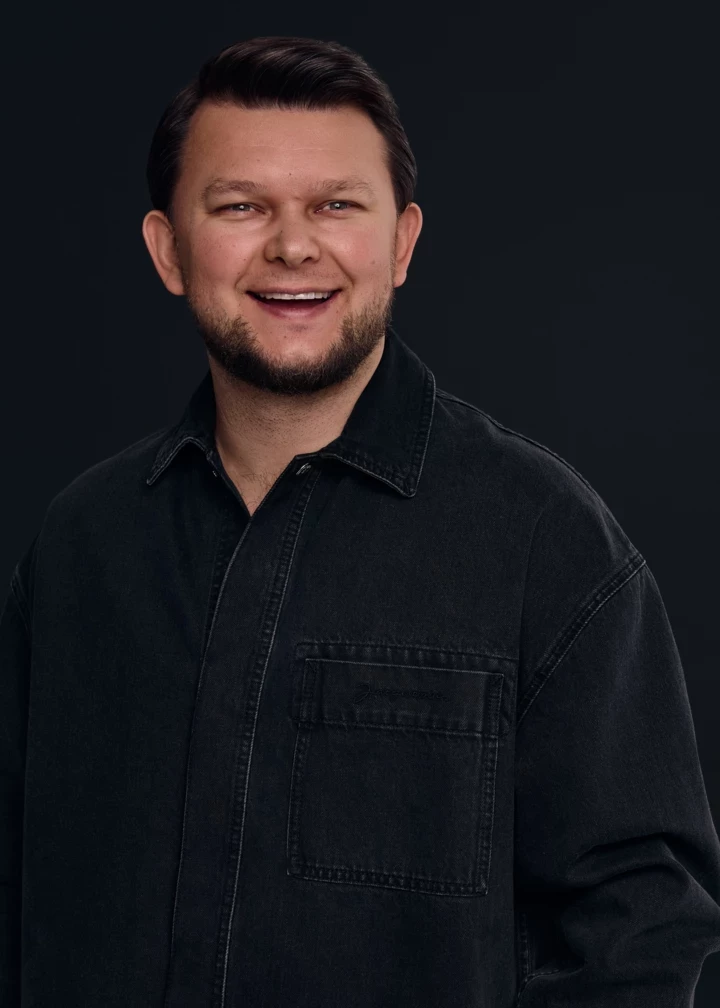
Today, people go to the dentist not only for a filling or tooth extraction. Modern doctors are able to establish the proper functioning of the chewing apparatus, relieve muscle tension, prevent headaches and joint problems, provide aesthetic rehabilitation, etc.

About the origins of dental problems in 30-year-old patients
People who are now in their 30s and 40s grew up in a period when preventive dentistry was much weaker: not enough attention was paid to oral hygiene, proper dental care, and bite formation. And this is critical in childhood and adolescence, from 6 to 15 years old, when the foundation of dental health is laid. So this has consequences: many cases of caries and complications in adulthood.
Plus, factors of recent years. The COVID-19 pandemic, war, and general psycho-emotional overload have significantly affected the condition of the teeth. When the body does not receive sufficient relief during the day — physical, emotional, or through supportive methods — it looks for a way to relieve tension at night. Most often, this manifests itself in the form of bruxism: severe clenching or grinding of the teeth during sleep.
As a result, teeth are worn down intensively; chewing muscles and joints are overloaded, and even relatively healthy teeth decay much faster over time. That is why today's oral health is a combination of what was laid down in childhood and the challenges that a person lives with now.
About what a modern dental checkup shows — and what you can't see in the mirror
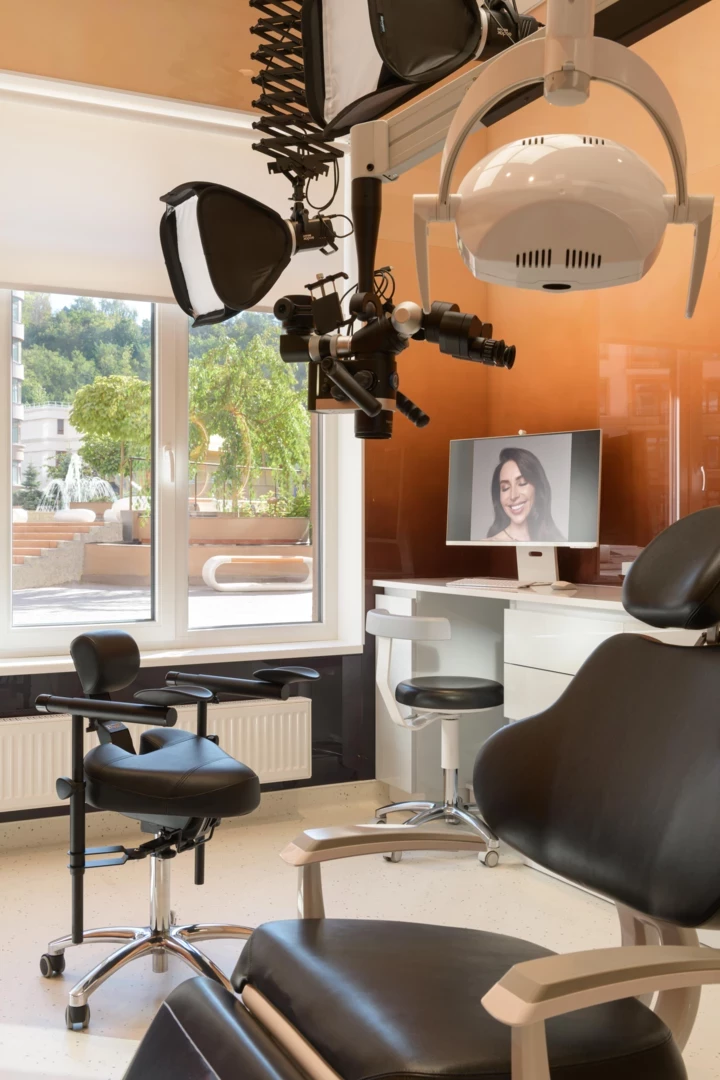
Modern diagnostics allows us to assess not just a single tooth, but the system as a whole – together with the joints, muscles and their interaction with the cervical spine. A dental and orthodontic check-up gives a complete picture: whether the dento-jaw system is working properly, whether the bite does not lead to tooth abrasion, whether it causes tension headaches or neck problems.
It all starts with a computed tomography scan of both jaws together with the joints. This is not a local image of one tooth, but actually a CT scan of the skull, performed on a modern device. This allows you to get complete information in one image, without the need to do several studies, which minimizes both time and radiation exposure. Next, a 3D scan of the teeth is performed, which allows you to assess the condition of the enamel, the existing abrasion and understand whether there is a risk of its progression in the future.
After that, functional diagnostics are performed on the Modjaw device, which analyzes the functioning of the joints and chewing.
There are very few such systems in Ukraine; there are even fewer specialists who know how to work with them. But it is an invaluable source of knowledge about how teeth and joints function in a particular person. Modjaw records jaw movements in dynamics and allows you to see how the joints actually work during chewing and movements. High-precision 3D analysis shows whether the articular disc is stably located, whether there are shifts, overloads or asymmetries. In combination with CT and digital scans, this gives a complete picture. Additionally, photos and, if necessary, a facial scan are used to assess balance and symmetry.
How jaw pain affects fatigue, neck pain, and facial appearance
It is important to work with the jaws even when a person comes “just for a beautiful smile”, because in the vast majority of cases the aesthetic problem already has a functional basis. In my experience, approximately 85–90% of patients come with existing changes: a significant number of restorations, worn teeth or malocclusion. There are actually very few situations where you can simply glue veneers without a deeper analysis.
Therefore, in any case, we start with a complete diagnosis. If the bite is generally stable and orthodontic treatment is not required, but there is, for example, excessive overlap or loss of tooth height, these problems can be correctly solved with ceramic restorations, balancing the occlusion – that is, the way a person closes their teeth and chews. This is fundamentally important to avoid joint overload, muscle hypertonicity and, as a result, headaches.
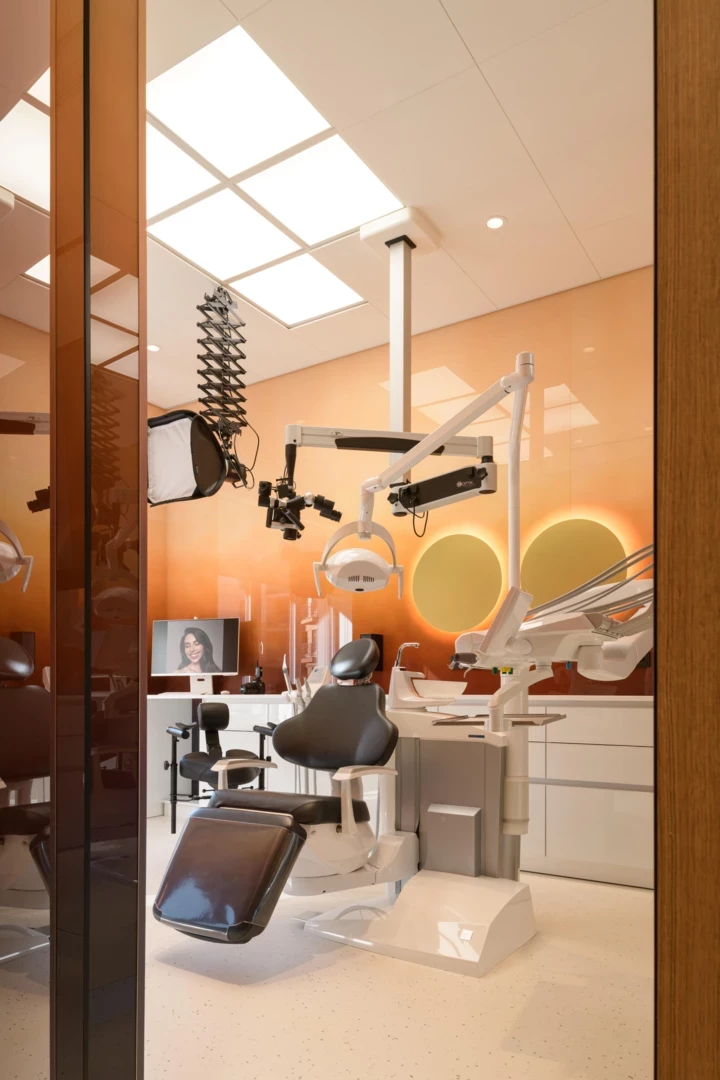
If this is not done and we work only with “beauty”, without restoring the lost function, the teeth will continue to wear down. With wear, not only aesthetics suffer – a person becomes uncomfortable to chew, tension in the chewing muscles increases, the load on the neck increases, discomfort and a feeling of constant fatigue appear. When we restore both form and function, the smile becomes not only beautiful, but also comfortable for life.
The modern approach is to look wider than just the teeth area. I always assess the face as a whole: often hypertonicity of the masticatory muscles is visible even visually – especially in patients with bruxism. This can be accompanied by difficulty chewing or headaches, which a person does not always associate with the teeth. After a detailed diagnosis, it becomes clear how exactly a person chews, which side is the main load and where the problem occurs.
At this stage, it is already possible to clearly determine the treatment tactics: whether orthodontic intervention is necessary, whether restoration of worn teeth with ceramic restorations is sufficient, or whether a combined strategy is appropriate. Braces, aligners, veneers or crowns are just tools. The main task is to correctly understand the situation and apply the method that will solve the problem functionally and aesthetically, and not just make the teeth whiter.
Why the braces trend is sometimes insidious
The marketing boom should not be denied: orthodontics has become fashionable and is actively promoted. But it is important to understand that the decision about braces or aligners should only be made after a full diagnosis and, ideally, a consultation with specialists.
If it is a question of minor crowding of teeth or a small correction, and the teeth are healthy, not worn, without a large number of restorations, orthodontics can be a complete and sufficient solution.
But the problem is that in most cases, patients come with a different start: their teeth are worn out, there are many fillings, caries, and the bite height is disturbed. In such situations, simply aligning the teeth is not enough. After orthodontic treatment, there is often a need for restorations – veneers or onlays. And it is important to talk about this honestly at the beginning.
If the worn teeth are simply moved to a new position, they will become even in the arc, but visually they will have a disharmonious appearance, because the shape was formed in a different position and under a different load. In addition, aesthetics will not automatically be restored. That is why orthodontics is often only a stage, not the final stage of treatment.
Braces, aligners, veneers, or crowns are just tools that should be used as the specific situation requires.
Why sometimes people wear braces for years
Unfortunately, situations where a person plans to wear braces for a year, but ends up wearing them for three or more, happen very often. We are regularly contacted with such cases – after a long treatment that did not give results. And you have to start all over from scratch.
The problem arises when treatment starts without a clear understanding of the end point — on the principle of “let's start, and then see how it goes.” In such situations, the deadlines almost always stretch, and the desired result either never happened or never will.
That is why it is important to conduct a full check-up at the start: the better the diagnosis, the fewer surprises in the process. Smile modeling is also important: when the final result is clear even before the start of treatment, it is possible to calculate the stages and deadlines as accurately as possible. In complex cases (for example, when there is a lack of bone tissue) or when enumerating, we always set a small time maneuver and warn about it immediately.
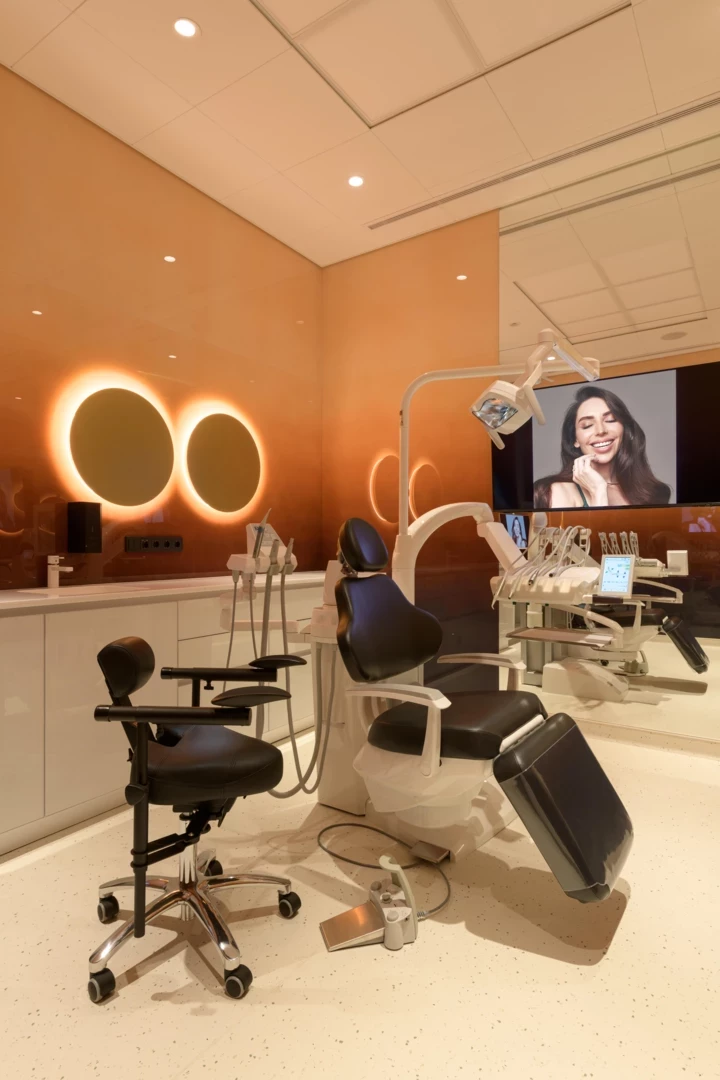
In many situations, we combine approaches: the orthodontist brings the teeth into the correct position, and we do not wait an extra six to eight months, but proceed to fixation with ceramic restorations. This allows us to significantly reduce the total treatment time. As a result, even complex rehabilitations are usually completed in one and a half to two years. The key to adequate time is the doctor's experience and real cases, as well as a clear roadmap from the very beginning.
The procedure is as follows: first a consultation and a full check-up, then a smile fitting and approval of the plan, then treatment, implantation if necessary, and gradual fixation of ceramic restorations. The active phase of the process usually takes up to two months, and the person does not fall out of the normal rhythm.
But when people wear braces for years without any clear dynamics, it's no longer the norm. Even complex cases shouldn't take that long these days.
On whether dental rehabilitation really rejuvenates the face
It is quite reasonable to expect changes in facial features after dental rehabilitation in many cases, but these changes are of medical, not cosmetic, origin.
After all, the face directly depends on the bite, the tone of the chewing muscles and the height of the teeth. When these parameters are disturbed, not only the smile changes, but also the overall facial expression.
When the constant tension in the masticatory muscles disappears and the correct bite height returns, the face relaxes, becomes softer and more rested in appearance. The feeling of “tightness” disappears, the nasolabial folds have a less pronounced appearance. But these changes should not be evaluated immediately after treatment, but after a few months, sometimes after six months. It is then that the tissues adapt, and the real result becomes visible. After a year, these changes are especially obvious.
At the same time, it is important to understand that the face does not always change and not in every case. It all depends on the initial situation: what was the bite, whether there was a loss of height, whether there was hypertonicity. If these factors were pronounced, the changes can be very noticeable. If the bite was stable and the muscles worked correctly, the finale of rehabilitation will be function and a smile, and not a transformation of facial features.
About whether it is realistic to undergo treatment in two months
Risks arise when speed becomes an end in itself and is not based on diagnosis. Accelerated rehabilitation is quite real, but justified only when there are medical grounds for it.
Our approach, in particular the G8 method, has been formed as a result of many years of practical experience. We have been working in dentistry for decades, constantly analyzing our own cases, communicating with colleagues from other countries, exchanging results and keeping a focus on stable function and predictable aesthetics. That is why we can afford not to artificially accelerate the process and at the same time not to stretch it unnecessarily.

8 steps of transformation according to the G8 method
- Diagnostics: history, CT scan, photo, 3D scan, Modjaw analysis of joints and movements.
- Modeling: in 3-7 days – 3D model and mock-up of the smile on your teeth, approval of shape and color.
- Additional treatment (if necessary): dental rehabilitation before veneering.
- Implantation (if necessary): installation of abutments if teeth are missing.
- Preparation of the lower teeth: after 5-7 days – preparation, temporary restorations.
- Fixation of the lower ones: after 7-10 days – fitting and installation of permanent restorations.
- Preparation of upper teeth: preparation, scanning, temporary restorations.
- Fixation of the upper teeth: after 7-10 days – fitting and installation of permanent ceramic veneers/crowns.
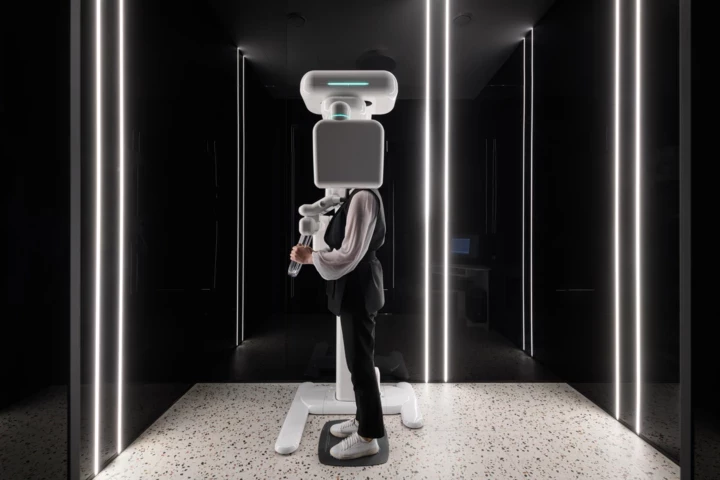
Everything always starts with a complete checkup. If the diagnosis shows that the system is functionally stable, the joints are working correctly, there is no muscle hypertonus or serious deviations, and the request is mainly aesthetic, rehabilitation can really be quick. In such cases, the installation of ceramic restorations or veneers can take a week or two – and it will be safe, predictable, and correct.
But if the diagnosis shows a different picture — for example, muscle overload, joint dysfunction, loss of bite height — speed already becomes a risk. In such situations, additional stages are required, including splinting. It relaxes the muscles, stabilizes the position of the joints and prevents further tooth wear, pain and deterioration of well-being, which could remain a mystery to the patient without an obvious explanation.
This adds time, but this time is justified and works for a long-term result.
So the treatment time is always individual. It happens that a husband and wife come together, and for one the rehabilitation takes a conditional month, and for the other – several months due to the need for additional preparation. This is normal if the patient understands the reason and sees the logic of the process. The G8 method is built on not taking unnecessary steps, but not skipping the necessary ones. We do not stretch the rehabilitation for years, when a person begins to live not with his life, but with treatment, but we do not shorten the path at the cost of function.

The main criterion for a good result, which is rarely talked about
When after treatment there is no increased sensitivity of teeth, discomfort in joints or muscles, and the patient simply lives his life, not thinking about the bite, teeth or dentist. When a person remembers the doctor only once every 4-6 months during routine hygiene and examination. When a person smiles more often. Simply because he has at least one reason for joy.