

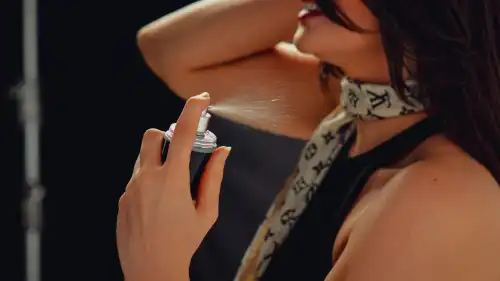
Modern perfumery is a very stable chemistry. It generally doesn’t care about our pH, which is usually slightly acidic. But fat is a completely different story. Perfume compositions dissolve in lipids. Therefore, if the skin is dry, it will literally devour an expensive fragrance in an hour, and the top notes will disappear without saying goodbye. On the other hand, on more oily skin, sebum works as a natural fixative, holding the molecules.
There's also the temperature. On “hot” skin, volatile molecules scream, leave a kilometer-long trail, and burn out pretty quickly. On cool skin, the scent sits quietly, close to the body, but lasts for half a day. So when someone complains that a perfume “somehow didn't open properly,” it's almost always a matter of physiology: body temperature and the same level of oiliness.
Skin type and resistance: dry, normal, oily
Dermatologists boil it down to a simple fact: the oilier the skin, the longer it lasts. Sebum binds molecules and prevents them from evaporating into space. Therefore, floral or gourmand notes on such skin become dense, and oriental or woody compositions can generally knock an unprepared interlocutor off his feet.
With dry skin, it's the other extreme. There are few natural lipids, everything evaporates instantly. Even concentrated formulas seem like some kind of light water. The only thing that saves here is the preliminary application of a regular, unscented moisturizer – it at least somehow retains the aromatic molecules.
And those with normal skin can simply rejoice in their genetics: the fragrance on them sounds almost the same as on a paper blotter in the store.
Microbiome and nutrition: hidden factors of odor
By the way, about the microbiome. Dozens of species of bacteria live on the surface of our bodies, feeding on sweat and dead cells. They are the ones who create the very natural human odor. They do not feed on your perfume, especially since the spray, which contains 80% alcohol, simply kills them at the point of spraying. But when the fragrance suddenly gives off some strange animal or leather note that was not even close to the description, it is simply your own smell (hello, bacteria) mechanically mixed with the perfume base.
And yes, our diet is also in play. Spices, garlic, a large portion of protein for dinner or even some medications change the composition of sweat. Accordingly, the way perfume is layered changes. In laboratories, this is recorded through a change in volatile compounds, and in life this means that the same aroma during a period of normal nutrition and, for example, against the background of a strict diet will be felt completely differently.
Alcohol and oil formulas: how they behave on the skin
Alcohol is dynamic. It evaporates quickly, dragging some of the light molecules with it and giving a noticeable trail in the first hours. First citrus and greens, then the heart, then the base. On dry skin, this carousel spins even faster, so floral-fruity aromas disappear faster than you can get to the office.
Oil perfumes are a completely different genre. Sensory tests show that they surpass alcohol counterparts in average durability. They do not have a trail all over the street, they sit tactfully, close to the body, but for a long time. For dry skin, oil textures are a godsend, because the lipid base immediately creates a film that blocks the evaporation of the smell.
How to choose a fragrance family for your skin type
The logic here is quite simple, but it is regularly neglected. If the skin is prone to oiliness, intense compositions will sound too loud on it. Warm oriental, woody or leathery scents can become unbearable if you shower them with your heart. Subtle things work better here: fresh chypres, citruses, light florals on a transparent base.
Dry skin, on the contrary, will eat up your light florals and not notice them. It needs stability – compositions with a normal base such as iris, sandalwood, amber, tonka bean.
With normal skin, everything is calmer, you can choose with your eyes and heart, just look for eau de parfum or extrait formats if you want the fragrance to last until the evening.
How to test perfume with skin in mind
You know how perfumes are usually tested? You spray it on your wrist while running between work meetings, inhale it, and move on. And if you do it consciously, you should apply it to clean, moisturized skin and wait. Not five minutes, but let it open, check after an hour, then after three and six. If your skin is dry, you can even do an experiment: apply it to one hand just like that, and on the other – on top of the cream. The difference is sometimes amazing.
And if your sebaceous glands are working actively, there's no point in spraying where it's hottest and where you sweat the most. The collarbone or upper forearm are much better suited so as not to create a perfume attack in the elevator for yourself or those around you.
Share
Subscribe to UkrMedia on Telegram.
⚡ Readers' Pulse
Does perfume usually “live” on your skin for a long time or does it disappear without a trace in an hour?
1 person has already voted. Join the discussion.
💎 Lasts until the evening 🌬️ Disappears instantly 🧪 Always different
📊 Mind map
💎 Lasts until evening 0% 🌬️ Disappears instantly 100% 🧪 Always different 0% 💡
The discussion is just beginning. Be the first to comment!
Comments
New ones first ↕
There are no comments yet. Be the first!