
 Share
Share
There are many myths surrounding women's intimate hygiene. They are dispelled by Kateryna Pavlova, obstetrician-gynecologist, ICSI Clinic, Olga Dyachenko, obstetrician-gynecologist, endocrinologist, oncogynecologist, medical director of Sandler Clinic, Lyudmila Shupeniuk, obstetrician-gynecologist, doctor of the highest category, founder of Shupeniuk Medical Club, and obstetrician-gynecologist Yulia Puzhnyak, specialist in intimate gynecology, expert of Woman Essentials
Lyudmila Shupeniuk , obstetrician-gynecologist, doctor of the highest category, founder of the Shupeniuk Medical Club clinic
Cunt, vagina are synonyms
This is a myth. Indeed, there has long been confusion about the name of the female genitalia; Gwyneth Paltrow uses the word “vagina” in the series Goop; there is a book called “The Vagina Monologues.”
Advertising.
Lyudmila Shupenyuk explains: everything we see on the outside – the labia majora, labia minora, the entrance to the vagina (or vagina – in Latin) – are the external female genitalia, called the “vulva.”
The vagina is something that refers to the internal genital organs. So the vulva and vagina are different anatomical structures, with different PH, with different microflora, etc.
The bikini area needs special care – just like the face.
Almost true. Vulvar skin can age just like facial skin, can have the same diseases, and sometimes more specific ones. Accordingly, aggressive care, procedures, improper use of care products can cause diseases of the vulvar skin, just like in other areas of the body.
Special care is needed for women in perimenopause and menopause: the skin is hormone-sensitive, and a decrease in hormone levels can sometimes lead to diseases in women.
If the fabric changes color on the black gusset of your panties, this is a symptom of the disease.
This is a myth. Discharge is a physiological norm, but it should not be pathological. It would be strange if there were no signs of discharge on underwear, because dryness is inherent either to a certain age or to certain diseases.
Therefore, most women try to use daily pads so as not to ruin their underwear. Although this is completely unjustified.
Showering is necessary both before and after sex
Showering is essential before sex – and that's true for both women and men. However, there are no such strict guidelines for after sex – especially for a couple trying to conceive.
You can't sleep with a tampon in.
There is no categorical statement here, but I would still recommend using a pad at night. If only because it is advisable to change a tampon every 4 hours, and you should not stay up at night for this. If a tampon is inside for a long time, it can cause inflammatory complications. This does not happen often, but there are cases. Therefore, it is advisable to sleep with a pad.
Menstrual cups are a better way to protect your period than pads and tampons.
This is a myth. The truth is that everyone chooses for themselves. The best hygiene product is the one that is more convenient for a woman, fits, does not cause allergies, contraindications and is used correctly. However, it is worth knowing: prolonged retention of blood inside, and especially if there are diseases or infections, can cause inflammatory processes.
Kateryna Pavlova, obstetrician-gynecologist, ICSI Clinic
Any cosmetics for the intimate area are pure harm.
This is partly a myth. The vagina cleans itself and does not require internal washing or the use of cosmetics. The vaginal epithelium is constantly exfoliated and produces a secretion that helps maintain the balance of microflora and normal pH without additional cleaning.
Intimate hygiene products, especially those with high alkalinity, fragrances, or harsh surfactants (surfactants), disrupt the pH balance and normal vaginal flora. While pH-balanced (pH 3.8-4.5) and dermatologically/gynecologically tested vaginal washes can safely maintain vulva cleanliness.
To maintain cleanliness in the intimate area, it is worth using an intimate shower every time after using the toilet, and if this is not possible, use wet wipes.
This is a myth. Both the vaginal and perianal areas have their own self-cleaning mechanisms. Using a douche inside the vagina or frequent vigorous washing can disrupt the microflora and the natural acid-base balance. The normal vaginal microflora, which consists mainly of lactobacilli, maintains an acidic pH and protects against pathogens. A jet of water, soap or other solutions can wash away beneficial bacteria and change the pH, which promotes the growth of harmful microorganisms. Therefore, plain water and a light towel after using the toilet are enough.
As for wet wipes, most contain fragrances, alcohol, or surfactants, which can cause irritation, contact dermatitis, or microbiological imbalance. Wet wipes can be used in some cases, but they should not be used in place of regular care.
You should not have sex during menstruation.
This is too categorical. There are nuances that are important to know about. Sex during menstruation is not medically prohibited or harmful in itself, if both partners feel comfortable and there are no contraindications.
During menstruation, the cervix may be slightly open, allowing bacteria from the vagina to enter the uterus. This does not always cause problems, but it does increase the risk of infection. The presence of menstrual blood can also increase the transmission of some infections, including HIV and other STIs, if there are open wounds or mucous membrane contact.
Finally, some people experience increased sensitivity, cramping, or discomfort during menstruation, which can make sex unpleasant or undesirable.
Thongs, overly tight/lace/latex underwear are really harmful to intimate health
This is very close to the truth. Although there is no direct evidence, the mechanisms can be logically substantiated. The narrow part can move and transfer bacteria from the anal area to the vulva/urethral area, which theoretically increases the risk of infections.
Synthetics, lace, or latex are less breathable and can trap moisture and heat, creating a favorable environment for bacteria and yeast to grow. Overly tight underwear can irritate the skin and cause chafing. Therefore, it is better to choose underwear made from natural, breathable fabrics (100% cotton) for everyday wear and avoid synthetic, impermeable materials.

Vaginal detox, herbal tampons, steam treatments – these are new progressive trends that should be promoted more actively
This is not a “progressive trend”, but a marketing phenomenon. None of these “detox methods” have any evidence of benefits for vaginal health and in some cases may be harmful. Let me remind you, the vagina has its own microbiome, which is physiologically supported by the body. This means that there are no “toxins” inside the vagina that need to be removed by so-called detox procedures. The word “detox” is most often used to sell products that contain essential oils, herbs, alkalis, etc. Such products can cause allergic reactions and disruption of the microbiome. Steam treatments can increase inflammation if it is present and cause burns. Therefore, these procedures can increase the risk of bacterial vaginosis, candidiasis or irritation, especially with regular use.
Expert doctor with 25 years of experience, obstetrician-gynecologist of the highest category, gynecologist-endocrinologist, onco-gynecologist, medical director of Sandler clinic Olga Dyachenko
Do daily pads cause candidiasis?
Myth: Using daily pads is not the cause of candidiasis. However, prolonged use without changing them, tight clothing, and synthetic materials reduce oxygen access and create a humid environment that disrupts the balance of microflora.
You can't use only tampons throughout your entire period.
Myth: Tampons can be used throughout your period. The key is to choose the right absorbency and replace them on time.
Tampons should be changed every 6–8 hours.
Partially true. It is optimal to change the tampon every 4–6 hours. This is important for hyenas and to reduce the risk of inflammation, because blood is an ideal medium for the reproduction of microorganisms.
Odor in the intimate area is a signal to visit a doctor
Partly true. A light, natural, slightly acidic odor is normal and indicates a sufficient amount of beneficial lactobacilli. But a sharp, unusual, or unpleasant odor can be a symptom of infection or dysbiosis and is a reason to consult a doctor.
Urinating after sex reduces the risk of cystitis
True. Urinating after sexual intercourse helps mechanically remove bacteria from the urethra. This is a simple and effective recommendation for preventing postcoital cystitis.
Obstetrician-gynecologist Yulia Puzhnyak, specialist in intimate gynecology, expert of the Woman Essentials brand
The vulva is an organ that cleans itself perfectly, and intimate hygiene gels/foams are marketing.
This is a myth. The vagina is a self-cleaning organ, not the vulva. The vagina has its own microflora, an acidic environment, and physiological secretions that provide natural cleansing. And the vulva is the external genitalia (the labia majora and minora, the clitoris, the vestibule of the vagina). It is the skin and mucous membrane. And like any external part of the body, it needs hygiene.
The vulva comes into contact with sweat, urine, menstrual blood, and discharge, and has its own sebaceous and sweat glands. Therefore, regular but delicate care is necessary for health.
It is important that the products have a physiological pH and do not contain aggressive surfactants and fragrances.
Deodorants in the intimate area are strictly prohibited.
The word “categorically” is rarely used in medicine. And the topic of intimate deodorants is no exception.
The problem is not in the fact of using the product, but in its composition and method of application. If it does not contain alcohol, intense fragrances, antiseptics and if it is not applied inside the vagina, then, of course, it is not prohibited. Again, the vulva is also skin that needs care.
But an important point: if a sharp or unusual odor appears, you should not mask it. This is a reason to consult a doctor.
Discharge (other than menstrual) is a signal of health problems.
Discharge is not a pathology. It is physiology.
The idea that any discharge (other than menstrual) is a sign of health problems arose more from a culture of shame than from medicine.
Vaginal discharge is a natural self-regulating mechanism. It consists of cervical secretions, epithelial cells, and components of the microflora. Its function is to moisturize, protect, and maintain a balanced environment.
The norm does not look the same for everyone. Depending on the phase of the cycle, the woman's hormonal background, and the medications she takes, including COCs, the discharge can be thin, heavy, sticky, etc. And this is not a health problem.
But if the discharge changes color (yellow, green, gray), if there is an odor, or even more itching, burning, or discomfort, then this is no longer the norm – but a reason to seek examination and consultation with a doctor.
Douching is indicated in only two cases: to prevent unwanted pregnancy and as prescribed by a doctor.
This is a dangerous myth. Douching is never indicated!
The claim that douching can prevent unwanted pregnancy is not just a myth, but a dangerous mistake. Sperm enter the cervical canal within minutes of ejaculation. No amount of washing the vagina with water or solutions can “wash” them back out. The effectiveness of this method is zero – but the risks are quite real.
Douching disrupts the natural acidic environment of the vagina, washes out lactobacilli, and increases the risk of bacterial vaginosis, candidiasis, and pelvic inflammatory disease.
That is why international professional communities — including the American College of Obstetricians and Gynecologists and the World Health Organization — do not recommend douching as a method of hygiene or contraception.
Now about “as prescribed by a doctor.” In modern evidence-based gynecology, there are no indications for douching. Vaginal preparations (suppositories, tablets, gels) are used for treatment, which do not disrupt the microbiome so aggressively.
It is always necessary to restore the microflora after antibiotics.
Antibiotics can indeed affect the microbiome, particularly the intestinal and vaginal microbiomes. They reduce the number of not only pathogenic bacteria, but also some beneficial microorganisms. However, in most healthy women, the vaginal microflora is able to recover on its own within a few weeks after the end of therapy.
The vagina is a dynamic ecosystem dominated by lactobacilli. In the absence of symptoms (itching, burning, abnormal discharge, unpleasant odor), preventive “just in case” treatment is not necessary. Simple intimate care containing probiotics and lactic acid will be enough.
But if you have a history of antibiotic-associated candidiasis or are on long-term or repeated courses of antibiotics, then intravaginal probiotics will be necessary.
Probiotics for the intimate area are marketing
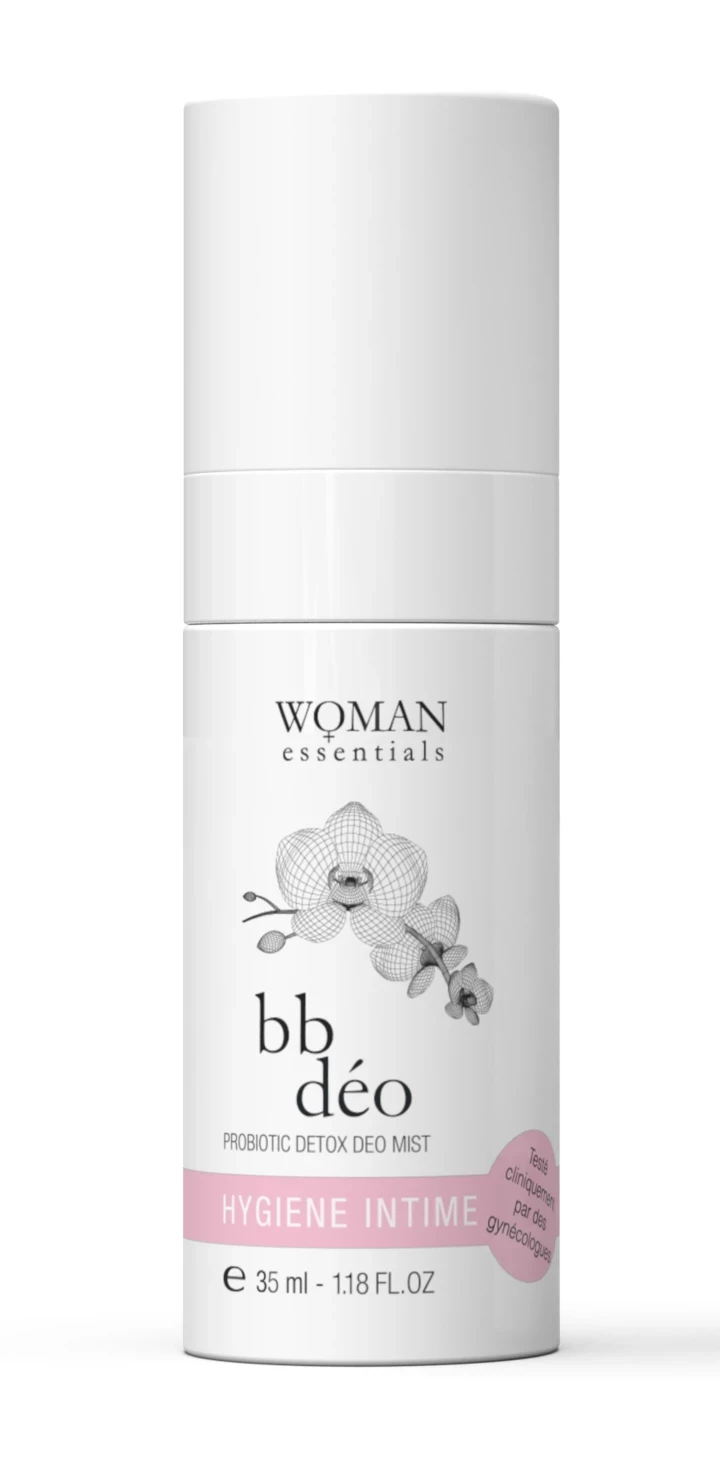
This is a myth. Probiotics in intimate care products prevent bacterial vaginosis, vulvovaginal candidiasis, and other vaginitis, increase local immunity, and provide an optimal acidic environment to prevent the growth of pathogenic bacteria.
So probiotics are for the health of the female reproductive system.