

Netflix's new documentary Reality Check: Inside America's Next Top Model has once again brought attention to one of the most famous — and at the same time, most scandalous — shows of the 2000s. The project raised questions about fat shaming, racism and sexual harassment on the iconic reality show. In this article, we explain why America's Next Top Model is shocking today.
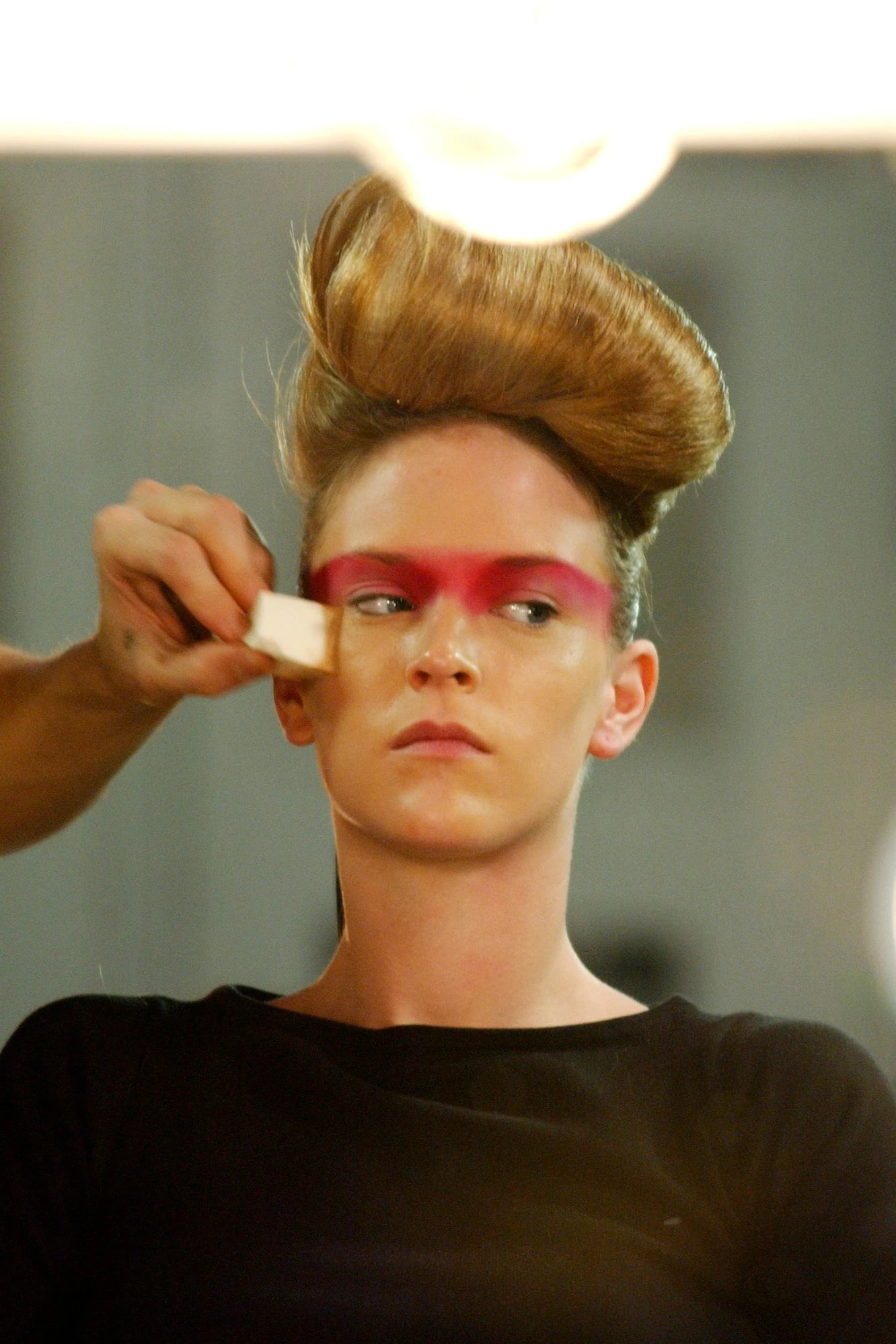
No reality show captures the atmosphere of the early 2000s quite like America's Next Top Model. This massive TV show became a cultural phenomenon of its time. It has been rekindled after the pandemic, with many viewers revisiting old seasons and rewatching them with a modern perspective. Now, Netflix has released a three-part documentary called Reality Check: Inside America's Next Top Model, which shows the show's history from the inside. And the reality turns out to be much more complicated than one might expect.
The documentary touches on many of the issues from America's Next Top Model that seem downright problematic today. It's about fat shaming, sexual harassment, and photo shoots where models were forced to do controversial things. In some episodes, contestants posed as murder victims. In others, they were transformed into people of other ethnicities. There were also challenges where models were forced to pretend to be bulimic and transform into homeless people. All of this was actually shown on the air. When you watch these scenes today, many of them are genuinely surprising and even shocking.
Advertising.
At one time, the show “America's Next Top Model” was extremely popular among teenagers. Many viewers watched the show every day after school. This was a period when Tumblr was actively influencing internet culture and shaping ideas about the body and appearance. In the media of the time, celebrities with a size 10 of clothing (approximately M) could be called “big”. In this context, many moments from America's Next Top Model did not seem unusual at the time.
In school, girls could only eat a handful of pumpkin seeds for lunch. Some even shaved their legs during recess so that no hair was visible on their bodies. The pressure to look perfect was constant. Social norms were also different. Lesbians were not accepted back then (to put it mildly), so homophobic statements on America's Next Top Model hardly caused a reaction. The show seemed like part of the usual reality of the time. It only repeated the same messages that teenagers received from other media and their environment. Many viewers at the time believed that the show's host Tyra Banks cared about the contestants and was genuinely trying to help the young models.
Today, the difference between what was considered normal back then and what it is now is especially noticeable. Often, this is explained with a simple phrase: “it was a different time.” This argument is also made in the documentary Reality Check: Inside America's Next Top Model. Tyra Banks says in the second episode: “That was the world we lived in,” referring to the fat-shaming culture that was prevalent at the time.
Former judge Nigel Barker watches archive footage of one of the models, Kinaya, being sexually harassed on camera. His reaction is reserved: “Some things are just the reality of this world. There have always been issues with harassment.” Tyra Banks, meanwhile, is more self-critical. She explains that she tried to support the contestant with the understanding she had at the time. But she admits that the situation should have been stopped immediately. “So I say to Kinaya: I'm so sorry,” she says.
The “different times” argument is partly understandable. Many of the things that were shown on America's Next Top Model were indeed considered acceptable at the time. At least to the extent that they were broadcast on television without any problems, and millions of people watched the show as entertainment. But at the same time, you can keep two thoughts in mind. You can understand the context of the time and at the same time recognize that some things should not have happened.
One of the most disturbing moments in the documentary concerns a young model, who was 21 at the time. She was caught on camera having sex with a male model after drinking two bottles of wine. She later said she didn't remember much of the evening. The footage was aired. The participant was then publicly shamed for allegedly cheating on her boyfriend.
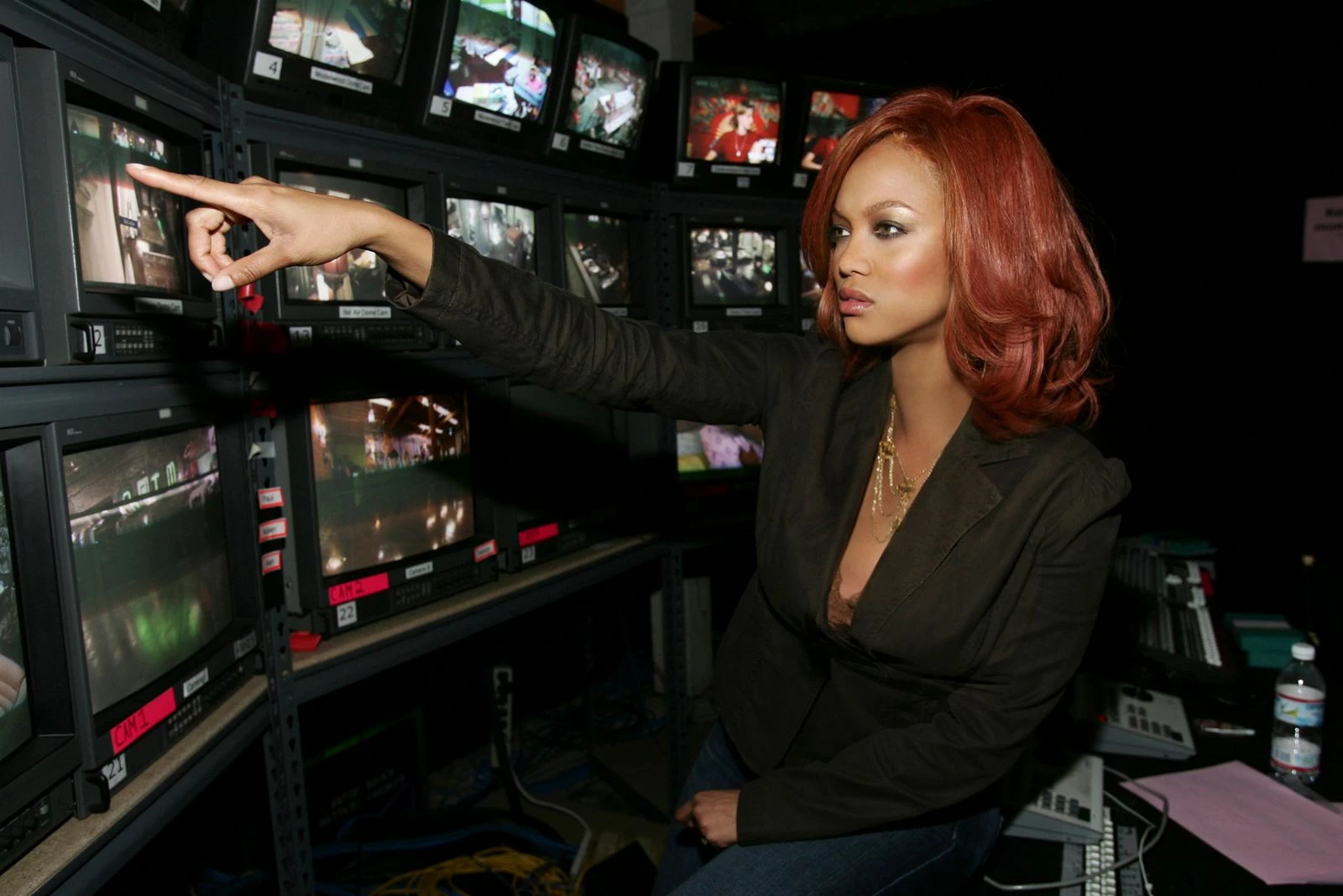
No one in the documentary directly says that this situation was wrong. Not the hosts, not Tyra Banks, not the executive producer. And that's what seems most strange. It's one thing to look at America's Next Top Model in the context of the time. It's another to express no outrage or regret. The show's executive producer, Ken Mock, explains it this way: they saw Top Model as a documentary project and warned the contestants about it right away.
Before watching, one could assume that the documentary would be light and even cheerful. It does have strange and sometimes funny moments, especially when the events seem frankly absurd. But the overall impression is completely different. After watching it, one is left with a feeling of sadness and fatigue. It is sad to realize what the world was like in which teenagers of that time grew up. At this age, a person is just forming, and the media has a huge influence.
It is also sad to see the fate of the models who participated in the show. Many of them were unable to find work after America's Next Top Model. Some still talk about the traumatic experience after participating in the project. Even Tyra Banks' story in this context looks difficult. It seems that she later, perhaps unknowingly, passed on her own experience in the fashion industry to the next generation of models.
And at the same time, another question arises. Despite the argument about “different times”, the world today does not look completely different. Sexual assault is still a widespread problem in many industries, and often such cases do not have serious consequences. SkinnyTok is actively spreading on social networks – a modern version of content reminiscent of pro-anorexic Tumblr communities. And the fashion industry can hardly be called completely anti-racist. So the question arises: will we look back on the present in 25 years and still say that it was just a different time?
At the end of the documentary, Tyra Banks speaks directly to this. She says that when you watch the show today, you think, “Why did you do that?” She adds that she's grateful for the questions because that's how change happens and how people can become better. She says it's important to be willing to accept criticism — just as she's currently accepting criticism of herself — because sooner or later, everyone will have to hear these kinds of comments.
Then the camera cuts to model Dani. On America's Next Top Model, she had a gap between her teeth surgically closed, even though she said several times that she didn't want it. Today, she looks at it and says, “Girl, this is completely ridiculous. It's time to stop.” After saying that, she just gets up and walks away.
Based on material from vogue.co.uk