

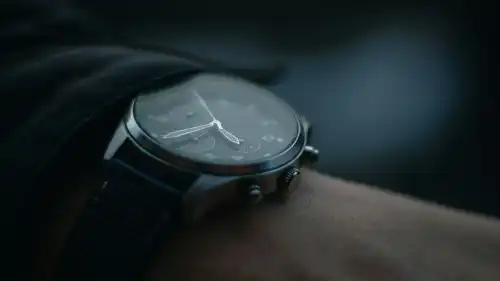
Etiquette has no place here. Everything was decided by banal physics, the desire to save on repairs, and the trenches of World War I.
“Bracelets are for girls,” or how men were ashamed of wristwatches
Forget about “status” and “masculine jewelry.” Until the beginning of the 20th century, no self-respecting gentleman would wear a watch on his wrist. It was considered an exclusively female “feature.” Wristwatches (then called bracelets) were perceived as whimsical jewelry for ladies who were too lazy to look for a watch in their handbag to find out the time.
Real men wore “bulbs” on a chain in their vest pockets. It was solid, reliable, and boyish. The war changed everything.
When World War I began, officers realized one simple thing: fumbling around in their pockets during artillery fire to coordinate an attack was a surefire way to get a bullet. Something quick was needed: one look and run. Thus, the “trench watch” was born.
Men began to strap their pocket chronometers to their wrists with leather straps.
Why the left hand?
Most people on the planet (about 90%) are right-handed. The first mechanical watches had to be constantly wound. Engineers, pragmatic people, placed the crown (the same wheel on the side) on the right side of the case.
1. You wear a watch on your left hand.
2. Your active right hand is free to turn the wheel.
3. Bingo! You wind the mechanism without even taking it off your hand.
If you were to wear such a watch on your right hand, winding it with your left hand (reaching across the dial) would be as convenient as scratching your left ear with your right heel.
And it's even safer. Your right hand (in most people) is constantly at risk. You use it to open doors, hammer nails, hold onto handrails in the subway, and gesture in a bar.
If you had a watch on your right hand, you would bang it against every doorframe and scratch the glass ten times a day. The left hand is usually more modest, which is why an expensive accessory lives there longer.
So which hand should you wear it on?
Now that we check the time on our smartphones and wear an Apple Watch (which doesn't need to be wound at all), the old rules have lost their meaning.
Etiquette rules say that a watch is a must-have for a business person. If you come to a meeting without a Rolex, but with a cool idea, no one will judge you. And constantly looking at your watch during negotiations is a real bad manners, because it hints that you are bored.
If you are left-handed, you can wear your watch on your right. Modern brands even produce special models with the head on the left for your convenience.
Today, it doesn't matter, women calmly wear massive “men's” chronographs (it looks stylish, as if you “squeezed” them from your boyfriend), and men choose vintage models in smaller sizes.
Share
⚡ Readers' Pulse
Is wearing a watch on your right hand a sign of bad taste or a challenge to the system?
0 people have already voted. Join the discussion.
🧐 This is a disgrace to etiquette! 🤘 Rules for bores! 📱 I don't wear it at all
📊 Mind map
🧐 This is a disgrace to etiquette! 0% 🤘 Rules for bores! 0% 📱 I don't wear it at all 0% 💡
The discussion is just beginning. Be the first to comment!
Comments
There are no comments yet. Be the first!