

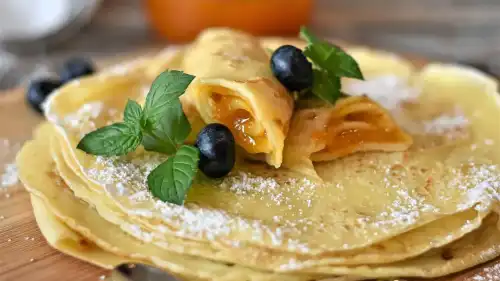
This question comes up every spring, as soon as the smell of the first pancakes appears in the air, and hands reach out to burn some straw effigy.
Maslenitsa is “two in one”, a vivid example of how ancient folk customs have become friends (albeit not without nuances) with the church calendar.
Roots with peppercorns
The roots of the holiday go back so deep into pre-Christian times that it is already dark there. For our ancestors, it was a welcome of spring, which coincided with the day of the vernal equinox. It was primarily about saying goodbye to winter, awakening nature and agreeing on the future harvest.
You've probably heard that pancakes are a symbol of the sun because they're round and hot? Forget it! Ethnographers say that's a myth. In fact, among the ancient Slavs, pancakes were a memorial dish. Spring holidays were closely linked to the cult of ancestors: it was believed that the souls of the dead resided in the earth and could influence the harvest. So they were “fed” and appeased with pancakes.
But the truly magical ritual was the burning of the effigy of Marena (Winter). A classic act of destroying old junk to make room for new life. Loud revelry, fist fights, and climbing a pole up to your boots — all of this was a demonstration of vitality, a kind of marriage game that had nothing to do with Christianity.
Walking away from the Church
When Christianity came to our lands, the church faced a problem: simply taking and banning a holiday that everyone loves so much was an impossible mission. They found a way out.
The church included this week in its calendar as Cheese Week, the final stretch before Lent. Meat was forbidden (which perfectly explained why we crave dough), but dairy products, eggs, and fish were allowed. This gave the green light to eating pancakes with butter, sour cream, and caviar.
Instead of just partying, the church called on believers to reconcile with their neighbors and tune in to the spiritual. The culmination was not Wednesday or Thursday with their fun, but Forgiveness Sunday. The official religion, of course, was not delighted with “demonic games” like fist fights and fought them with sermons, but the popular energy still raged in parallel with the church charter.
Unique mix
The calendar date of Maslenitsa “floats” and is completely dependent on Easter. The outer shell of the holiday – pancakes, bonfires, fun – remained essentially pagan, although for most it has lost its original magical meaning (we no longer feed the spirits of our ancestors, but simply eat deliciously).
The deeper essence — preparation for fasting and reconciliation — remains a priority for church-going people.
Share
⚡ Readers' Pulse
Is Maslenitsa a bright holiday or a pagan sabbath?
0 people have already voted. Join the discussion.
🔥 Native tradition! ❌ No more devilry! 🤔 Just eat pancakes
📊 Mind map
🔥 Native tradition! 0% ❌ Away with the devilry! 0% 🤔 Just eat pancakes 0% 💡
The discussion is just beginning. Be the first to comment!
Comments
There are no comments yet. Be the first!