

On April 27, the editorial staff of Ukrainian Vogue organized the first pre-premiere screening of the film “The Devil Wears Prada 2” in Kyiv. Editor-in-Chief of vogue.ua Violetta Fedorova shares her impressions after watching the film.
Advertising.
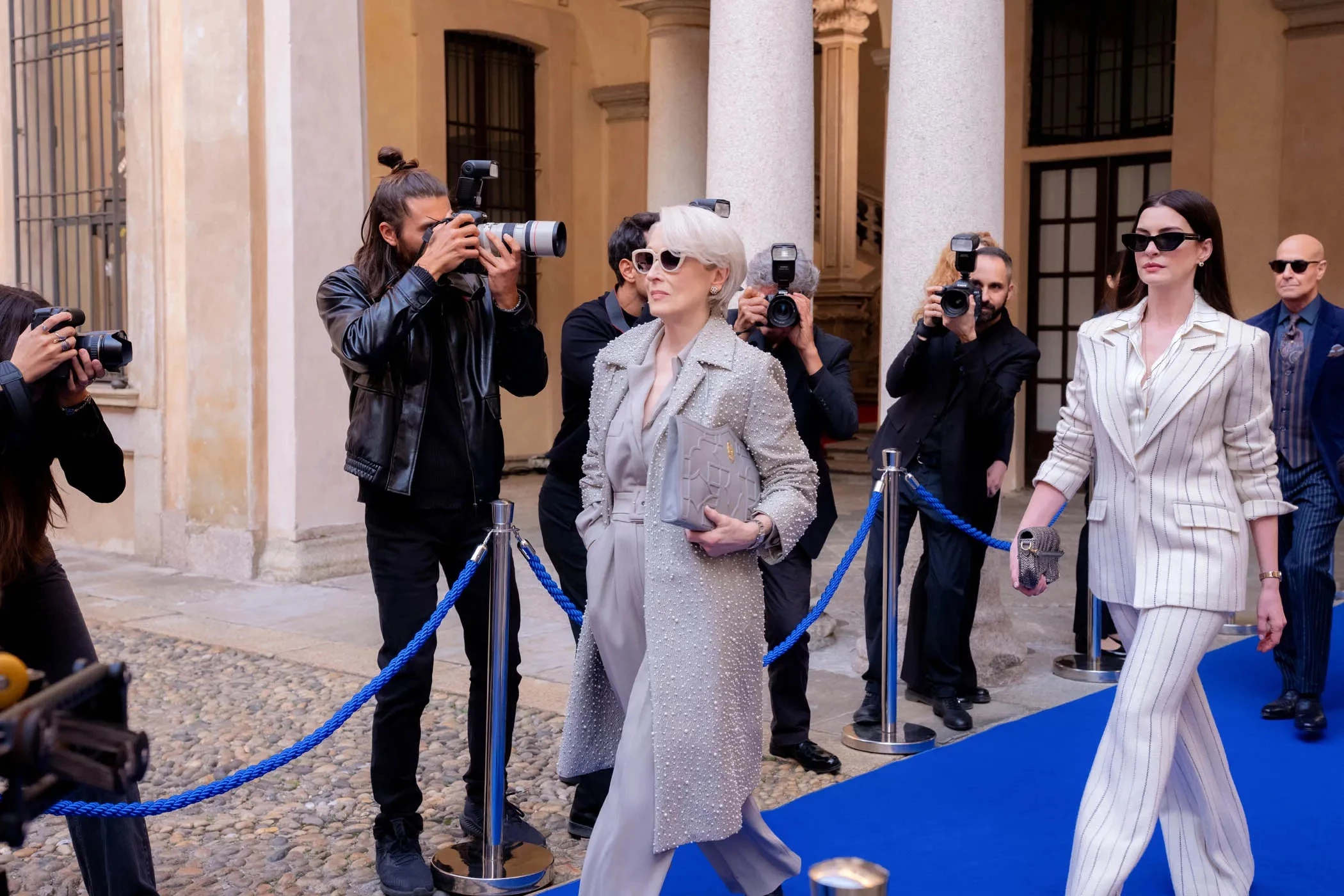
In 2006, The Devil Wears Prada gave me, as a teenager, a dream about the world of fashion and gloss, which I wrote about in detail here. In 2026, the second film was a very painful reminder of how the industry has changed in 20 years. The plot of the sequel revolves around the attempts of editor-in-chief Miranda Priestly to adapt Runway magazine to new realities in times of transformation of “old media”. Several times the film really hits the nail on the head, highlighting painful issues for many modern editorial offices – from mastering new formats and attracting a young audience to building interaction with partners.
The main storyline in the second “Devil” is no longer between Miranda Priestly (Meryl Streep) and her assistant Andy (Anne Hathaway), but between the editor-in-chief of Runway and her former subordinate Emily Charlton (Emily Blunt), who has become a top manager of a luxury conglomerate. Now Miranda is forced to ask for help (and advertising budgets) from her former assistant, whom she once treated with disdain. In parallel, we see how the favorite of millions, Andy Sachs, continues to idealize the world around her, trying to save and help everyone. She talks about her life: after Runway, she traveled the world a lot, did not start a family, but thought about the future and froze her eggs. Many millennials will definitely recognize themselves here.
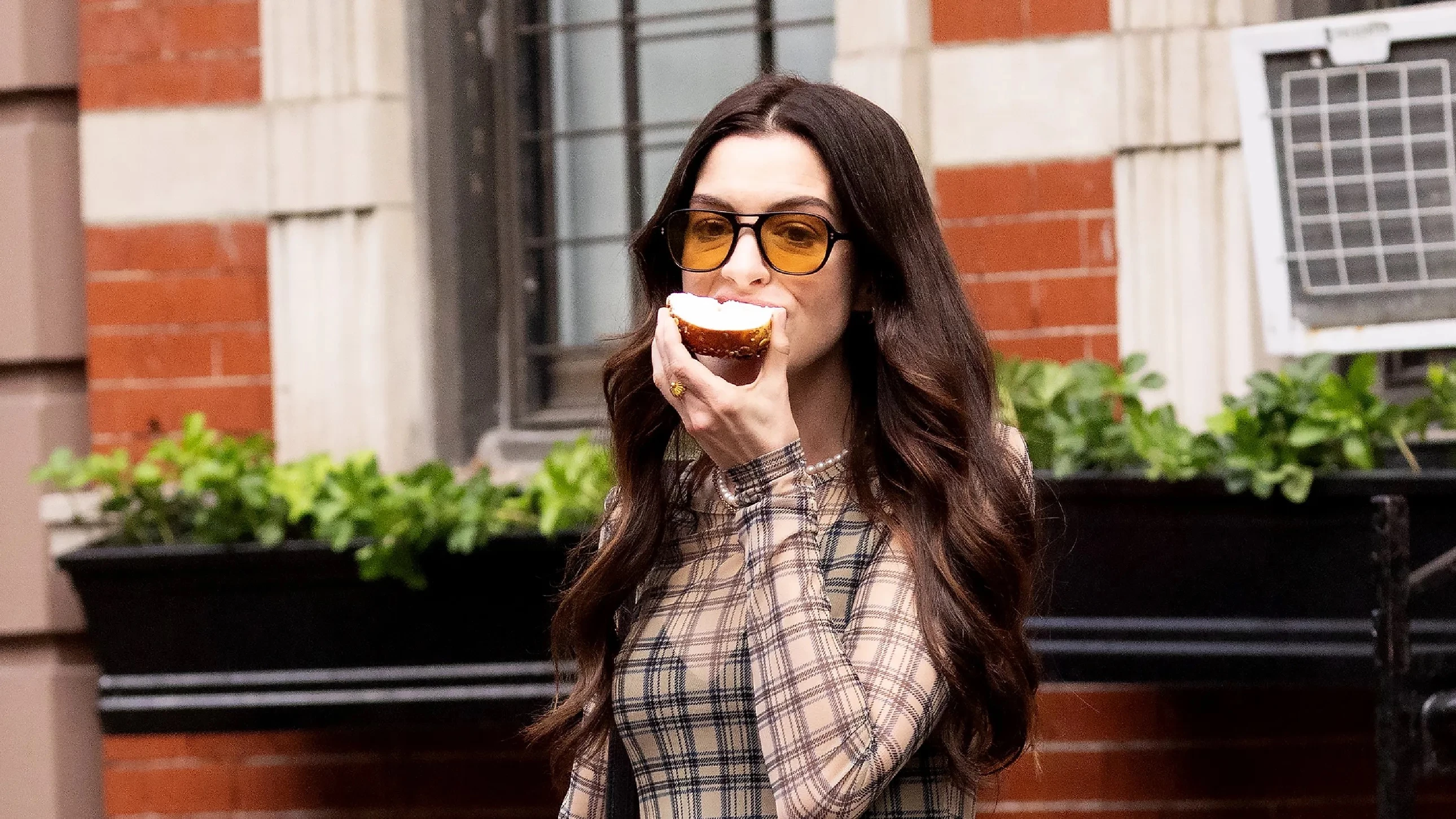
The theme of generational change runs through the entire film. Screenwriter Aline Brosh McKenna pays much attention to the collapse of the old hierarchy, when TikTok trends set the agenda. The film examines in detail how Miranda Priestly tries to survive in the era of influencers, short videos and complete transparency, where her cold authoritarianism no longer works. At the same time, we see that the magic of gloss has not disappeared – the most desirable newsmakers on the planet are still ready to reveal their secrets to publications with a reputation and history.
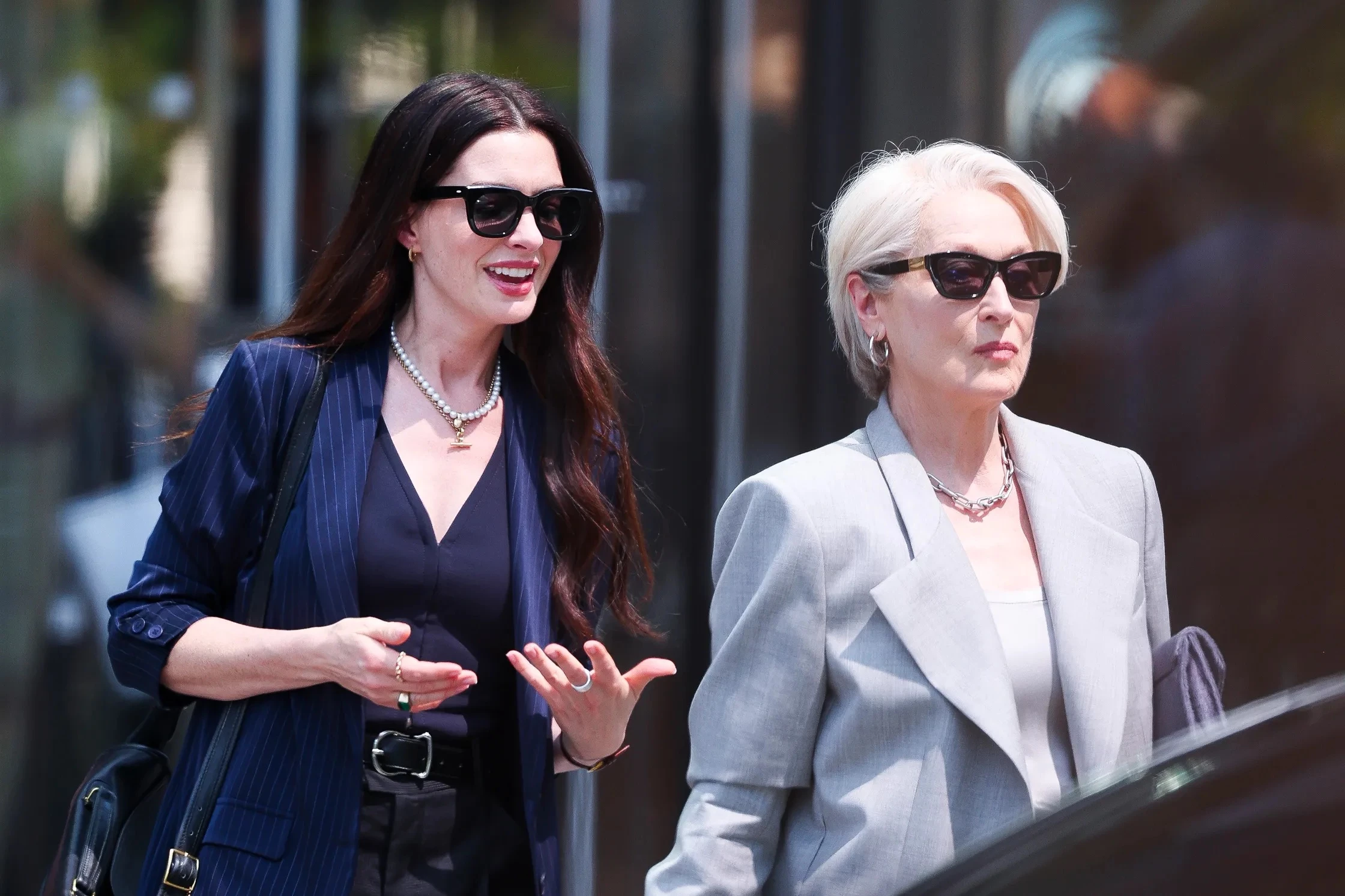
If you look at it globally, the first part of the film was a story of growing up, this one is about values and the power to take responsibility. The viewer sees Miranda as a heroine who leads a ship through a storm and is determined to find land. And she is also ready to involve all connections and contacts, but to preserve her life's work.
It is important that the second part of the film was worked on by the same team that worked on it 20 years ago. In my opinion, the attempt to maintain a delicate balance between satire and sincere admiration for fashion, which made the first film a cult, was successful. And if in 2006 brands were afraid to provide things for filming, so as not to offend anyone, now they are happy to take part in them, because “The Devil Wears Prada” has become a cultural phenomenon. The participation of Donatella Versace and Lady Gaga confirms that the fashion industry fully supported the sequel. As evidenced by the latest cover of American Vogue, on which Miranda Priestly poses next to Anna Wintour, who partly inspired the actress for this role.
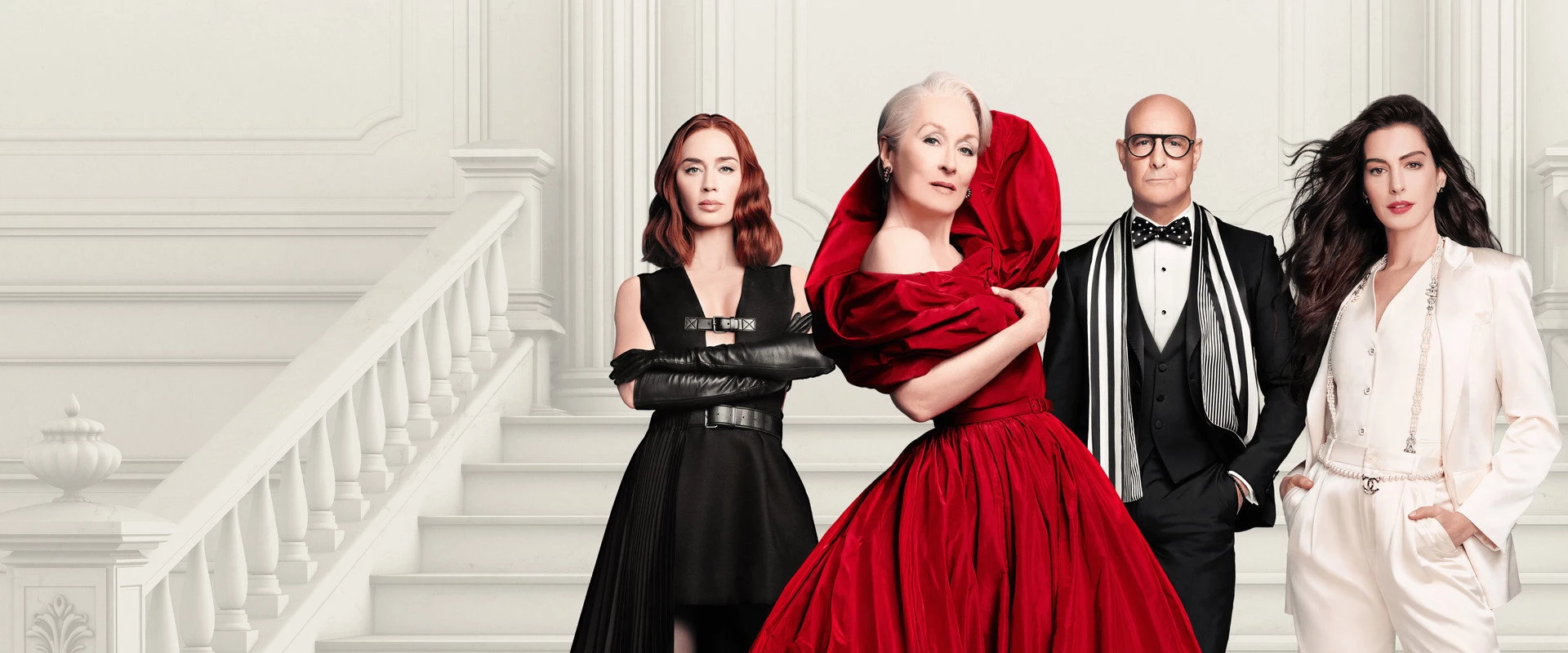
“The Devil Wears Prada 2” will definitely spark heated discussions on social media, but this hype confirms that despite all the difficulties, fashion remains as attractive as ever, and the chemistry between Meryl Streep, Anne Hathaway, and Emily Blunt is what millions will go to the movies for.