

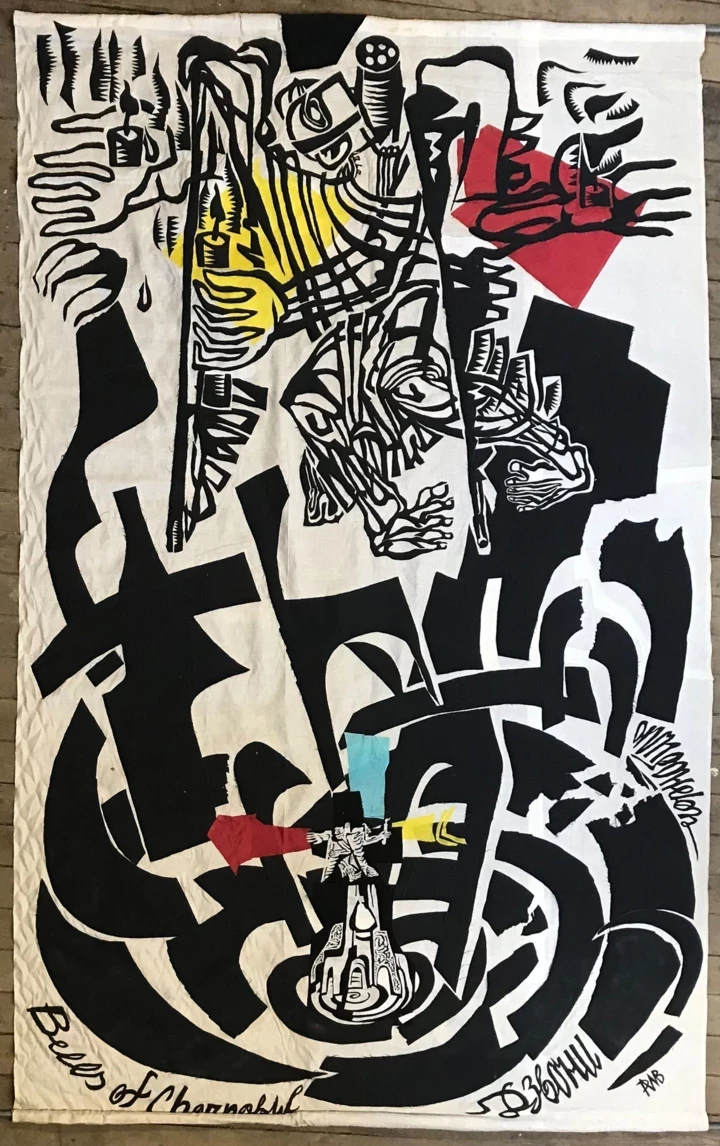
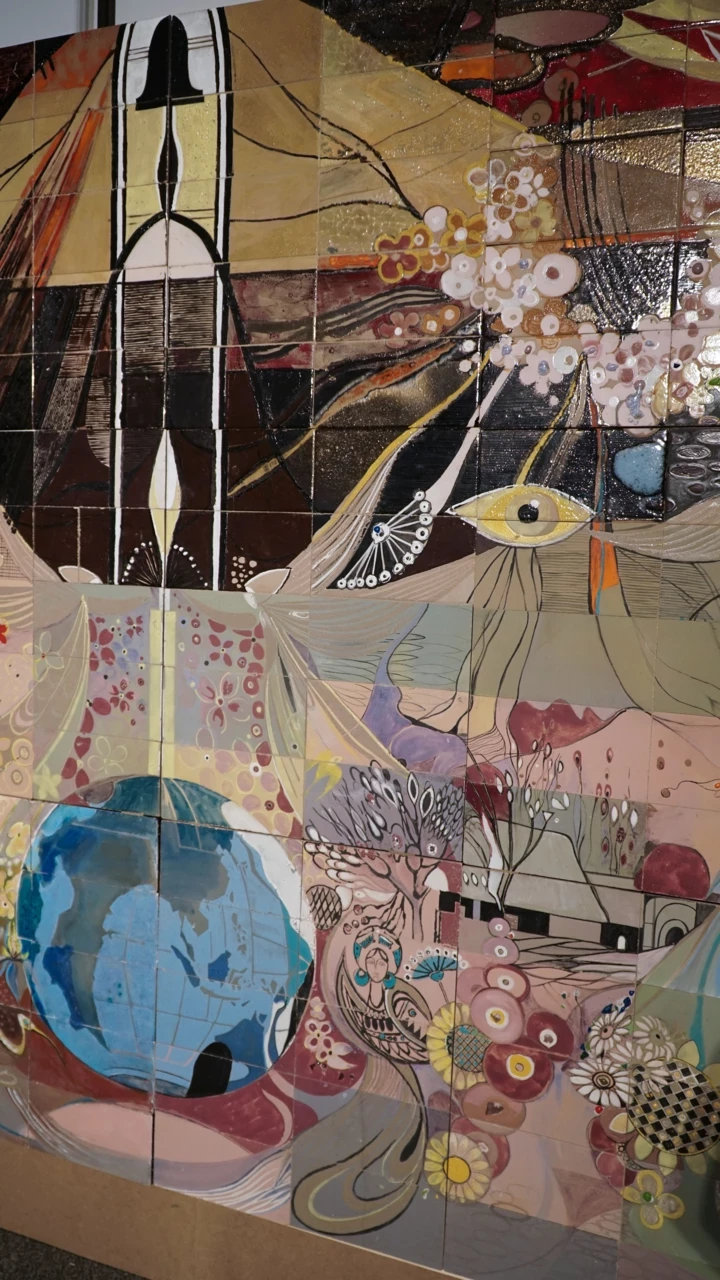
To mark the 40th anniversary of the Chernobyl disaster, a large-scale exhibition “Chernobyl. Shelter Object” opened at the Ukrainian House. The project tells about the culture of Polissya, the memory of the Chernobyl disaster, Chernobyl in the works of Ukrainian artists, and life in the Exclusion Zone today. We are publishing 10 poignant works from the exhibition.
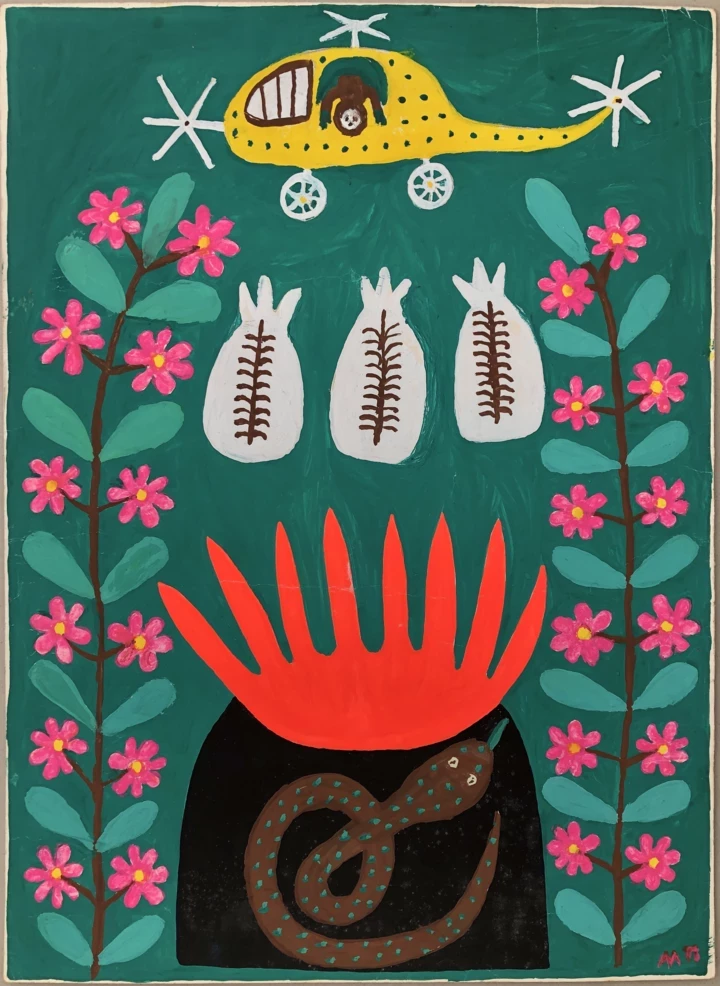
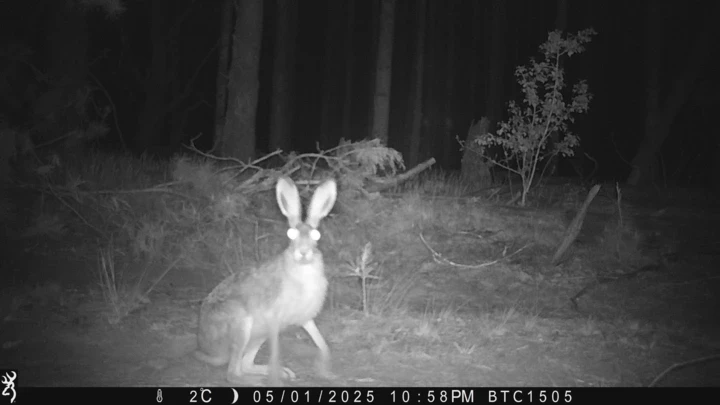
“The heroic feat of the liquidators, hundreds of thousands of people displaced from their homes, radioactive contamination – all this remains a living part of our cultural memory,” say the project's curators. “However, over the past forty years, Chernobyl has lived its own life: squatters have returned here, scientists have made new discoveries here, abandoned homes and cemeteries have regularly come to life during visits by evacuees, and the forests have been filled with wild animals.”
Advertising.
The exhibition, which was created by the curatorial group of Oleksiy Ananov, Tetyana Gauk, Alisa Grishanova, and Oksana Semenik, invites us to look at the topic of the Chernobyl disaster in a different way: first, to reflect on what the culture of Polissya is, how people in this region lived before the disaster, what traditions they had, and what great trauma those who were forcibly displaced after the accident in 1986 experienced. Second, to learn what the Exclusion Zone is like today: what scientific research is ongoing, what is happening to the nature and culture of the region.
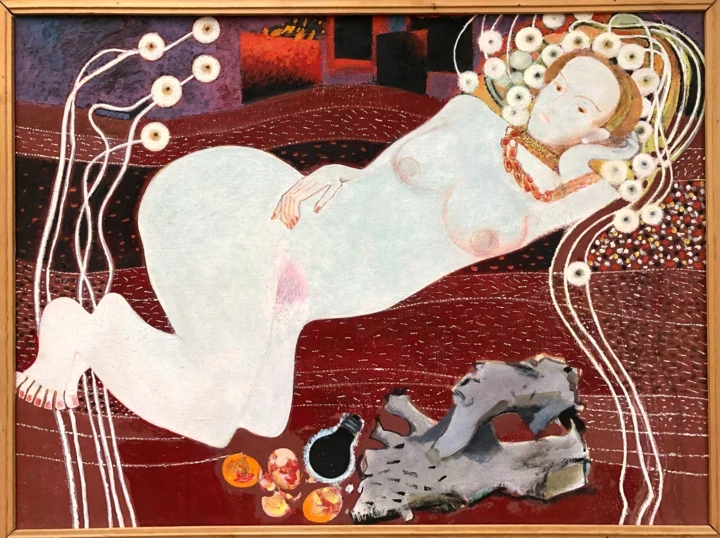
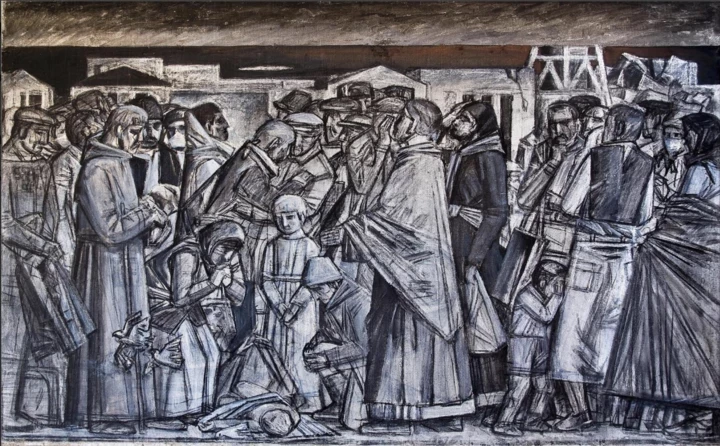
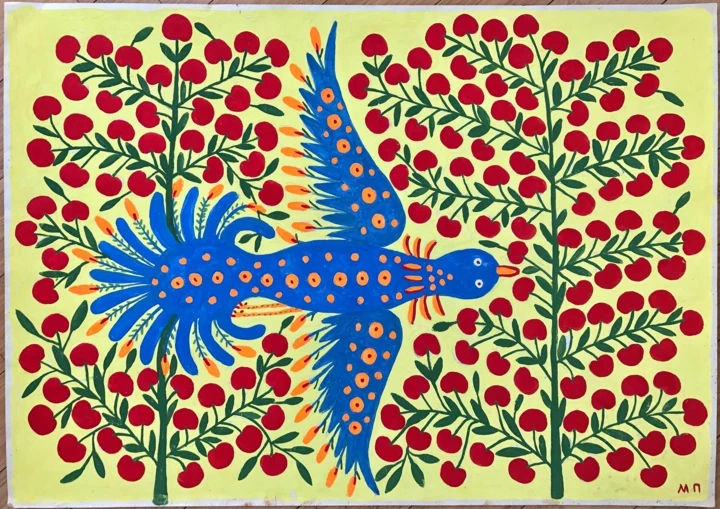
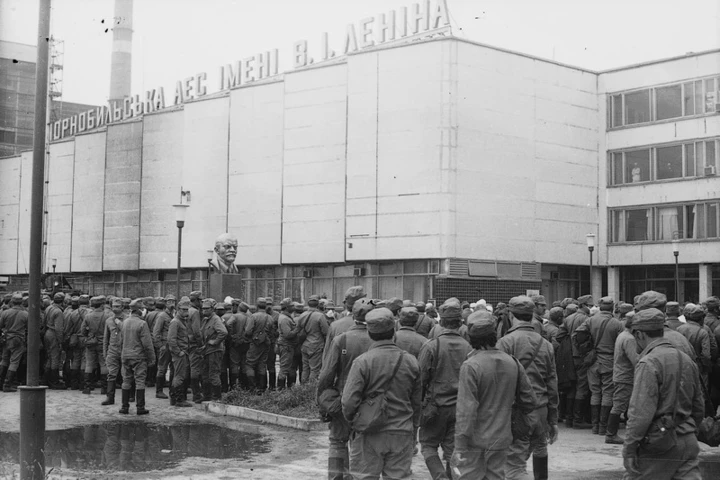
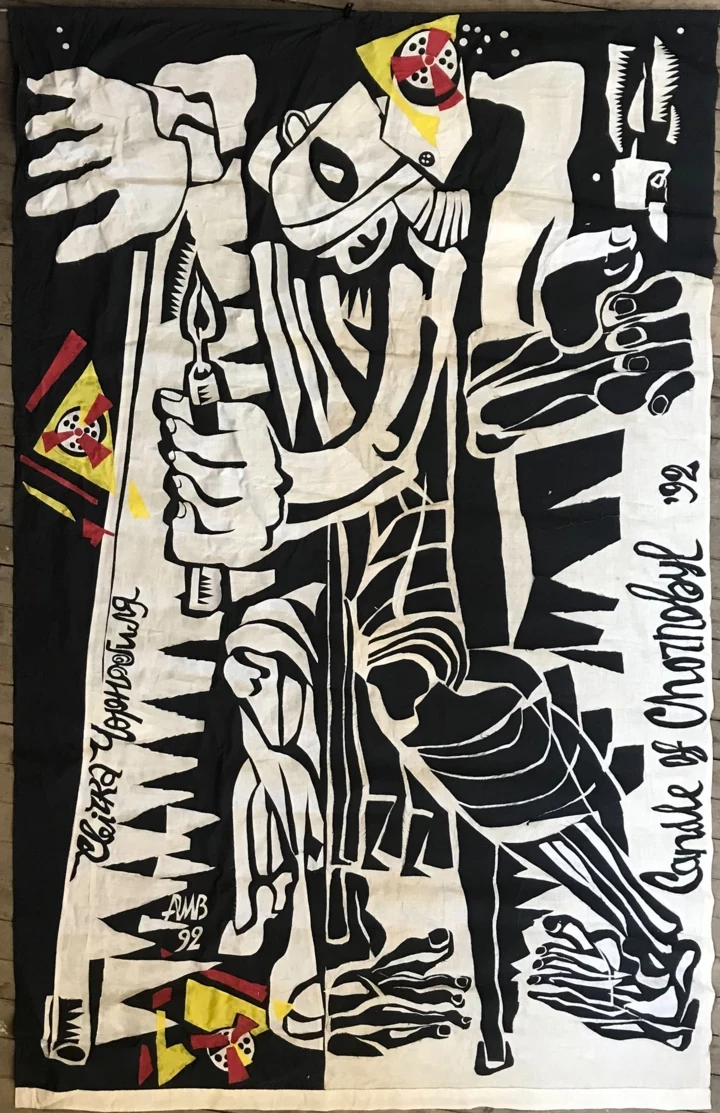
An important part of the exhibition is the artistic interpretation of the disaster. In particular, the exhibition features the Chernobyl series by Maria Prymachenko, works by Viktor Zaretsky, Ada Rybachuk and Volodymyr Melnichenko, Lyudmila Meshkova, documentary photographs by Viktor Marushchenko, works and photographs by liquidator artists Oleg Veklenko and Dmytro Nagurny. Artists and photographers came to the Zone constantly to create portraits of the liquidators and “support morale.” Artists worked in Pripyat, Chornobyl, the village of Kopachi, Stary and Novy Shepelychy, Tovstoy Lis, and at the Chernobyl NPP itself. Some works remained in the Zone forever, because they were too dirty from radiation.
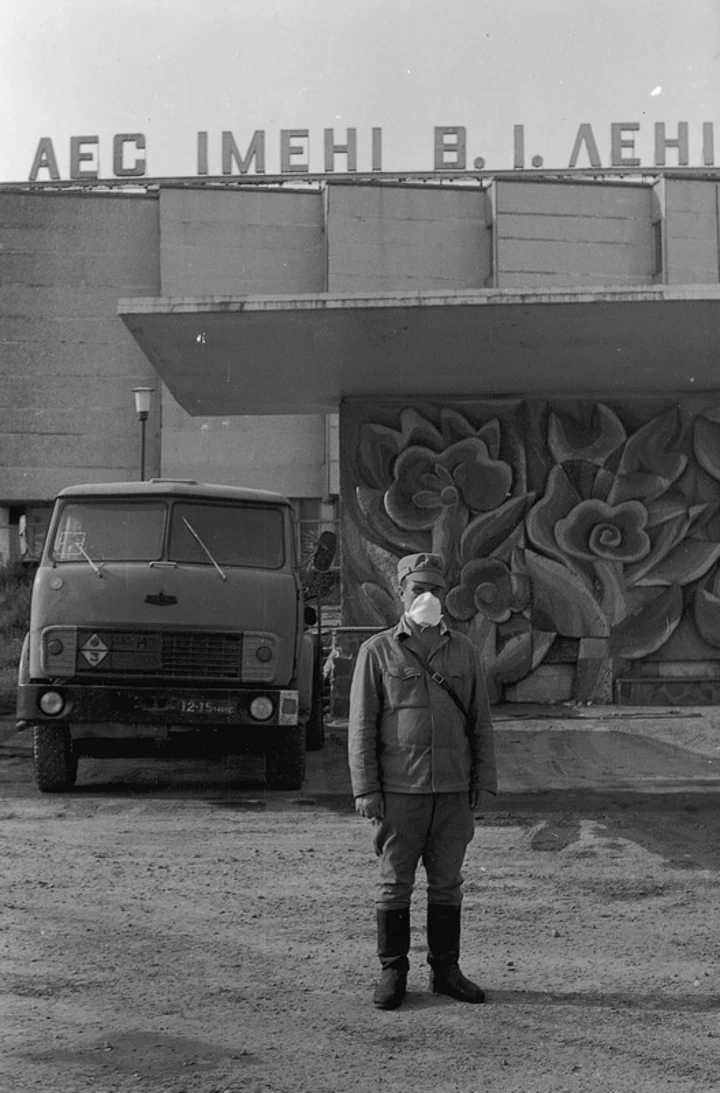
“Chernobyl is a story of people and landscape influencing each other,” says exhibition co-curator Oksana Semenik, the daughter of a resident of one of the villages near the Chernobyl NPP who was relocated after the accident. “For some people, Chernobyl is a past that cannot be forgotten. For others, it is a part of modern life. For some, it is a reality, for others, it is a myth. It is both a lost and found home. This is a unique experience that no country would want to have, but we have been living with it and coping with it for forty years.
The exhibition “Chernobyl. Shelter Object” will run at the Ukrainian House until June 7