

Vogue writer Olivia Petter explains how the movie “The Promised Neverland” has influenced a generation of millennials and changed their attitudes about dating, relationships, and male indifference. This article explores why the phrase “if he likes you, you'll know” still defines modern dating, how “The Promised Neverland” relates to “Sex and the City,” and why the romantic comedy remains important for discussions about love, rejection, emotional unavailability, and women's experiences in relationships.
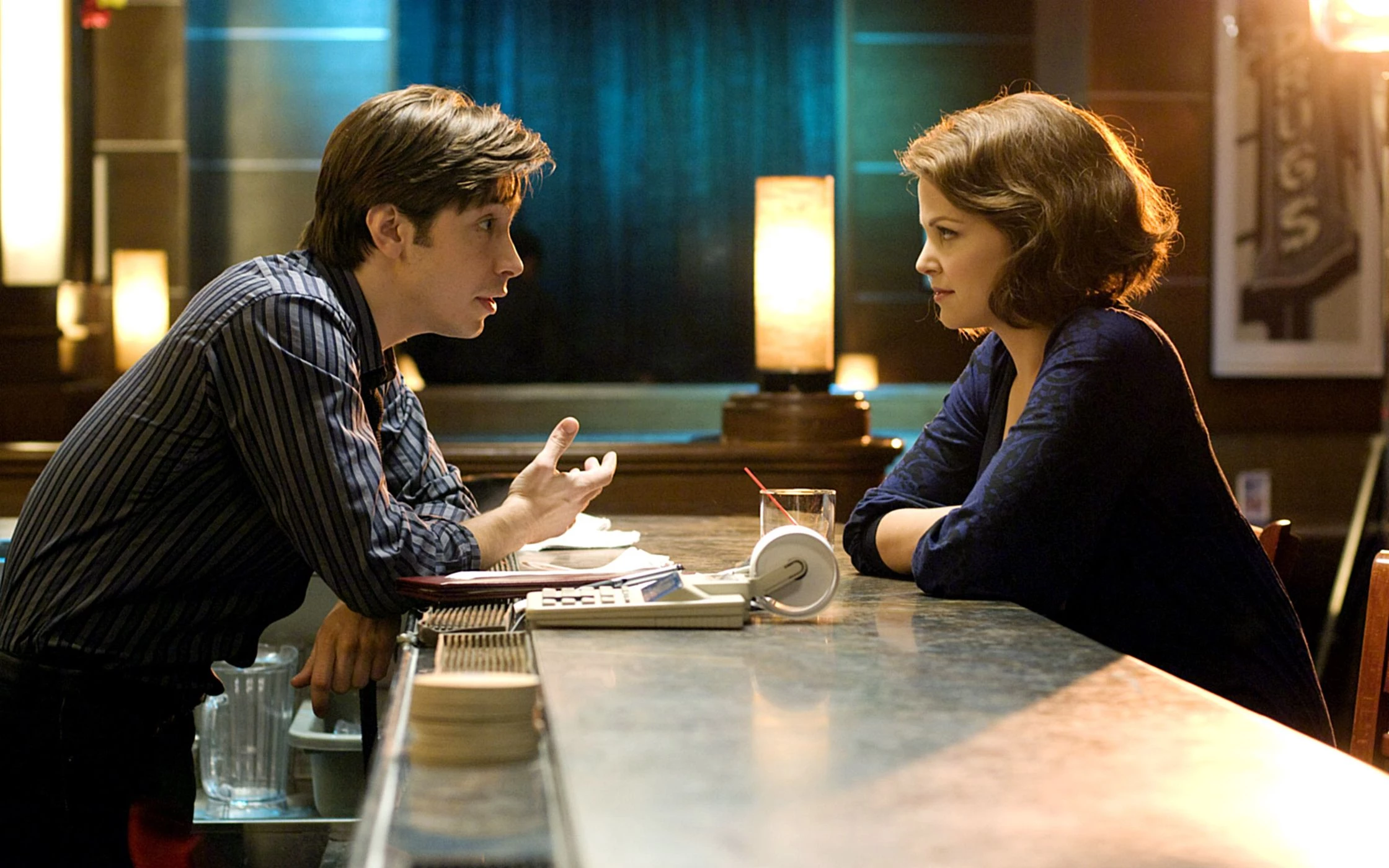 A still from the film “To promise is not to get married yet”, 2009
“If he likes you, you'll know it.” No piece of relationship advice has shattered the illusions of straight single women so quickly. I often think of this phrase and repeat it to my friends whenever they're feeling down about men they met on Hinge or situational relationships that have gone sour. The idea is so pervasive, and its variations go viral on social media so often, that I've forgotten where I got it from. Until I watched “Promise, Not Marriage,” the cult 2009 romantic comedy that has influenced the love lives of millennial women everywhere, including mine.
Advertising.
To understand this film, you first need to go back to the single woman's holy book, Sex and the City. In season six, one of Carrie Bradshaw's most hated boyfriends, Jack Berger, shares his vision after a date with a distraught Miranda, who can't understand why the man she just went on a date with doesn't want to come over to her house. “He just doesn't like you that much,” Berger says dryly. “When a man is really interested, he'll come over to your house.”
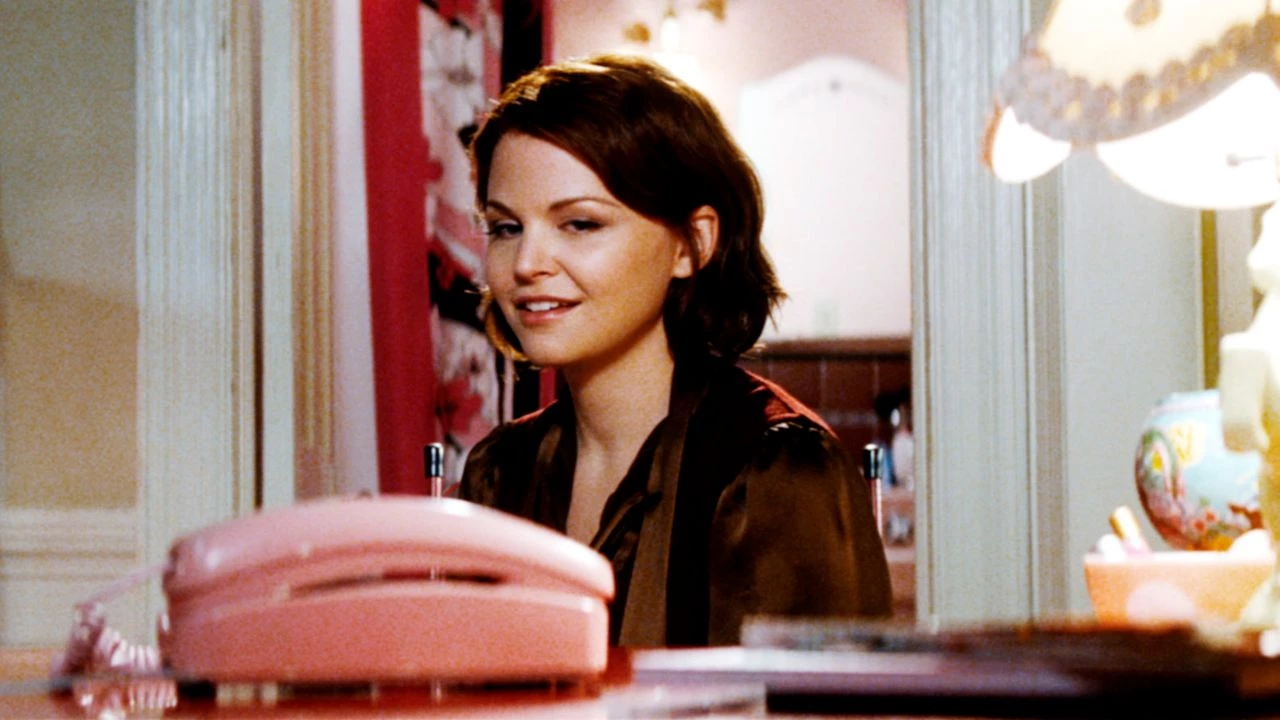 A still from the film “To promise is not to get married yet”, 2009
The resonance of this scene from Sex and the City was so powerful that it inspired a best-selling self-help book written by showrunners Greg Berendt and Liz Tuccillo, which was later made into a film. The film follows people in their twenties and thirties as they navigate the tangled world of romantic relationships and find love in all sorts of different places. Through interwoven storylines, the film explores common relationship issues, from fear of commitment and emotional unavailability to misinterpreted signals and betrayal.
Now, nearly two decades later, we still cling to the core message of this film. It's a simple idea, but it's one that has caused a collective shift in our thinking and debunked a whole host of lies we tell ourselves to avoid the brutal but obvious truth. Because a man who can barely make time for you isn't really that busy. He's not just still not over his ex. He's not moving to Yemen. And he's not even “just too busy right now.” He just doesn't like you enough to want to make time for you. That's it.
Of course, the only reason this particular relationship advice hasn't lost much of its popularity since 2009 (although we hear a different version of it more often these days – “if he wanted to, he would”) is that deciding to move on is much better than sitting around waiting for your man to finally start communicating properly, which may never happen. This isn't universally true, and it doesn't always apply to men who are open about their feelings. But this approach has certainly saved a lot of time.
Nicola, 32, first saw the film as a teenager, and it changed her perspective on dating. “By the end of the week I had broken up with a guy who had been bugging me for over a year; it suddenly dawned on me that nothing was going to change because he just wasn't that interested in me,” she recalls. “Since then, I've been taking the easy way out and building meaningful relationships with men who can communicate.”
The mood and state of the film's main character, Gigi, is completely dependent on whether her man calls her back. It gets to the point where she stares at an open phone during yoga classes, keeps her eyes on her landline phone, nervously tapping her foot, and eventually even tries to arrange a chance meeting at a local bar. She doesn't just want male approval. She needs it to breathe.
That is until she meets Alex, a self-proclaimed fagboy, who rather sternly tells her to stop sitting by her phone and move on if men are clearly not interested in her. It’s simple advice that my friends and I have tried to follow ever since—because we know we are worth more than silence and uncertainty.
Despite its enormous impact, some parts of the film have really aged poorly, relying on misogynistic stereotypes. Rewatching it at 31, I found myself wincing at the archaic depiction of women as two-dimensional caricatures obsessed with marriage and children. And in one scene, a woman advocates the idea of calling her husband every 15 minutes until he answers, then assures us that she's not a “psycho.”
And yet it's a cult romantic comedy. And while it has its fair share of tired tropes, the film's key messages still ring true, as do many of the ones that were embedded in its source material, Sex and the City. Women don't have to chase men who aren't interested in them, and they don't have to put up with miscommunication or be stuck in marriages with liars, even if those liars happen to look like Bradley Cooper.
At the same time, many single women today don't sit around waiting for men to call them. We put our own needs first, move on quickly from rejection, and say no to others respectfully. Some women don't date at all, choosing instead to be single. Maybe men just aren't that interested in us—or maybe we're not that interested in them. And that's the key discovery.
Based on material from vogue.com