

In 1992, Marc Jacobs presented the first grunge collection for Perry Ellis in New York. It was dubbed rags, indicating the approaching end of fashion. But Marc Jacobs was remembered: he behaved in a risky, creative way – and later it turned out that he was right. On the occasion of the designer's birthday, who turns 63 on April 9, we tell you how it was.
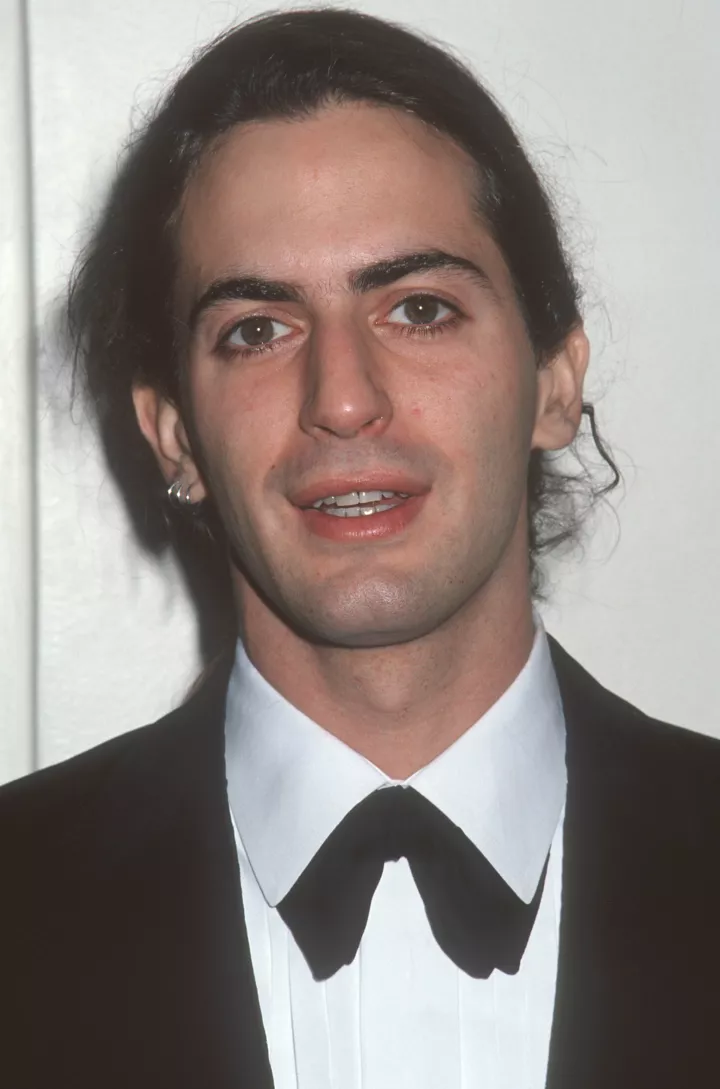 Marc Jacobs, early 1990s
Marc Jacobs, then creative director of the American brand Perry Ellis, shocked the fashion world with his Grunge spring-summer 1993 collection. It seemed that it did not contain a single new thing: everything was old, simple and similar to the assortment of flea markets. Within four months, the designer was fired for “earthiness”. In fact, this move called into question one of the main stereotypes of the time: that fashion must necessarily be sophisticated. Jacobs brought his collection from the street, forced simple things to be stylish, and others to accept it.
Advertising. 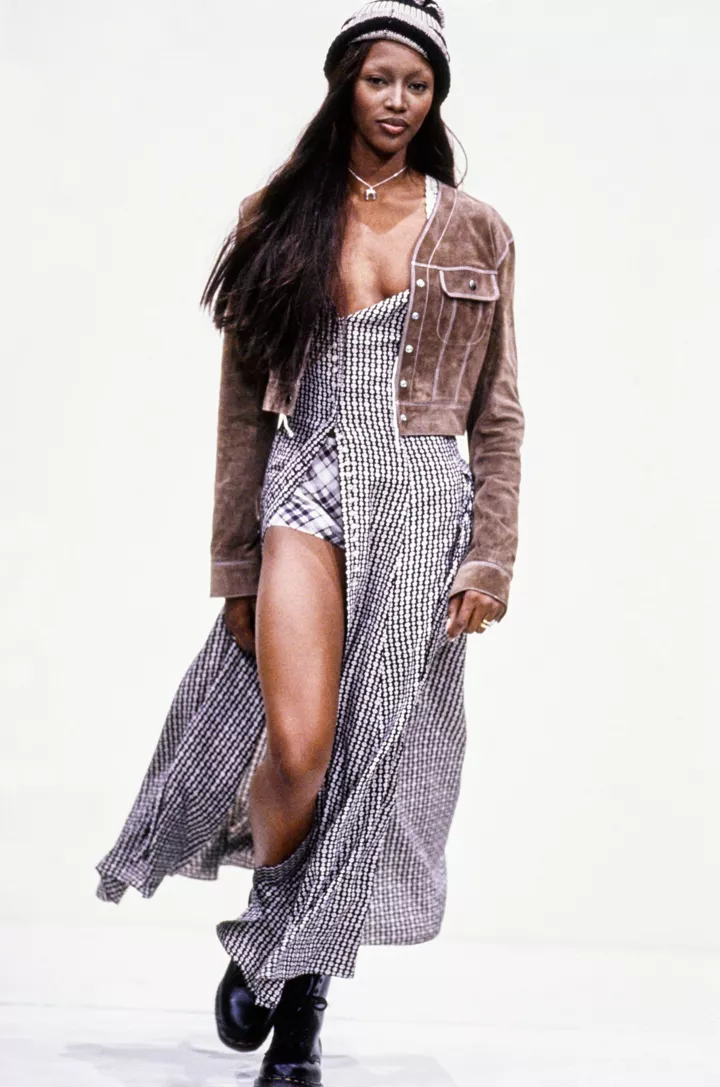 Perry Ellis spring-summer 1993
Reaction
Although Gen X was delighted, the fashion world and press did not accept the collection. Katie Gorin wrote at the time: “Grunge is anathema to fashion, and for a major Seventh Avenue fashion house to produce such collections at this price point is simply ridiculous” (she recanted her condemnation in 2015). Susie Menkes handed out Grunge is Ghastly pins at Milan Fashion Week in 1993. The press also wrote that the collection was secondary, because it was more about styling than creating something new, and criticized Jacobs for directly quoting and using the appearance of an entire subculture.
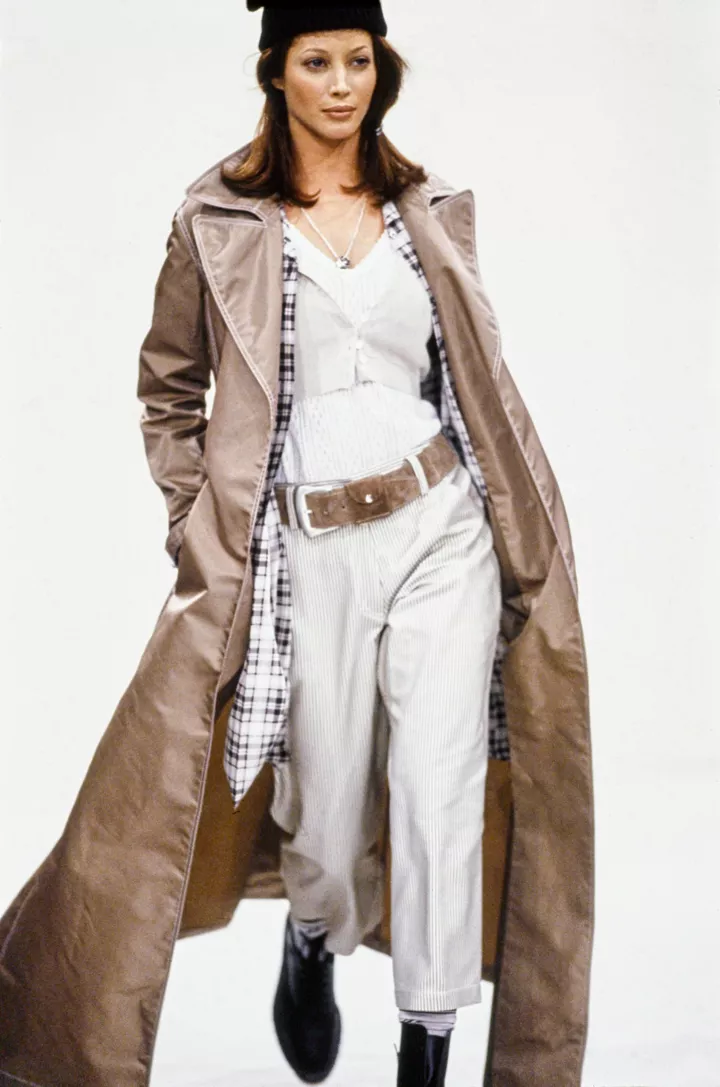 Perry Ellis spring-summer 1993
 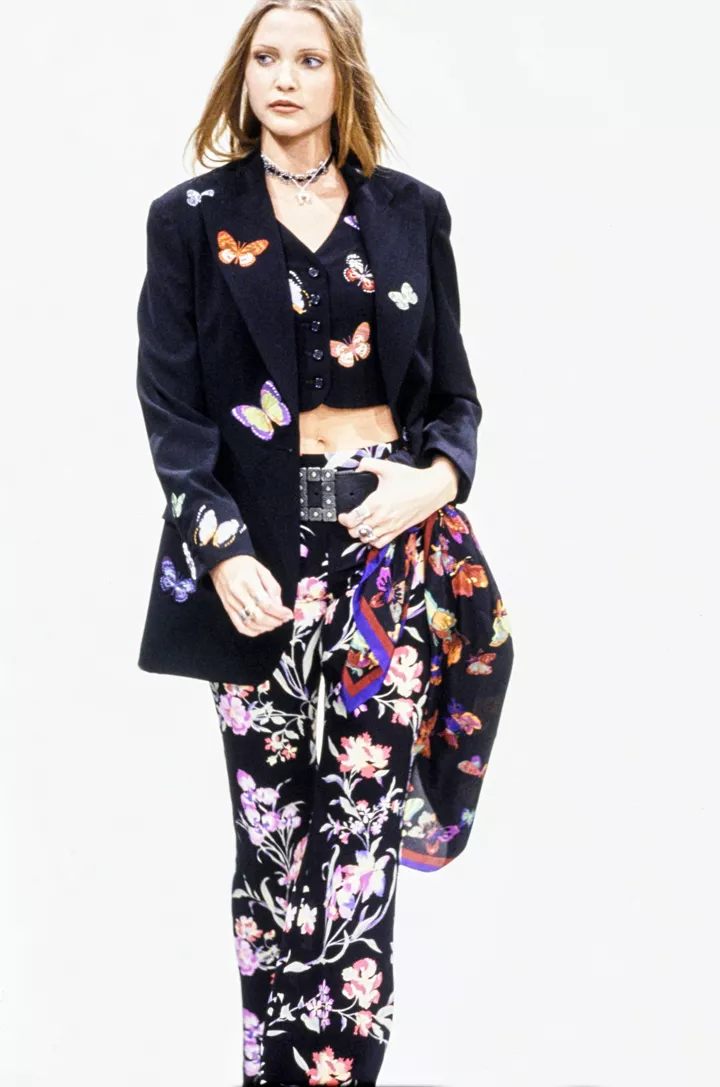 Perry Ellis spring-summer 1993
 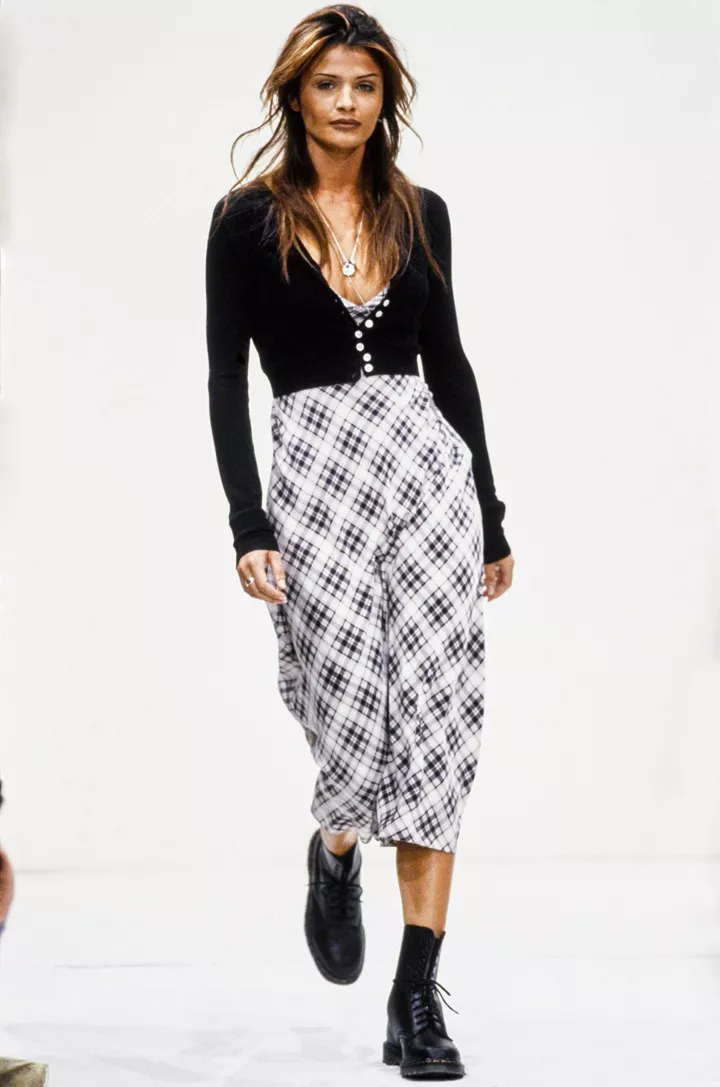 Perry Ellis spring-summer 1993
There was, however, one Jacobs fan in the fray: Grace Coddington. She recognized the collection's cultural significance and styled it for Steven Meisel's “Grunge and Glory” shoot for American Vogue in 1992, featuring Kristen McMenamy and Naomi Campbell.
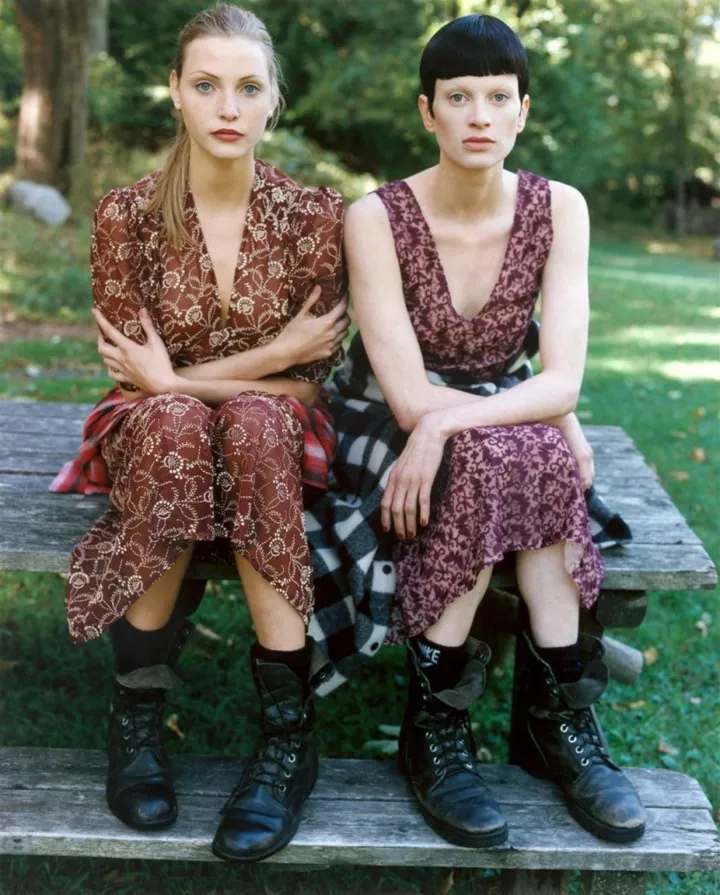 Grunge and Glory, American Vogue, 1992
What did the collection consist of?

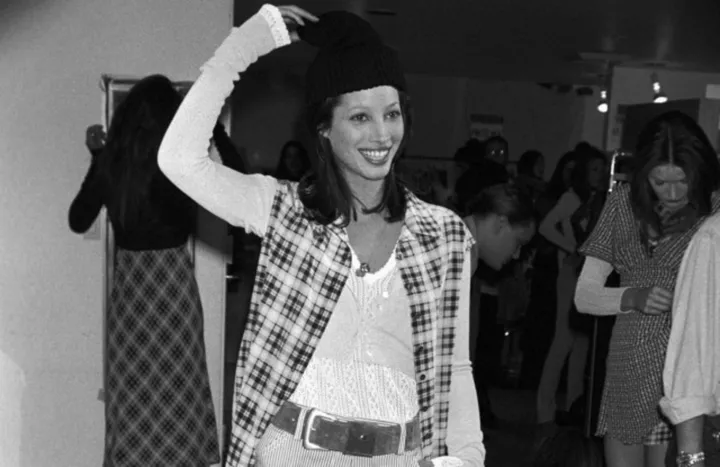
The Grunge spring-summer 1993 collection itself was dominated by a checkered print. The designer also decorated the outfits with other patterns: floral, striped, and various polka dots. Jacobs used them to color various elements of clothing: from midi-length skirts and shorts to shirts with sleeves of different lengths, scarves, and bodices. Another feature of the collection was that the designer transferred the characters of American cartoons of that time to chiffon shirts. The designer complemented the looks with Converse sneakers and Dr. Martens boots, and such a combination of rough shoes with outfits on the catwalk became a “comfortable” novelty, for which fashionistas are still grateful.
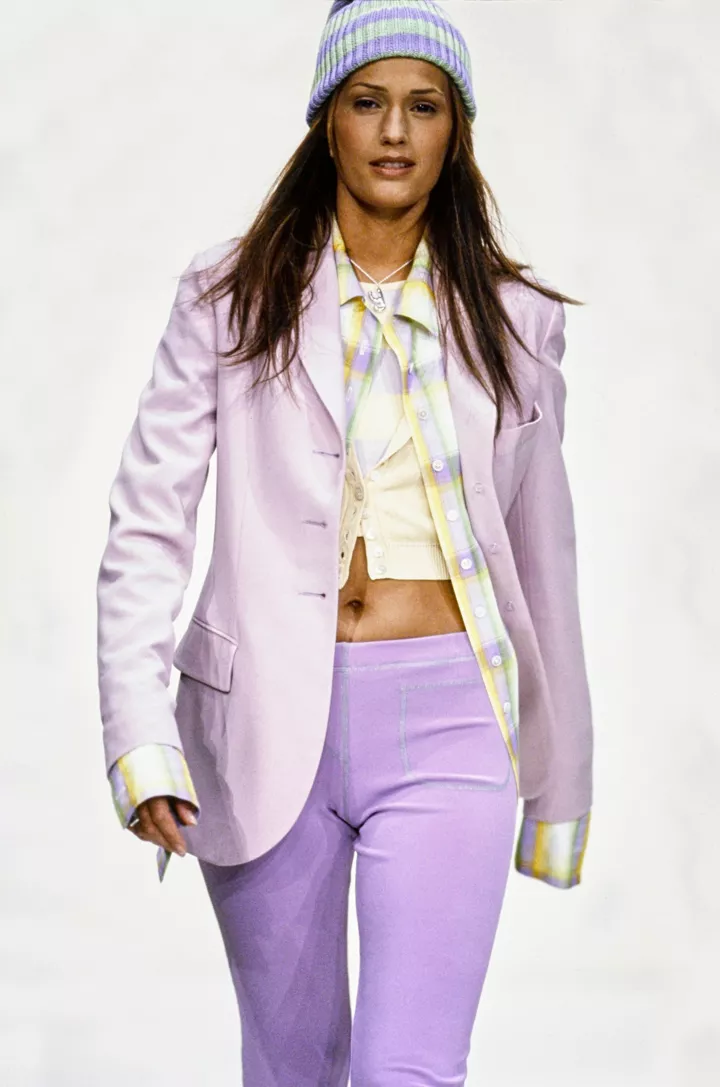 Perry Ellis spring-summer 1993
 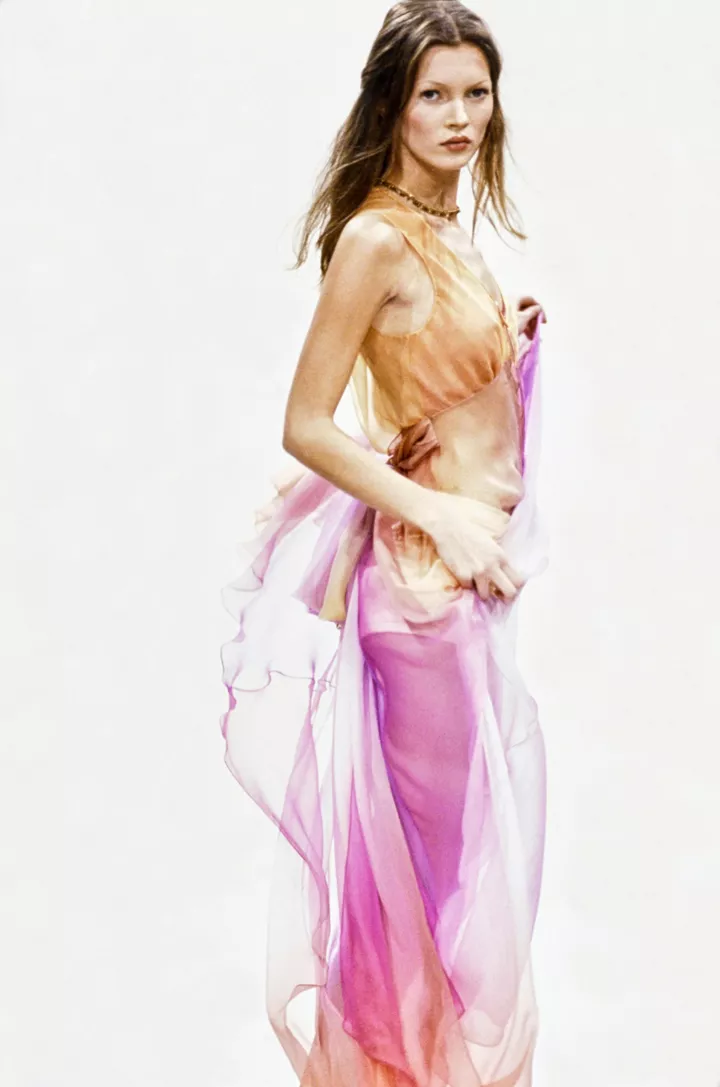 Perry Ellis spring-summer 19 93
 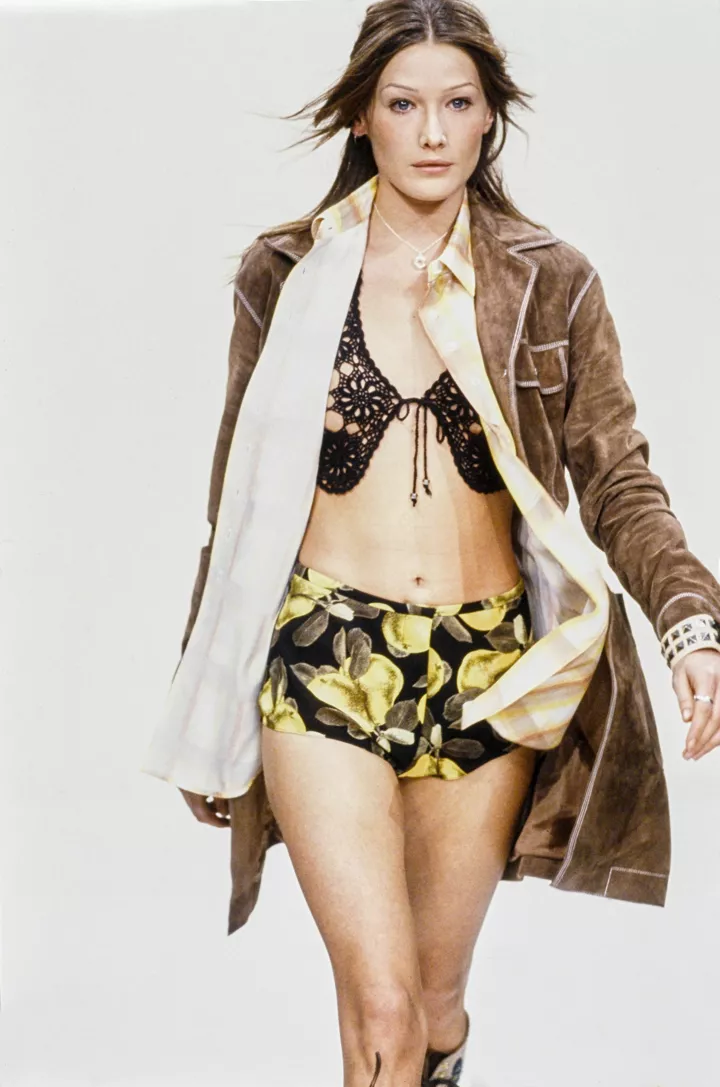 Perry Ellis spring-summer 1993
Jacobs's aesthetic was inspired by the flea markets of New York's East Village and the grunge music that was then raging in the Pacific Northwest: Sonic Youth, Pearl Jam, and the most prominent representative of the era, Nirvana, especially the song Smells Like Teen Spirit.
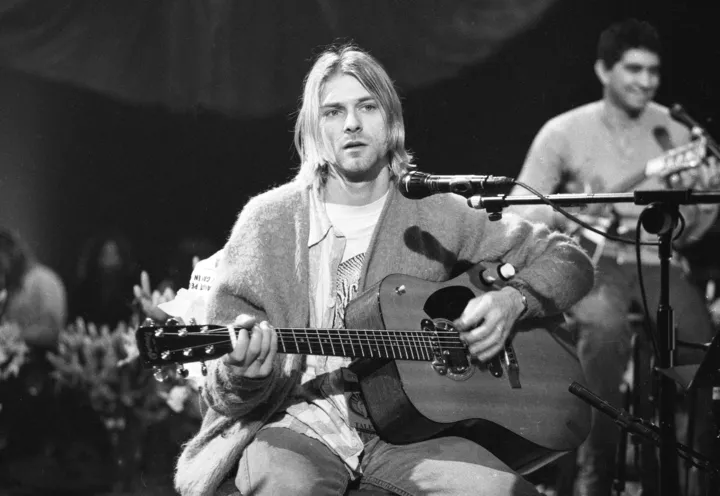 Kurt Cobain, leader of Nirvana
Property
Jacobs himself created this collection to show a more realistic and authentic perspective on fashion at the time. With it, he demonstrated the powerful influence of music on fashion, elevated street style to the level of fashion, and himself influenced it further. In a 1993 interview with the New York Times, he explained: “I wanted them (people. – Ed. note) to have this unintentionally elegant look that they have when they walk down the street.” 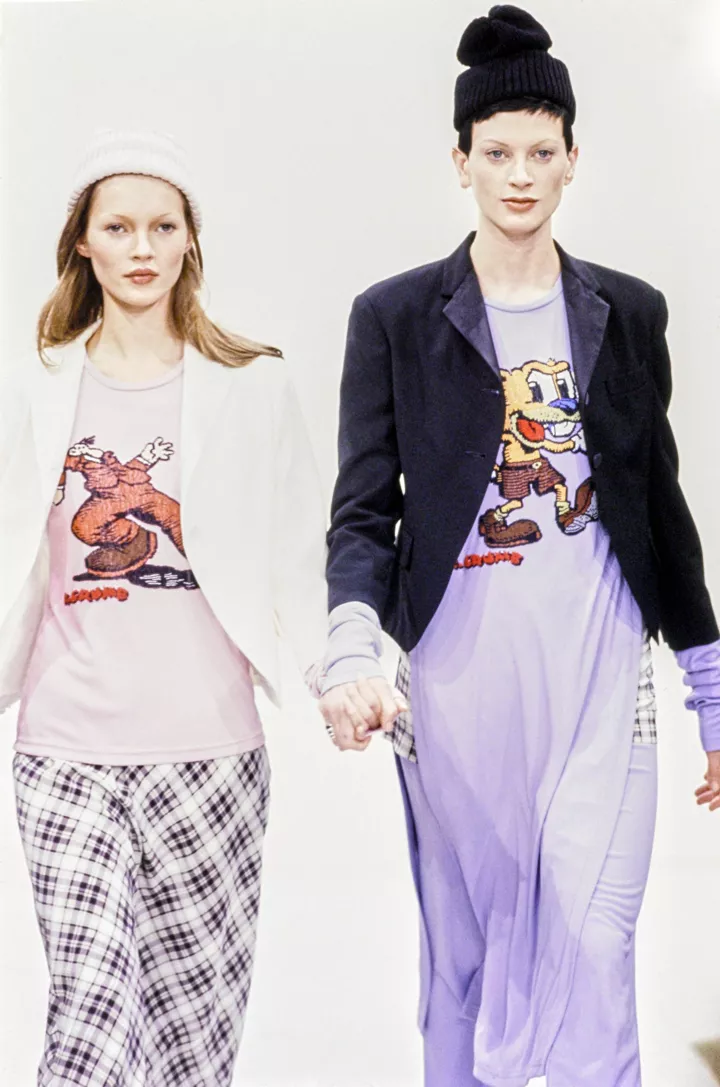 Perry Ellis spring-summer 1993
Jacobs also became a barrier-breaker, pushing the boundaries between high fashion and low fashion. Over the next decade, the mix became known as “Prada/Primark,” and the fashion world embraced an eclectic mix of different aspects of the fashion pyramid. Designers continue to do so today.
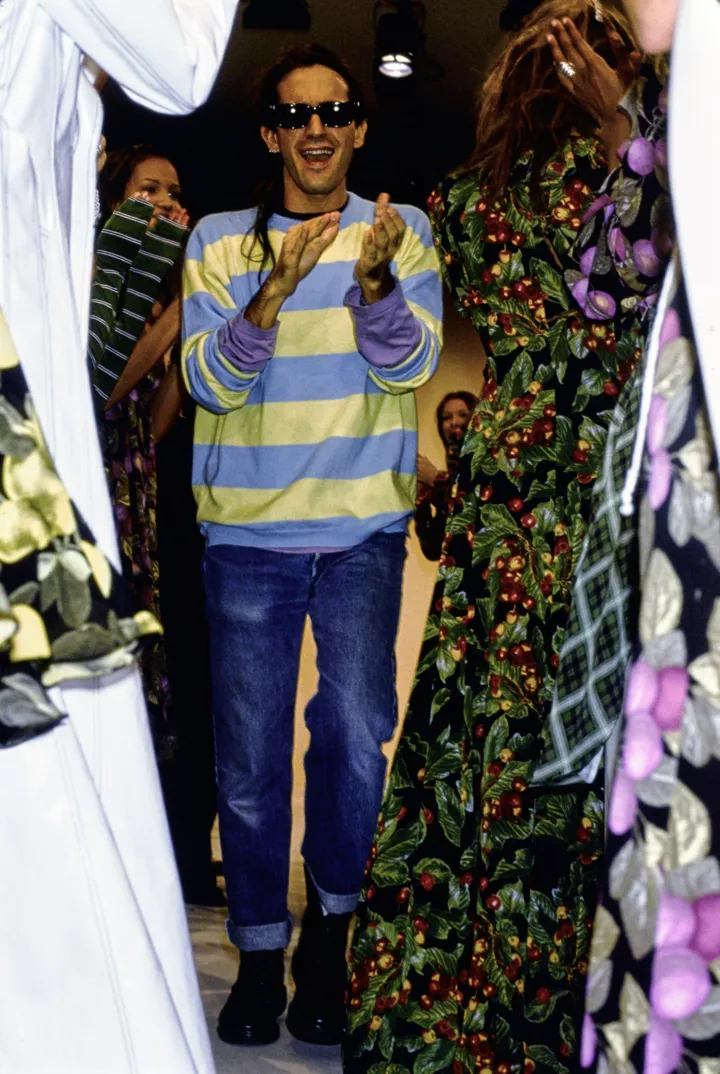 Marc Jacobs at the Perry Ellis Spring/Summer 1993 show finale