
On April 7, the outstanding perfumer Jean-Claude Ellena, a legend in the world of fragrances, celebrates his birthday. He turns 79. We tell you what you need to know about one of the main creators of modern times.
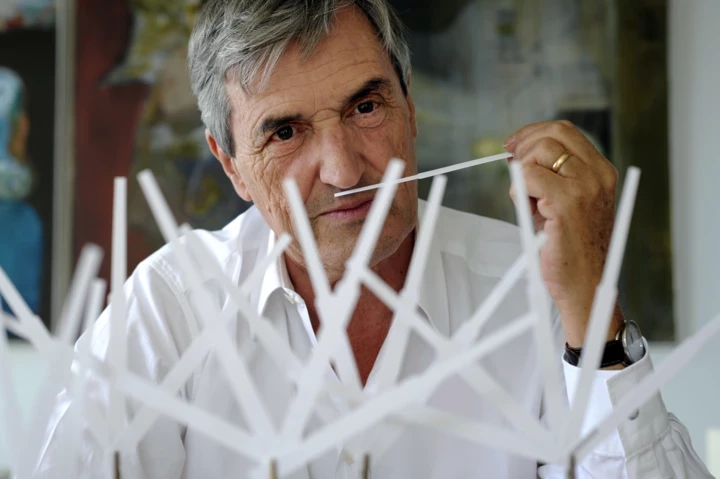
Who is Jean-Claude Ellena?
The name of Jean-Claude Ellen is spoken with special respect in the perfume world. He is one of the most intelligent artists, whose talent has given him fame and creative freedom. In 1990, he became one of the founders of the perfume library-archive Osmothèque in Versailles.
Founder of a new type of niche perfumery
Jean-Claude managed to combine great commercial success at Hermès with complete independence in his own brand: in 2000, together with designer Thierry de Bashmakoff, he founded The Different Company. It was one of the first brands to elevate perfumery to the level of high art. It was at TDC that Jean-Claude honed his signature style – concise, transparent, devoid of “olfactory noise”.
TDC, one of the first to introduce the concept of refillable bottles, is represented in Kyiv's parfum büro and Brocard. The fragrance Love is coming… Chapter II The Different Company celebrates the fashionable theme of vegetable fragrances, which Ellena himself launched in 1976, and which is currently experiencing a renaissance.

In 2019, Ellena took over as head of fragrance creation at Le Couvent Maison de Parfum, where he launched the Haute Parfumerie collection, which includes fragrances created from noble and rare natural materials.
He continues to work as a perfumer for brands. His latest creation, Delphes for the American luxury home and art brand L'Objet, reveals the beauty of Mediterranean olive oil.
Style: minimalism instead of excess
“I am convinced that fragrances should have form, character, be generous, sensual, awaken the imagination and have an effect of surprise. It is impossible to reduce them to the level of a commodity,” said Ellena.
He has a wonderful sense of humor and a hedonistic approach to life. This inevitably leaves its mark on his works: they are always luxurious, but very intelligent. They are never vulgar, rude or too loud. If we draw parallels with artistic techniques, these are not monumental paintings, but delicate watercolors that require a certain intellectual level and experience from the user.
The driving forces behind his work are emotion, curiosity and pleasure. “Pleasure is selfish. Luxury is something to be shared. The goal of perfumery, like any other art form, is to create objects that awaken sensual pleasure,” he says.
Advertising.
Ellen's years at Hermès
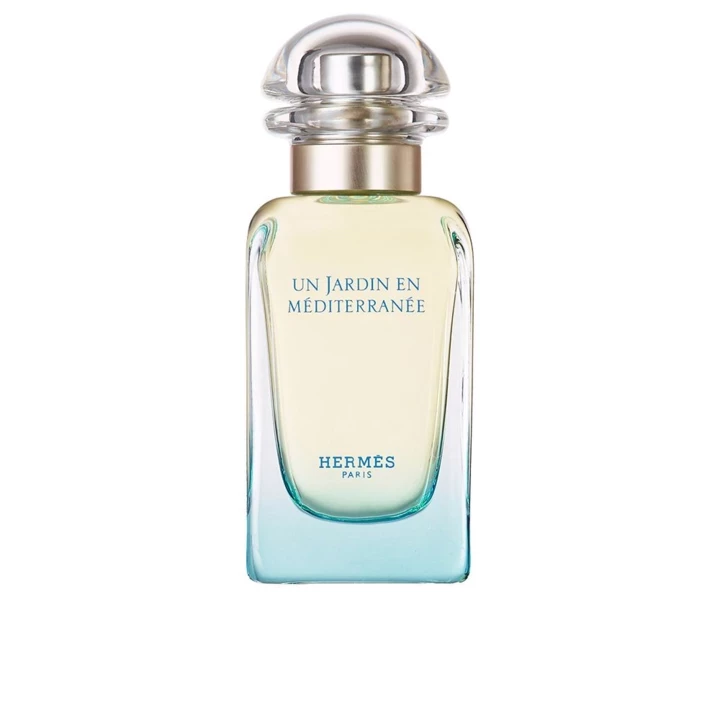
In 2003, he created his first fragrance for Hermès, Un Jardin en Méditerranée. This was the beginning of the garden fragrance collection and his collaboration with the House: in 2004, he was invited to the position of Chief Perfumer of Hermès, where he worked from June 2004 to December 2015.
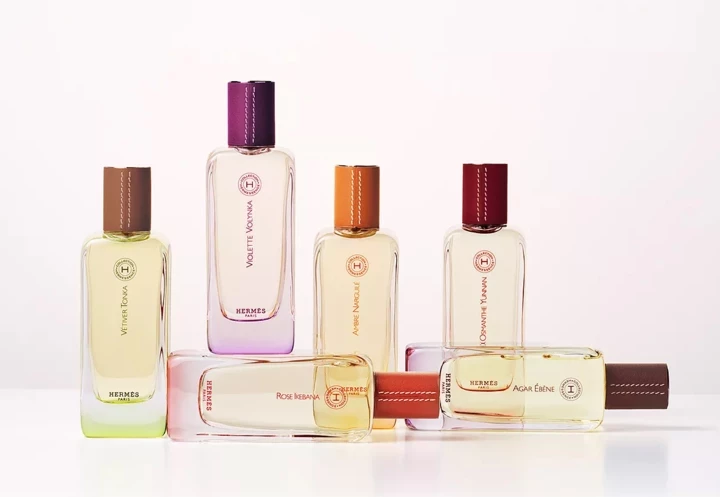
A great minimalist perfumer and a House with a century of history were a happy union. It was Ellena who created the famous Hermessence collection, exclusively available in Hermès boutiques.
Jean-Claude himself says that at Hermès he was allowed to fulfill a fantastic dream – to passionately devote himself to the craft, combining creative discipline and complete freedom of expression.
Books and new work 2026
Now Ellena is able to devote more time to personal projects and creativity – painting, which he has been doing for his own pleasure for a long time, and literature.
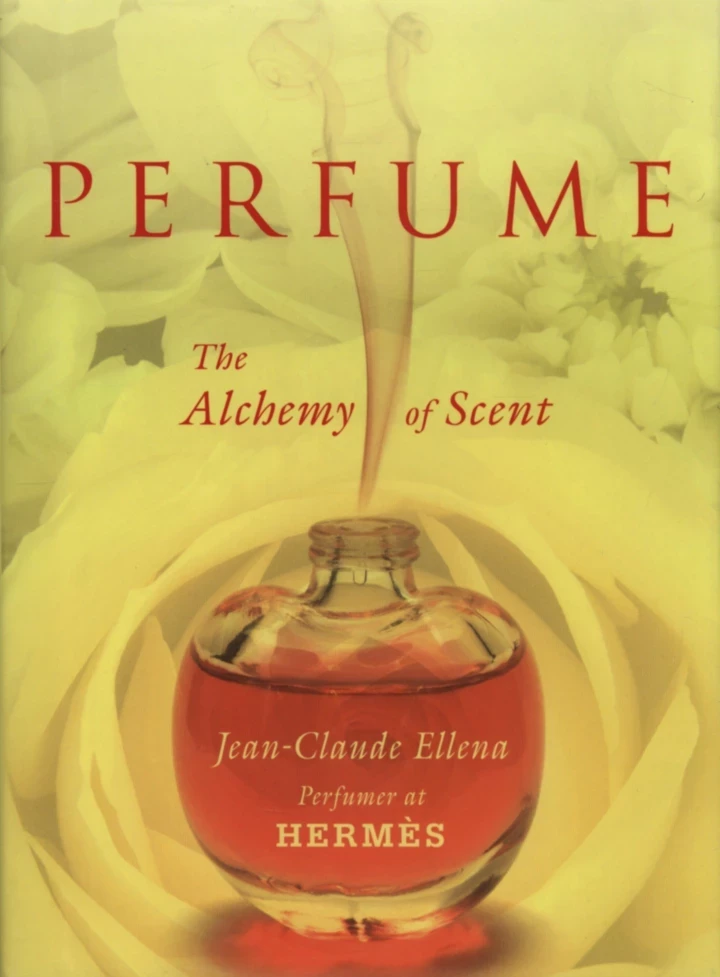
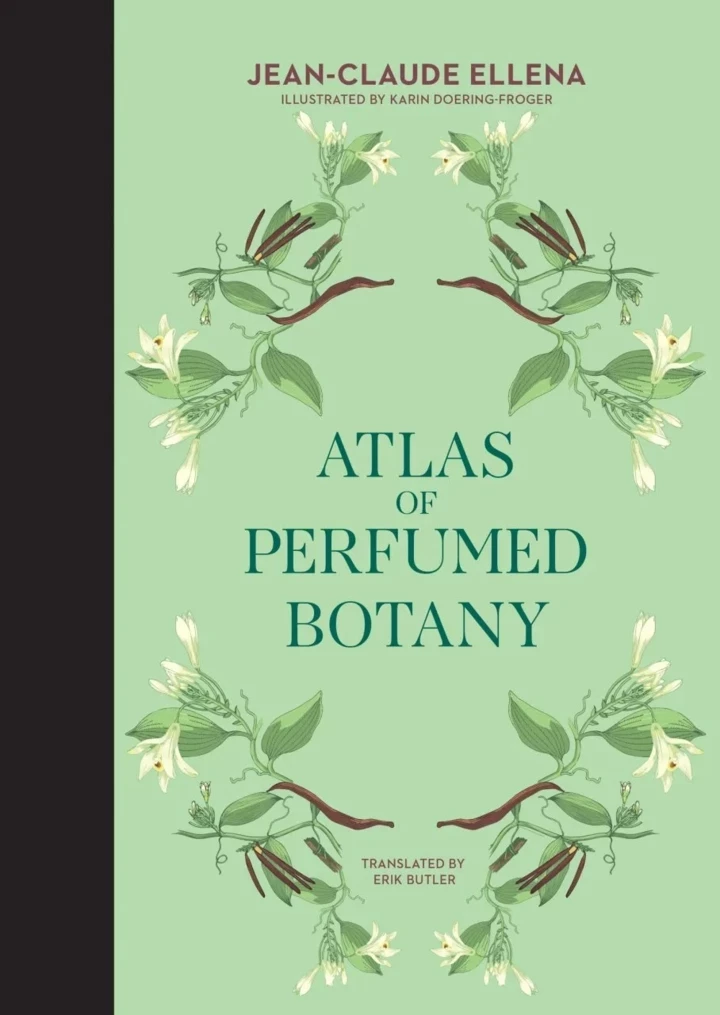
He is the author of “Diary of a Nose: A Year in the Life of a Perfumer”, “Perfume: History of a Scent”, and “Atlas of Perfumed Botany”, which was published in 2022.
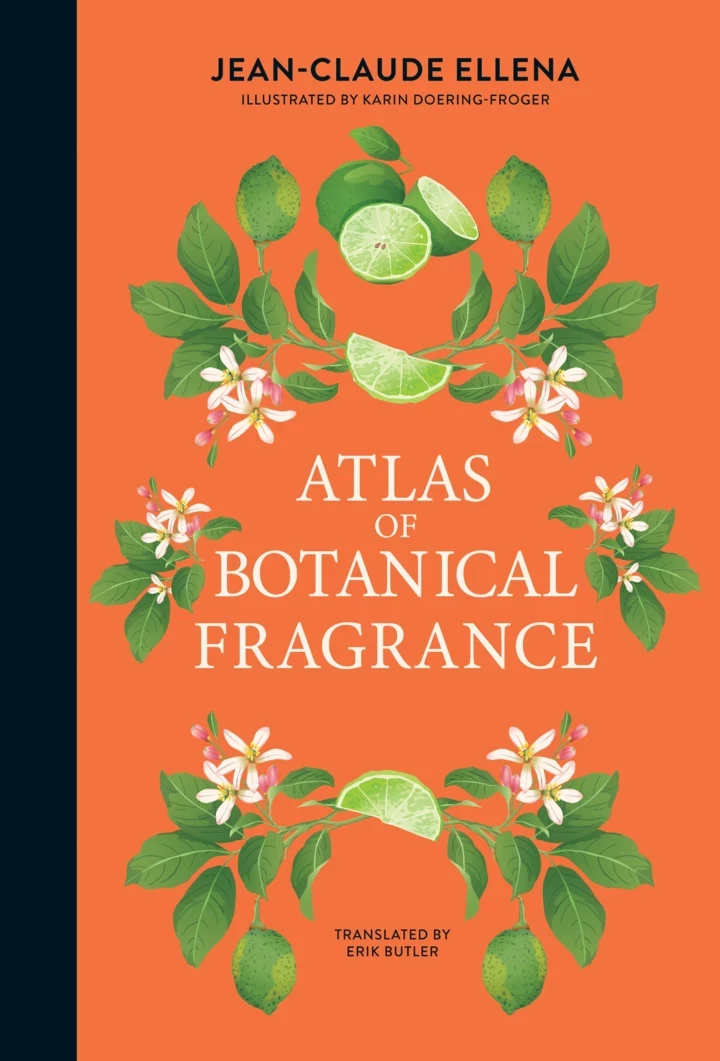
The perfumer's latest book was just published, on March 31, 2026. Atlas of Botanical Fragrance is a sequel to the book “Atlas of Perfumed Botany”, which was published in 2022. Ellena delves into the research – from heavy, almost sacred woods like rosewood and sandalwood – to the ephemeral, volatile aromas of mint and rosemary. The author describes oud as a “scar on the body of a tree” that smells of rebirth. And rosemary in his interpretation becomes a vertical that permeates the composition with its freshness. The section on resins is a separate pleasure. Jean-Claude explains how frankincense and myrrh become a connecting link between earth and sky
Perfume dynasty
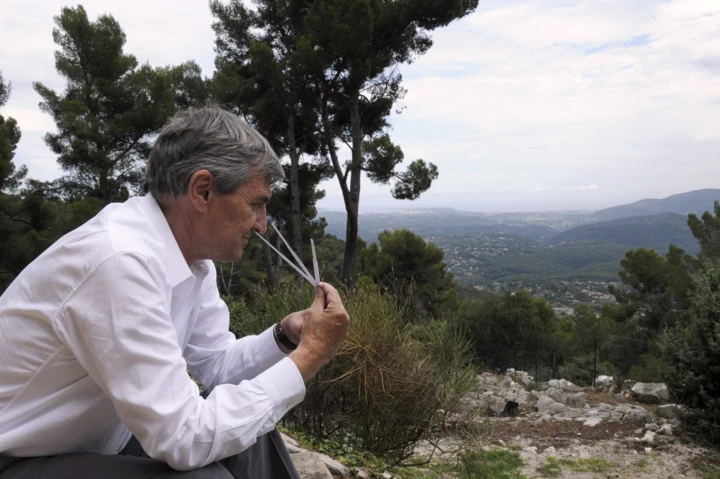
Jean-Claude Ellena comes from a perfumery family. He was born in the world capital of perfumes, Grasse; his father, Peter Ellena, was a perfumer at Chiris; his daughter Celine also became a perfumer. In a personal conversation, he admitted that he was never particularly interested in the intricacies of the craft from his father, but jokes that his grandchildren are already showing interest in the profession – after all, you can earn a lot in it.
Jean-Claude's brother, Bernard Ellena, is also a perfumer, the author of Ange Ou Démon Le Secret Givenchy and L'Eau Rêvée d'Alma Sisley, released in 2023.
Education and early career
Jean-Claude Ellena came to work at a perfume factory in Grasse in the late 1960s. In 1968, he entered the famous Givaudan perfume school in Switzerland, where he was reportedly its first student.
The evolution of handwriting
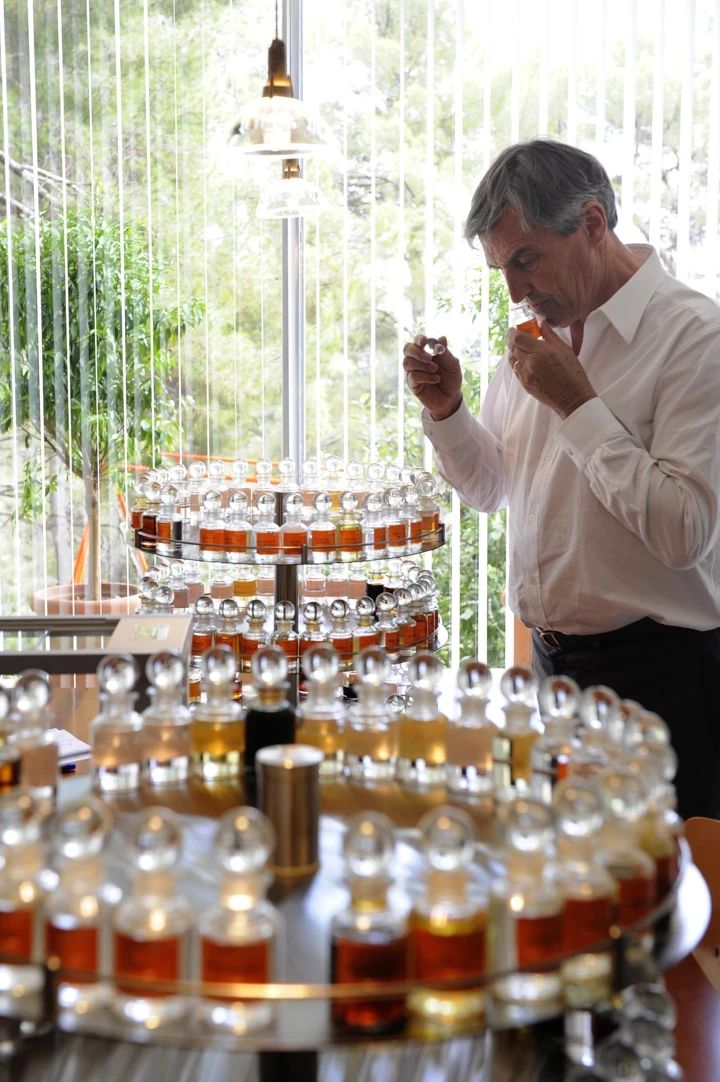
A great influence on his work in the 1970s was the fragrances of the outstanding perfumer Edmond Rudnytsky. Ellena gradually found his own creative style, developed a style that later made him famous. The “nose” became more and more selective in choosing a perfume palette, ruthlessly eliminating excess and olfactory noise. Minimalism and simplicity became his olfactory signature. The evolution is evidenced by the fragrances: from One, Van Cleef & Arpels (1976) with over 150 ingredients to Eau Parfumée Au Verte, Bulgari (1992), designed with only 20.
Imagination as the main tool
Ellena is an extremely creative person. He is fond of cinema (he has hundreds of films in his collection, classics of world cinema) and reads a lot. He writes books, has tried himself as an artist – created paintings. Finally, he is a great cook: he says that the art of combining ingredients is similar to perfumery. His imagination is truly rich. Here is one example.
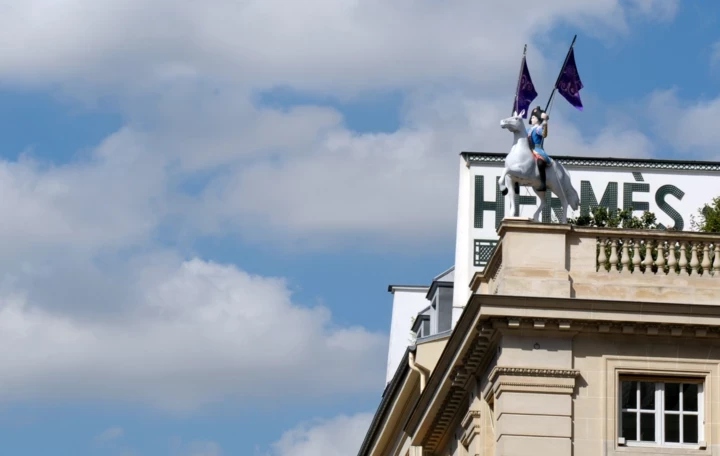
In the heart of Paris, on the rue Faubourg Saint-Honoré, there is No. 24, the flagship boutique of the House of Hermès. An old Ottoman mansion, quite restrained from the outside. But on the roof is a secret garden. Its history dates back more than 80 years and begins in the 1940s, when during the occupation of Paris, the Hermès family grew vegetables there to survive. Over time, the war garden was transformed into an exquisite space, and in the 1980s, Jean-Louis Dumas – the man who turned the family saddlery into a luxury empire and created the Birkin bag – gave it a modern look, embodying the idea of u200bu200b”white luxury” through the flowering of apple, pear and lavender trees. The garden has been looked after by gardener Yasmina Demnati for more than thirty years.
For Jean-Claude Ellen, this private space became an open-air studio: the scents of damp earth, apple blossom and rosemary inspired him to create Un Jardin sur le Toit, a perfume ode to a secret place, in 2011. The garden is depicted on the fragrance’s packaging.
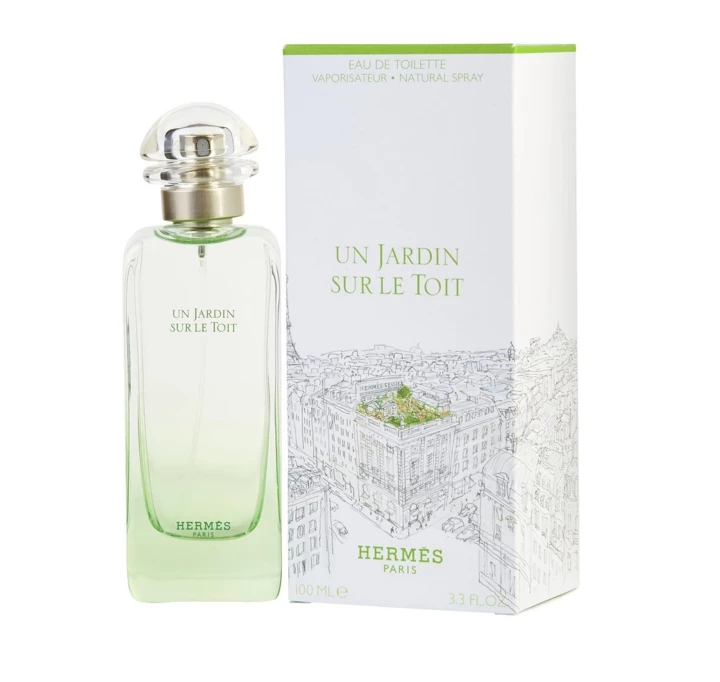
Today, it houses a restaurant (available exclusively to special guests of the House of Hermès) that uses fruits and herbs grown right there, right on the roof of the Parisian building. We can thank the great artist for that.
The most famous fragrances
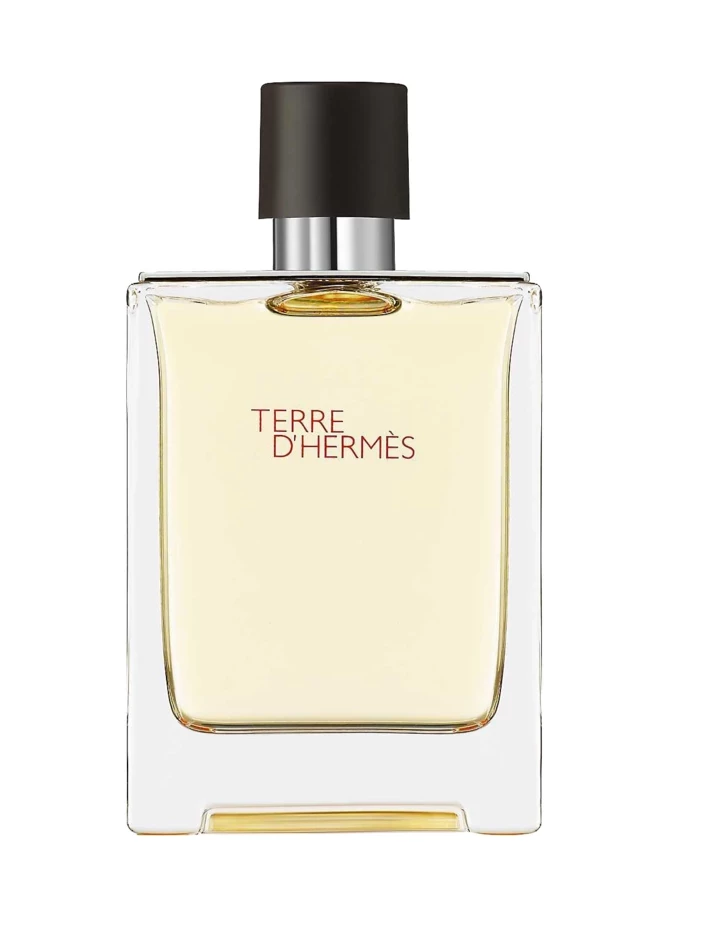
Terre d'Hermès (2006), where notes of silicon appear, symbolizing the earth. There are several meanings here: a man who chooses this fragrance stands firmly on his feet, feels connected to his roots and remains internally collected. The fragrance has become a cult – there are those who do not betray it for years. The composition also contains pepper, vetiver and cedar.
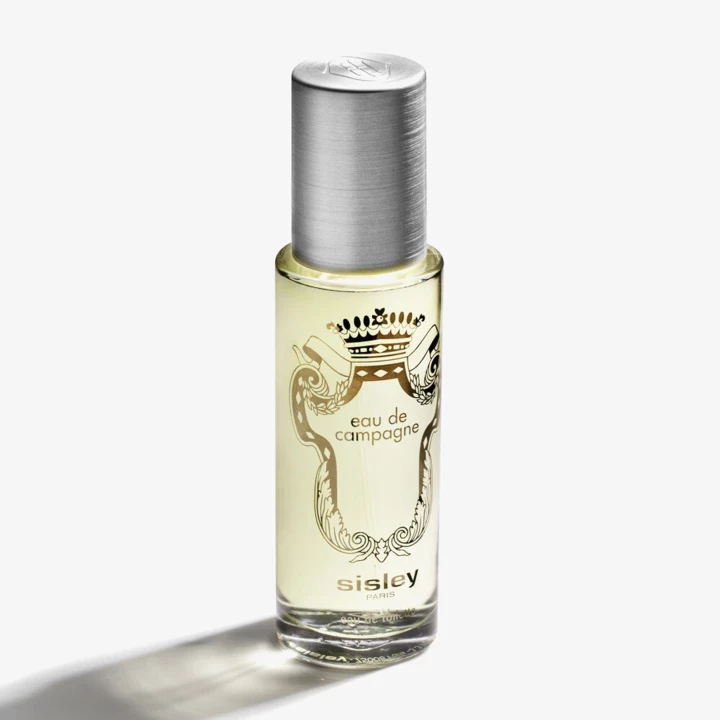
Eau de Campagne, Sisley (1976) with notes of tomato leaves. The fragrance is still in the Sisley House range; the candle with the same scent has become iconic – nothing else like it exists in the world.
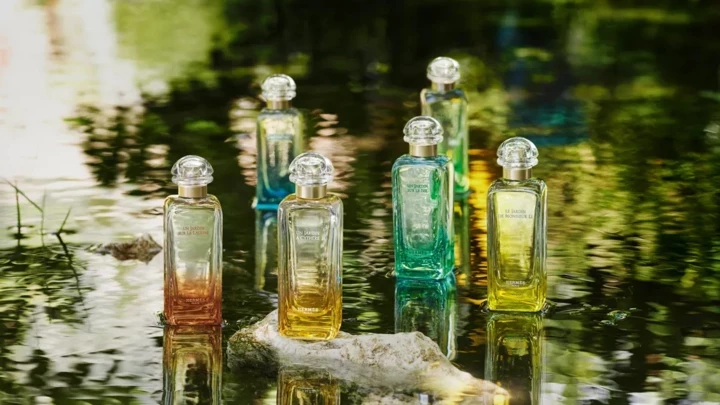
Jardin d'Hermès is a collection of fragrances inspired by gardens around the world. It started with the Un Jardin en Méditerranée column in 2003. Ellena says that he thought about the idea of the fragrance for a long time until he picked a fig leaf in his friend's garden. He crushed it in his fingers – and since then the world of perfume has never been the same: it was seized by fig fever, and many more fragrances were released in the “Gardens” family.
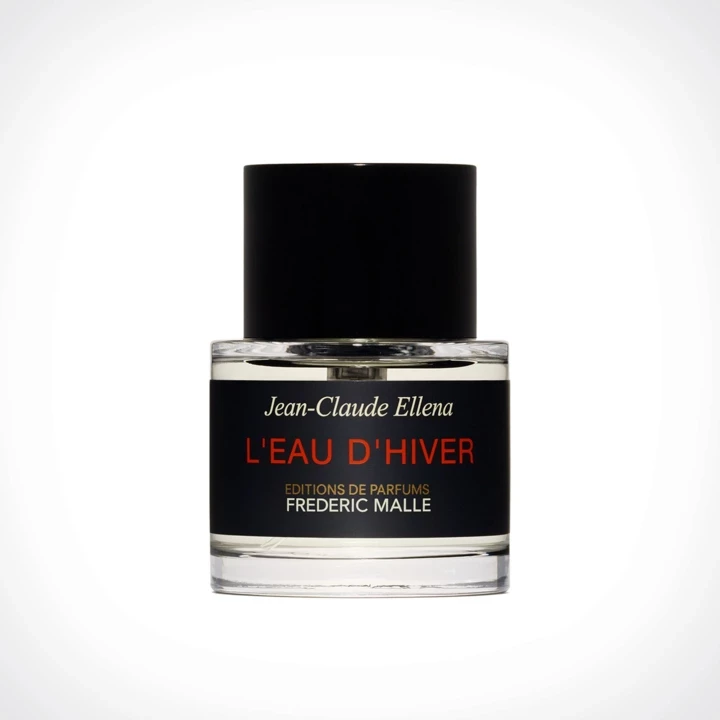
L'Eau d'Hiver, Frederic Malle, is a transparent, clean, snowy fragrance with notes of angelica, iris, and white musk.