

Bold works by Hamlet Zinkovskiy, a group exhibition about joy at the PinchukArtCentre, and works by the master of color and light Anatoly Lymarev at the National Museum: we have collected the most interesting exhibitions in Kyiv that are worth seeing in April.
Project 365 “No Time Needed”
From March 21 to May 13, Khanenko Museum
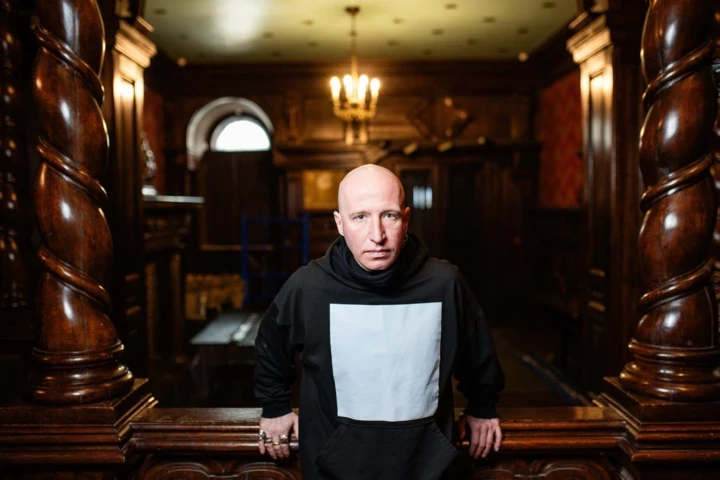
One of the main exhibitions of the spring is a personal project by the famous Kharkiv artist Hamlet Zinkovsky, who presents new works created in 2025. Every day during the year, the artist made one drawing – this is how the 365 cycle was formed: a year lived in a disciplined mode, where each day is brought to an end. At the Khanenko Museum, the 365 project appears as a kind of diary of time, open for slow viewing and personal interpretation. In a series of drawings, Hamlet recorded situations, landscapes, sayings or short observations that combine words and graphic images. The artist's style is easy to recognize precisely by the manner of using words: they are an integral part of each work, sometimes explaining, and sometimes competing with the image.
The artist's plans are to create ten such series and eventually present them together.
Advertising.
“Anatoly Limarev. Sunrise”
From March 27 to June 21
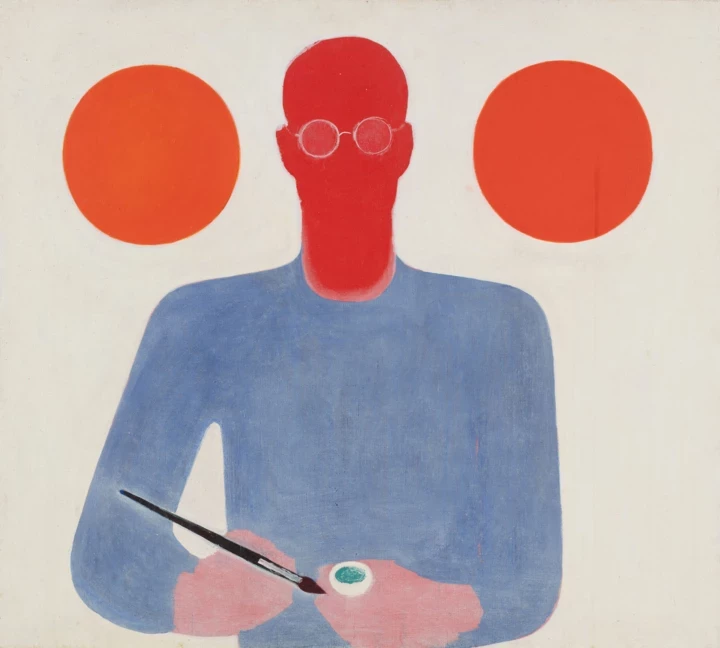
Until the end of June, the National Art Museum is hosting an exhibition dedicated to the work of the prominent Ukrainian artist, representative of unofficial art, master of color and light Anatoly Limarev, whose active period of creativity fell on the 1960s–90s. The five halls of the museum present about 100 works of painting and graphics, as well as archival photographs taken by Anatoly himself and his wife Svitlana Datsenko.
The exhibition conceptually outlines the main vectors of the artist's creativity. A native of Donetsk, the artist returned from Kyiv to his native Amvrosiivka every summer in search of a special southern light. Three exhibition halls are dedicated to the land and people of Donetsk. Separate blocks of the exhibition present portraits of the artist's family and friends, self-portraits. An important part of the exhibition is made up of works from the Shevchenko cycle, in which the image of the poet appears as an alter ego of Limarev himself.
The multimedia installation for the exhibition was created by artist Vitya Kravets and composer Oleksiy Shmurak.
“Joy”
From March 27 to August 30, PinchukArtCentre
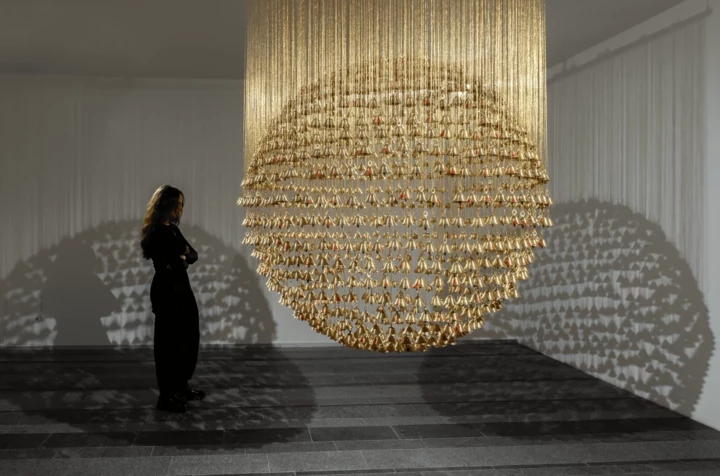
The main spring project explores “one of the most important emotions that gives us strength in difficult times,” the art center says. The starting point of the project was textual evidence collected by Ukrainian veteran Hlib Stryzhko. He conducted a series of interviews with military personnel, veterans and veterans of the Armed Forces of Ukraine to find out what brings them joy now and how they feel it. Their texts are presented alongside works by Ukrainian and international artists that show various manifestations of joy. The project seeks to remind us of the special moments that make us alive and testify to our humanity.
The curators of the “Joy” exhibition are Bjorn Geldhof and Oleksandra Pogrebnyak.
“Without asking permission”
From March 27 to August 30, PinchukArtCentre
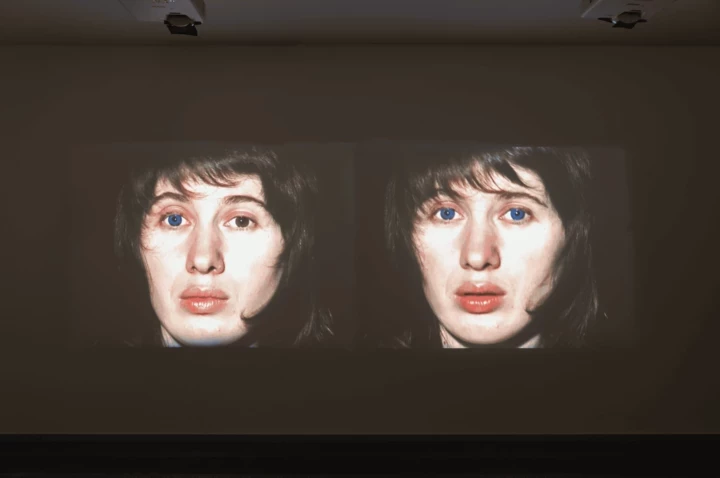
The exhibition “Without Asking Permission” brought together works by Ukrainian artists created between the two revolutions — from 2004 to 2014 — focusing on the theme of corporeality. Against the backdrop of profound political shifts, artists are beginning to enter the public space and speak more actively about personal and collective responsibility. They are rethinking the notion of the body, shaped by post-Soviet morality and culture. By defending equal rights and the importance of personal freedoms, the artists involved in the project expanded the boundaries of perception and created new opportunities for future generations.
The curator of the project is Daria Shevtsova.
“Temporarily (empty)”
Taras Shevchenko National Museum, from April 8 to May 3
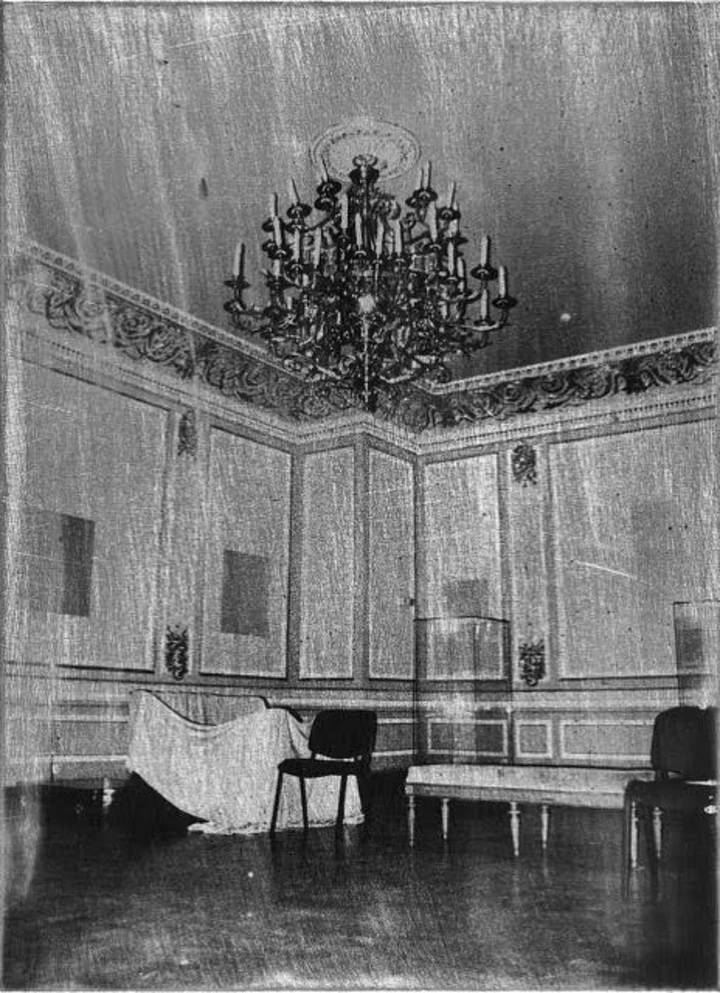
Artist Yaroslava Melnychenko, together with curator Oksana Ozarchuk, present the exhibition “Temporarily (Empty)” about forms of absence during wartime. The exhibition is built as a route – from the public to the intimate. First, Yaroslava reflects on the protection and dismantling of monuments, in the next, culminating hall she reveals the current problems of museums. The story ends with the most intimate hall. Through an appeal to apartment galleries, which became the place of creation of expositions during the war, the positions of the artist and curator are outlined.
“Spring. Female names of Boychukism”
Ukrainian House, March 5 – April 12
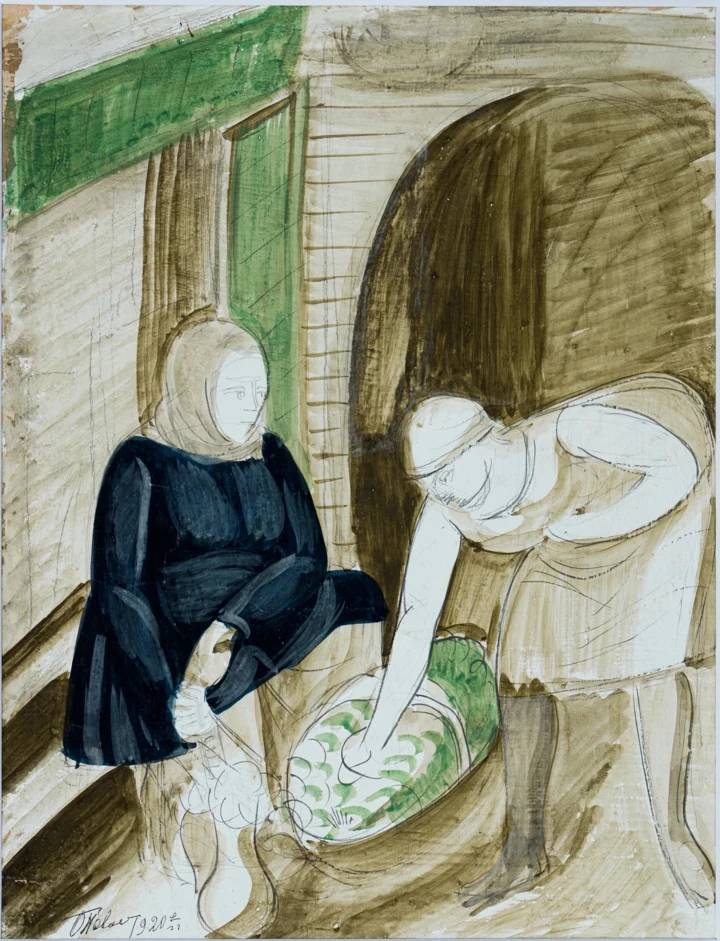
One of the main exhibitions of the spring is a project dedicated to female artists of the Boychukism school. The exhibition highlights the names of Oksana Pavlenko, Antonina Ivanova, Vira Bura-Matsapura, Sofia Nalepinska-Boychuk, Maria Kholodna, Yaroslava Muzyka, and other Boychukists — outstanding artists of their time. Boychukism appears as a multi-voiced artistic space in which women's contribution was of fundamental importance for the formation of a new visual code, say the project's curators.
The special role of the Boychukists also lies in preserving the tradition. After the mass executions of the school's artists during the Soviet terror, Boychukism was declared hostile, and its works were condemned to destruction. Archives were destroyed, murals were painted over, names disappeared from the public space. In this atmosphere of fear and total control, it was women who became the silent guardians of memory: Oksana Pavlenko, Yaroslava Muzyka, and Antonina Ivanova survived these years and preserved fragments of the Boychukists' artistic heritage in great secrecy – sketches, works, memories, the very idea of the school.
“Cloud storage”
M17 Center for Contemporary Art
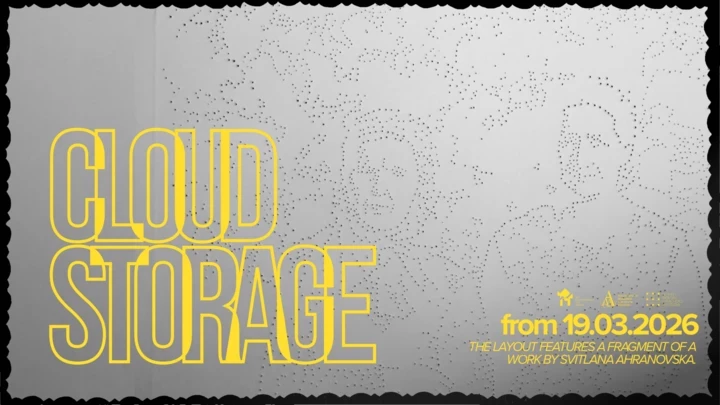
A new project at M17 updates the public debate about art as a way of understanding the past, the asynchrony of history and collective memory, the fragility of cultural heritage, war as a factor in the formation of a new memory in Ukraine, and the limits of digitalization of human experience. The exhibition features works by over 30 artists, including Konstantin Liberov, Petro Hronsky, Nika Shumeiko, Mykhailo Rai, Kateryna Savchuk, and Nikita Tsoi. The selection of works for the exhibition project in institutions was carried out through an open call, during which more than 600 applications were received.