

Vincent Willem van Gogh is a brilliant Dutch post-impressionist artist, one of the most famous representatives of Western art. He did not become famous and rich during his lifetime, but he managed to go down in history, despite his mental illness and lack of fundamental art education. On the artist's birthday, we tell you interesting facts from his biography.
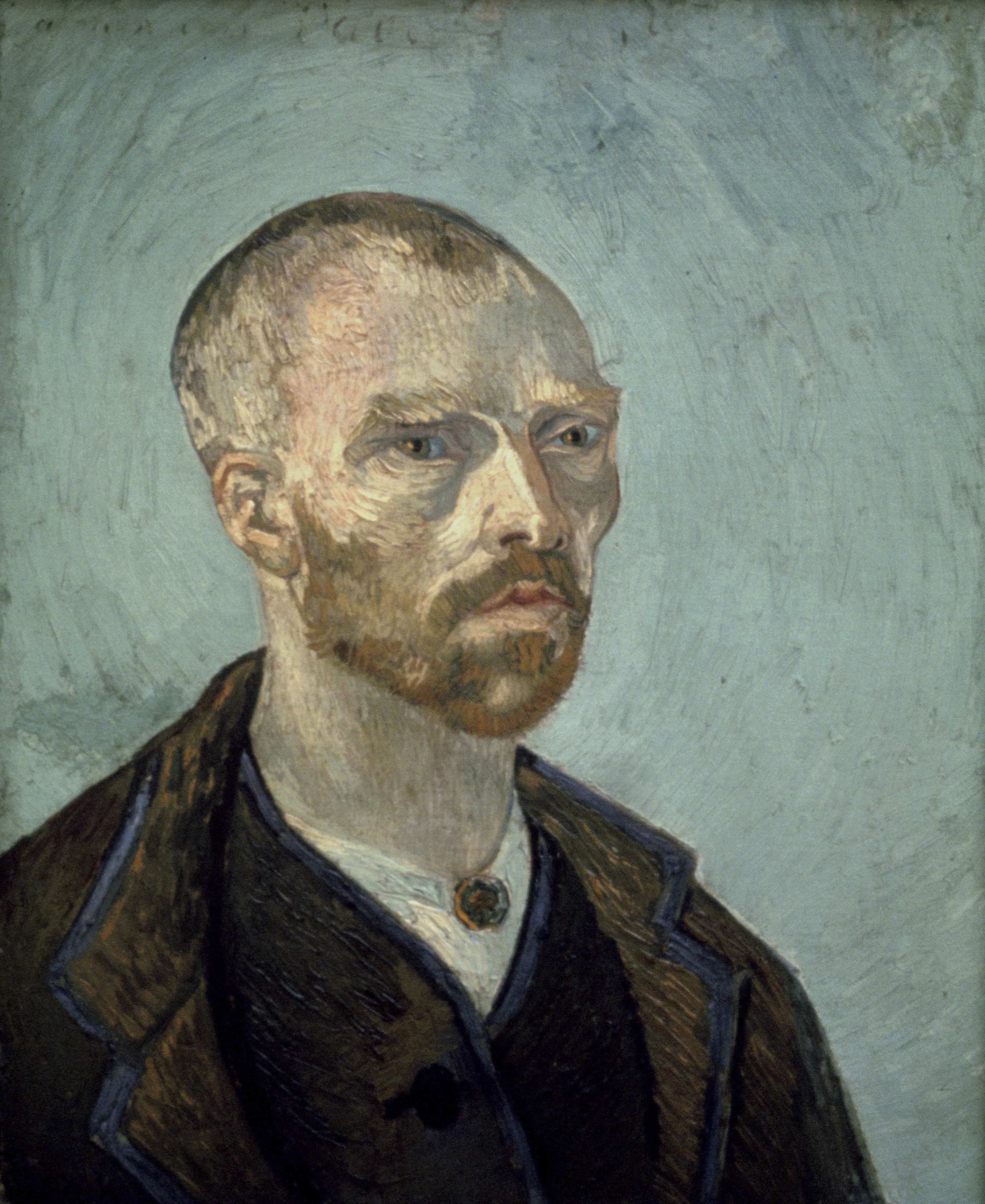 Vincent van Gogh, 1888
Advertising.
EARLY PERIOD
Vincent van Gogh was born on March 30, 1853, into a religious family in the village of Groot-Zundert in the southern Netherlands. His father, Theodor van Gogh, was a pastor of the Dutch Reformed Church, and his mother, Anna, was the daughter of a bookbinder. In general, art and religion were two activities to which the Van Gogh family gravitated. As a child, Vincent was serious and thoughtful, loved to walk and read alone. He studied at a village school and with a governess, and in 1866 he went to secondary school – the Willem II College in Tilburg, where drawing was taught in particular. Two years later, Van Gogh unexpectedly left school and returned home. He wrote about his early years: “My childhood was gloomy, cold and barren…”.
HAPPY TIME IN LONDON
When Vincent was 15 years old, thanks to his uncle, he got a job as an art dealer in the Hague branch of the art and trading firm Goupil & Cie. The company traded paintings from the 18th and 19th centuries, as well as some reproductions of older paintings. Van Gogh quickly mastered the basics of the profession and himself began to think about a career as an artist. It was at this time that he began to paint his first works, which he did not show to anyone.
In 1873, he was transferred to the London branch. These were happy times for Van Gogh: he was successful in his work and at the age of 20 was already earning more than his father. Later, he fell in love with the daughter of his landlady, but when he finally proposed to Ursula, she refused him because she was already engaged. After his love failure, Vincent became more reclusive and zealous about religion. At work, he resented the way works of art were perceived as commodities, and expressed this to clients. Finally, in April 1876, he was fired.
MISSIONARY WORK
To support Vincent's desire to become a pastor, his parents sent him to Amsterdam in May 1877, where he lived with his uncle Jan Van Gogh. There he prepared for university entrance, studying theology, Greek, Latin and mathematics. However, he failed the exams and returned home. And what was his joy when in 1879 he began working as a missionary in the Belgian mining village of Wam. Here Vincent taught children to read and write, cared for the sick and the destitute, and painted in his free time.
In the performance of his duties, he went to great lengths: he lived in a barracks, often slept on straw, gave all his warm clothes to others, and ate leftovers. Thus, Vincent outraged the church, and when he sided with the miners during one strike, he was forbidden to preach further. Returning home, Van Gogh greatly angered his family. His father called Vincent a fool and kicked him out of the house.
VINCENT DID NOT RECEIVE AN ART EDUCATION
In 1880, Van Gogh entered the Academy of Fine Arts in Brussels. However, due to his unyielding character, he soon left the institution and continued to study on his own, using reproductions and painting regularly. All this time, he was supported morally and financially by his brother Theo.
In 1885, the young artist completed The Potato Eaters, which is called his first masterpiece. Vincent worked on this painting all April, making numerous sketches for the final version, painted in oil on canvas. The painting depicts a peasant family having a potato dinner by lamplight. This painting was first exhibited in August 1885 in The Hague. The artist managed to realistically convey the scene of peasant life. But critics complained about the rough brushwork and distortion of the figures, but his brother Theo was more circumspect in his assessment: “Wait and see if he has talent. I think he does.”
BROTHER THEO AND PARIS
Theo Van Gogh always supported his troubled brother in every way, believing in his talent. In February 1886, Vincent arrived in Paris to Theo. His brother at that time already headed the French branch of the Goupil gallery. Having decided to study fine arts, Vincent entered the study of the famous painter Fernand Cormont and soon became disappointed and left school. It was then that he became friends with the novice artist Count Henri de Toulouse-Lautrec. Thanks to his brother Theo and his connections in aristocratic circles, Vincent discovered the Impressionists. He visited numerous exhibitions, which exhibited works by Degas, Monet, Pissarro and Sisley. In Theo's gallery, Vincent saw the works of Manet, which made a strong impression on him. From Theo he learned about Gauguin, with whom he became closer, but during his Parisian period he was more friendly with Paul Signac and Emile Bernard.
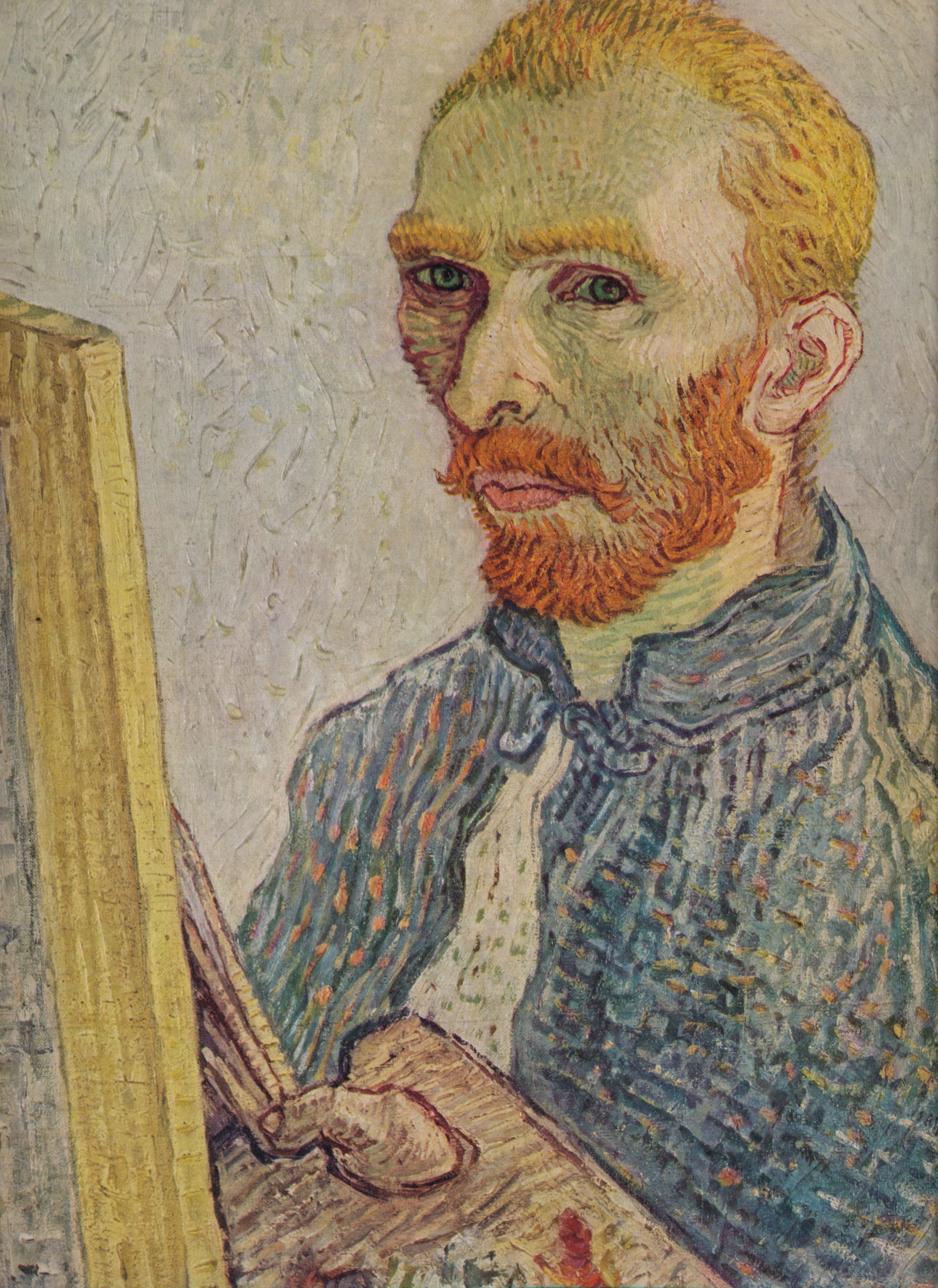 Vincent Van Gogh
Van Gogh was also a great admirer of Japanese art. He wrote that it made him happy and cheerful. Vincent created three paintings based on Japanese prints from his own collection.
THE STORY OF THE CUT OFF EAR
It happened in Arles in 1888 at Christmas. A heated argument with Gauguin brought Van Gogh to such a state that he took a razor and cut off his earlobe. The second version says that Gauguin injured his friend's ear while fencing, and they invented the story of the argument to avoid arrest. How it all really happened remains a mystery.
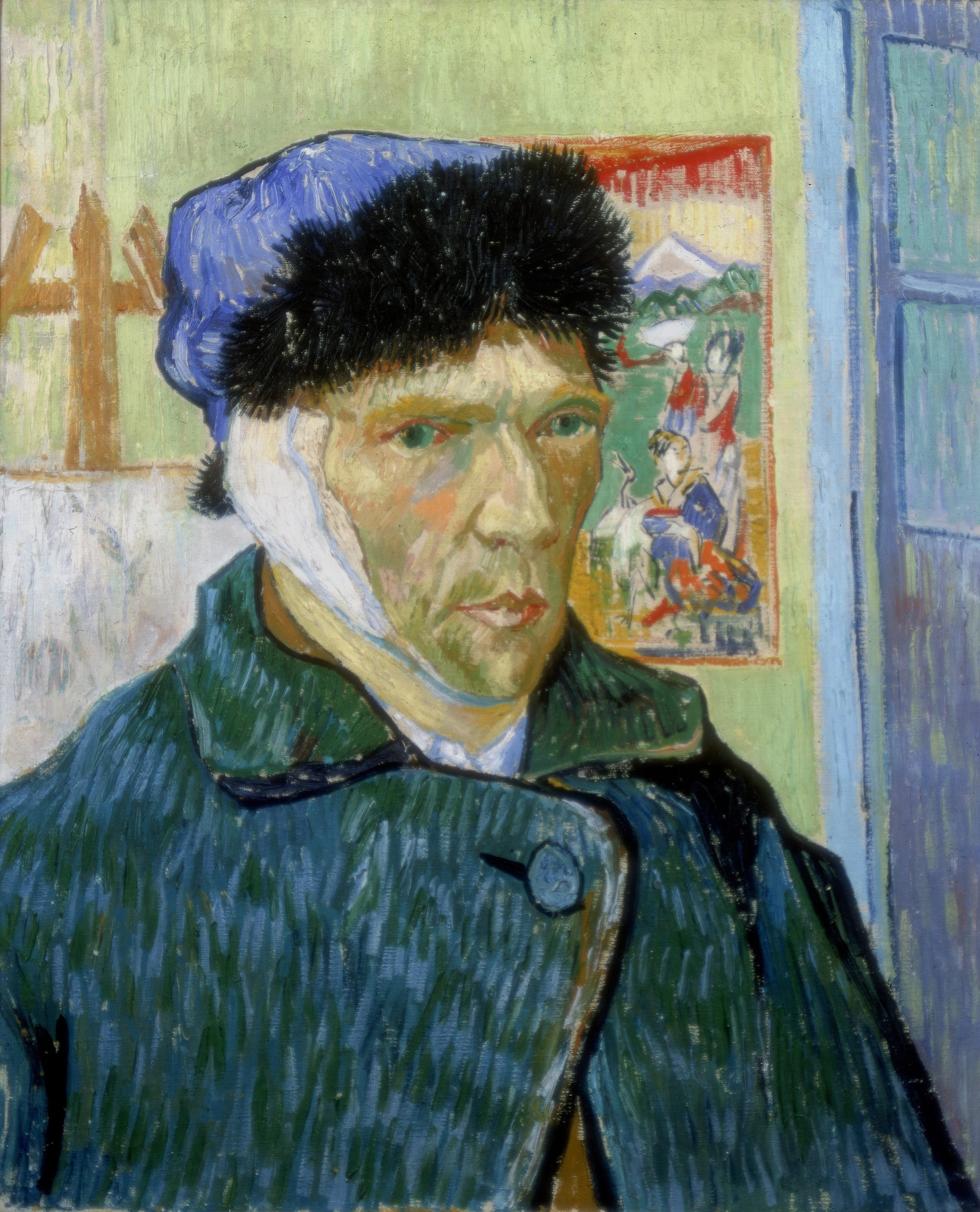 Self-portrait, 1889
VAN GOGH WAS MENTALLY UNHEALTHY
After the incident with the severed ear, the artist was hospitalized in the nearest hospital. As soon as he came to his senses from the loss of blood, he was discharged. But Vincent fell into a deep depression and was forced to seek help. “Starry Night”, his most famous painting, was painted in the walls of a psychiatric hospital in Saint-Rémy-de-Provence (France). It depicts a view from the window of the artist's ward.
HE SOLD ONE PAINTING IN HIS LIFE
Van Gogh was not a famous artist during his lifetime and constantly struggled with poverty. He managed to sell only one painting, “The Red Vineyard,” which was purchased for 400 francs seven months before his death.
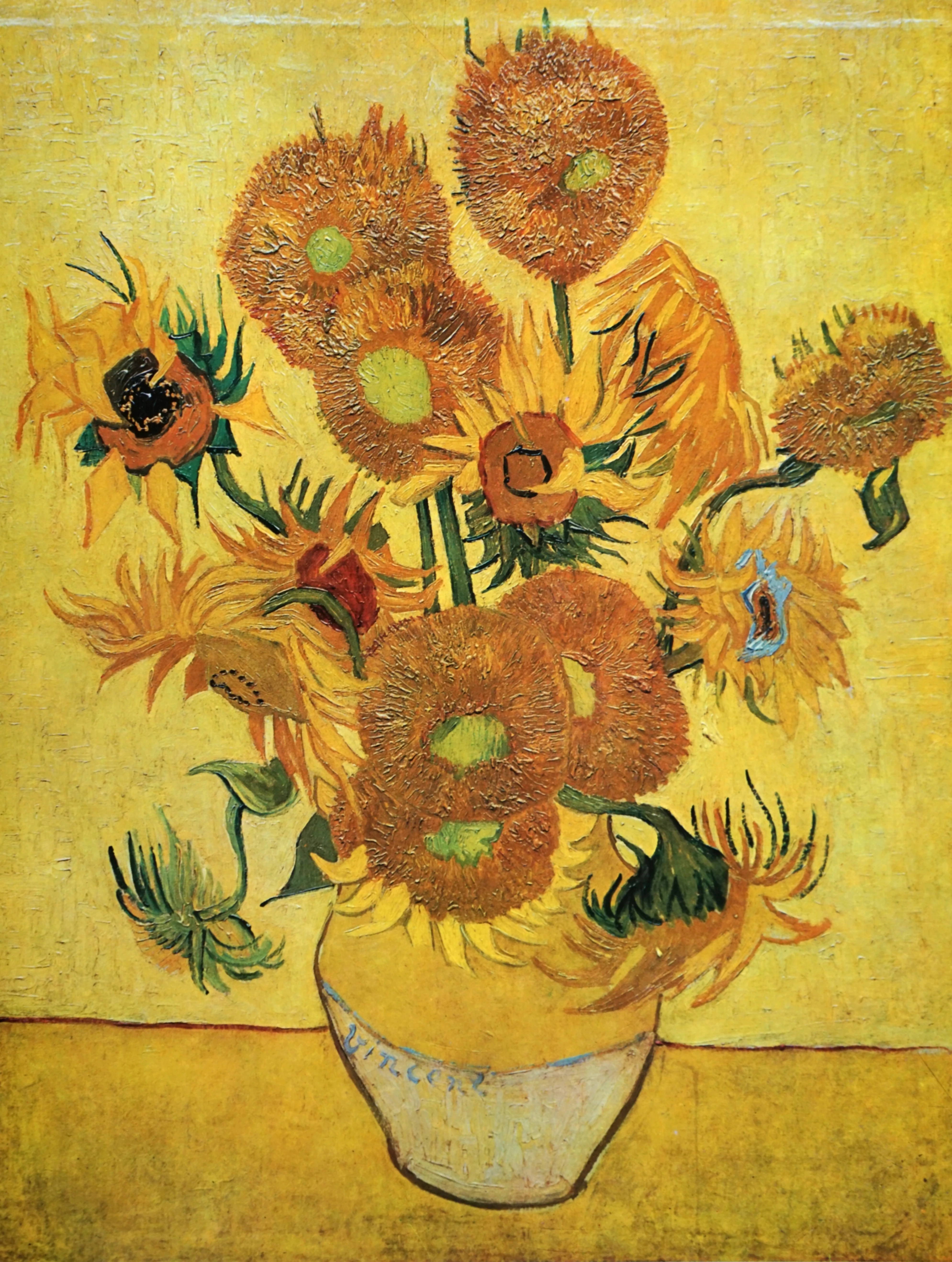
During his ten-year career, Vincent Van Gogh created about 2,100 works of art, including about 860 oil paintings, most of which date from the last two years of his life. Landscapes, still lifes, portraits and self-portraits are characterized by bold colors, dramatic and expressive painting. To better understand Van Gogh as a person, it is worth reading his heartfelt letters. And he wrote a lot of letters, as many as paintings, mainly addressed to his brother Theo and friends.
Text: Oksana Bagriy
Photo: Getty Images