

In March 2026, photos of Chinese actress Zhang Jinyi went viral on the Internet again. In these pictures, she appears on the red carpet in Beijing with a yellow plastic bag in her hands. It was this “accessory” that caused an active discussion on the Internet. Users began to discuss whether this was one of the interpretations of the “garbage bag” from Balenciaga. Later it became clear that it was an ordinary plastic bag with no relation to the luxury brand. However, this story raised another question: does a bag in the form of a garbage bag from Balenciaga actually exist?
Advertising.
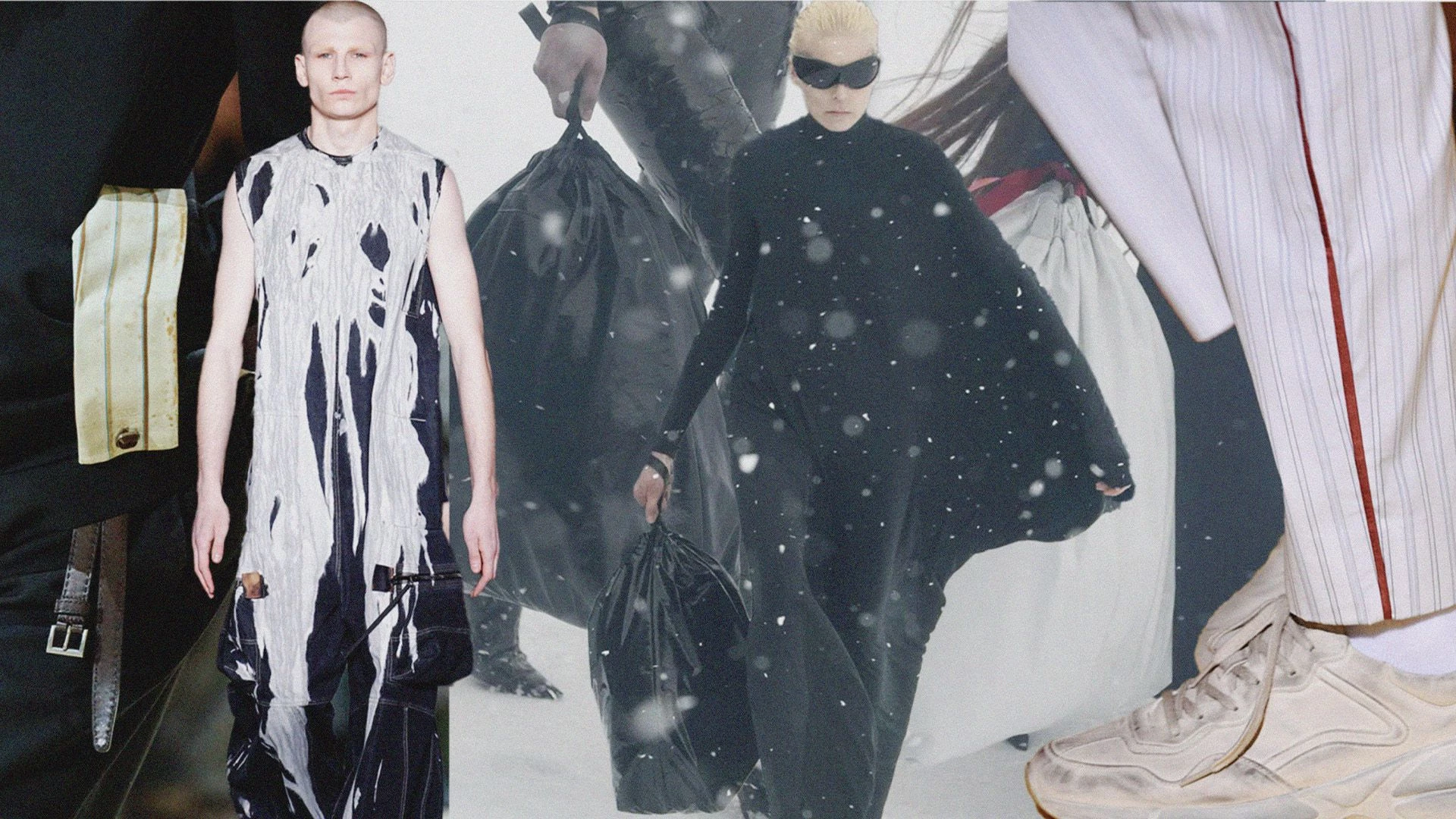
The answer is yes, there is. In the fall-winter 2022/2023 season, then-Balenciaga designer Demna, who now works at Gucci, created leather bags that looked like garbage bags – in white and black. Later, he also showed leather clutches stylized as crumpled potato chip bags. Such bags cost about $ 2,100. In this case, the saying “one person's trash is another person's treasure” takes on a direct meaning.
 Balenciaga fall-winter 2022/2023
This is not the first time that fashion has turned things that have an imperfect appearance into objects of desire. For example, in the men's collection of the Prada autumn-winter 2026/2027 season, during the show in Milan, shirts with spots appeared on the catwalk. This was done intentionally. Designers Miuccia Prada and Raf Simons presented models in which the cuffs and collars were covered with artistic splashes and stains.
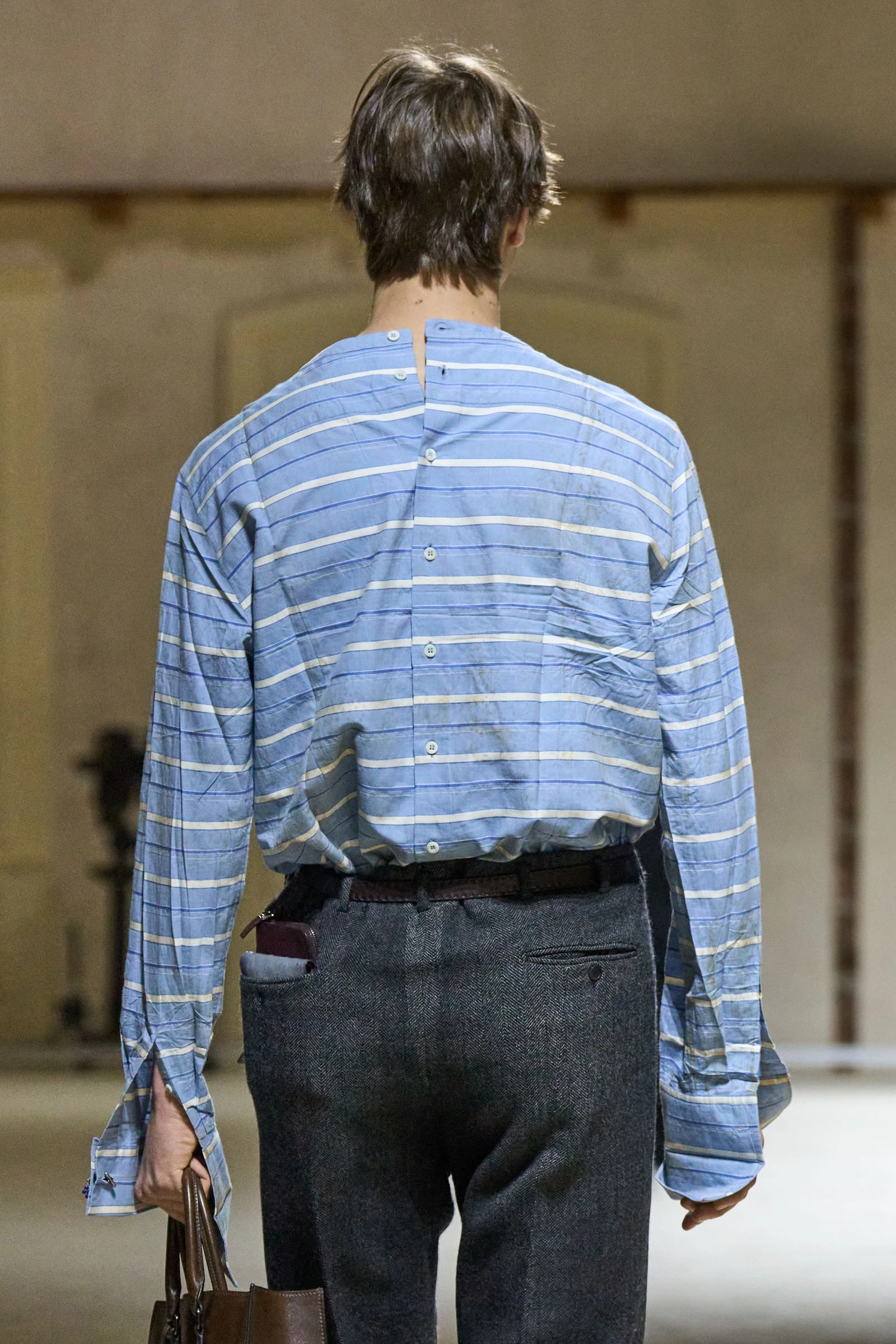 Prada fall-winter 2026/2027
Why do fashion brands create clothes that look worn or even damaged? In the notes for the Prada show, they explained it this way: things are created on the basis of familiar elements, but changed by rethinking the usual rules. Clothes on the catwalk are usually impeccable, so such shirts deliberately violate this norm. At the same time, they perform a specific function: they soften the severity of the suits and coats with which they are combined. Thanks to this, the images become more realistic and suitable for everyday life.
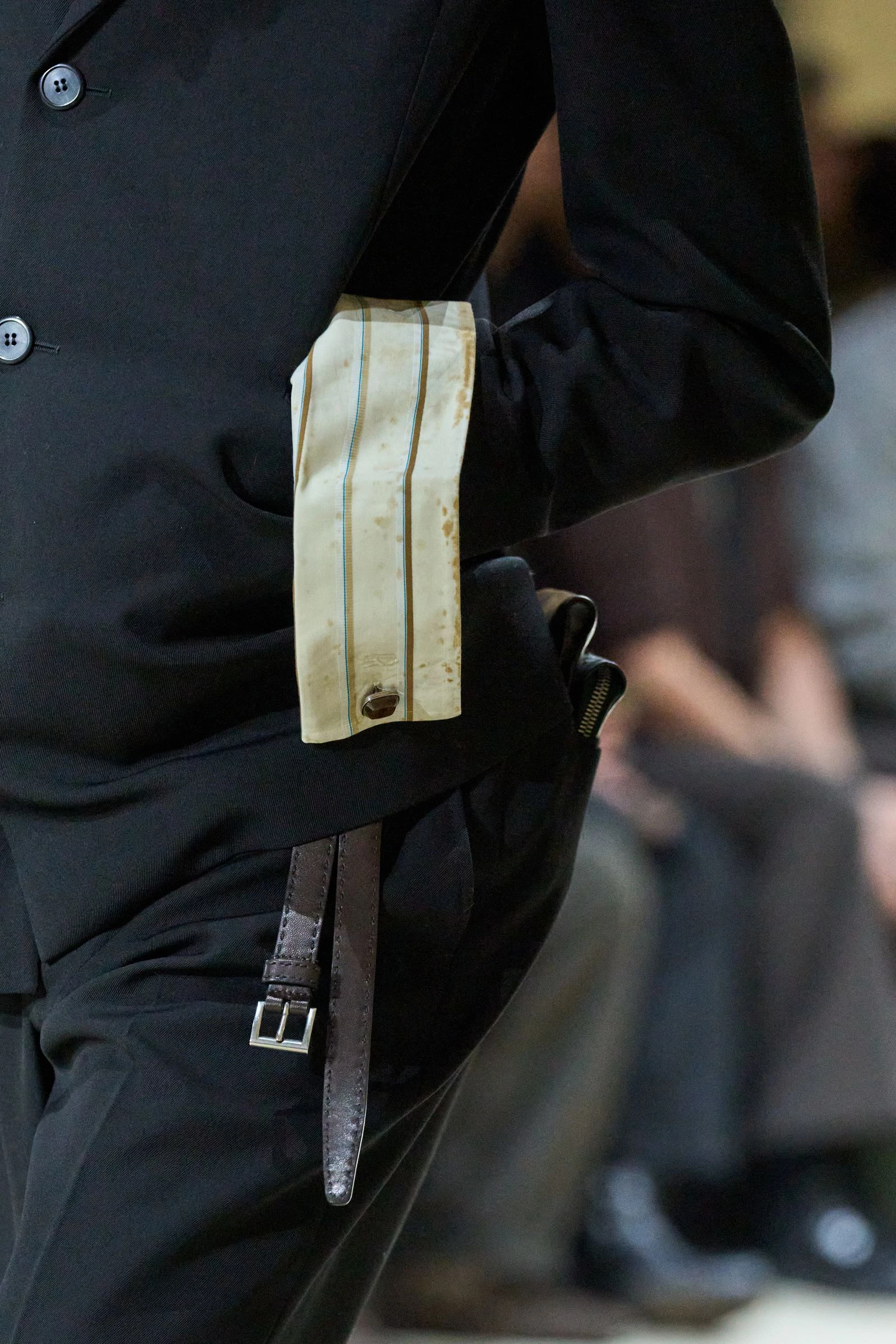 Prada fall-winter 2026/2027
Fashion has been using this approach for years. Designers take basic items like white sneakers or a knit sweater and intentionally change their look. This draws attention and makes fashion less detached from real life.
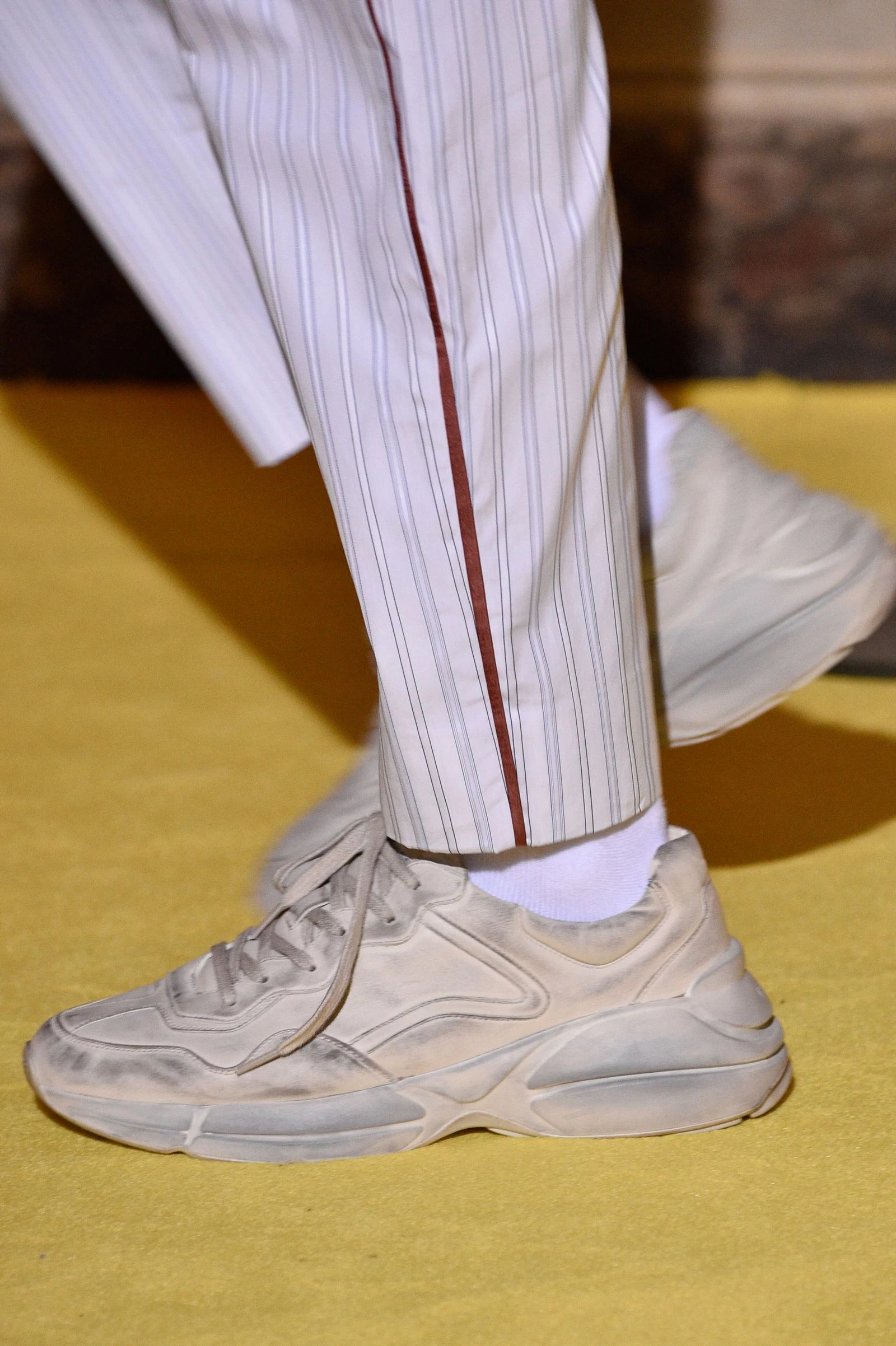 Gucci Resort 2018
For its 2018 cruise collection, Gucci introduced white sneakers with a dirt-effect look, as if they had been worn on a dusty road. These models quickly became popular. Brands like Golden Goose still offer similar options today. The idea is simple: worn-out items can be stylish.
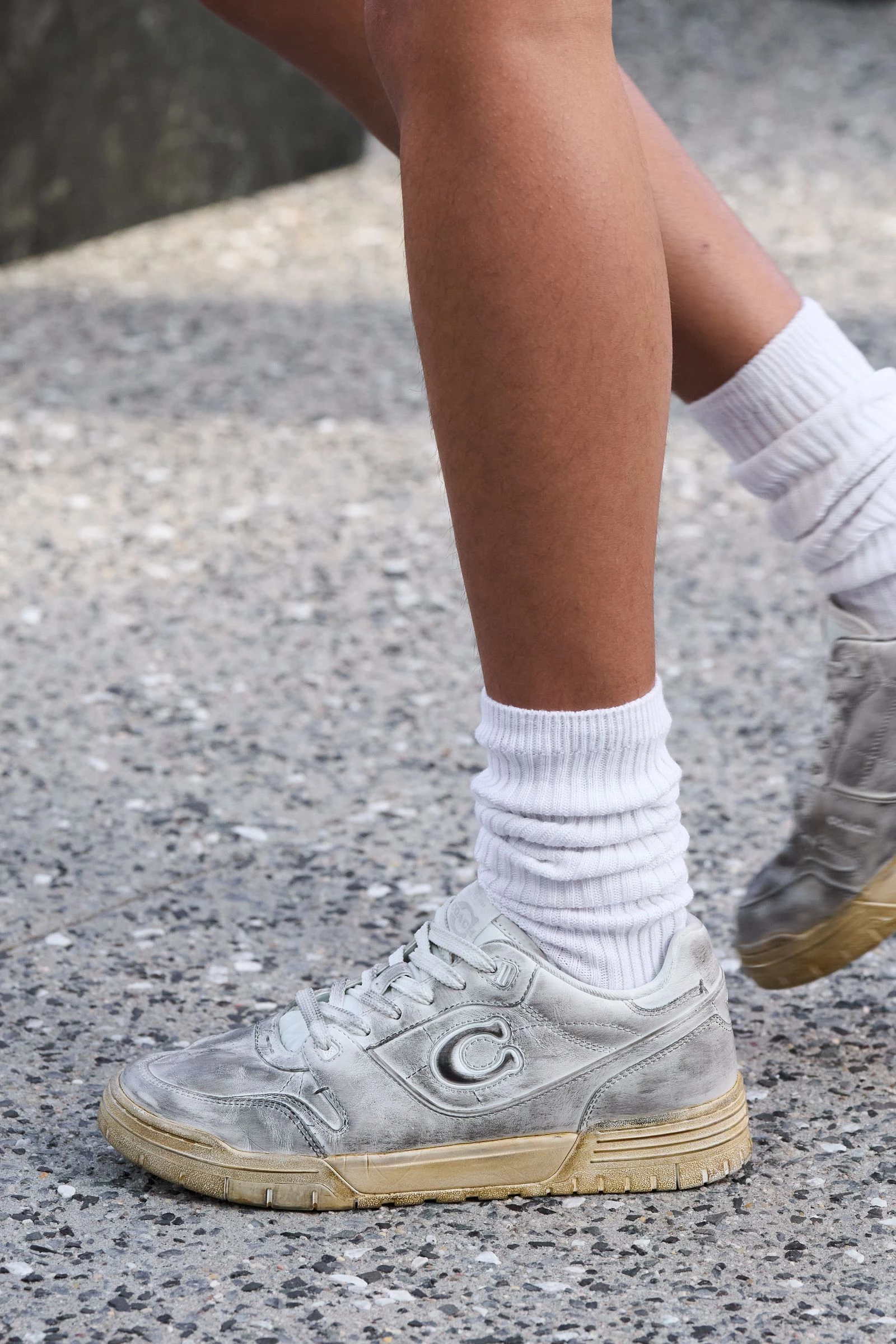 Coach spring-summer 2025
A similar approach is applied to bags. In the spring-summer 2014 season, Chanel under Karl Lagerfeld presented a collection of bags and backpacks with a worn and graffiti effect. At the time, it caused a significant resonance. Today, some of these models cost over $ 15,000.
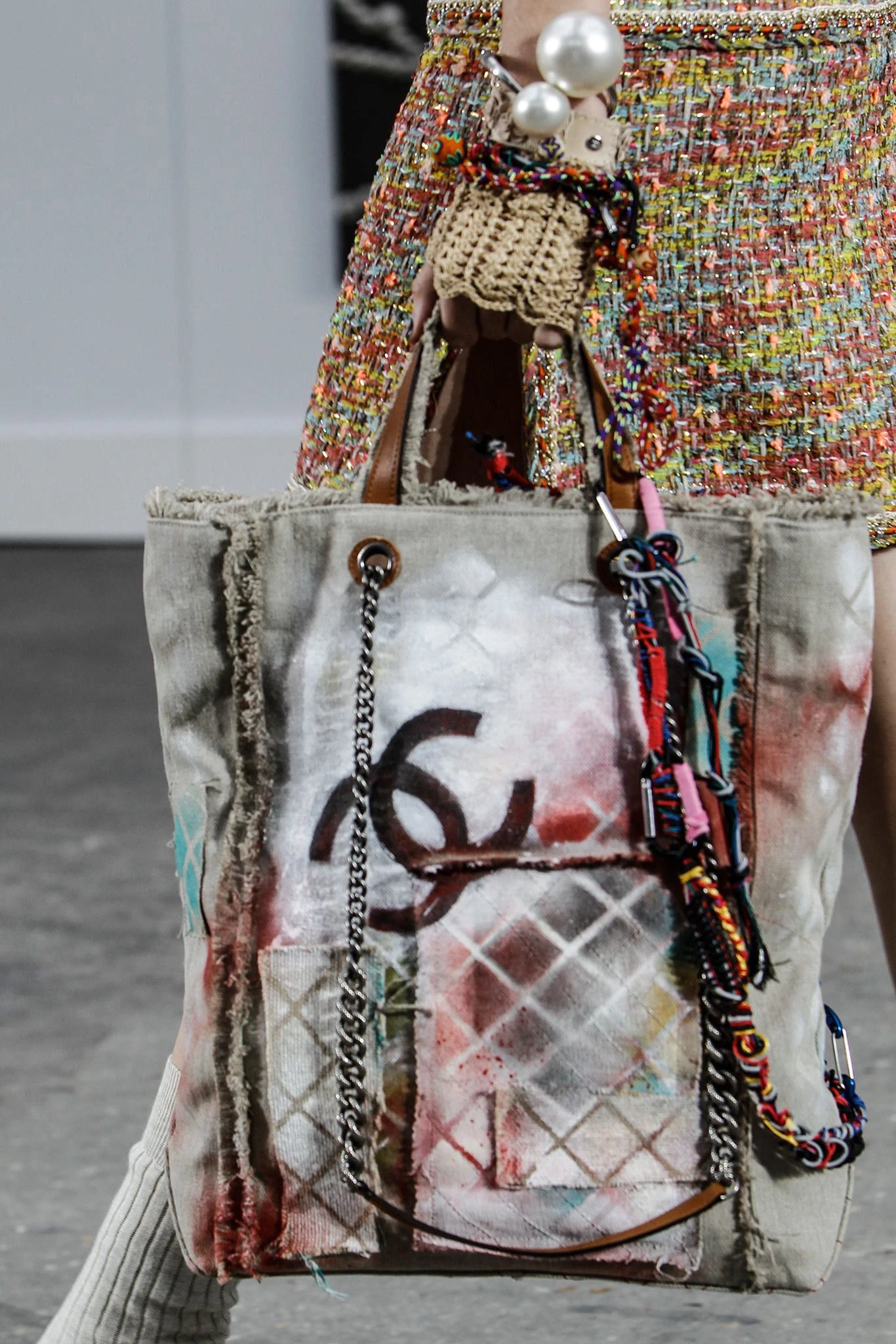 Chanel spring-summer 2014
This approach has also appeared regularly in clothing. In the spring-summer 1998 season, Helmut Lang showed jeans with paint stains. This technique is still used today. For example, Raf Simons collaborated with artist Sterling Ruby on denim with a similar effect in the autumn-winter 2014/2015 season. In the autumn-winter 2016/2017 season, Rick Owens presented knitted sweaters with a paint print that seems to flow from the neck.
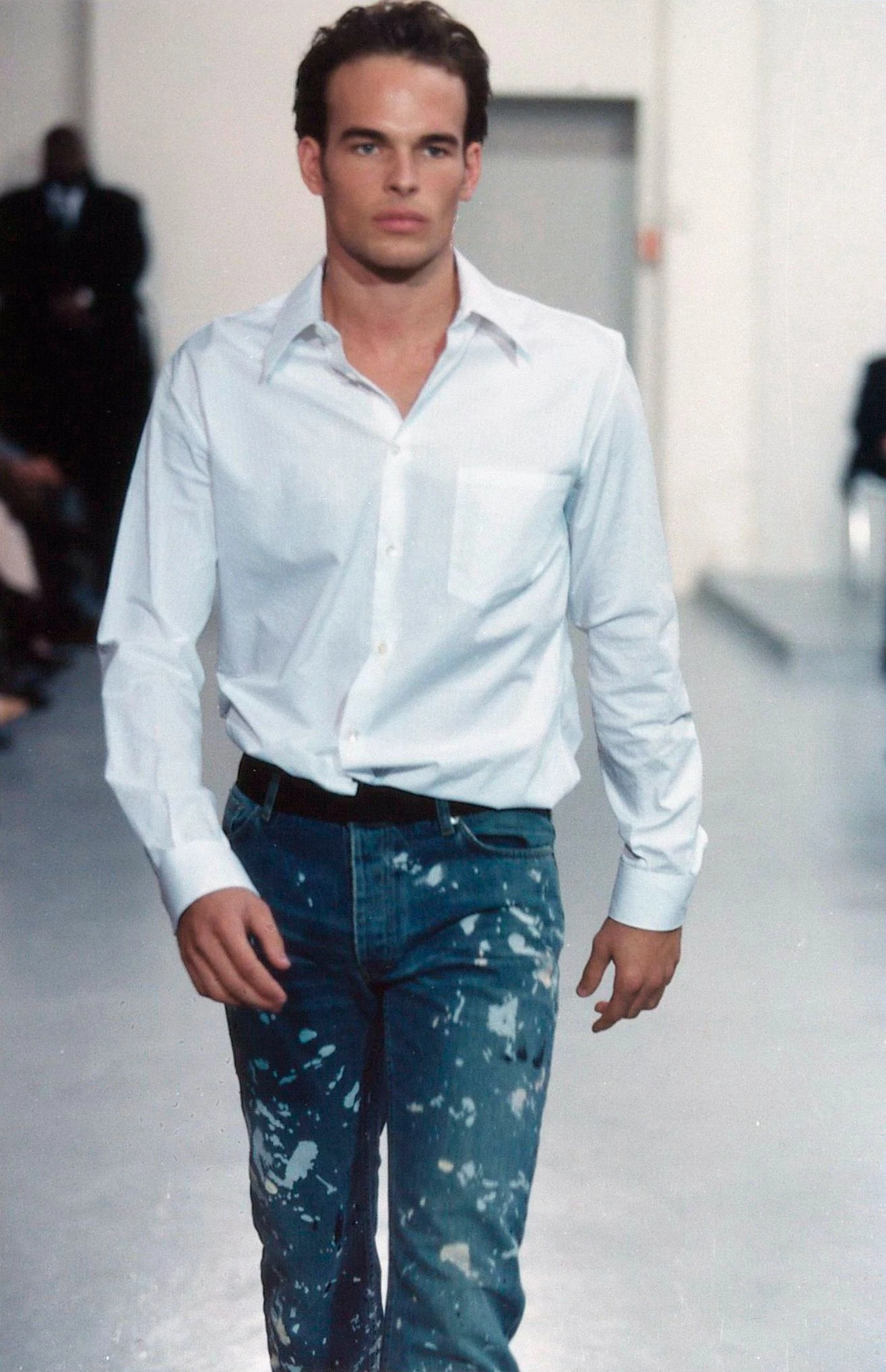 Helmut Lang spring-summer 1998
This approach regularly returns to the catwalks. Its goal is to make things less perfect, more “alive”. At the same time, the price of such products does not correspond to their “spoiled” appearance. On the contrary, they often cost more, because creating this effect requires time and effort. That is why a logical question arises: are such things worn in everyday life, or is this just a catwalk experiment?
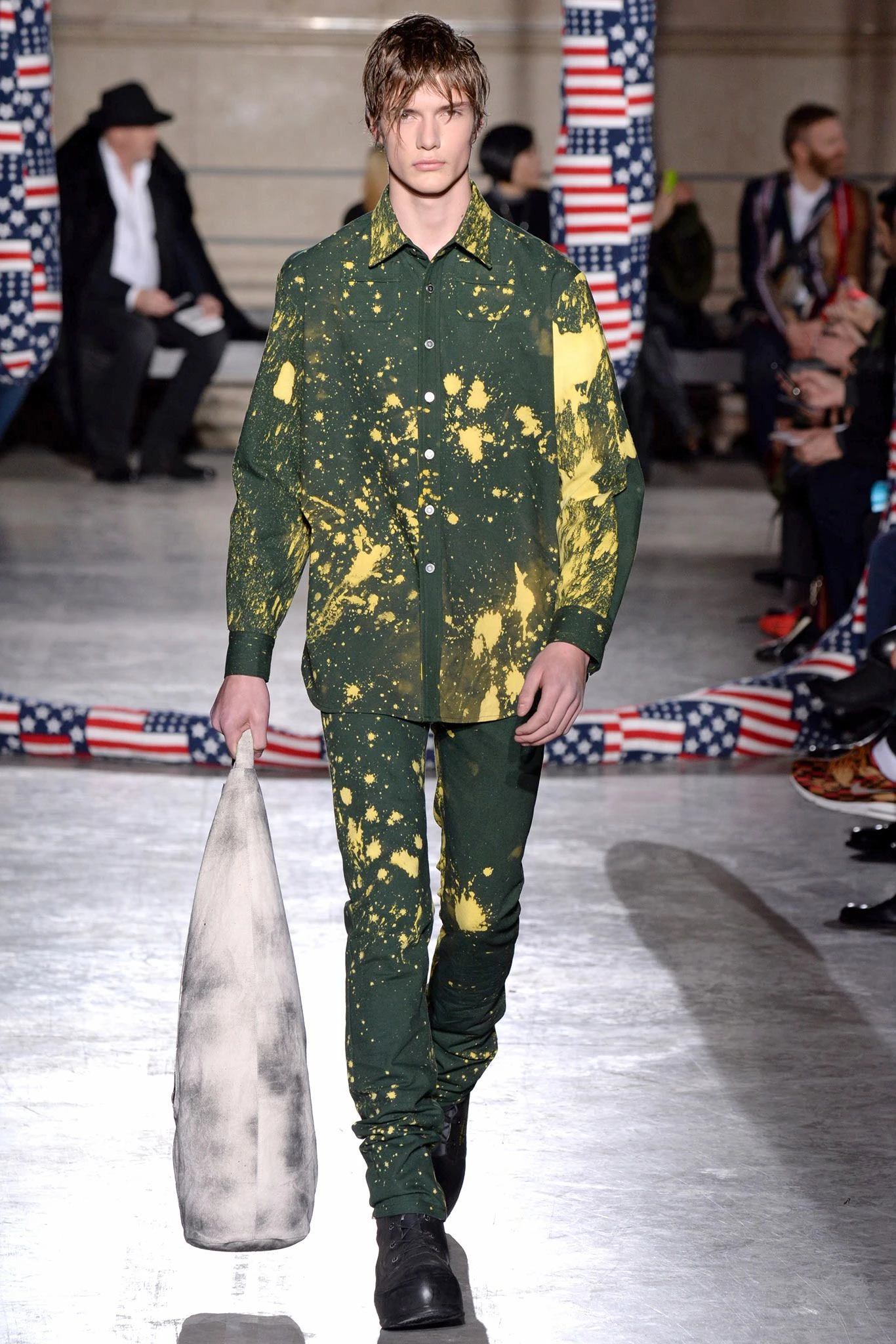 Raf Simons fall-winter 2014/2015
This question explains why there has been so much discussion this week about whether Zhang Jinyi from Balenciaga had a bag. It's not always easy to tell these days. When stained shirts appeared at the Prada show, opinions were divided. Some in the audience doubted whether such things were worth wearing. One TikTok user called the trend “collapsed economy core.” Another suggested that it could be a reference to the popularity of second-hand items. After all, if you find a rare Prada item on The RealReal, many are willing to overlook small stains.
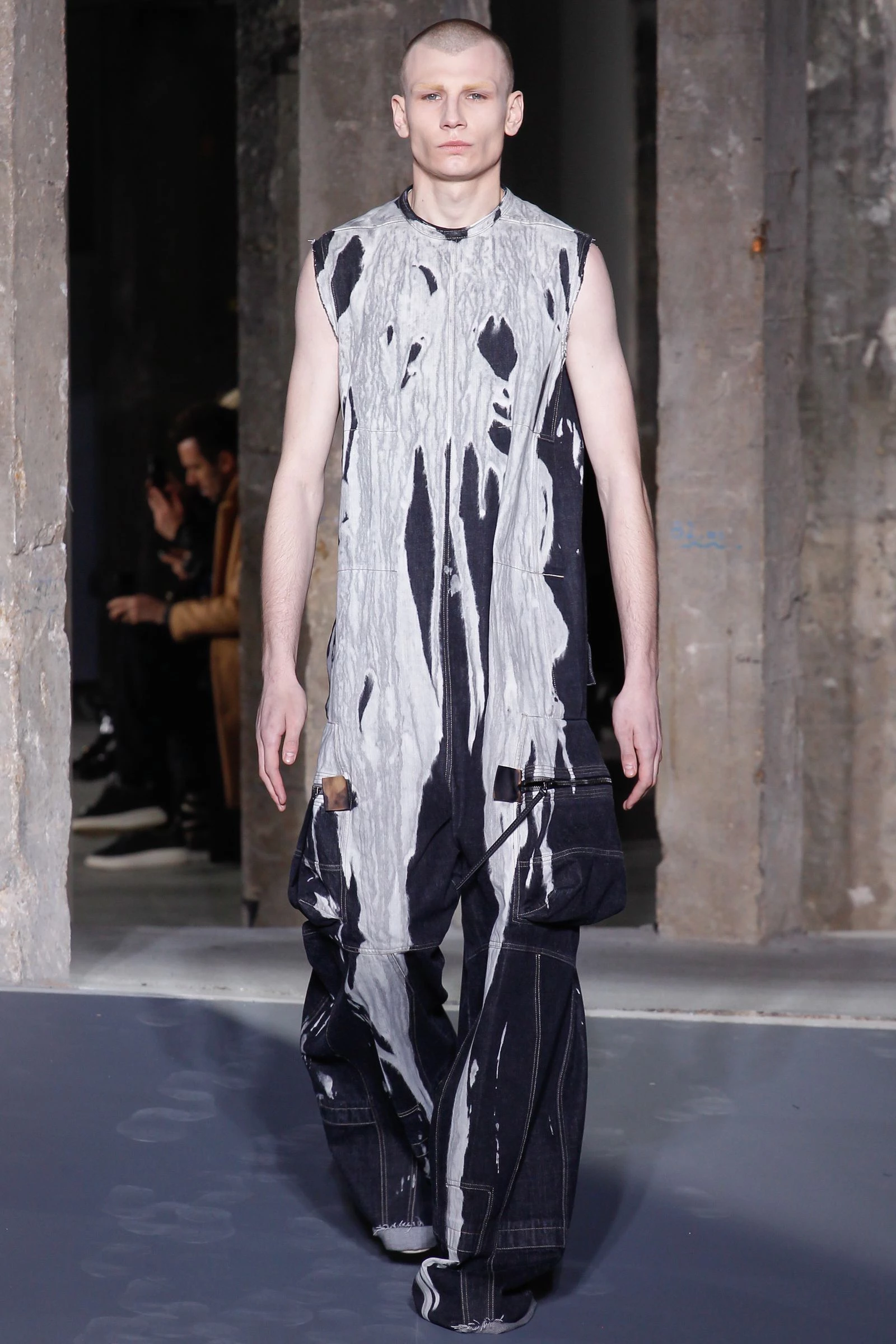 Rick Owens fall-winter 2016/2017
Regardless of how you evaluate this trend, the conclusion is simple. You don't have to spend a lot of money on things that look worn out. What's more important is not to treat clothes as if they were inviolable objects. Clothes are made to be worn.
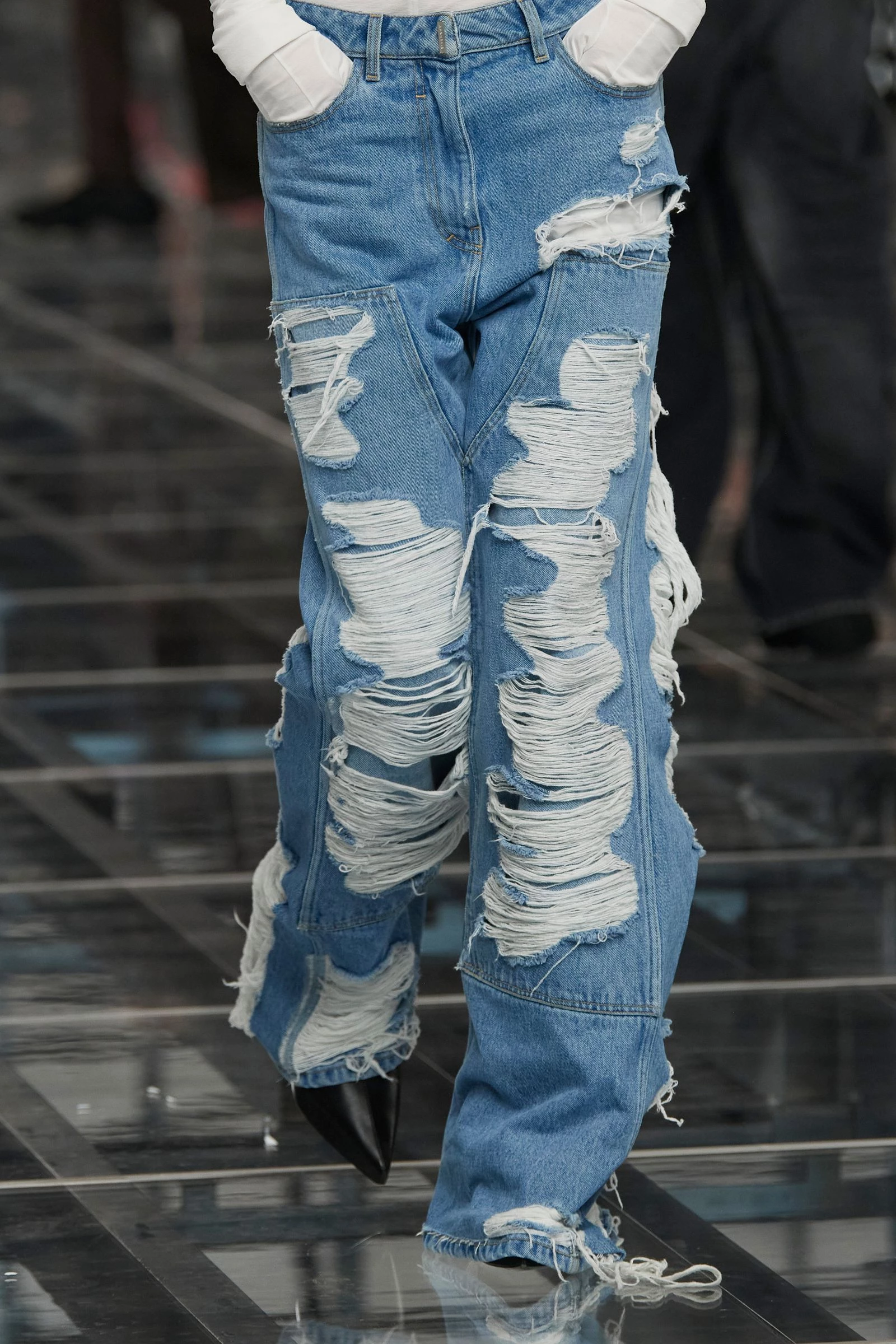 Givenchy fall-winter 2022/2023
In the 2000s, Mary-Kate Olsen wore a wine-stained Balenciaga City bag. Jane Birkin carried her Hermès bags overflowing. These are examples of a different approach to fashion. In 2026, this approach is relevant again. It's worth loving your things, wearing them regularly and letting them live with you. Life is not perfect, so neither should your clothes be.
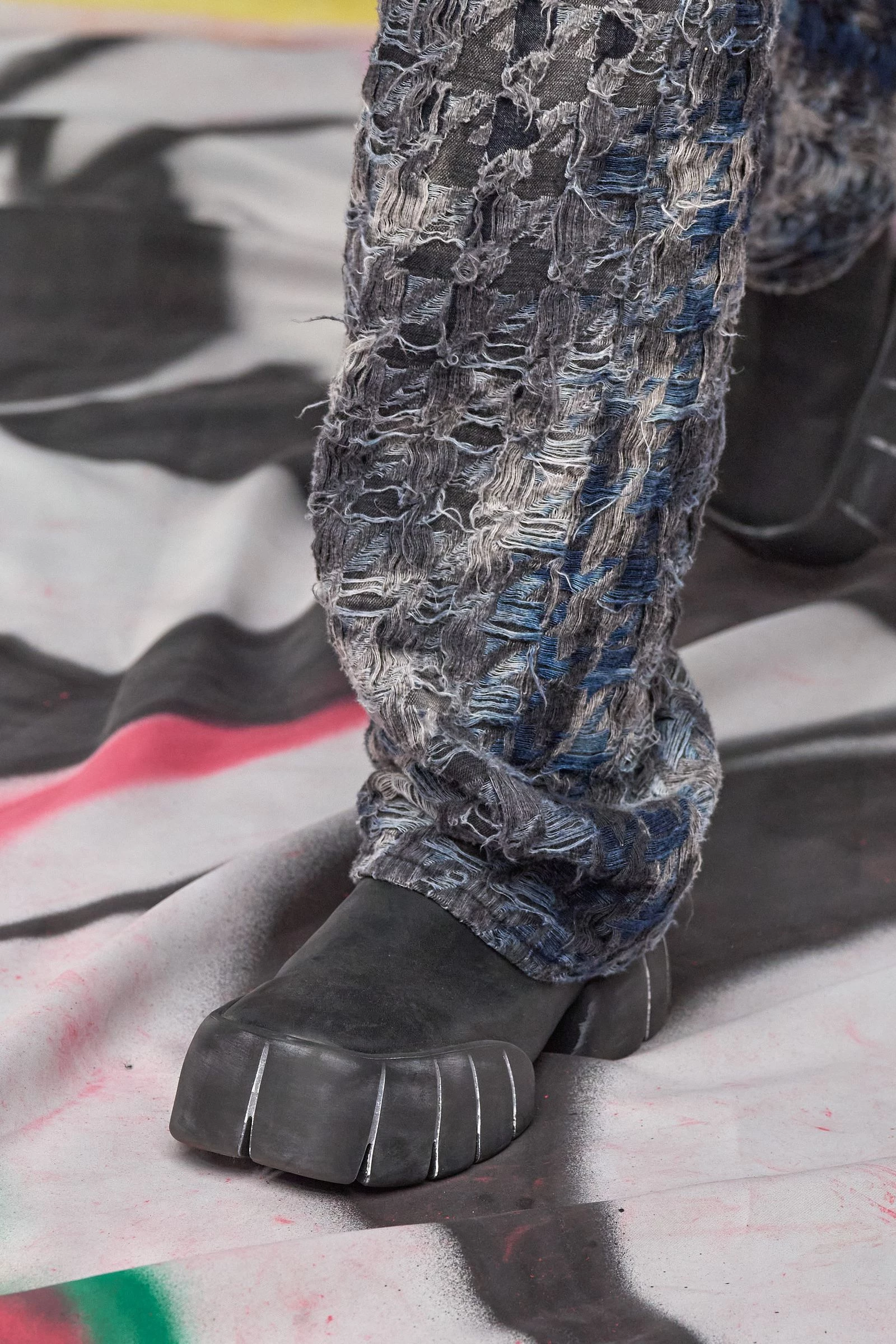 Diesel fall-winter 2025/2026
Based on material from vogue.com