

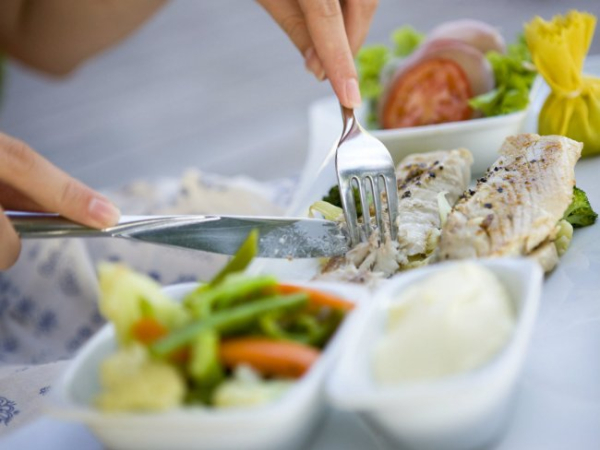
You can lose three to eight kilograms in two weeks with the help of a popular protein diet. It's high in protein—meat, eggs, and fish—while vegetables and fruits, while they brighten the overall picture, are present in small amounts and on specific days. This means we're deliberately creating a carbohydrate deficit and a protein excess in the body. Moreover, the carefully chosen daily rotation of foods creates a specific digestive rhythm, which shocks the body and forces a drastic metabolic adjustment.
This is why a protein diet is not a system of healthy eating principles designed to last for years. It can't be the foundation of a lifestyle. Experts typically recommend losing no more than 1 kg per week. With a protein diet, rapid metabolic changes lead to rapid weight loss. This is why following certain rules is especially important.
1. Strictly adhere to the sequence—what to eat and on what day . Any substitutions or rearrangements will be unnecessary and harmful to the body, which is already working under extreme conditions. Moreover, only by strictly following all instructions will the necessary metabolic restructuring occur.
2. The only relaxation is in portion sizes . If you can't eat the prescribed amount all at once, divide the dose into several meals or simply reduce it. But remember: an adult not on any special diet should consume 1,500-2,000 kcal per day (depending on physical activity).
3. Some days will be especially difficult, sometimes almost unbearable . These are usually the third, fourth, fifth, twelfth, thirteenth, and fourteenth days. Try to distract yourself, drink warm water, keep yourself busy, and stay away from your voluptuous drinking and chewing brethren. Your task is to endure!
4. A protein diet is stressful for the body , so it should not be repeated for at least two years.
5. Excess protein puts a lot of strain on the body , especially the kidneys. Therefore, try not to eat too late before bed.
6. This diet is primarily suitable for young people who lead an active lifestyle. However, it is contraindicated for the elderly and very obese, who already have a high risk of developing blood clots, and protein further increases blood clotting and the risk of blood clots.
7. The rule “the faster you lose weight, the faster you gain it back” also applies to a protein diet. To prevent this, after completing a protein marathon, switch to a balanced diet, monitor your weight, and exercise.
8. Drink at least 1.5 liters of boiled or mineral water every day . This is very important! If the diet is difficult to tolerate, you can drink more and warm up the water.
Week 1
Monday
- Breakfast: black coffee
- Lunch: hard-boiled eggs, a glass of tomato juice, boiled cabbage with vegetable oil
- Dinner: boiled or fried fish
Tuesday
- Breakfast: black coffee with a crouton
- Lunch: boiled or fried fish with cabbage or vegetable salad in vegetable oil
- Dinner: a glass of kefir and 200 g of boiled beef
Wednesday
- Breakfast: black coffee with a crouton
- Lunch: apples and a large zucchini (fried or stewed in vegetable oil)
- Dinner: 2 hard-boiled eggs, 200 g boiled beef, cabbage salad with vegetable oil
Thursday
- Breakfast: black coffee
- Lunch: 3 large boiled carrots seasoned with vegetable oil, 1 raw egg and 15 g of cheese (except cream cheese)
- Dinner: fruit
Friday
- Breakfast: raw carrots seasoned with lemon juice (you can drink the juice mixed with water)
- Lunch: a glass of tomato juice with a large fried or boiled fish
- Dinner: fruit
Saturday
- Breakfast: black coffee
- Lunch: Half a boiled chicken and fresh cabbage and/or carrot salad
- Dinner: raw grated carrots (about 1 cup) with vegetable oil, 2 hard-boiled eggs
Sunday
- Breakfast: tea
- Lunch: fruit and 200 g of boiled beef
- Dinner: the same as on any day of the diet, except the 3rd
Week 2
Now repeat the menu, turning it upside down. That is, on Monday of the second week, eat the same as Sunday of the first, and so on. On Tuesday of the second week, your menu will match Saturday of the first week, Wednesday will match Friday, Thursday will match Thursday, Friday will match Wednesday, Saturday will match Tuesday, and finally, on the last Sunday of your diet, you will eat the same as Monday of the first week.
Commentary from a specialist
One of the most popular diets—the high-protein, or Japanese, diet—contains excessive amounts of fat and protein and very few carbohydrates. The diet places a strong emphasis on coffee consumption. In the morning. On an empty stomach. Still sure you want to try it?
The diet claims to restructure your metabolism. Yes, it does restructure, but not in the way you'd like. It slows down. And the main reason is the diet's low calorie content. You can't consume less than 1,000 kcal per day, and with this diet, your daily calorie intake is often significantly lower.
A protein diet is a poor imitation of a pre-competition athlete's diet, the goal of which isn't weight loss, but rather minimizing body fat. And they only need results for the couple of hours they'll spend on stage. In your case, a lack of carbohydrates will result in muscle loss first, and possibly fat later. The tricky part is that when the diet ends, your muscles won't fully recover. They'll be replaced by that same… hated fat.