

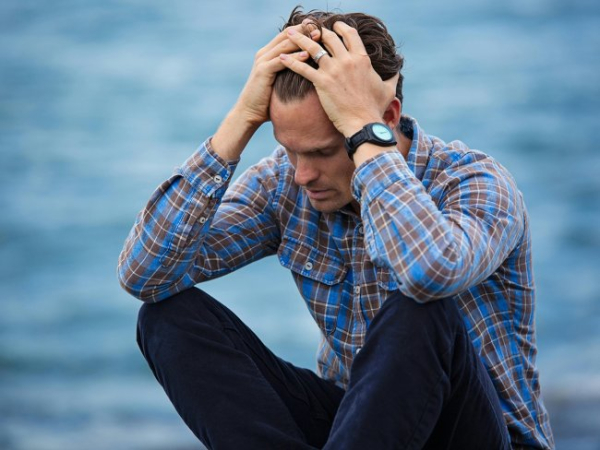
Stress most often occurs when there's an imbalance in your life on a physical, emotional, mental, and psychological level. We're overdoing it, have a pessimistic outlook on life, and experience pressure at work and at home, which leads to stress.
Stress negatively impacts our health and our lives. We become sick, irritable, tense, tired, and unhappy. If we want to lead a healthy lifestyle, we must learn to manage stress, or better yet, try to keep it out of our lives. To do this, we need to take control of our thoughts, emotions, tasks, actions, and our lives. Then we can return to balance and harmony in our lives. So, let's look at some ways to avoid stress.
1. Managing your time
If you feel like you have a lot to do but not enough time to accomplish it, take a closer look at how you spend your time.
To improve time management:
* Save your time by concentrating and focusing on the most important matters and tasks;
* Prioritize your tasks and activities based on the task's importance and urgency rating;
* Redirect your time to those tasks that are important and meaningful to you;
* Avoid doing things that are not important to you;
* Use a diary and task planner;
* Take breaks between large projects for smaller ones;
* Set short-term and long-term goals;
* Build a healthy strategy for your affairs and, accordingly, for your life.
2. Managing your lifestyle
Our behavior and our lifestyle also influence the occurrence of stress.
They don't always directly cause stress, but they do affect our body's and mind's resistance to stress. For example, our body tries to fight and release stress during sleep, but if we don't get enough restful sleep, we simply can't adequately recover from the stresses of the day.
To manage your lifestyle:
* Maintain a balance between work, personal and family commitments;
*Have a purpose in life
* Examine your life beliefs, principles and goals to reduce the amount of conflict between what you want from life and what it actually is
* Sleep as much as your body needs, get enough sleep
* Try to eat right, eat more healthy food
* Get moderate exercise throughout the week
* Limit alcohol consumption
* Try not to smoke
* Learn to relax. Treat yourself to good weekends and don't forget about vacations.
* Take life easier
* Be happy with what you have and thank life for it.
3. Seek support
Use your own social networks and seek support there during difficult times.
It never hurts to have support from loved ones—parents, spouse, children, friends, and even acquaintances. Sometimes you need to speak up and have someone listen, offer advice, maybe even sympathize, or, on the contrary, rejoice for you and your successes. If you find yourself without loved ones around when you need it most, try social media, communities, and online blogs. Connecting with people, receiving friendly support, and advice from others is always helpful.
4. Change your thinking
You may need to change your thinking to reduce stress. Your thoughts affect your feelings and your overall life. When an event triggers negative thoughts, you may experience fear, uncertainty, anxiety, depression, anger, guilt, and even feelings of worthlessness or helplessness. These emotions can not only cause stress but also worsen your body's stress response. Dealing with negative thoughts only makes your condition worse.
To change your thinking:
* Avoid negative thoughts and if they appear, try to destroy them as soon as they appear
* Avoid exaggerating negative thoughts
* Try to think about the best and expect the best
* Be more positive
And most importantly, don’t let stress steal precious moments of joy and happiness in your life.