

Full houses, modern productions and new stars – Ukrainian theatre is experiencing a new stage of development. Vogue Ukraine took a look behind the scenes of the country's leading theatres: in the final material of the series on our map – the independent Nafta theatre in Kharkiv, which creates bold, politically and socially responsible performances 30 kilometers from the front line.
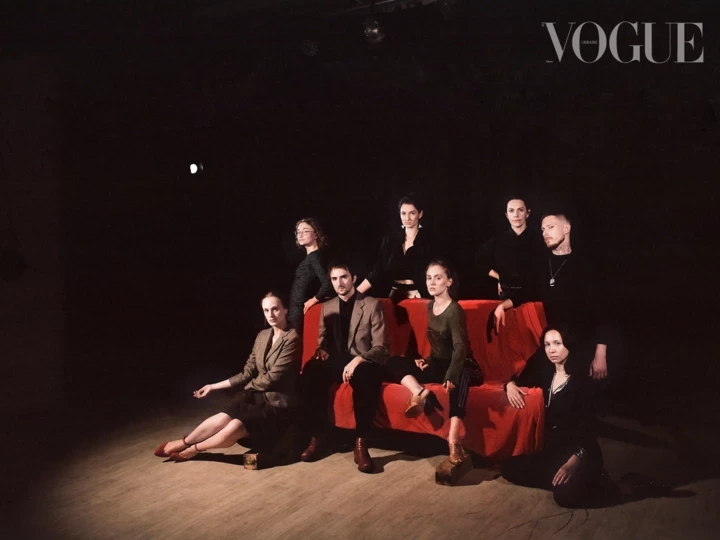
“It's always good in Kharkiv. This is my place of strength,” says Artem Vusyk, director, actor, and co-founder of the Nafta Theater. We talk to Artem and the team, actress and director Nina Khyzhna, and director Tetyana Golubova via Zoom. Kharkiv has hundreds of shades: 40 kilometers away is Russia, 20 kilometers away is hostilities, on the one hand, there is a difficult security situation, on the other, life is in full swing: parking lots are packed, people go to work in the morning, and in the evening they attend concerts and performances.
Advertising.
Tetyana says that their theater is the face of the city, and they have never thought about relocating. When asked if it is not scary to stay, she answers: “I have a tourniquet, and I know how to put it on.” Nina says that in the pauses between explosions there is no relief – on the contrary, at this time you expect shelling, it requires special vigilance. Therefore, for her, life in Kharkiv is a borderline state: “Between tension and a feeling of happiness from the fact that I am where I am supposed to be.”
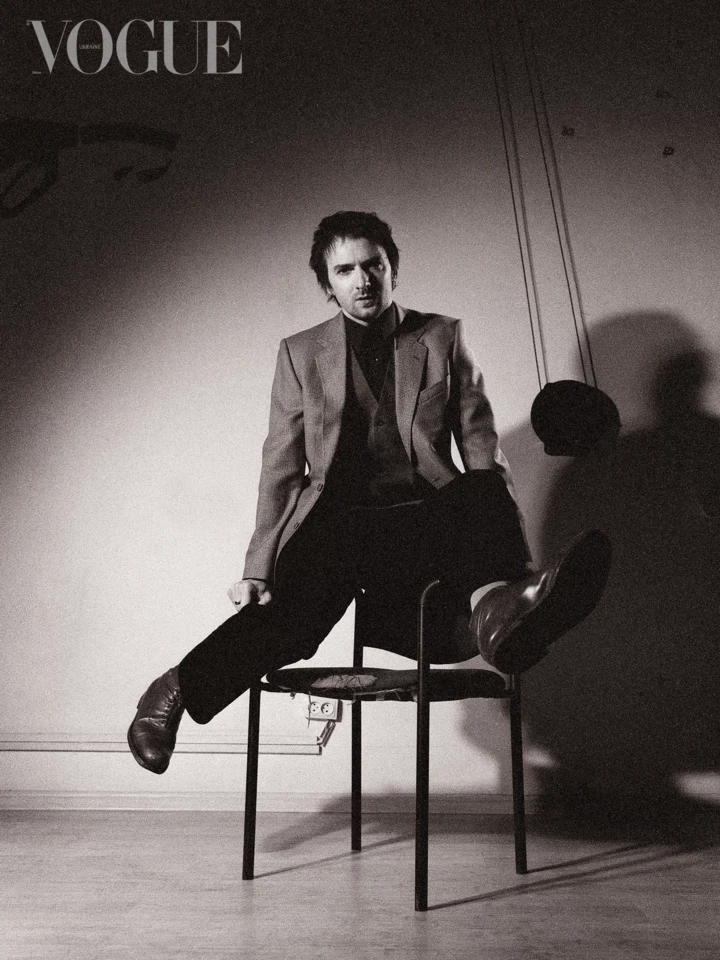
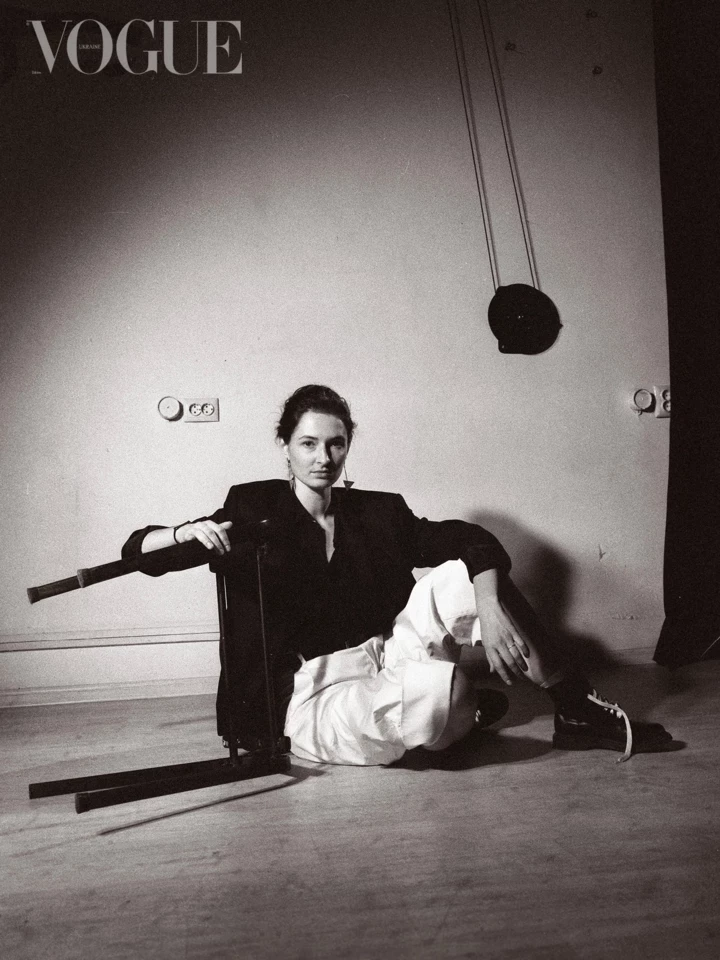
The Nafta Theater is the face of the city, and the team says they have never thought about relocating.
The Nafta Theater's working and rehearsal space is on the second floor of an office building in the center. The windows are covered with bulletproof film, and the team has undergone training in first aid. The performances are performed in a safer place – the basement of the Some People Center for New Culture. Despite the constant shelling, when even the alarm sometimes goes off after an explosion, the theater is always full. The audience is young people, military personnel, artists, writers, and businessmen. Many internally displaced people from temporarily occupied territories settle in the largest city in the East, so a new audience constantly comes to Nafta.
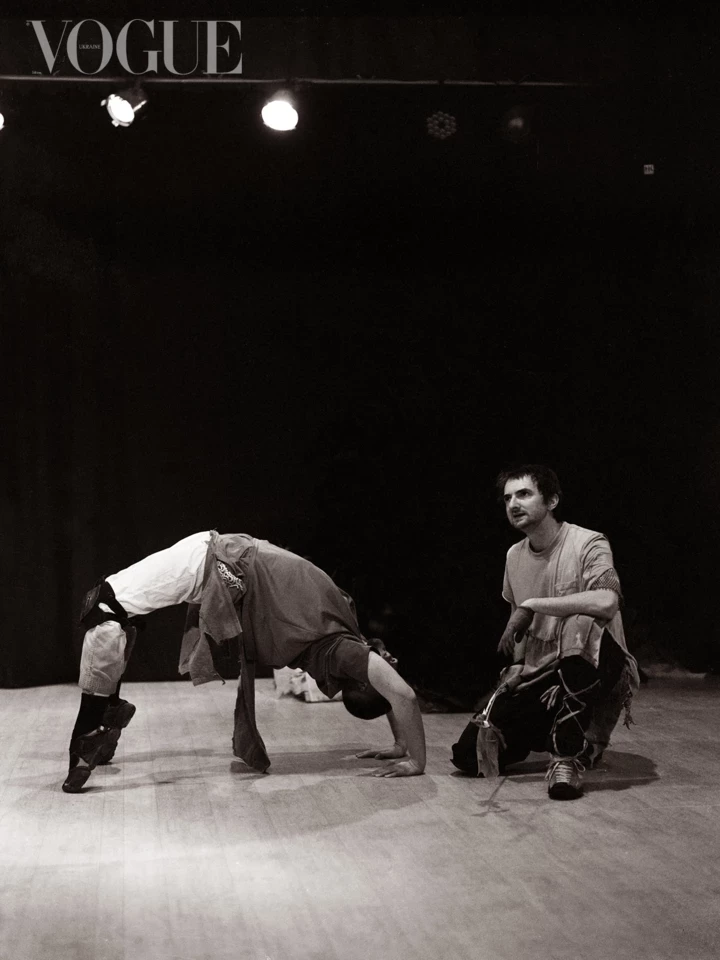
“We are no longer underground, because we gather full halls,” says Artem Vusyk. “Our team is recognizable, performs in different cities and countries. However, we still perceive ourselves as an unconventional, alternative theater, because there are no other such projects in Kharkiv anyway.” Unlike academic state theaters, “Nafta” is an open platform without staff: actors, directors, musicians, choreographers, and artists can contribute with their idea and implement a theater project.
The team calls its theater political and socially responsible: the performances raise the themes of freedom of thought, equal rights, and environmental awareness of society. Its emblem is a dinosaur with a fuel gun: oil has always been an important resource for the existence of the state (just as the theater should be “fuel” for society), and the dinosaur ironically reminds of its origins. Kharkiv is a city where a new Ukrainian theater emerged in the 1920s: director Les Kurbas, writers and playwrights Mykola Khvylovy and Mike Johansen worked here.
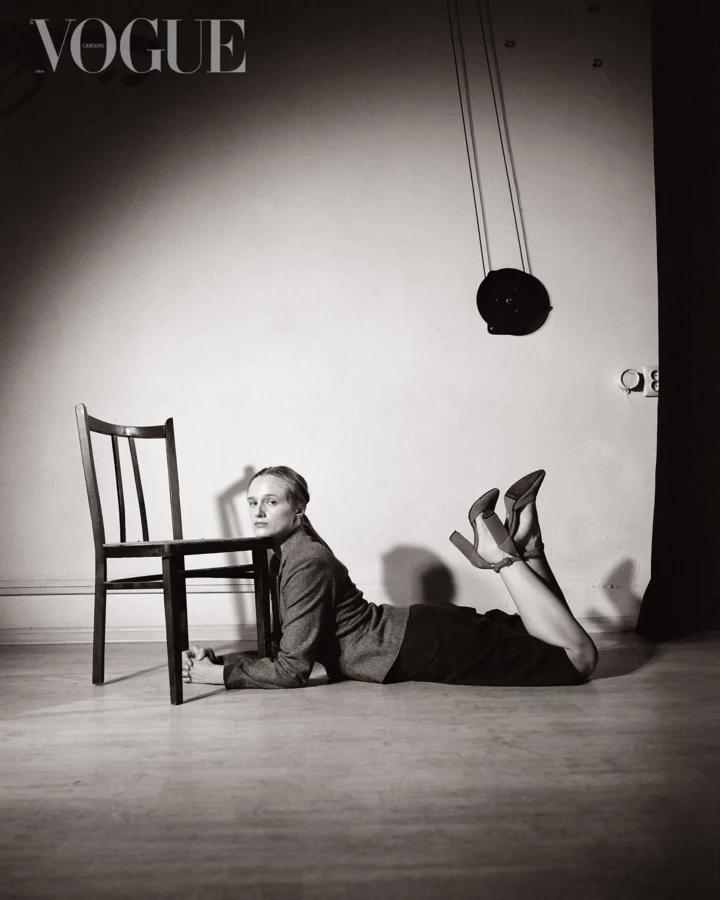
Vusyk says that they involuntarily compare themselves to their predecessors, who a hundred years ago also resisted Russification and the Russian totalitarian regime: “Today we bear responsibility for the memory of them.”
The team calls their theater political and socially responsible: the performances raise topics of freedom of thought, equal rights, and environmental awareness.
The theater's repertoire includes a play about ecocide “Orgy of the Cyborgs” and an impressionist musical play “Hartede 20” about the artists of the Shot Renaissance, directed by Nina Khyzhna, and a comedy about philistinism and Ukrainization “Myna Mazaylo” based on the 1928 play by Mykola Kulish, created in collaboration with the Kharkiv Puppet Theater, which is relevant today.
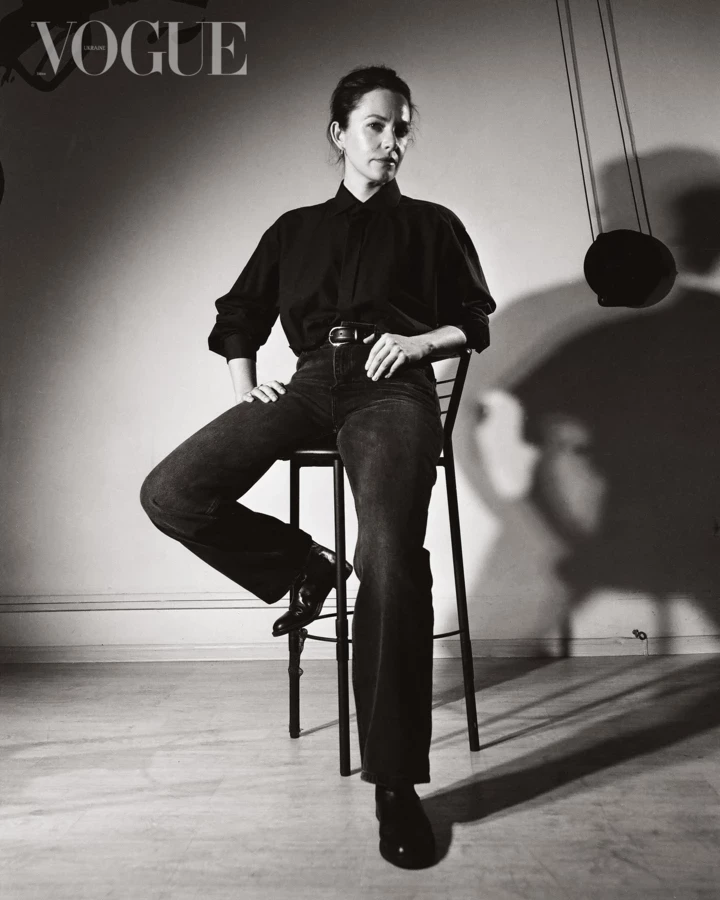
Last year, Artem Vusyk's autobiographical solo performance-concert “Rainbow on Saltivka” won two awards at the “GRA” theater festival, and he himself won the Les Kurbas Theater Award. The humorous punk-rock production is a reflection on Saltivka, the author's native working-class district of Kharkiv, which has suffered the most from shelling since the start of the full-scale war. The awards opened up new opportunities for the director: projects in the state theaters of Kyiv, Dnipro, Lviv, and Sumy, as well as teaching at the acting course at the Kharkiv University of Arts. Artem sees the opportunity to work in education as a mission.
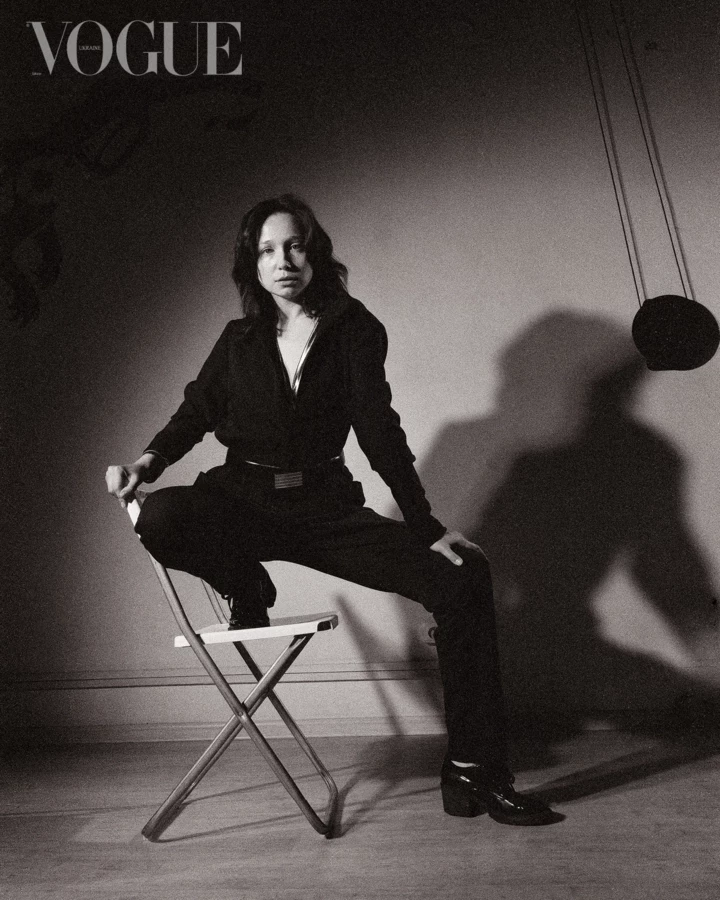
This year, Nafta gave half of its performances at home, the rest in other cities of Ukraine and abroad – in Austria, Germany, Italy, Lithuania. For example, the theater recently participated in the Fringe performing arts festival in Edinburgh, Scotland. There, in August, together with the Ukrainian Institute and the British Council, Nina Khyzhna presented the one-man play “Someone Like Me.”
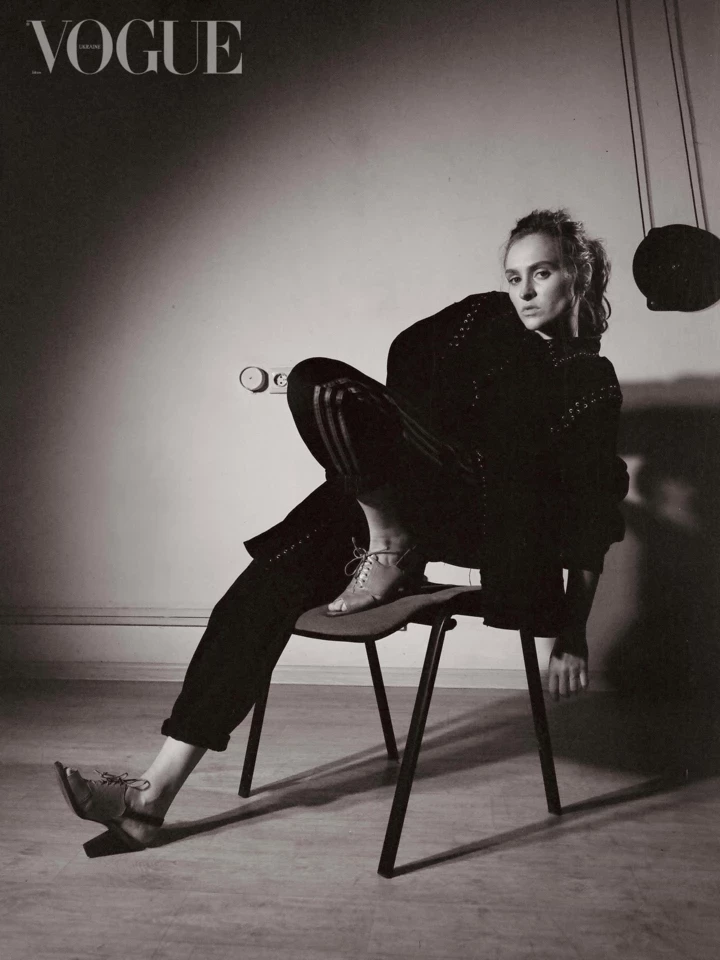
This is a story about a creature that, through the plasticity of its body, experiences the states that people experience during wartime: the author explores how the body reacts to explosions, stress, or, conversely, positive emotions. The production is based on interviews with real people, so the creature performed by Khyzhna embodies many individual experiences of Kharkiv residents. At the festival in Scotland, there is high competition for locations and audience attention: performances follow one after another. Nina performed every day for twelve days in a row.
The one-man show will be performed in two languages: the melody of Ukrainian must certainly be heard. The screening of “Someone Like Me” was accompanied by discussions and English-language materials on social networks. Such communication is especially important in the context of messages about the war abroad: to convey that 40 km from Russia is not scorched earth and not terra incognita, but a city of millions, where, despite everything, theater lives and continues to develop.
Text : Nastya Evdokimova
Photographer: Vasylyna Vrublevska
Video: Yaw Hinne
Editing: Marina Shulikina
Makeup and hair: Daria Zhadan, Maria Pogorelova
Production: Marina Sandugei-Shyshkina, Marie Nikolaenko, Oleg Patselya