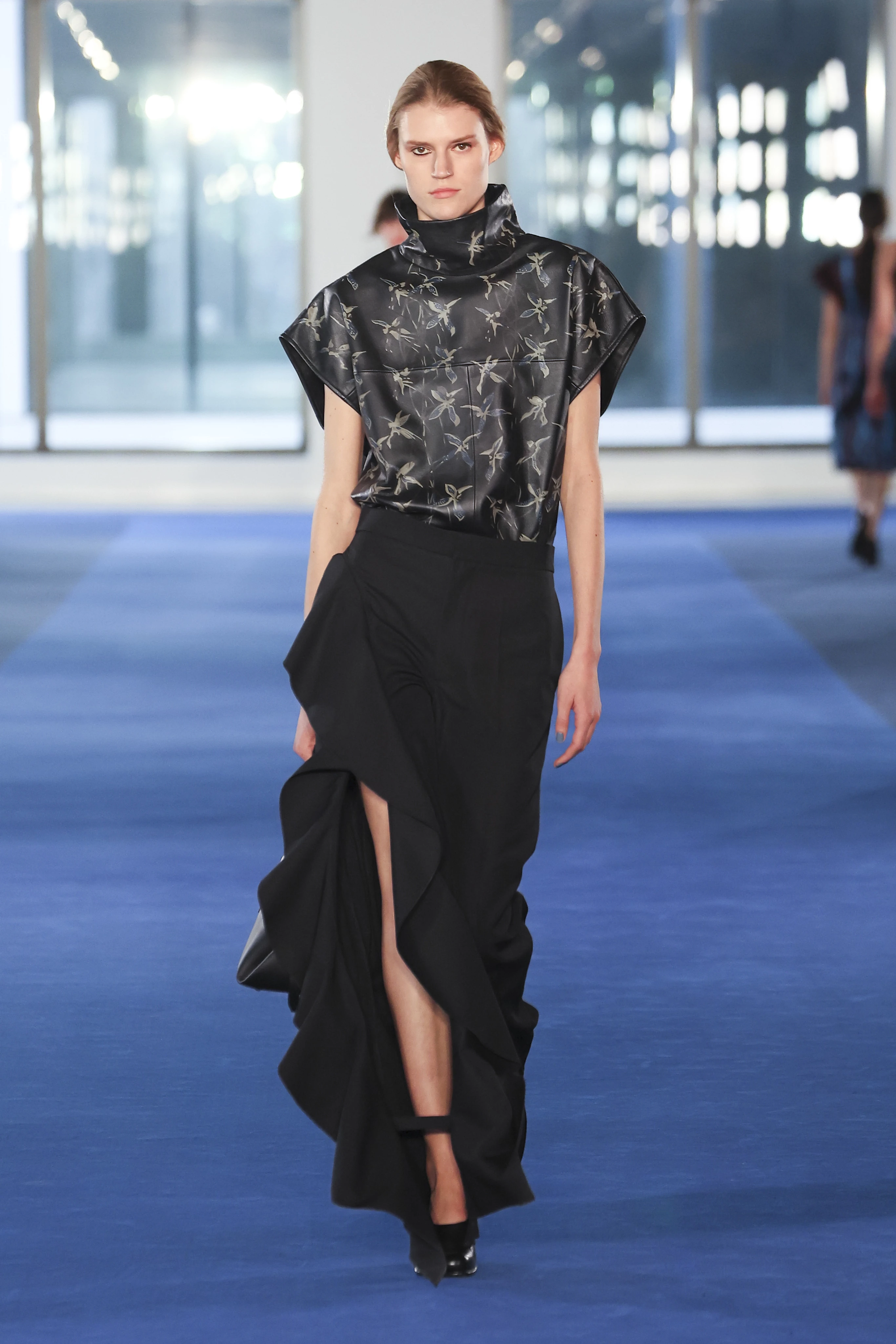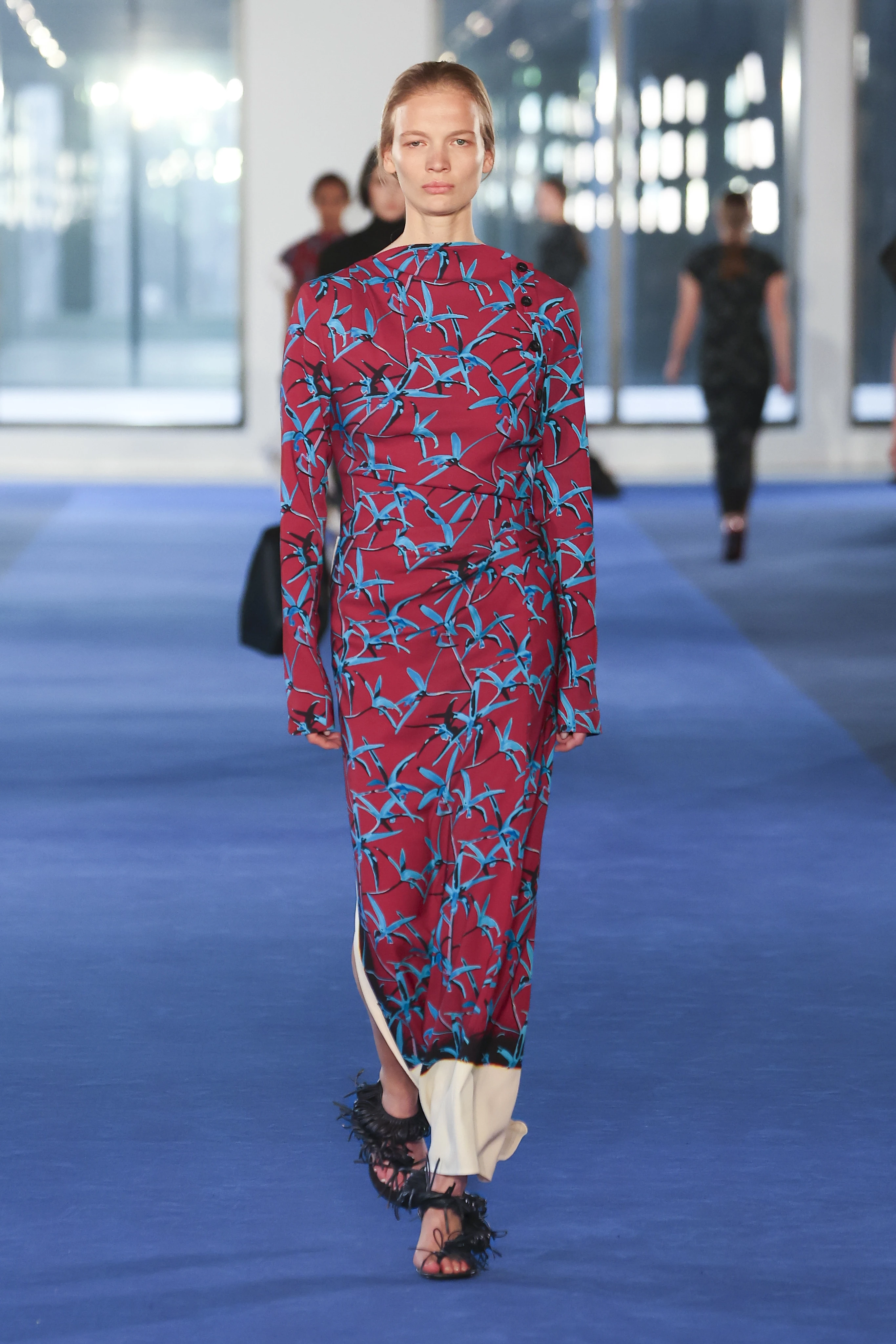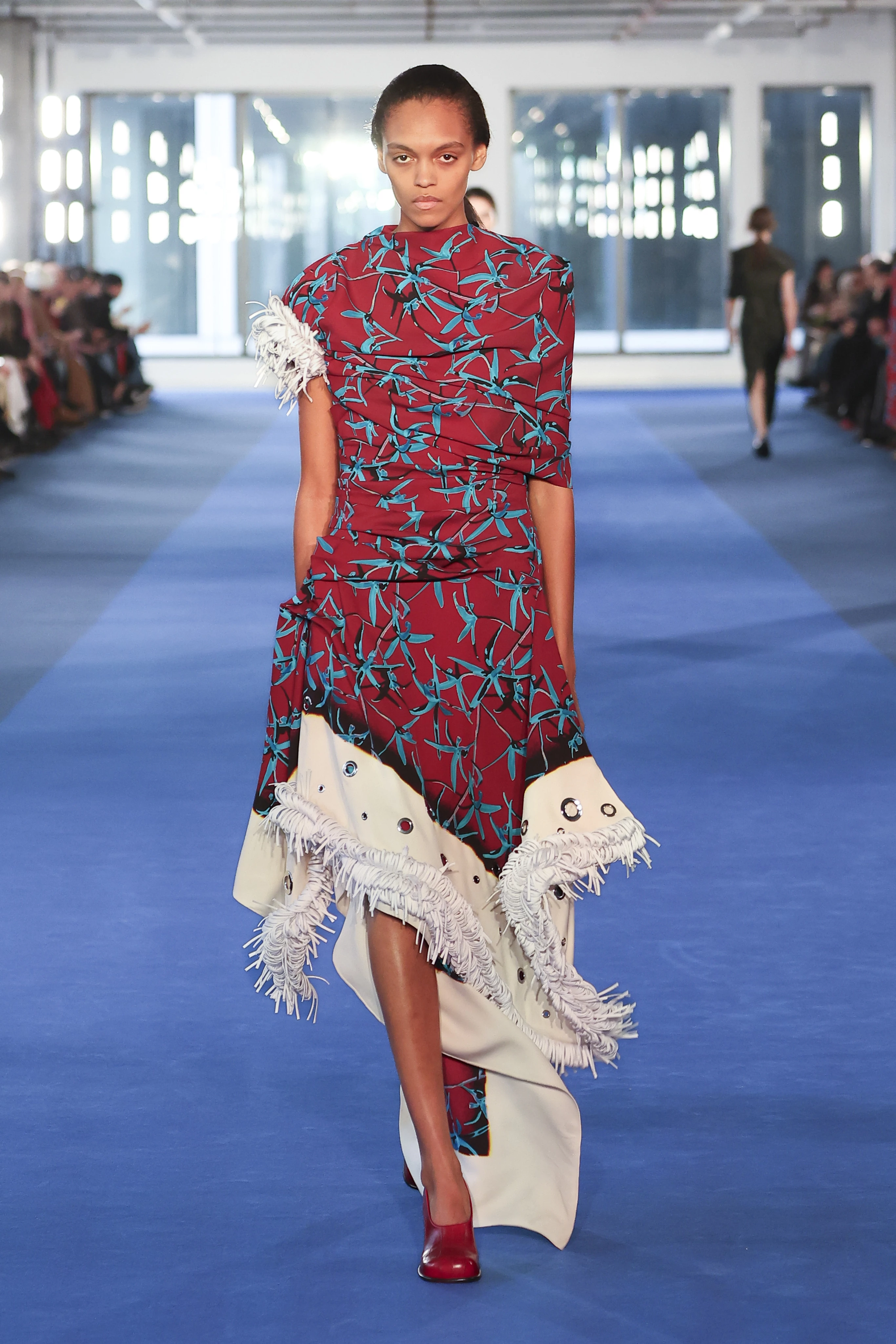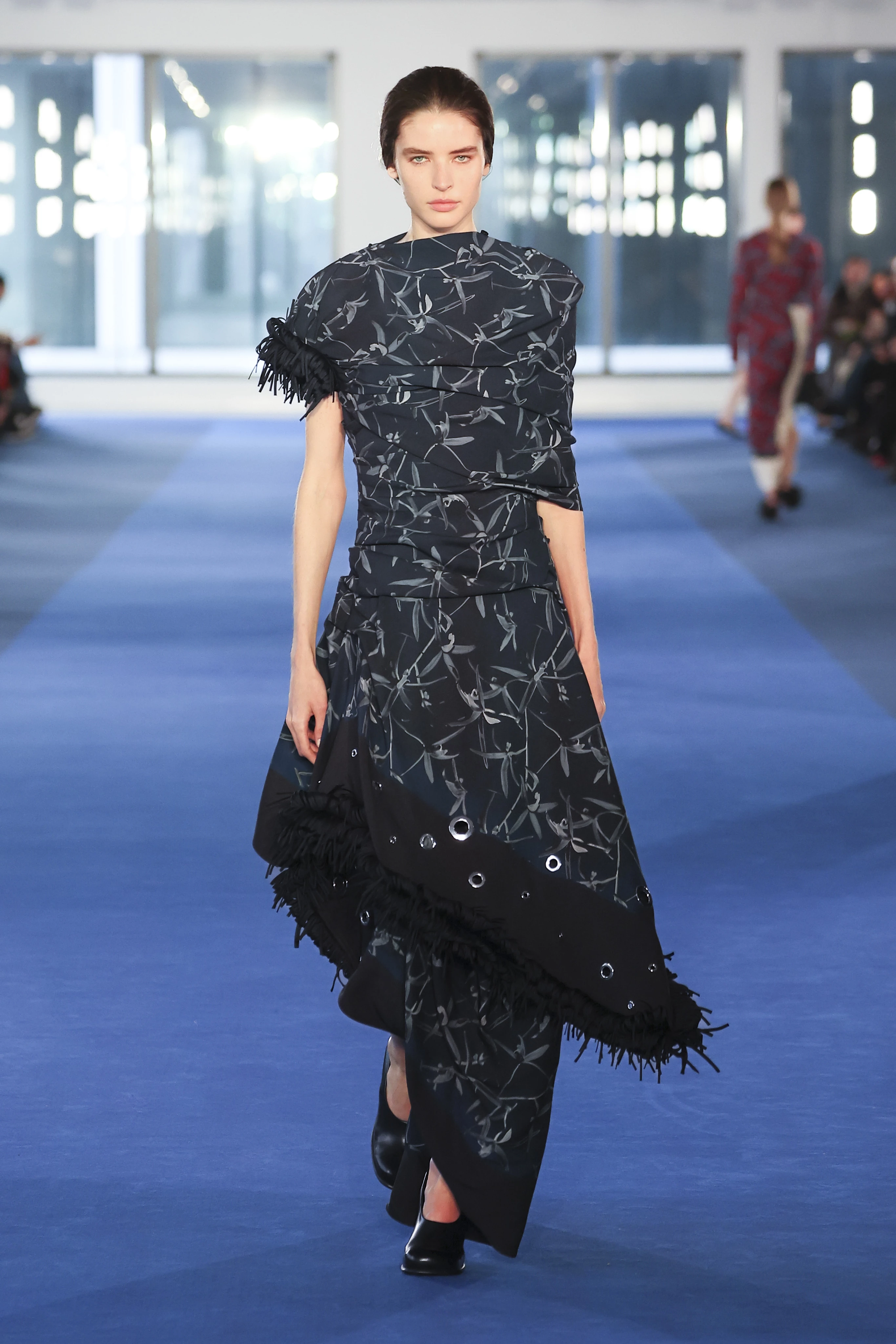

Rachel Scott took over Proenza Schouler just days before the brand’s New York Fashion Week show last September. But this collection was her real debut—her first from the ground up since founders Jack McCollough and Lazaro Hernandez left to head Loewe in Paris. And it comes just four days before Scott is due to launch her own label, Diotima. Balancing the two brands, she has arguably become one of the busiest designers of the season—and one of the most exciting.
Advertising.
It is no coincidence that she describes the heroine of this collection as “punctual and always on time – but today she is late.” In this phrase is the key to her vision. Explaining the difference between her own approach and the aesthetics of her predecessors, Scott admits: “I always felt like there was glass between you and this woman. She was flawless. Too perfect. And the idea of perfection is a little scary to me.” Her Proenza Schouler is an attempt to remove this distance, to make the image less unattainable and more alive.
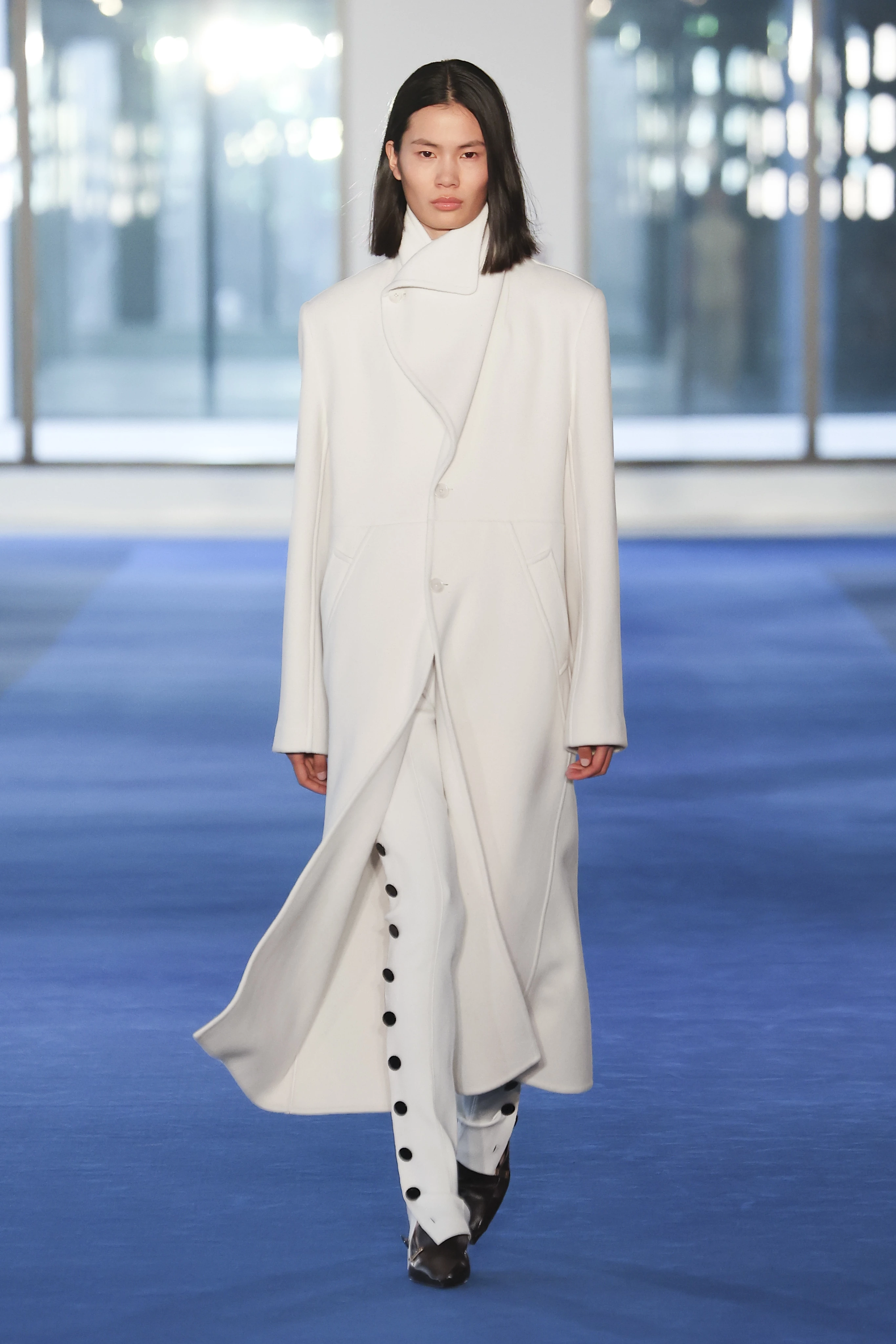
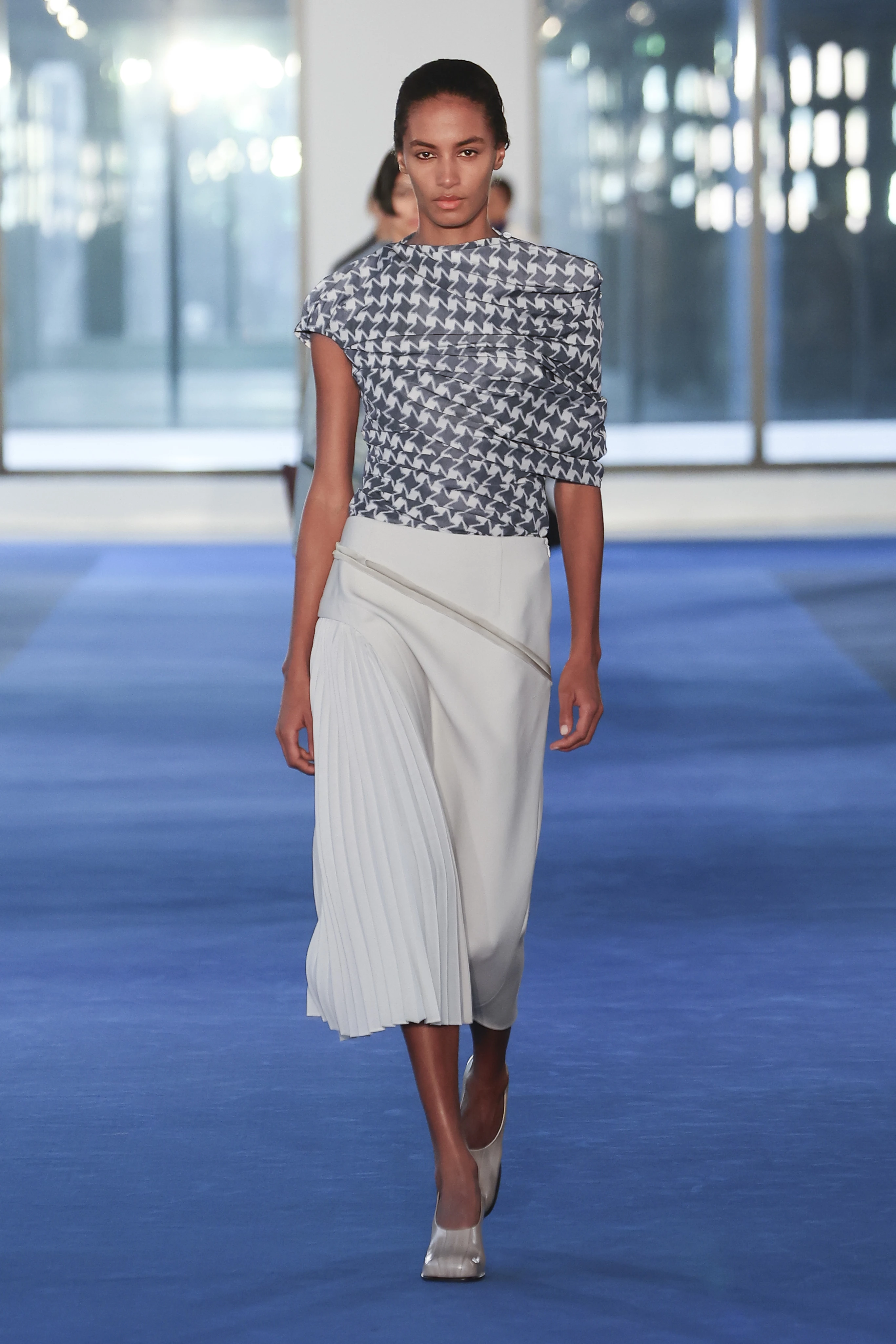
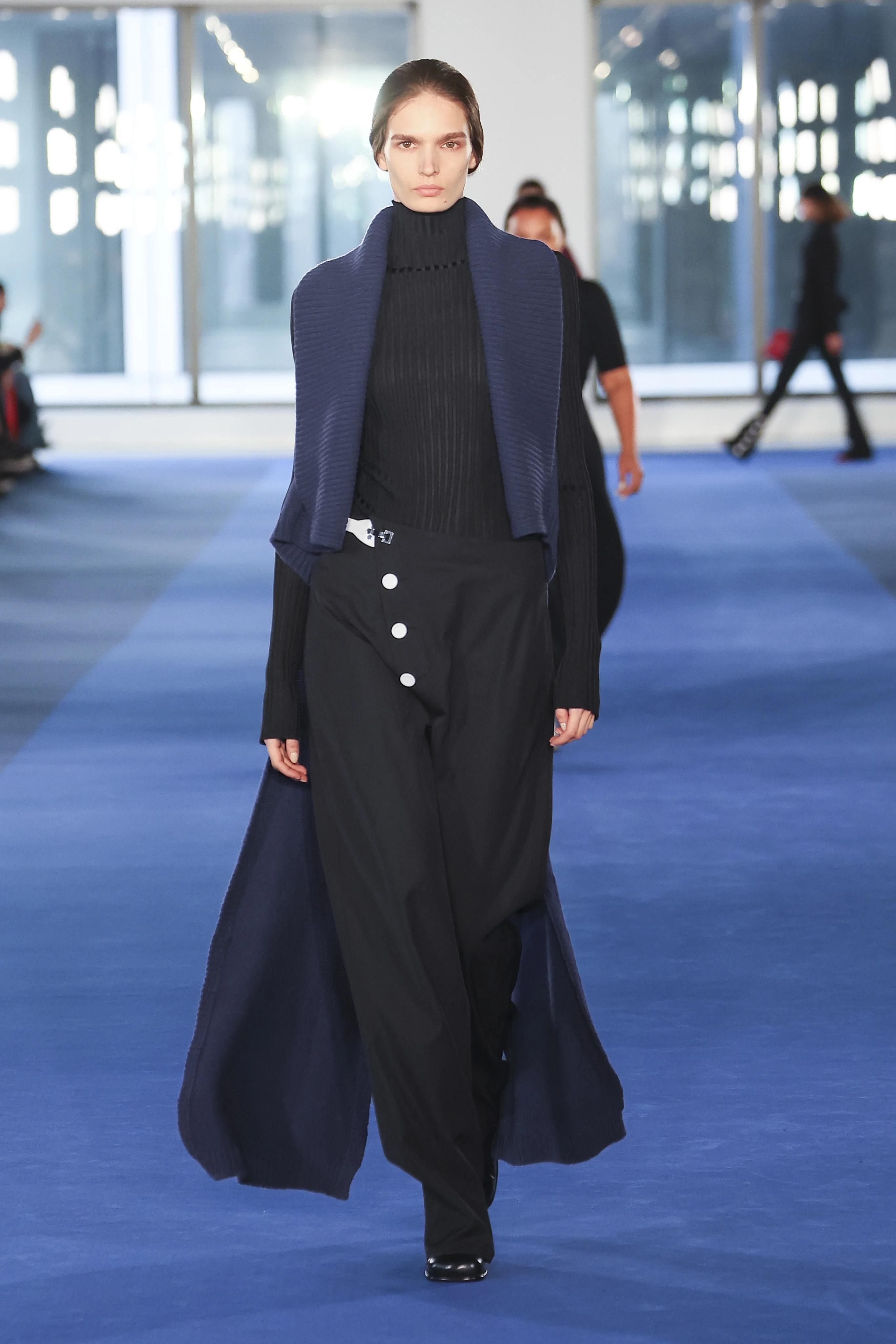
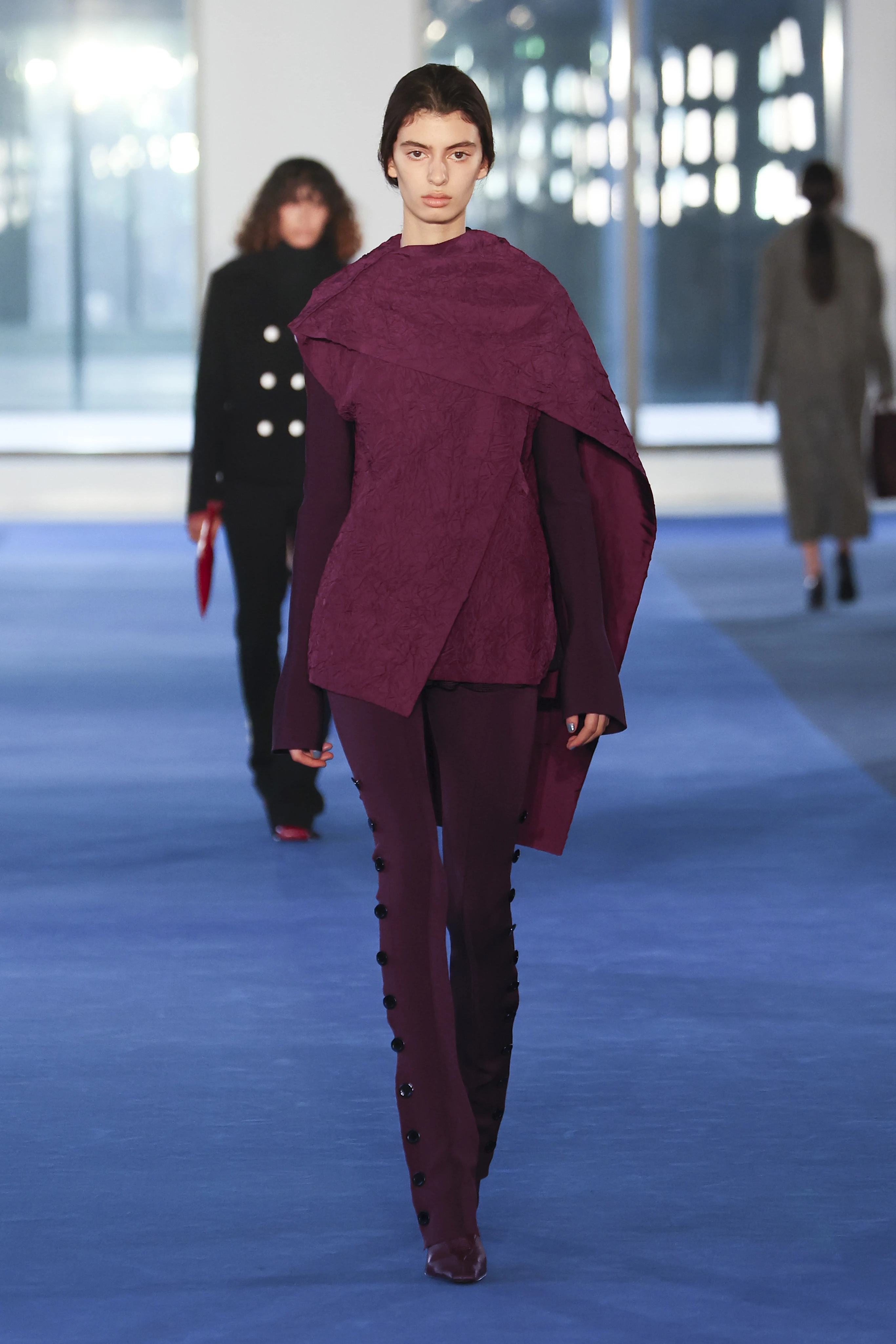
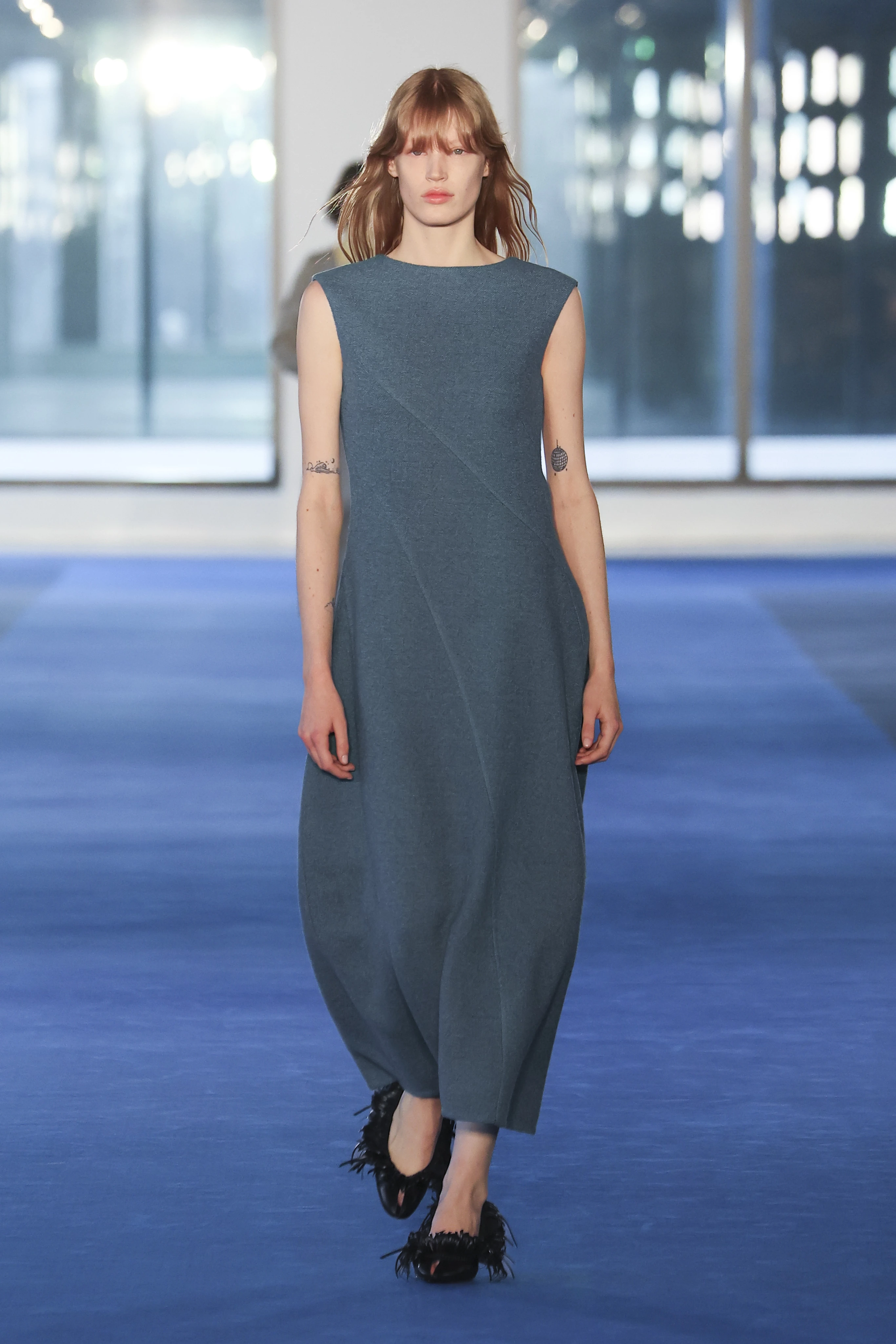
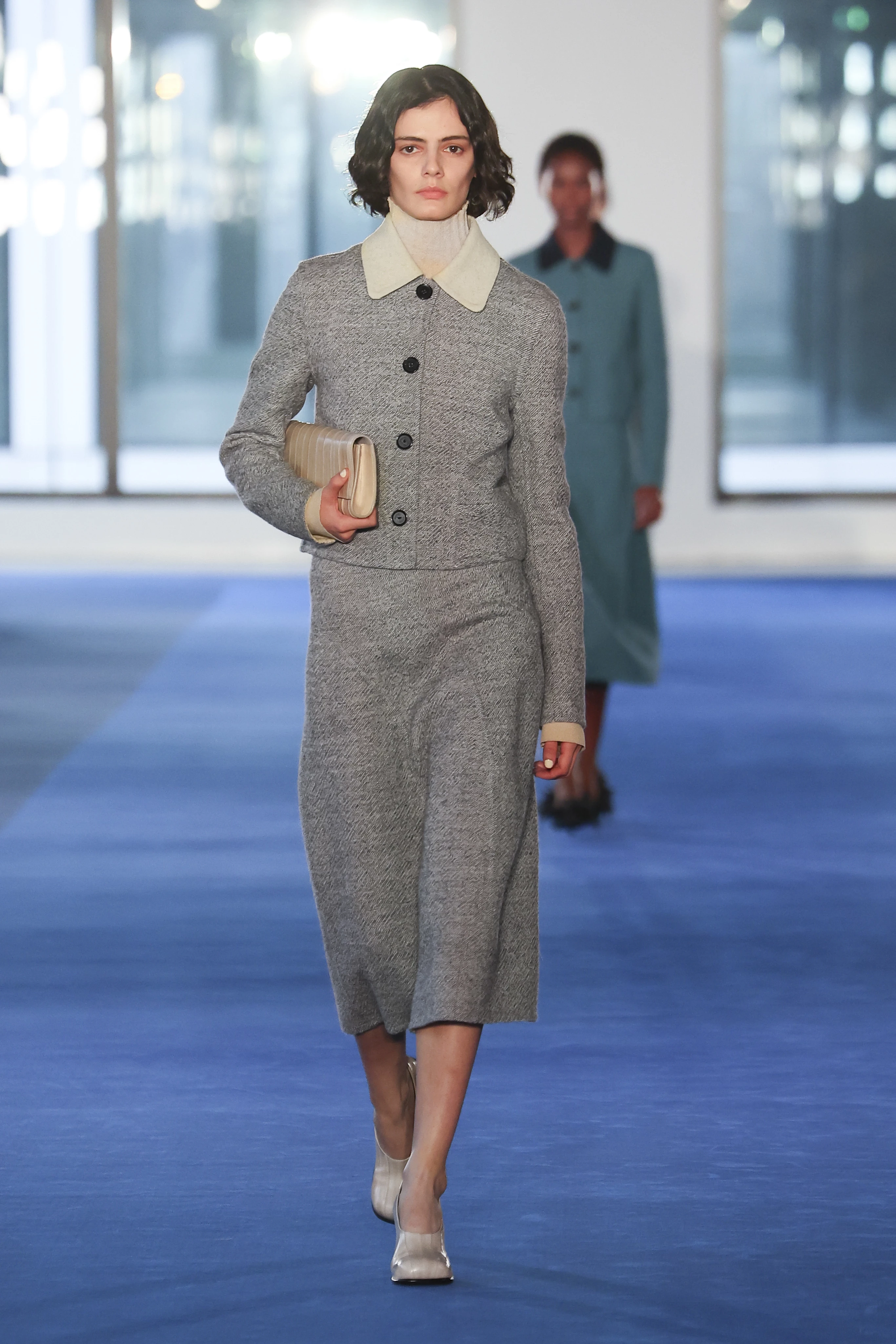
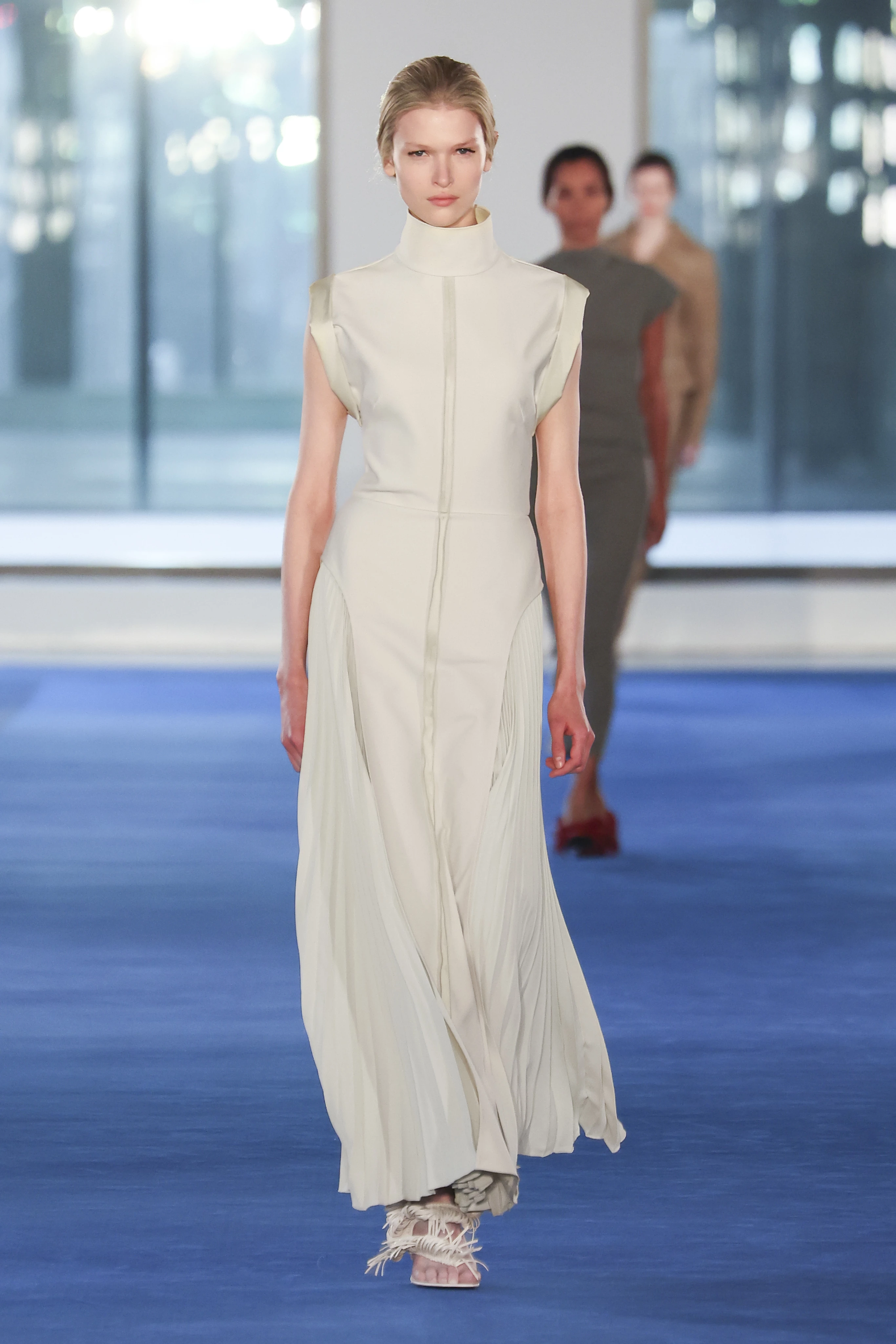
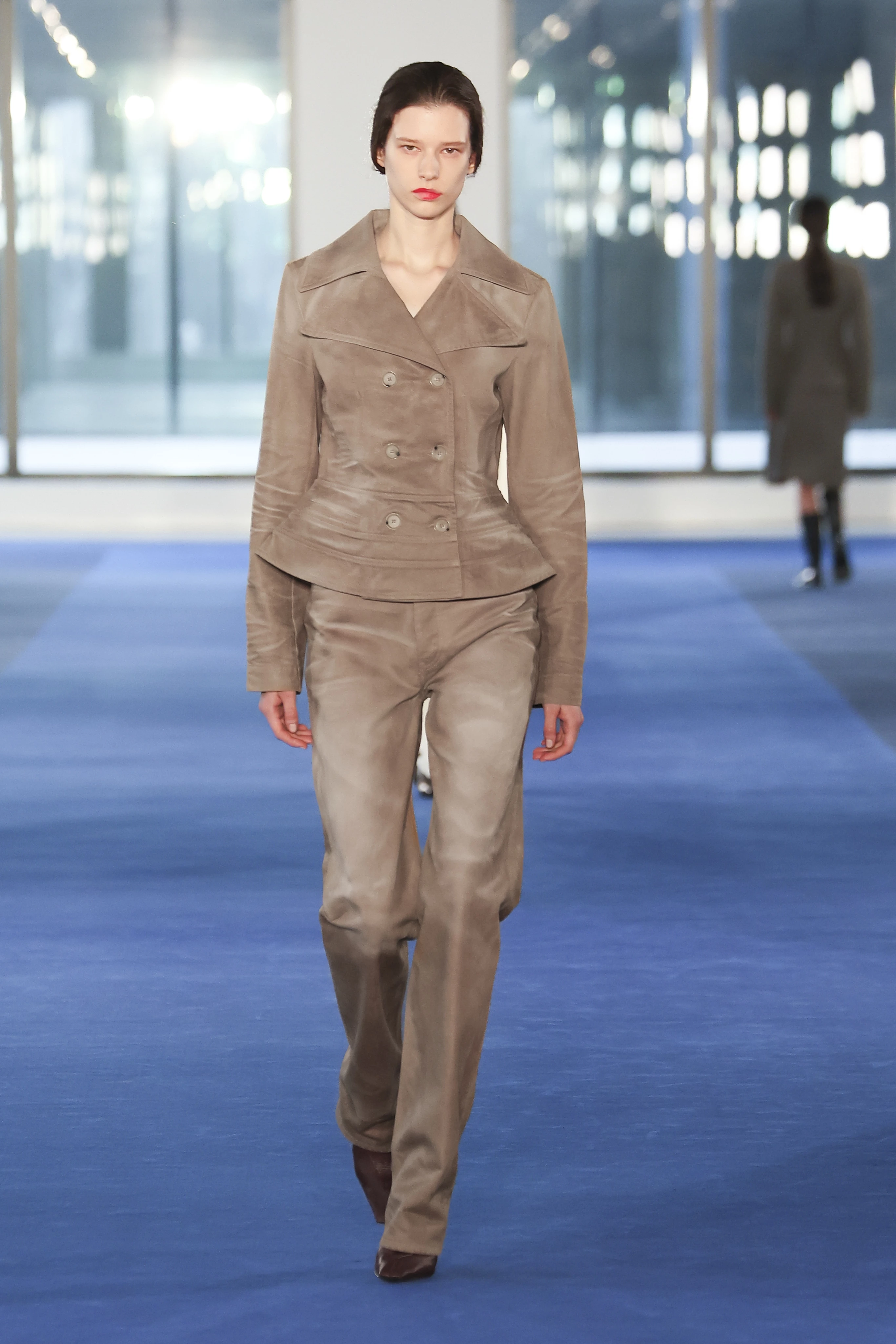
On the catwalk, this transformation unfolded gradually. The first appearances — a dress with a sculptural rounded skirt and impeccably tailored suits with midi skirts — were restrained and verified. But with each subsequent image, nuances appeared that violated this impeccability: asymmetrical lapels of a milk coat, buttons sewn diagonally and those that formed a soft draped line of a dress with long sleeves, tucks brought out on a bright red sheath dress. It was this deliberate “mistake” that created a sense of movement, humanity and internal tension.
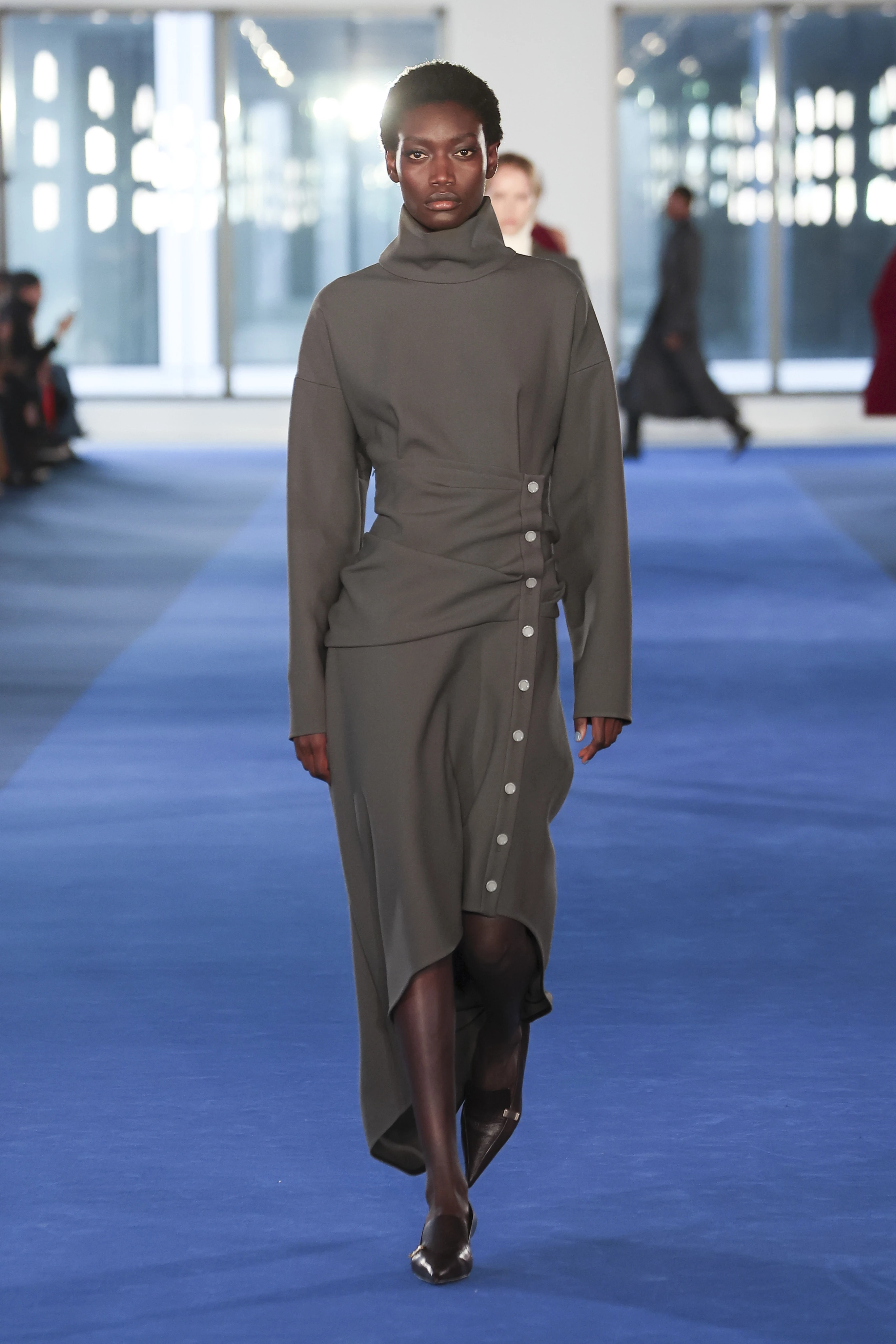
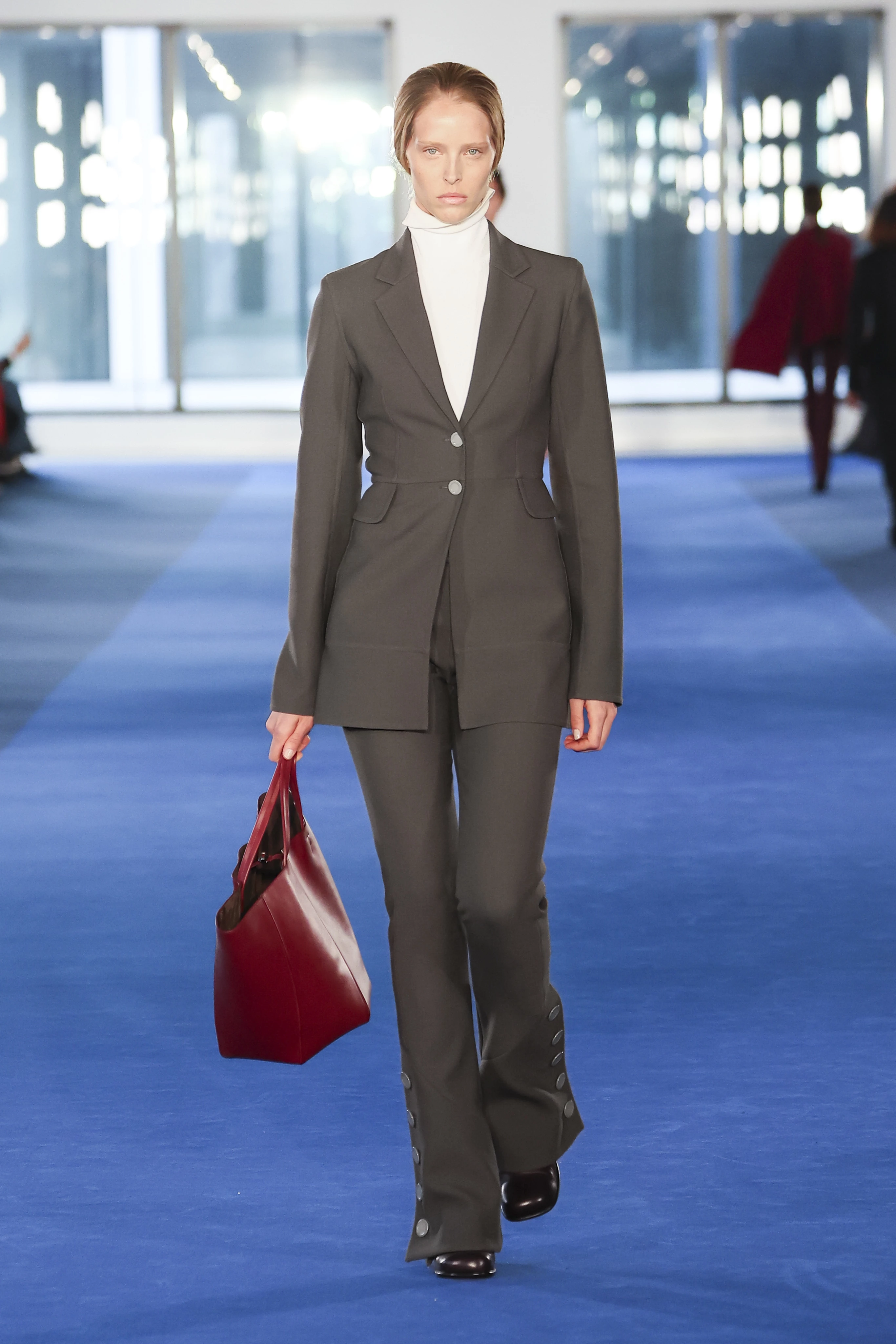
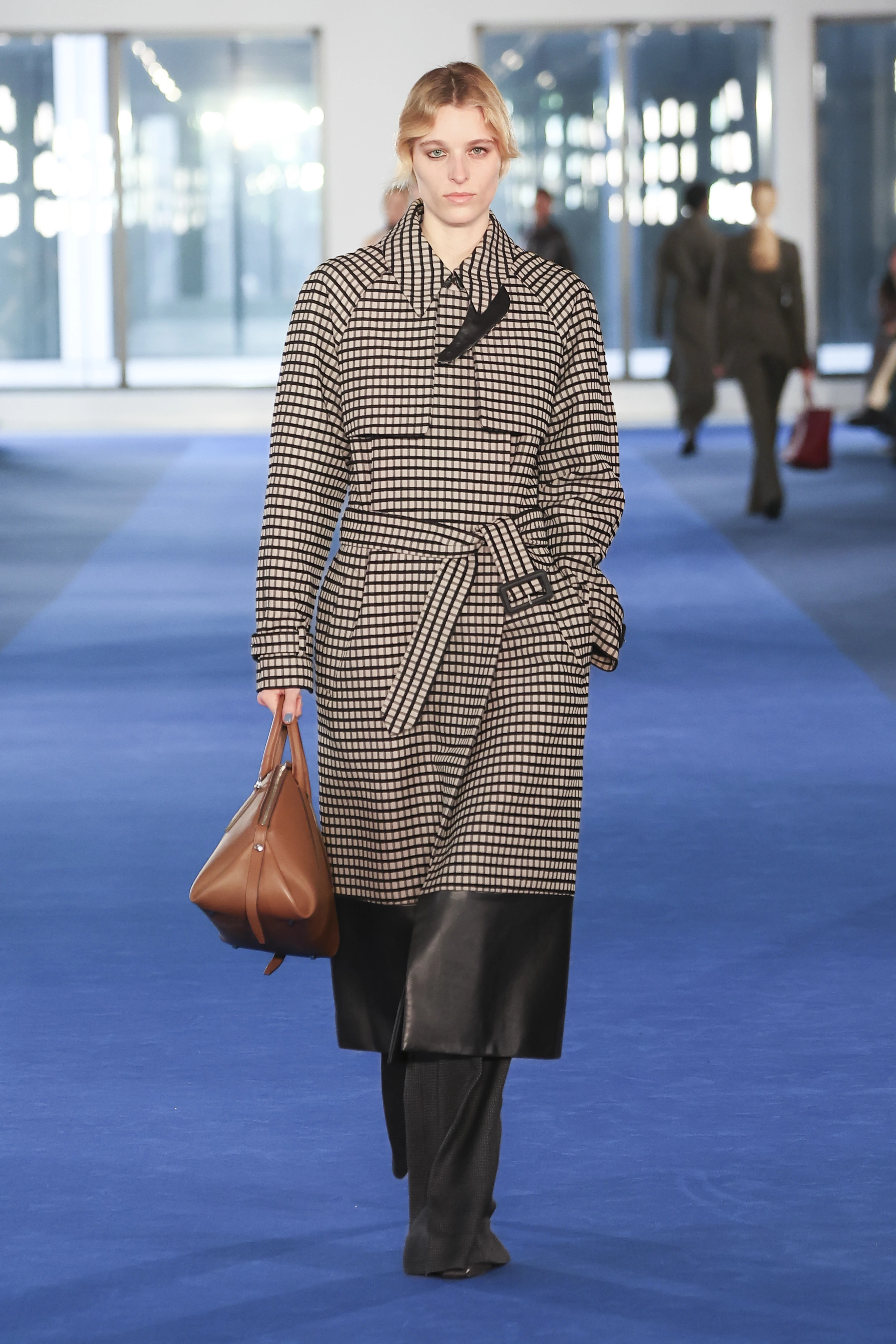
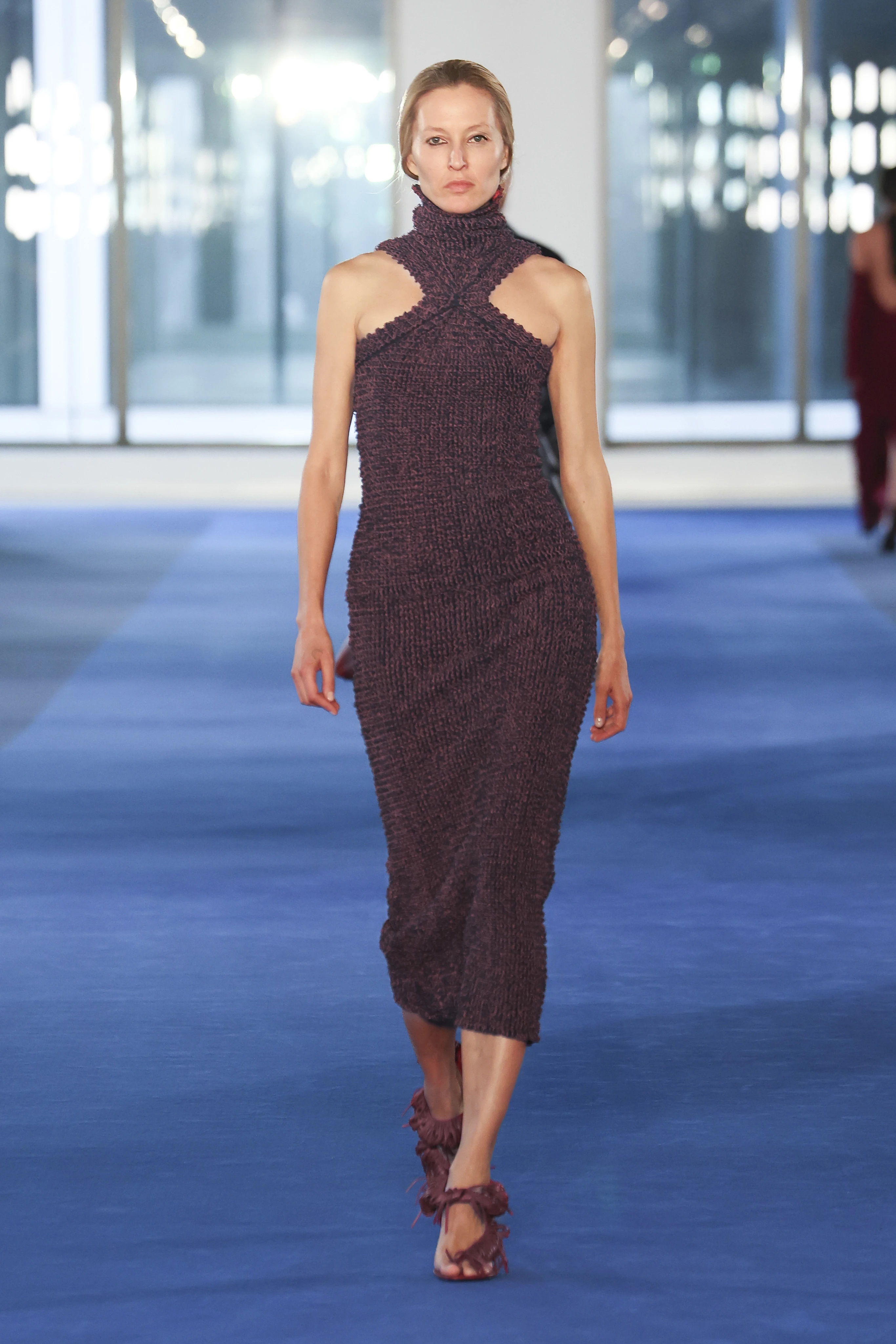
Scott’s experience with crochet at Diotima continued organically in the new chapter at Proenza Schouler. The double-breasted knit skirt suit was fresh and delicate, while the fitted polo dress added sensuality to the collection without being straightforward. The most personal gesture was the final look with an orchid print. Scott grows them herself: she first hand-painted a photograph of the night flowers, and then transferred it to print, leaving the edges of the image deliberately “sloppy” at the hem — a trace of the process that is not hidden, but rather emphasized.
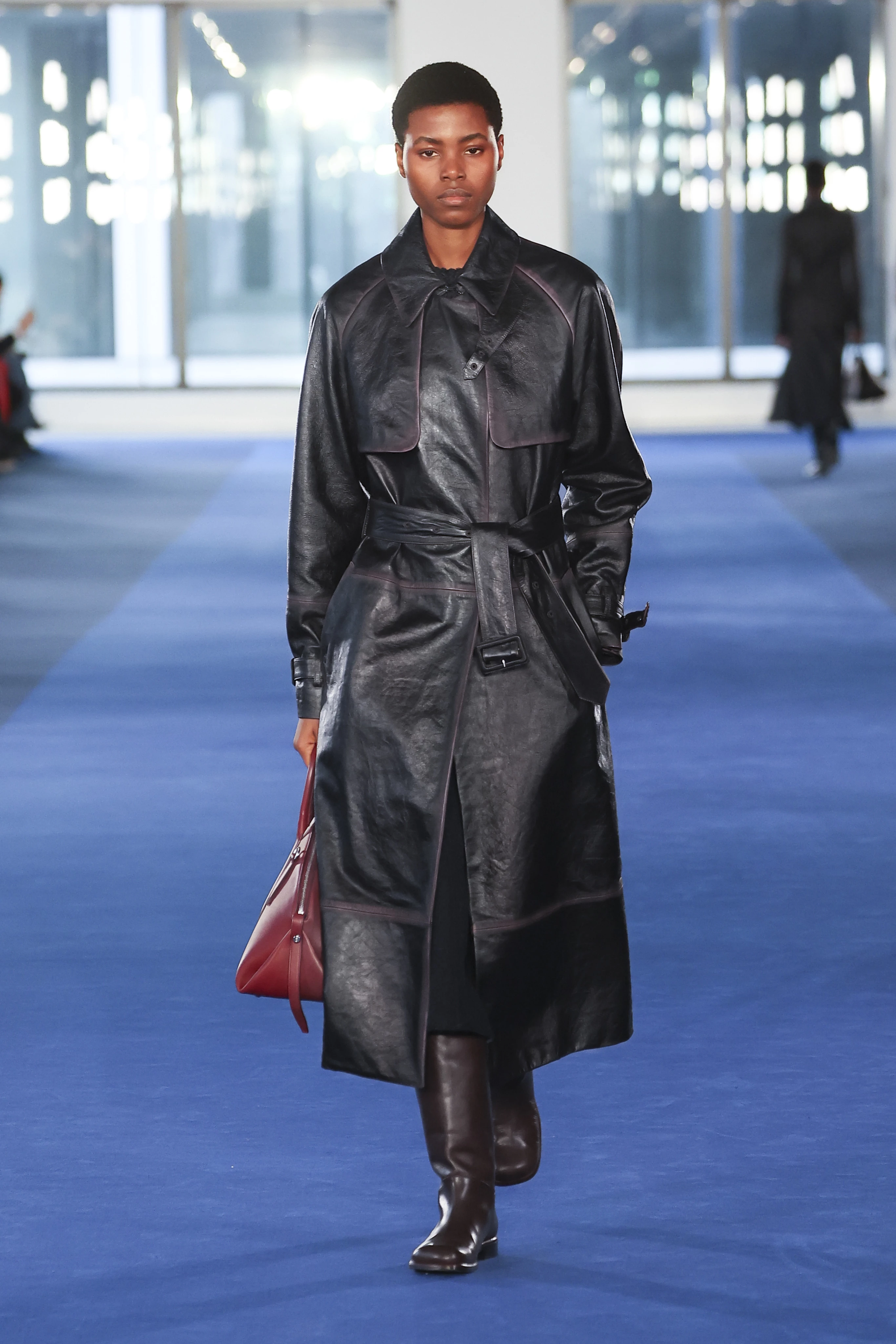
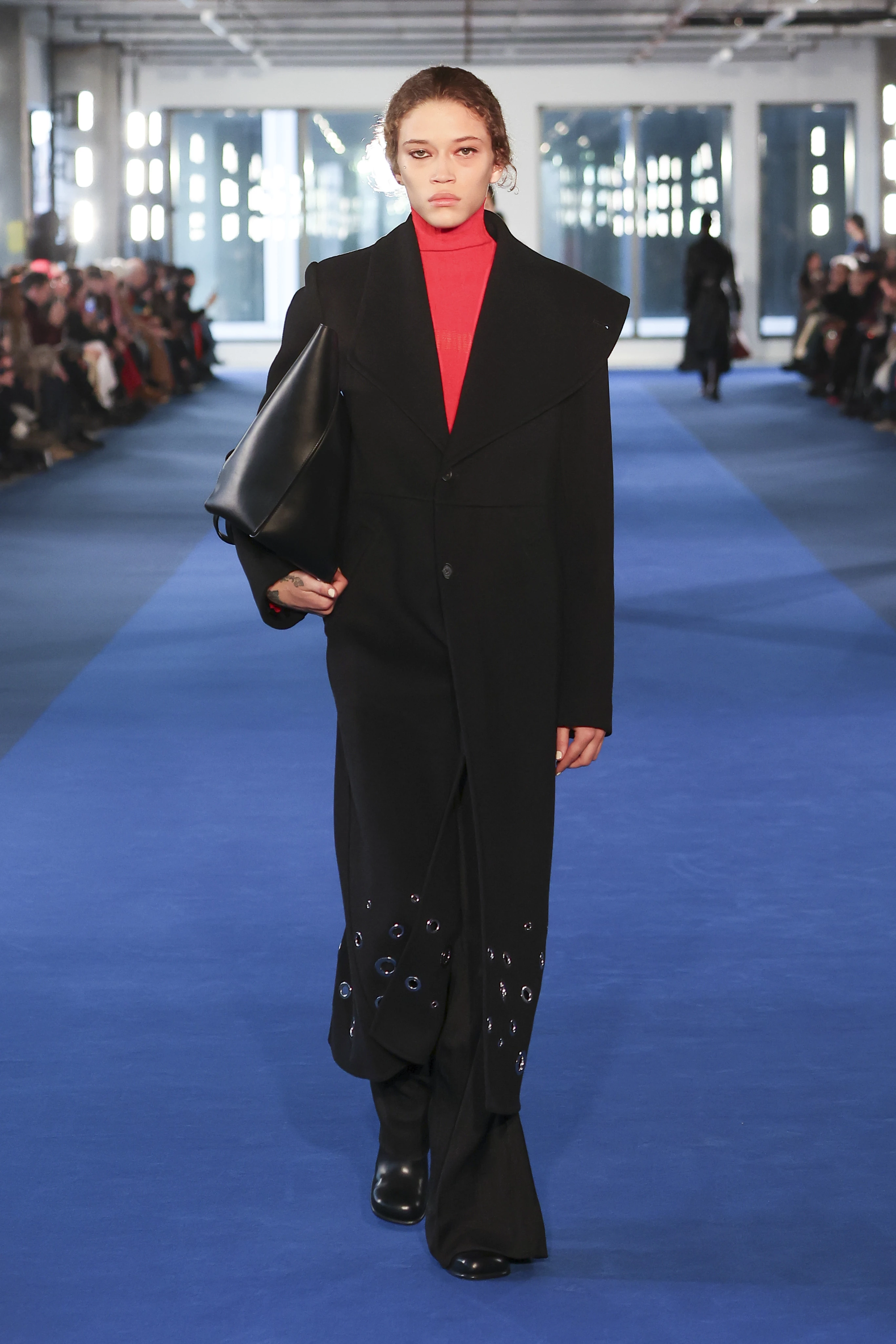
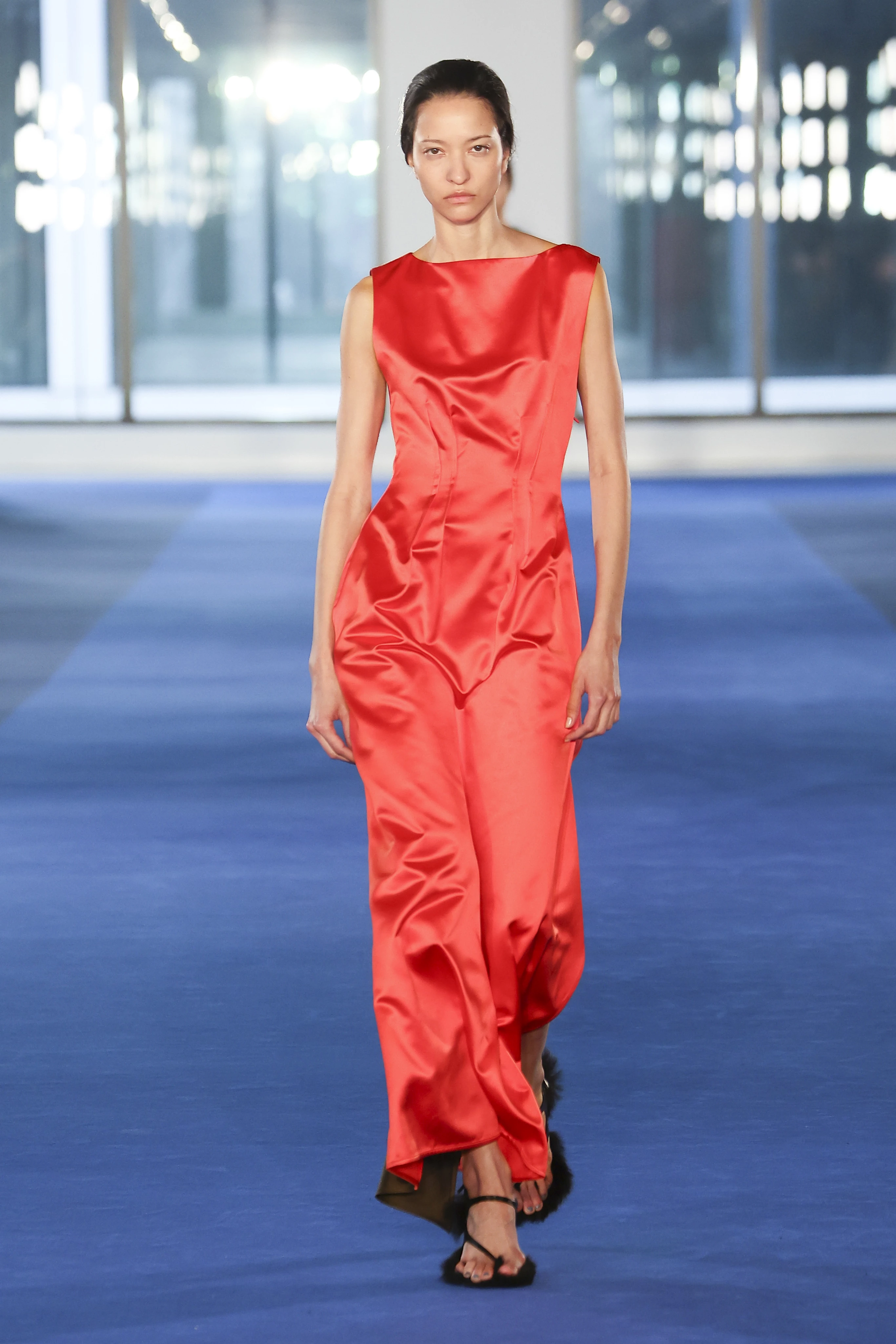
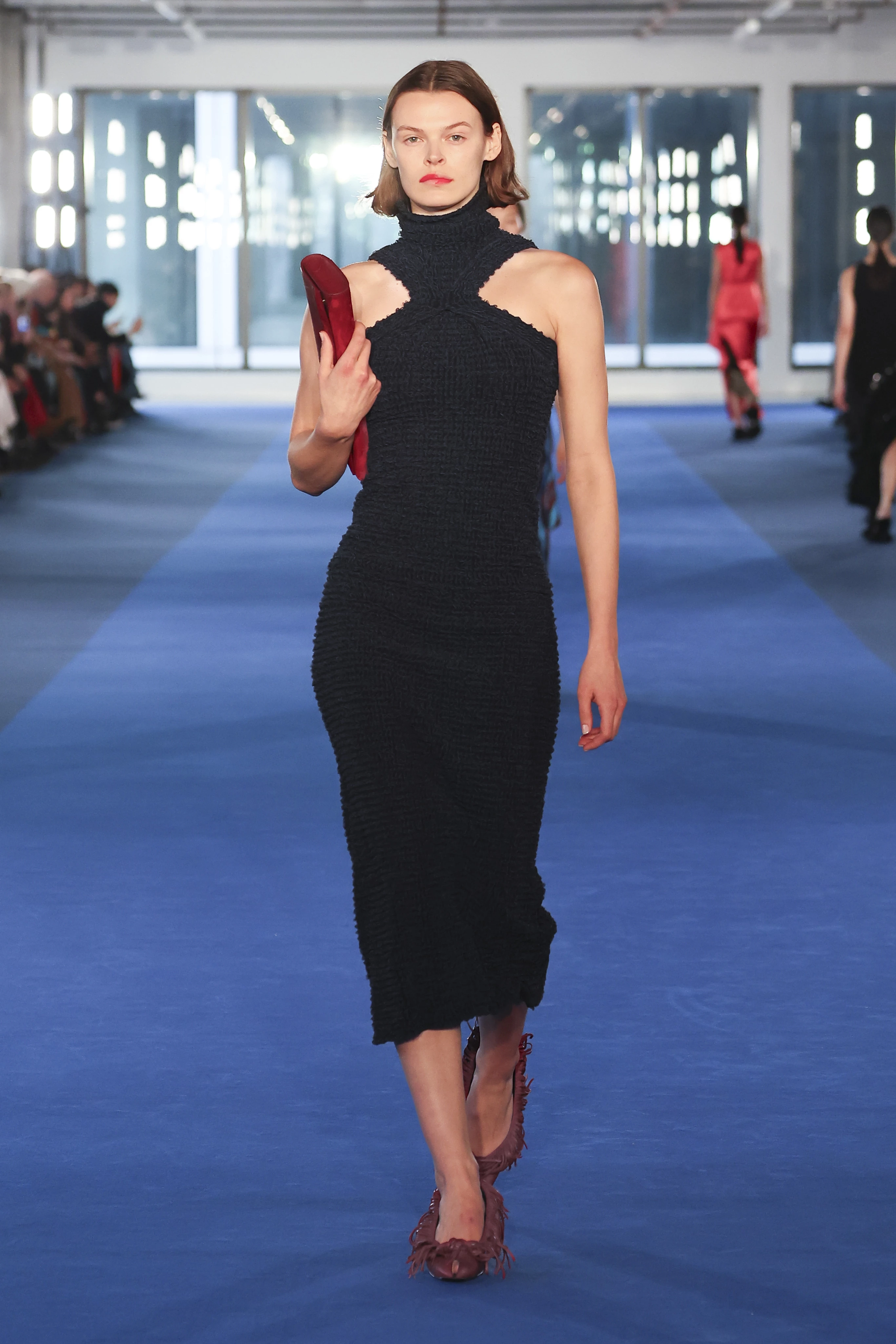
Accessories continued this conversation about contrast and controlled imperfection. The archival Hex, clutch and bowling bag were reinterpreted through a combination of different textures and materials. Shoes played with deformation: pumps with a hypertrophied square toe, sharply elongated kitten heels, satin sandals with a fluffy insole.