

 Share
Share
On February 12, one of the most anticipated films of the year will be released in Ukrainian cinemas – the film adaptation of Emily Bronte's novel “Wuthering Heights”. It's been a long time since movie costumes caused such a stir as in the case of this film. We'll tell you more about them.
About the film adaptation of Emerald Fennell
It's hard to say when the last time a movie costume caused as much buzz and controversy as the looks created by two-time Oscar winner Jacqueline Durran for director Emerald Fennell's Wuthering Heights. Except for Greta Gerwig's Barbie, where Durran was also responsible for the wardrobe. She previously dressed Kristen Stewart in Chanel for Spencer, created ball gowns for the March sisters in Little Women, and created Keira Knightley's iconic looks in Pride and Prejudice and Atonement. The green dress from the latter film is still on the list of the most talked-about on-screen looks of all time.
It's no surprise, then, that Fennell and Margot Robbie—who plays Katie in the film and is also a producer and has previously collaborated with Durran on Barbie—invited the British actress to work on their massive epic. Little did they know that the costumes would become a topic of discussion long before the premiere. As soon as the first blurry paparazzi shots from the set appeared online, the Internet exploded: users argued about historical inaccuracies and bold, almost eccentric styling.
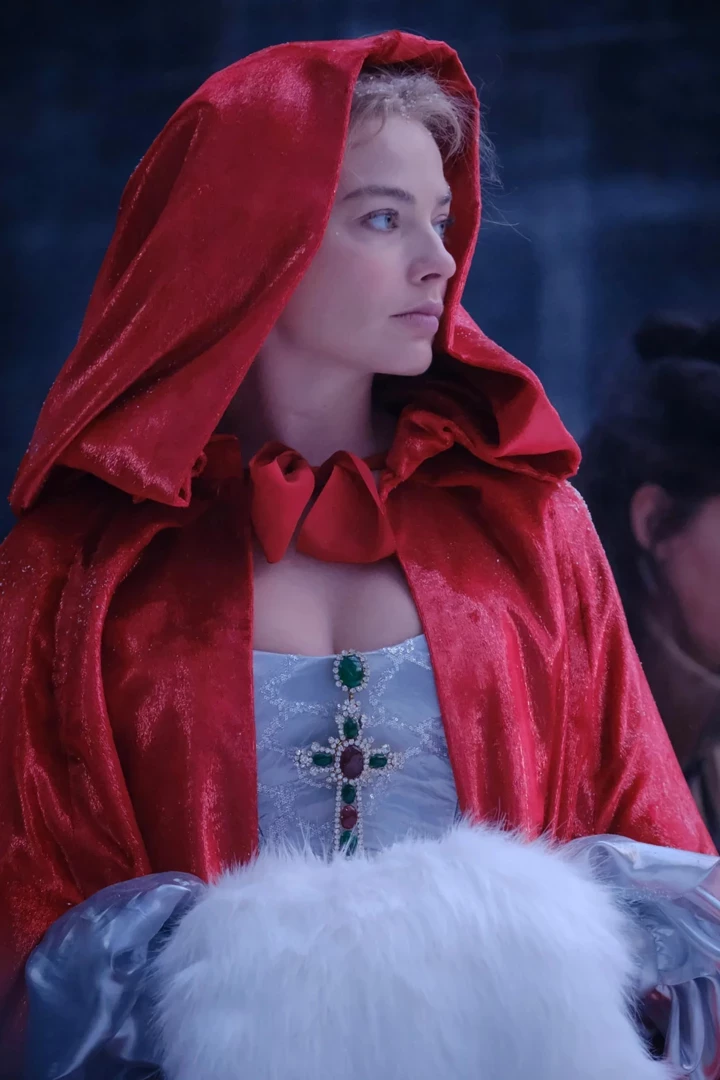
But the creative team remains unfazed. Their Wuthering Heights was conceived from the start as a fantasy hallucination, in which historical allusions blend effortlessly with glossy modernity. Judging by the first trailers, this Katie is not a reserved brunette in dull dresses wandering the moors. Instead, she is a cheerful blonde in German milkmaid corsets, shiny showstopper shoes and sunglasses worthy of Elton John. Her partners also subvert expectations: Jacob Elordi plays the gloomy Heathcliff, Alison Oliver is the angelic Isabella Linton, Hong Chao is the reserved, steely Nellie Dean, and Shazad Latif is the self-confident Edgar Linton.
Ahead of the release, scheduled for February 12 — almost Valentine's Day — Durran shows American Vogue exclusive details of the work and talks about key looks: from a see-through wedding night outfit to the legendary “latex dress” that everyone is talking about.
Advertising.
“We had a kaleidoscope of eras”
According to Durran, when they met, Fennell had been collecting visual references for a year or more: the Tudors, the 1950s, modern fashion—all in one moody mix. The moodboards juxtaposed historical portraits, museum costumes, archival photos, vintage pieces, and contemporary runway shows. There were also influences from Mugler and Alexander McQueen—not as direct quotes, but as an aesthetic direction.
“Our references covered everything from the Elizabethan, Georgian and Victorian eras to painting, historical clothing, modern fashion and on-screen interpretations of costumes in 20th-century films. The task was one – to gather this chaos into a coherent visual language that tells a story,” says the artist.
Katie's first appearance
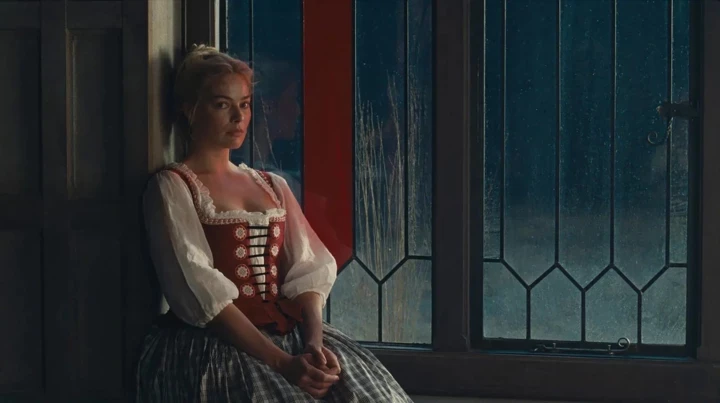
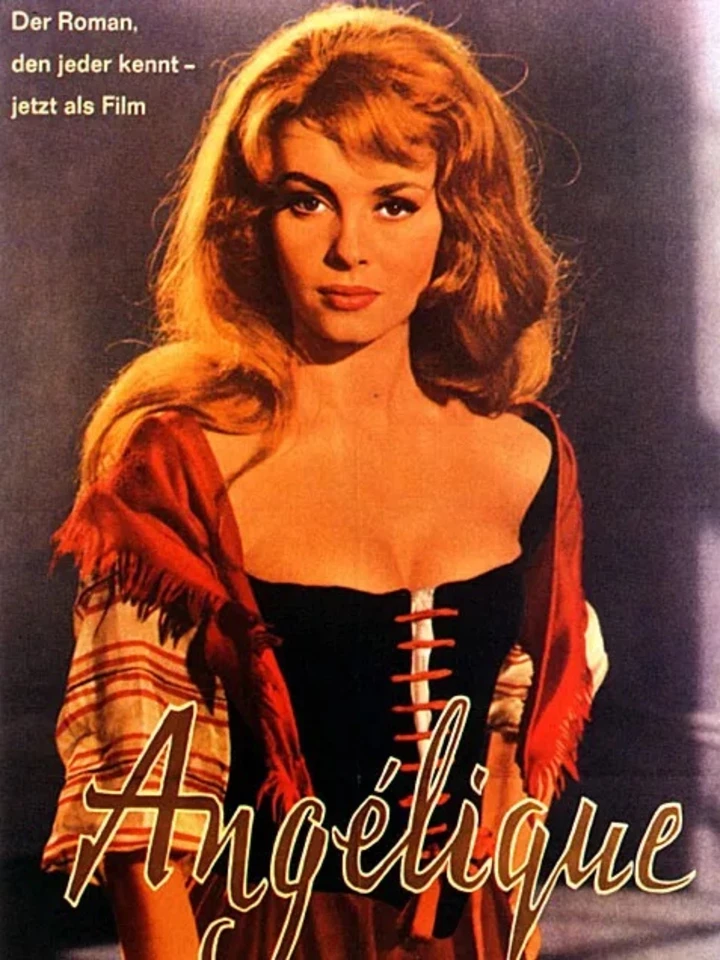
The dress, in a traditional German style (which may be reminiscent of the waitresses at the Oktoberfest festival in Germany) and which has already become a meme, is the first adult look for the character Katie. She deliberately balances between historical costume, modern fashion and Old Hollywood glamour. It is a deliberately theatrical, almost unrealistic thing – and that is its strength. One of the references for the dress was the image of actress Michelle Mercier as Angelica in the 1964 film “Angelica, Marquise of Angels”.
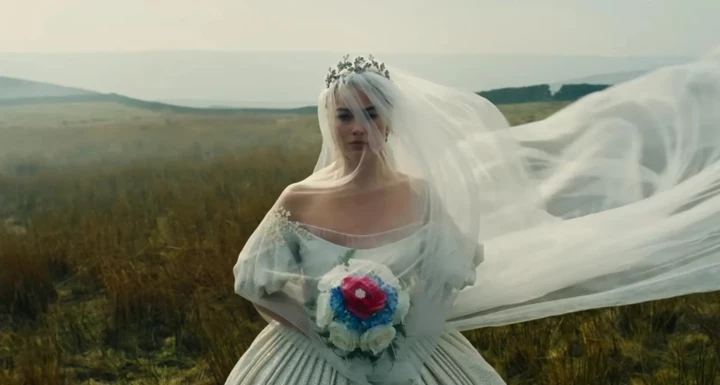
Chanel wedding dress and jewelry
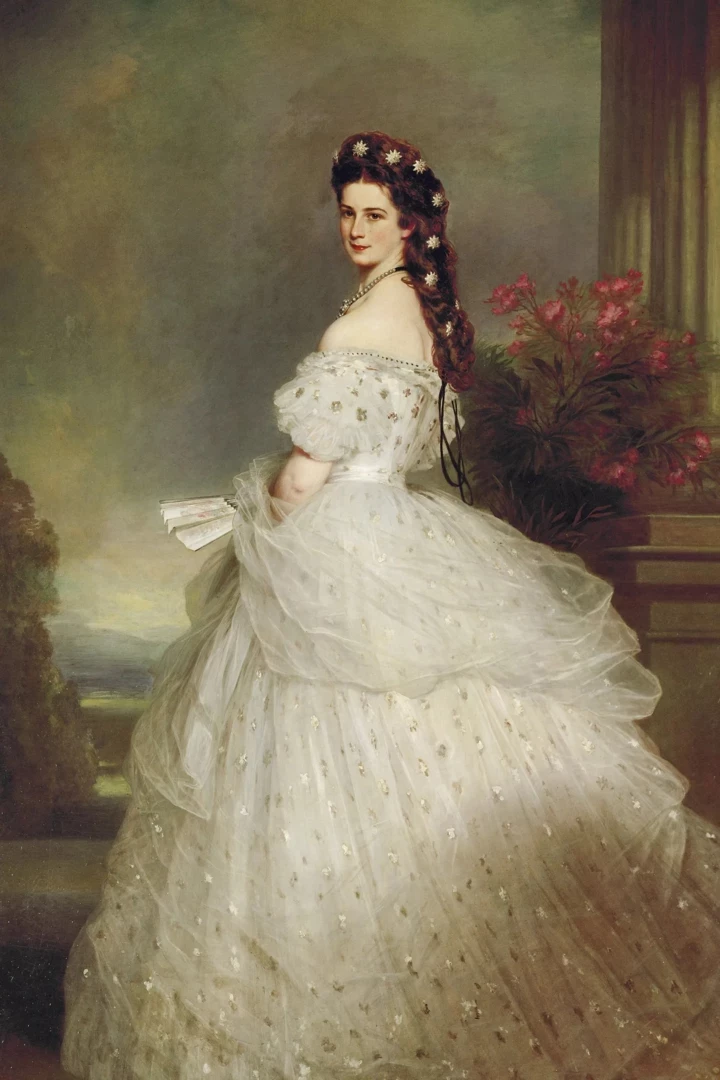
Katie's wedding dress was inspired by portraits by mid-19th-century German artist Franz Xaver Winterhalter and silhouettes by designer Charles James, a combination of Victorian splendor and 1950s architectural chic. The dress seemed to have come off an ancient canvas, while maintaining a modern plasticity.
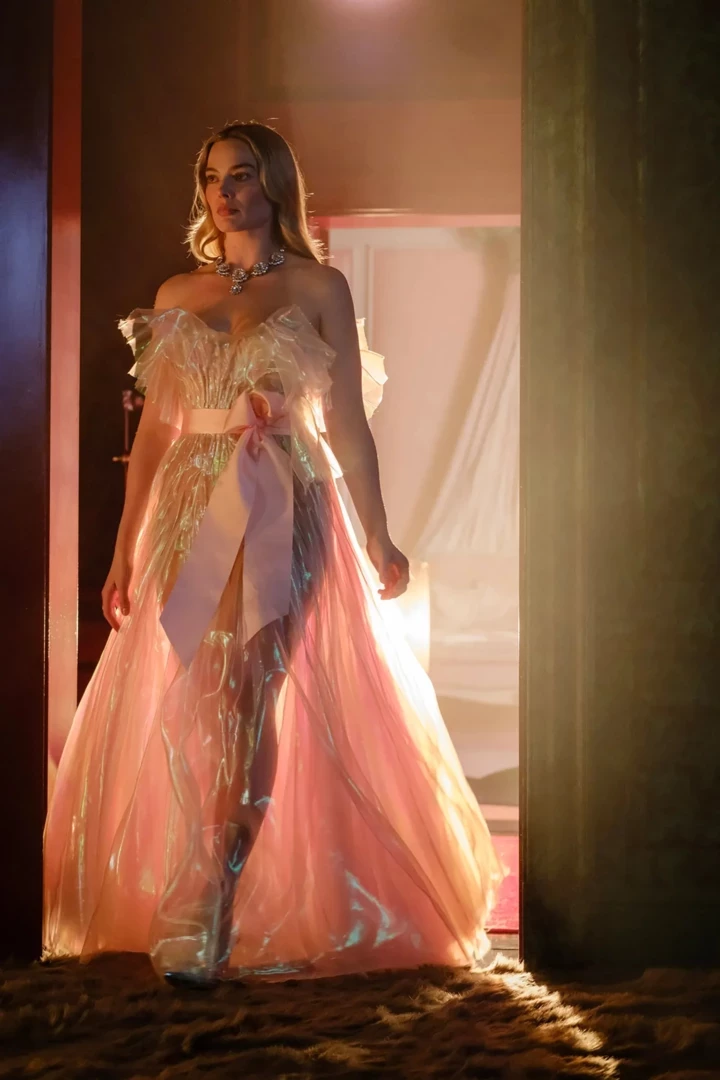
On her wedding night, Katie has a very unexpected look. The idea for this dress grew out of a whimsical 1950s photograph: a woman wrapped in cellophane, like a gift. Durran reinterpreted this image as a symbol — Katie gives herself a gift. The material of the dress is ultra-shiny synthetics.
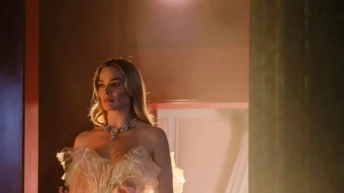
Vintage Chanel jewelry is also featured in the film, including as hair accessories. Chanel opened up its archives to the team. Vintage brooches and other jewelry were sewn directly into Robbie's hair and costumes. Historical in spirit, but boldly modern — exactly what Katie needed, says Durran.
About that same “latex” dress
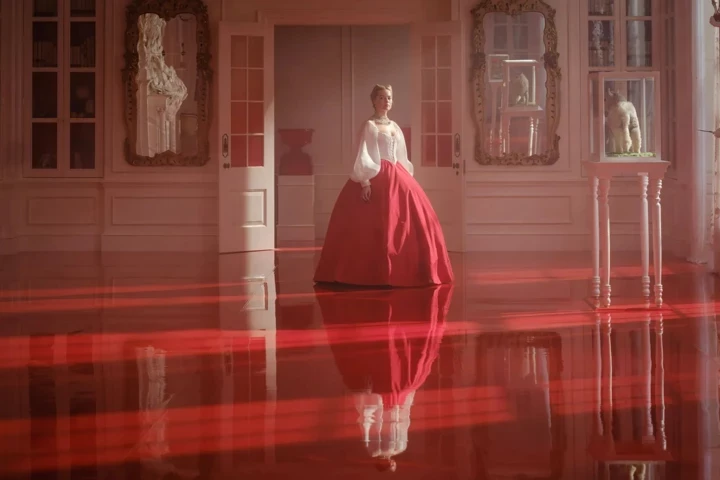
It's not actually latex, but a very shiny, synthetic, plasticized modern fabric. Red is a key color for Katie throughout the film, and she wears several shiny items. One of them is a dress with a full red skirt that resembles latex and a white blouse. “We used this look in a scene where we wanted to combine the dress and the set in a really artificial and very stylized way, because there's this rubberized, shiny red floor. They kind of blend into each other, and the walls of the library are white, like her blouse,” says Durran.
About hats and symbols
A huge straw hat with shooting stars, a fur hat for Christmas, lots of Gothic crosses and chains – all this adds a bit of grotesqueness, a bit of fairy-taleness and a bit of rebellion to Katie's look.
About the image of Heathcliff performed by Jacob Elordi
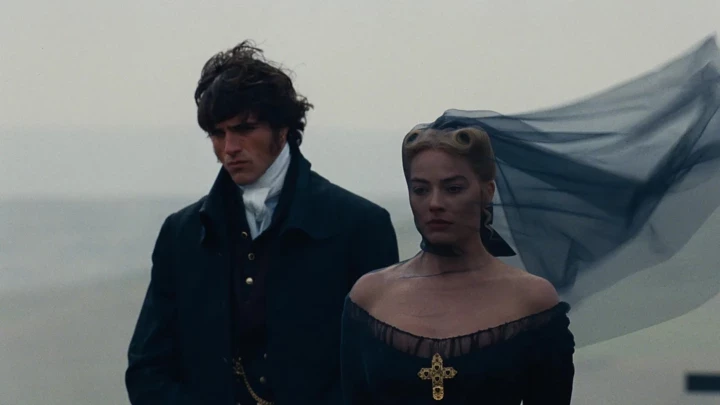
Elordi's Heathcliff has a more historical, almost Georgian look: he wears dark colors, white shirts and a long black coat. He is a kind of romantic “Byronic” hero. “We don't depict a specific moment in time at all – we just choose images or styles that we like for each character,” Durran admits.
About other characters
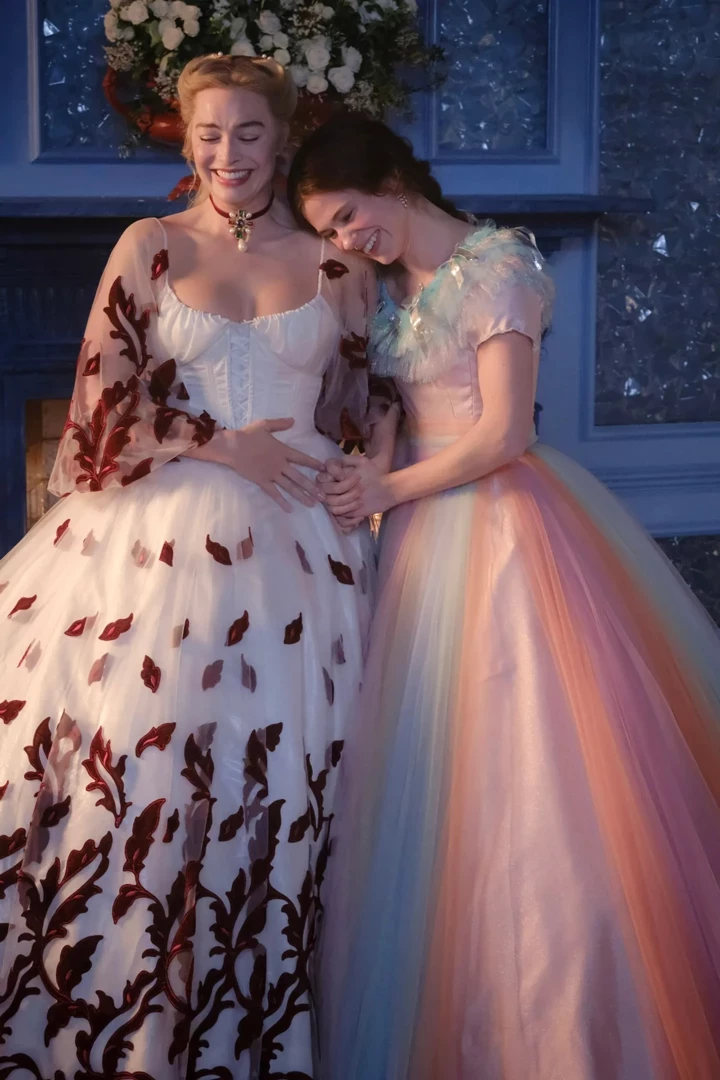
As for the other characters in the film, their designs were much more period-based than Katie's, particularly the 1860s, which featured intricate fabric work and a heavy use of lace and bows. Isabella Linton, for example, looks like a doll in pink dresses with bows and lace, an exaggerated version of 1860s fashion. Nellie Dean also gets more texture and embroidery to fit in with the film's baroque style.
But the brutal Edgar Linton is demonstratively “wrong”: he wears shiny fabrics, and his style can be described as ostentatious luxury, because Edgar personifies new money, which shouts louder than historical authenticity.