

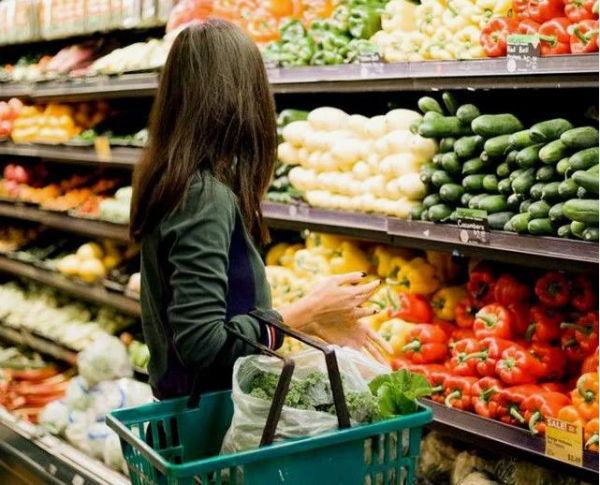
The benefits of fruits and vegetables are widely discussed, but it's rare to find mention of the contraindications for certain health conditions. Furthermore, they need to be consumed wisely, as they aren't as harmless as they seem. Be careful when choosing and eating your favorite fruits, berries, and vegetables.
Fresh apricots and peaches on an empty stomach should not be consumed by people suffering from gastric ulcer (GU), duodenal ulcer and acute gastritis.
Dried apricots and dried apricots are contraindicated for those who suffer from diabetes.
Apricot kernels contain the glycoside amygdalin, which is a poison.
Sea buckthorn has a negative effect on the gallbladder, gastrointestinal tract and pancreas.
Plums should be avoided in cases of obesity, diabetes, and high gastric acidity.
Black chokeberry and black currant are contraindicated in cases of increased blood clotting (viscosity).
Rowan and currant juice should not be taken if you have gastric ulcer or duodenal ulcer.
Orange juice is contraindicated during periods of exacerbation of gastric ulcer, duodenal ulcer, and chronic diseases of the pancreas.
Lemon juice causes heartburn, severe cramping pain, and vomiting. Therefore, these citrus fruits should be consumed only in small quantities (1-2 slices with tea and honey) and only after meals.
Drinking fresh beetroot juice causes severe vasospasm. Therefore, freshly squeezed beetroot juice should be allowed to sit for 2-3 hours to remove harmful volatile compounds. Beetroot juice is best absorbed by the body when mixed with apple or lemon juice in a 1:1 ratio.
Due to their nitrate content, watermelons and cucumbers can cause nausea, vomiting, stomach pain, and diarrhea in healthy individuals. Watermelons are also dangerous for young children, who may experience cramps and dehydration. Kidney patients who consume these vegetables can quickly develop colic and experience a significant deterioration in their overall health.
Pickled cucumbers should not be consumed by obese people, as well as by those suffering from obesity.
Eggplants. Overripe eggplants contain high levels of the alkaloid solanine, which, when poisoned, causes nausea, vomiting, diarrhea, intestinal colic, confusion, convulsions, and shortness of breath. Therefore, remember to eat young eggplants. If you do suffer poisoning, the best antidote is milk, egg whites, and slimy soups.
Grapes can cause gastrointestinal upset and flatulence. People with stomach, intestinal, kidney, and urinary tract ulcers should eat grapes without the skin. Grapes are also contraindicated for diabetics.
Pears should not be consumed after meals, especially with raw water.
Melons and cabbage are contraindicated for people with gastric ulcers and duodenal ulcers, as they cause bloating.
Sauerkraut is not suitable for people with hypertension, kidney or heart failure, chronic liver disease or various types of colitis.
Fresh onions can exacerbate kidney and liver diseases. It's safer to eat cooked onions, which boost metabolism.
Green and black radish roots have a negative effect on liver function.
Garlic should not be consumed by people with epilepsy, hypertension, kidney inflammation, or pregnant women.
Horseradish is completely contraindicated for patients with gastrointestinal diseases.
Pickled tomatoes should be excluded from the diet of patients suffering from gastrointestinal disorders with high acidity, hypertension, heart defects, and atherosclerosis.