

Only 10% of the planet's population eats any food without restriction and doesn't gain weight. The rest periodically or constantly struggle to lose weight, are overweight, or are obese. Our ancestors, hunters and gatherers, ate their fill whenever possible. Thus, they acquired the instinct to “survive through food,” and it became part of our genetic makeup.
Thus, following any weight loss diet is a struggle against a genetic survival program. Almost always, weight loss diets based on eliminating one macronutrient or micronutrient are unbalanced and can lead to irreversible consequences.
Genetic research has identified a “lifesaving” gene that activates to protect mammals in times of crisis (such as food shortage). It may act as a gene for slimness and longevity, and we can activate it ourselves for life.
Every cell in the human body has the same set of genes. In the cells of any organ, only those genes necessary for its function are active. The remaining genes are dormant and are called “silent.” American scientists have discovered that special proteins called sirtuins maintain these dormant genes. The production of sirtuin proteins is triggered by genes from the SIRT family. Thus, SIRTs can serve as a tool to inhibit or activate any of the 28,000 human genes.
The hard-working sirtuins work on two fronts: preventing dormant genes from waking up and restoring damaged genes. However, if multiple damages occur, sirtuins may become insufficient, weakening their control over genes. This can lead to cellular chaos, accelerating the aging process. It turns out that the activity and number of sirtuins can be increased by boosting SIRT activity—and both fronts will be in order.
In extreme conditions, many plants produce substances that regulate the activity of the SIRT gene. These include resveratrol, found in the skins of grapes and berries, and isoflavonoids, found in legumes. However, to obtain sufficient resveratrol, you'd need to drink at least ten bottles of red wine a day, which would only be detrimental to your health, while isoflavonoids can negatively impact reproductive function.
Currently, the most well-known method for activating SIRT is calorie restriction , which alters the rate of metabolic processes in muscle, liver, and adipose tissue. This diet not only accelerates metabolism but also prevents cell death, thereby slowing aging.
However, constant calorie restriction can lead to impaired immune system function, iron deficiency anemia, muscle wasting, and a host of other health problems.
You can reduce your calorie intake by 20, 30, 40, or 50% of your daily intake. Each person should determine the optimal level of restriction for themselves. This restriction shouldn't be daily (to avoid a metabolic slowdown). You can alternate “fasting” days with “regular” days (during which you consume 100% of your daily intake) using a 2/2 or 1/1 schedule, or you can make the “fasting” days weekends. Since calorie restriction doesn't occur every day, the body doesn't perceive the diet as starvation and doesn't slow down metabolism to conserve energy. It's important to avoid discomfort and feelings of dissatisfaction.
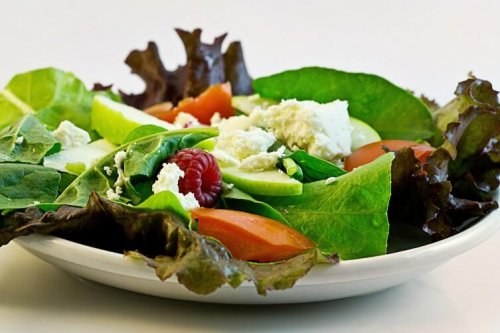
On fasting days, replace lunch with a fresh vegetable salad (there are many options). Dress salads with vegetable oil or sour cream with a fat content of no more than 10%. Avoid dehydration and drink plenty of plain water (30 ml per 1 kg of your body weight). And most importantly, do something you enjoy to avoid thinking about food. If you feel a strong urge to snack, you can eat an apple or a medium-sized banana, or drink a cup of low-fat yogurt.
However, alternating days should also include healthy eating principles. For health, it's not just the quantity but also the quality of food that matters. It's essential to minimize the consumption of simple carbohydrates, saturated fats, and trans fats. The diet should be based on vegetables, fruits, and whole grains (which provide fiber, complex carbohydrates, and phytonutrients), as well as plant-based proteins (legumes and mushrooms) and animal proteins (poultry, fish, eggs, and dairy).
You can cut calories not only through diet but also by building muscle mass, which is achieved through increased physical activity. Naturally, you can join a gym. But you can also engage in the most effective aerobic exercise on your own—walking. Alternate walking with jogging or simply vary your pace every 10 minutes. Regular physical activity will help increase your resting calorie expenditure, reduce fat and build muscle, reduce the risk of many diseases, and improve your mood.
By activating the slimming and longevity gene SIRT, you'll not only become slimmer and always be in a good mood, but also reduce inflammation in the body that causes cardiovascular disease, arthritis, arthrosis, allergies, and neurodegenerative pathologies. And most importantly, you'll extend your life.