

Glass Skin is being replaced by the new Asian trend Mochi Skin — elastic, soft, and velvety skin that resembles the surface of famous Japanese rice cakes.
When traveling to Asia, beauty enthusiasts are increasingly discovering skincare rituals that haven't yet made it into the European mainstream. In Japan, these discoveries often happen in stores. One such place is the iconic Cosme near Harajuku Station in Tokyo.
Advertising.
“We no longer want to shine like a mirror. We want to be velvety like mochi,” is how consultants describe the end of the Glass Skin era and the arrival of Mochi Skin. It's a new trend directly inspired by the iconic rice dessert. The name Mochi Skin itself sounds soothing and associates with pastel colors, soft textures and tactile pleasure. The idea of having supple, plump and velvety skin like mochi is becoming the new benchmark for well-being.
What is Mochi Skin?
In Japan, the compliment “You have beautiful skin” is often called mochi-hada. Mochi Skin is soft, plump, velvety, and elastic skin. It doesn't have a mirror-like shine, but it radiates a deep, healthy glow and has a slightly matte, powdery appearance. The expression “skin like mochi” describes its turgor – the elasticity inherent in young or very well-groomed skin, in which moisture is reliably retained in the layers of the epidermis. When pressed, such skin instantly returns to its original shape. Just like the famous rice dessert.
View this post on Instagram
What's the secret? Double hydration in 3 steps
To achieve the effect of such skin, double hydration is needed, which works on the principle of multi-layered care.
Step 1. Double cleanse
Cleansing should be as gentle as possible. First, use an oil or balm that turns into milk when in contact with water and nourishes the skin at this stage. Then use a foam or gel cleanser to remove residue. The golden rule of Mochi Skin: think of your skin as thin rice paper and treat it accordingly. After washing your face, don't rub it, just gently pat it dry — for example, with a silk towel. Less friction means less inflammation and a smoother, velvety skin texture.
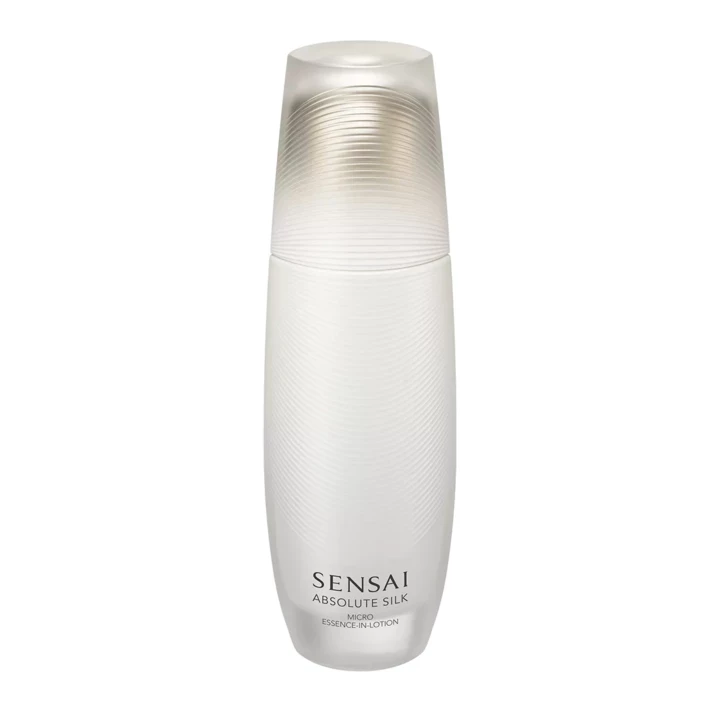
Step 2. Lotion or essence with active ingredients
This step instantly hydrates the skin and prepares it for the products that follow. The palming technique is widely used in Japan: the product is warmed between the palms for about 30 seconds, then generously “stamped” into the skin with light patting movements. Slow movements, the warmth of the hands and constant pressure help the product penetrate deeper, keeping moisture inside the cells, rather than letting it evaporate from the surface.
Step 3. Moisturizer
The cream will “seal” the result. An important detail: do not wait for the lotion to be completely absorbed. The cream is applied when the skin is still a little sticky to retain moisture as much as possible and get a pronounced effect. At this moment, the cream works as a hermetic lid, creating a vacuum effect. If when pressing on the skin you feel a slight “suction” effect, then the hydration is fixed correctly.
Why the Mochi Skin Effect is Becoming So Popular
In a world oversaturated with acids and retinol mania, Mochi Skin returns to the basics of skincare: nourishment and protection. It's a calming, restorative ritual that doesn't attack the skin's barrier, but rather strengthens it. Plus, it's hard not to fall for the charm of a trend inspired by beloved Japanese rice sweets.
Before selecting products, you can do a simple mochi test: lightly pinch the upper part of your cheekbone with your thumb and forefinger. If, after you release your fingers, the skin instantly returns to its original state, like a spring, the “mochi” level is good. If the return is slow and a slight mark remains, the skin lacks hydration and nutrition.
Based on material from: Vogue.it