

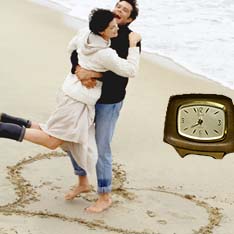
Love at first sight, a sudden passion—all of this turns our lives into a celebration, a constant fireworks display of new emotions and experiences. Many of us, in the first few months of dating our loved one, feel an irresistible attraction, both emotional and physical, and believe it will last forever. But as the days go by, the passion begins to fade, everyday life, friends, and work interfere with the relationship, and gradually, either the formerly passionate lovers' lives merge into a quiet family routine, or they separate altogether, cruelly disappointing each other. And now scientists have discovered that this process, which probably no one has escaped, has a strictly rational explanation linked to the levels of certain hormones in a person's blood.
As it turns out, passionate love is a short-lived phenomenon, and expecting your entire life to be marked by it is simply foolish. Relationships built on such feelings can last no longer than two years. That's how long the human body maintains high levels of a certain type of protein, neurotrophins. Over time, these levels begin to decline steadily, and those formerly wild feelings gradually fade.
It's worth noting that researchers previously attributed an even shorter period of time to mad love—just a year—but now, after conducting a comprehensive blood test, researchers at the University of Pisa in Italy have confirmed that we are, in fact, capable of going wild for as long as 24 months, after which we say goodbye to each other.
However, the same scientists insist that not everything in life is so bad, and a drop in neurotrophin levels doesn't mean we immediately abandon our established partner in search of new, intense sensations. After we become accustomed to our partner and the intensity of our feelings fades, oxytocin levels increase in our bodies, allowing us to come to terms with a new type of relationship and avoid acute disappointment.
For those who aren't ready to accept the idea that their feelings are controlled solely by certain substances in their blood, scientists have a pleasant surprise: it turns out that true love does have a place in human life. If this kind of love has suddenly (or even not suddenly) taken root in your heart, and you believe that spending your whole life together and dying on the same day is possible, then your hormones will likely listen to your soul and behave in a completely atypical way. Scientists say that the blood of people who truly love shows a completely different pattern than the blood of those who are passionately in love but not ready for true feelings.